Key Takeaways
Pitch recognition training enhances strike zone awareness, helping players make better decisions at the plate.
Incorporating visual perception drills into practice can significantly improve a player’s ability to recognize different pitch types.
Using technology, such as pitch recognition software, can provide young players with valuable insights and feedback.
Combining pitch recognition drills with swing mechanics coaching leads to more versatile and effective batting.
Success stories demonstrate that consistent pitch recognition training can elevate both individual and team performance.
Introduction: Elevate Your Players’ Performance with Pitch Recognition
Coaching youth baseball and softball is an incredibly rewarding experience. One of the most impactful skills you can teach your players is pitch recognition. This ability allows players to identify different types of pitches quickly, giving them a significant edge at the plate.
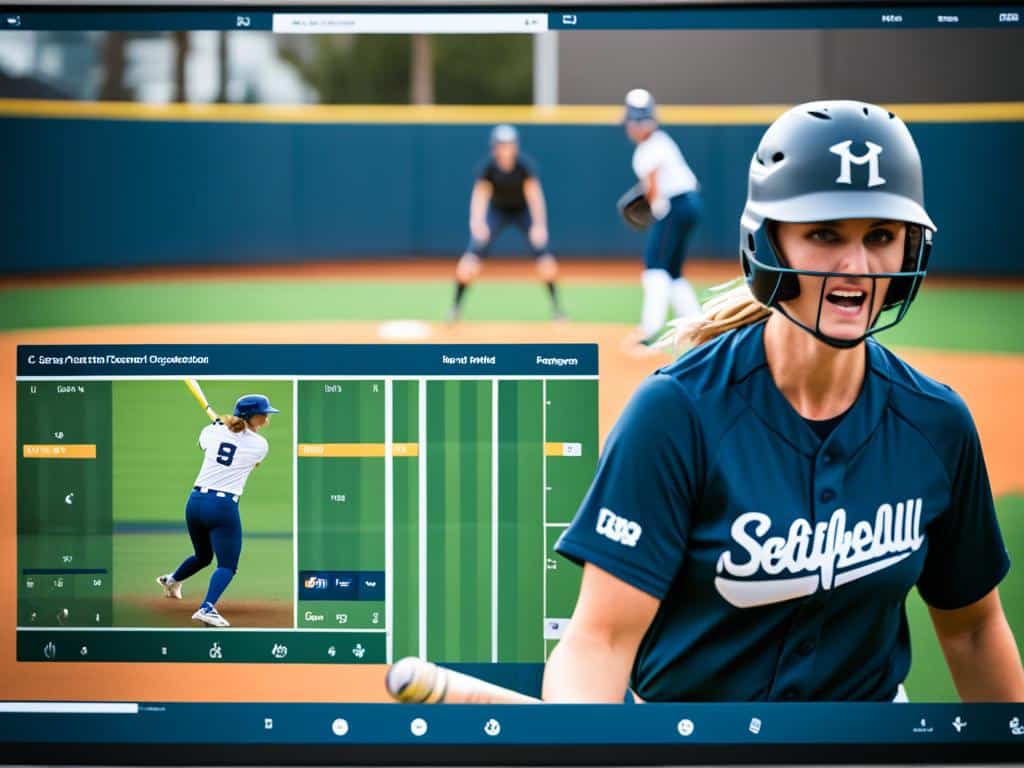
Understanding pitch sequencing and improving strike zone awareness are crucial components of effective hitting. By investing in pitch recognition training, you can help your players enhance their batting performance, making them more competitive and confident.
The Importance of Pitch Recognition
Pitch recognition is the ability to quickly and accurately identify the type of pitch being thrown. This skill is essential for hitters to make informed decisions about whether to swing and how to adjust their approach. Recognizing a curveball versus a fastball, for example, can be the difference between a strikeout and a home run.
When players can accurately read pitches, they are better equipped to anticipate the ball’s trajectory and timing. This leads to more consistent contact and higher batting averages. Most importantly, it builds a player’s confidence at the plate, which is invaluable for their overall performance.
How It Transforms Hitting Potential
Effective pitch recognition transforms a player’s hitting potential by allowing them to adapt their swing to different pitches. This adaptability makes them more versatile hitters, capable of handling various pitching styles and speeds. It also reduces the likelihood of chasing bad pitches, leading to more disciplined at-bats. For more insights, check out these kids hitting tips to improve pitch recognition.
By training young players in pitch recognition, you help them develop a keen eye for the strike zone. This not only improves their batting average but also enhances their overall understanding of the game. As they become more adept at recognizing pitches, they can make better strategic decisions, such as when to be aggressive or patient at the plate. For more tips, check out this guide on mastering the strike zone.
The Coach’s Role in Developing Pitch Recognition
As a coach, your role in developing pitch recognition is crucial. You are responsible for creating an environment where players can practice and refine this skill. This involves incorporating specific drills and exercises into your training sessions that focus on visual perception and decision-making. For tailored training tips, check out this guide on coaching for different age groups.
Additionally, you can leverage technology to enhance your players’ learning experience. There are various tools and software available that provide real-time feedback and analytics, helping players understand their strengths and areas for improvement. By integrating these resources into your coaching, you can offer a comprehensive training program that addresses all aspects of pitch recognition.
Core Strategies to Develop Pitch Recognition Skills
Visual Perception Drills
Visual perception drills are designed to improve a player’s ability to track the ball from the pitcher’s hand to the strike zone. These drills focus on enhancing eye-hand coordination and quick decision-making, which are essential for effective pitch recognition.
Tennis Ball Drills: Use colored tennis balls with different markings to simulate various pitches. Have players call out the color or marking as soon as they see it.
Soft Toss with Variations: Soft toss drills with different types of balls (e.g., wiffle balls, small foam balls) can help players adjust to different speeds and movements.
Reaction Training: Set up a reaction training station where players have to respond to visual cues, such as lights or signals, to simulate the quick decisions needed during an at-bat.
Decision-Making Exercises
Decision-making exercises are crucial for helping players learn when to swing and when to hold back. These exercises focus on improving a player’s judgment and discipline at the plate. For more tips on mastering the strike zone, visit our guide for young batters.
Simulated At-Bats: Set up simulated at-bats where players face a variety of pitches. Encourage them to focus on recognizing the pitch type and making a quick decision.
Pitch Recognition Games: Use games that require players to identify pitches based on visual cues. For example, you can use a pitching machine with different settings and have players call out the pitch type before swinging.
Strike Zone Drills: Create drills that emphasize strike zone awareness. Use visual aids, such as strike zone charts or cones, to help players understand the boundaries of the strike zone.
Using Technology for Enhanced Learning
Technology can be a powerful tool in pitch recognition training. There are several software programs and apps designed to help players improve their pitch recognition skills through interactive exercises and real-time feedback. For more tips on mastering the strike zone, check out this guide on mastering the strike zone.
One popular option is Win Reality, a virtual reality program that simulates live pitching scenarios. Players can face a variety of pitch types and speeds, allowing them to practice their recognition skills in a controlled environment. Another option is Vizual Edge, which offers visual training exercises to enhance eye-hand coordination and reaction time.
These tools provide valuable insights and analytics, helping players track their progress and identify areas for improvement. By incorporating technology into your training program, you can offer a more comprehensive and engaging learning experience for your players.
Tracking the Ball: From Release to Plate
One of the most critical aspects of pitch recognition is the ability to track the ball from the moment it leaves the pitcher’s hand until it crosses the plate. This skill requires keen visual acuity and quick reflexes. By focusing on this element, players can better predict the ball’s path and make more accurate contact.
To improve this skill, coaches can incorporate drills that emphasize tracking the ball’s movement. For instance, using different colored balls can help players focus on the ball’s trajectory and speed. Additionally, practicing with varying pitch types can help players become more adept at recognizing subtle differences in the ball’s movement. For more tips, check out these kids hitting tips.
Another effective method is to use slow-motion video analysis. By reviewing footage of their at-bats, players can see where their eyes are focused and how well they are tracking the ball. This feedback can be invaluable for making adjustments and improving their pitch recognition skills.
Use colored balls to practice tracking different pitches.
Incorporate slow-motion video analysis to provide feedback on tracking performance.
Practice with a variety of pitch types to enhance recognition skills.
Importance of Eye-Head Coordination
Eye-head coordination is another essential component of pitch recognition. This skill involves synchronizing eye movements with head movements to maintain a clear and stable view of the ball. Improving eye-head coordination can significantly enhance a player’s ability to track pitches accurately.
Effective Drills for Pitch Recognition
To help your players develop pitch recognition skills, it’s essential to incorporate a variety of drills into your training sessions. These drills should focus on different aspects of pitch recognition, such as visual tracking, decision-making, and adaptability to different pitch types. For more detailed strategies, check out this guide on how to teach pitch recognition.
Tee Work and Soft Toss Drills
Tee work and soft toss drills are fundamental exercises that can help players improve their pitch recognition skills. These drills allow players to focus on their swing mechanics while also practicing their ability to recognize and react to different pitches.
When setting up these drills, it’s important to vary the types of balls used and the angles at which they are thrown. This variation helps players become more adaptable and better prepared to face different pitch types in a game situation. For more tips on coaching, check out this guide on tailored training for different age groups.
Use different types of balls (e.g., wiffle balls, foam balls) to simulate various pitches.
Vary the angles and speeds of soft toss pitches to challenge players’ recognition skills.
Incorporate visual cues, such as colored markings on the balls, to enhance focus and tracking.
By consistently practicing these drills, players can develop a more refined sense of pitch recognition, leading to improved performance at the plate. For additional tips, check out this guide on recognizing and reacting to curveballs.
Live Pitching Simulations
Live pitching simulations are another effective way to enhance pitch recognition skills. These simulations provide players with a more realistic experience, allowing them to practice recognizing and reacting to different pitches in a controlled environment.
During live pitching simulations, it’s important to vary the types of pitches thrown and the speeds at which they are delivered. This variation helps players become more adaptable and better prepared for game situations. Additionally, providing immediate feedback and guidance can help players make adjustments and improve their recognition skills.
One effective method for live pitching simulations is to use a pitching machine that can replicate different pitch types and speeds. This allows players to practice recognizing and reacting to a variety of pitches in a controlled setting.
Video Analysis and Feedback Sessions
Video analysis and feedback sessions are invaluable tools for helping players improve their pitch recognition skills. By reviewing footage of their at-bats, players can see where their eyes are focused and how well they are tracking the ball. This feedback can be instrumental in making adjustments and improving their overall performance.

During video analysis sessions, it’s important to focus on specific aspects of pitch recognition, such as eye movement, head position, and timing. Providing clear and actionable feedback can help players make targeted improvements and enhance their skills.
Combining Pitch Recognition with Swing Mechanics
Combining pitch recognition drills with swing mechanics coaching is a powerful approach to improving a player’s overall hitting performance. By integrating these two aspects of training, players can develop a more versatile and effective approach at the plate.
Effective swing mechanics coaching involves teaching players how to adjust their swings based on the type of pitch they are facing. This adaptability is crucial for handling different pitching styles and speeds. By incorporating pitch recognition drills into swing mechanics coaching, players can learn to make these adjustments more effectively.
“Good hitting is more than just a strong swing. Players need to recognize and react to different pitches, like fastballs and breaking balls. Mastering pitch recognition lets young hitters adjust their swings to hit the ball consistently.”
By focusing on both pitch recognition and swing mechanics, players can develop a more comprehensive skill set that will serve them well in game situations. For more tips on helping young players, check out recognizing and reacting to curveballs.
Adjusting Swings for Different Pitches
One of the key aspects of effective hitting is the ability to adjust swings based on the type of pitch being thrown. This skill requires a combination of pitch recognition and swing mechanics. By teaching players how to make these adjustments, you can help them become more versatile and effective hitters. For further guidance, check out these kids hitting tips.
For example, when facing a fastball, players may need to shorten their swing and focus on making quick contact. Conversely, when facing a breaking ball, they may need to wait longer and adjust their swing path to match the ball’s trajectory. By practicing these adjustments in training, players can become more adept at handling different pitch types. For more tips on recognizing and reacting to different pitches, check out these kids hitting tips.
Incorporating Pitch Recognition into Batting Practice
Incorporating pitch recognition drills into batting practice is essential for helping players develop this skill. By integrating these drills into your regular training sessions, you can ensure that players are consistently working on their pitch recognition abilities.
Balancing Mechanics with Recognition Drills
Balancing swing mechanics with pitch recognition drills is crucial for developing well-rounded hitters. While it’s important to focus on swing mechanics, it’s equally important to incorporate pitch recognition drills to help players become more adaptable and effective at the plate.
Real-World Success Stories
Real-world success stories can be incredibly inspiring and provide valuable insights into the effectiveness of pitch recognition training. By learning from the experiences of other teams and players, you can gain a better understanding of how to implement these strategies in your own coaching.
Option B:
Case Study: Team Improvement through Pitch Recognition Drills
Take the example of the Little League team from Springfield. They were struggling with their batting average, and their coach decided to focus on pitch recognition training. By incorporating visual perception drills and decision-making exercises into their practice sessions, the team saw a remarkable improvement in their performance. For more tips on helping young players, check out these kids hitting tips.
Within a few weeks, the players became more confident at the plate. They were able to identify different pitch types quickly and adjust their swings accordingly. The team’s batting average increased by 20%, and they went on to win their district championship. This case study highlights the transformative power of pitch recognition training when implemented consistently and effectively.
Individual Success: Players Who Mastered the Art
Let’s look at Sarah, a 12-year-old softball player who struggled with recognizing pitches. Her coach introduced her to pitch recognition drills, including live pitching simulations and video analysis sessions. Sarah practiced diligently, focusing on tracking the ball and making quick decisions.
After several months of consistent training, Sarah’s batting average improved significantly. She became one of the top hitters on her team, and her confidence soared. Sarah’s success story demonstrates that with dedication and the right training, young players can master the art of pitch recognition and excel at the plate.
Lessons Learned: Keys to Effective Implementation
From these success stories, several key lessons emerge for effective implementation of pitch recognition training:
Consistency is Key: Regular practice and reinforcement of pitch recognition drills are essential for long-term improvement.
Use a Variety of Drills: Incorporating different types of drills keeps training engaging and addresses various aspects of pitch recognition.
Leverage Technology: Tools like video analysis and virtual reality simulations provide valuable feedback and enhance learning.
Focus on Fundamentals: Emphasize the importance of visual tracking, decision-making, and swing adjustments to develop well-rounded hitters.
Provide Immediate Feedback: Offering real-time feedback helps players make adjustments and improve their skills more effectively.
Conclusion: Unlocking Potential through Pitch Recognition
Pitch recognition is a game-changing skill for young baseball and softball players. By focusing on visual perception, decision-making, and swing mechanics, coaches can help their players become more versatile and effective hitters. The success stories of teams and individual players demonstrate the transformative power of pitch recognition training.

As a coach, your role in developing this skill is crucial. By incorporating a variety of drills, leveraging technology, and providing consistent feedback, you can unlock your players’ full potential and set them up for long-term success in the game. Invest in pitch recognition training, and watch your players soar to new heights.
Frequently Asked Questions (FAQ)
Pitch recognition training can be a complex topic, and coaches often have several questions. Here are some of the most frequently asked questions and their answers:
How soon can pitch recognition training show results?
Results can vary depending on the player’s dedication and the consistency of training. Some players may see improvements within a few weeks, while others may take several months. The key is to practice regularly and provide consistent feedback.
What age should players start pitch recognition training?
Players can start as early as 8-10 years old, focusing on basic visual perception drills.
As they grow older, more advanced drills and technology can be incorporated into their training.
Starting early helps players develop a strong foundation in pitch recognition, which they can build on as they progress in their baseball or softball careers. For more insights, check out this guide on how to teach pitch recognition.
How can I integrate pitch recognition skills at home?
There are several ways to practice pitch recognition skills at home:
Use colored balls and have players call out the color as soon as they see it.
Set up a reaction training station with visual cues, such as lights or signals.
Practice with a pitching machine that can replicate different pitch types and speeds.
These home drills can complement regular practice sessions and help players improve their pitch recognition skills.
Are there any tools specifically recommended for pitch recognition?
Yes, several tools can enhance pitch recognition training:
Win Reality: A virtual reality program that simulates live pitching scenarios.
Vizual Edge: Offers visual training exercises to enhance eye-hand coordination and reaction time.
Video Analysis Software: Provides valuable feedback on eye movement, head position, and timing.
These tools provide valuable insights and analytics, helping players track their progress and identify areas for improvement.
What are the common challenges faced while coaching pitch recognition to kids?
Coaching pitch recognition to kids can come with several challenges:
Maintaining Engagement: Keeping young players engaged and motivated can be difficult, especially with repetitive drills.
Providing Consistent Feedback: Offering real-time feedback requires attention and effort from the coach.
Balancing Skill Development: Ensuring a balance between pitch recognition drills and other aspects of training, such as swing mechanics and fielding.
By addressing these challenges and maintaining a positive and supportive coaching environment, you can help young players develop their pitch recognition skills effectively.

Leave a Reply