Summary
- Effective coaching starts with understanding your role and setting clear goals for your players.
- Building a trusting relationship with your players is crucial for their development and confidence on the field.
- Teaching the basics of hitting, such as grip, stance, and swing mechanics, is essential for player success.
- Eye coordination and timing are important skills that need regular practice to improve.
- Advanced techniques like power hitting and contact hitting can significantly boost a player’s performance.
Beginning Your Journey as a Youth Baseball Coach
Coaching youth baseball is an exciting journey filled with opportunities to inspire and guide young players. It’s not just about teaching the game, but also about nurturing confidence, teamwork, and sportsmanship. As a coach, your impact extends beyond the field, shaping the lives of your players in meaningful ways.
What It Means to Be a Coach
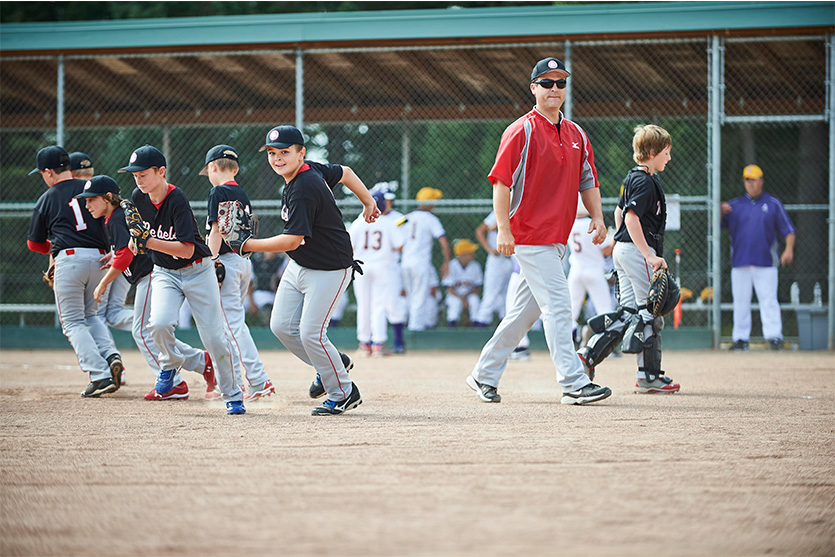
Coaching isn’t just about understanding the game of baseball. It’s about being a leader and a mentor. You are the compass that helps players find their way through their struggles and revel in their victories. Your job includes organizing practices, creating game plans, and above all, fostering a positive, supportive space for growth.
The Value of Setting Attainable Goals
Goal setting is a crucial aspect of coaching. It provides players with a clear path and something to work towards. When you set goals, make sure they are attainable and realistic. This keeps players inspired and boosts their confidence as they witness their improvement.
Think about using the SMART method for setting goals:
- Specific: Clearly define what you want to achieve.
- Measurable: Ensure you can track progress.
- Achievable: Set goals that are challenging yet attainable.
- Relevant: Align goals with the team’s objectives.
- Time-bound: Set a deadline to achieve the goal.
Building Trust with Your Players
Trust is the foundation of any successful team. Players need to feel comfortable and confident in their coach’s abilities. To build trust, communicate openly with your players, listen to their concerns, and always be honest with them. Show them that you care about their development both as players and individuals.
Additionally, remember that trust goes both ways. Allow your players to voice their thoughts and let them have a say in team decisions. This will make them feel valued and responsible.
How to Teach the Basics of Hitting
When it comes to baseball, hitting is one of the most important skills a player can have. As a coach, it’s your responsibility to make sure your players not only understand the basics of hitting, but that they are practicing them on a regular basis.

Basics of Grip and Stance
When it comes to swinging, the grip and stance are key. Encourage your team to hold the bat with hands that are loose and relaxed, gripping with their fingers instead of their palms. The stance should be balanced, with feet set apart the same distance as the shoulders and a slight bend in the knees.
Here’s a quick tip: Encourage players to feel comfortable and natural in their stance. It’s important for them to find a position that allows for fluid motion and quick adjustments.
Swing Mechanics 101
Swing mechanics are the foundation of a good swing. Encourage your players to keep their eyes on the ball, swing on a level plane, and follow through with their swing. Remind them that power comes from the entire body, not just the arms. For more detailed guidance, check out this proper stance foundation guide.
“A great swing is like a well-oiled machine, where every part works in harmony to achieve maximum efficiency.”
Eye Coordination and Timing
Eye coordination and timing are critical for making solid contact with the ball. Practice drills that help players track the ball from the pitcher’s hand to the bat. Encourage them to anticipate the pitch and adjust their timing accordingly.
For instance, practices like soft toss drills and batting tee exercises can enhance a player’s hand-eye coordination and timing. These exercises give players the chance to concentrate on the ball and make the necessary changes to their swing.
Making the Most of Bat Speed
Having a fast bat speed is key to getting a lot of power and making good contact with the ball. The faster the bat speed, the more force goes into the ball, which can increase the chances of hitting a home run. To help your players get better at bat speed, you should focus on strength training and the right swing mechanics.
Introduce workouts that strengthen the core, like medicine ball throws and rotation exercises. These workouts improve the muscles that are crucial during a swing. Also, instruct players on how to properly utilize their lower body, as the legs and hips are key for generating bat speed. For more on enhancing power, explore these hip rotation techniques.
Strategies for Hitting During Games
After the players have a firm grasp on the basics, the next step is to concentrate on strategies to use during games. These strategies will assist players in making wise choices at the plate and enhancing their overall performance.
Understanding the Pitcher’s Strategy
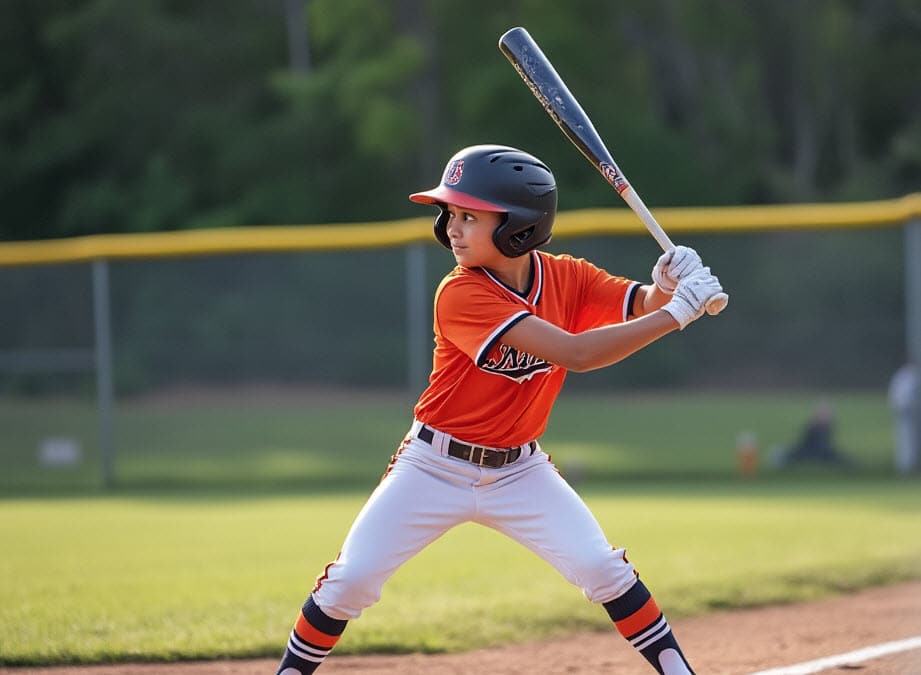
For a batter to be successful, they need to understand the pitcher’s strategy. Teach your players to look for patterns in the pitcher’s choices, like the types of pitches they throw and when they throw them. Tell them to watch the pitcher’s grip and where they release the ball, as these can give hints about what kind of pitch is coming.
Players can improve their batting average by studying the pitcher’s habits. This helps them predict what type of pitch is coming and adjust their swing as needed. This skill takes time to develop, but it can make a huge difference in a player’s performance at the plate.
Changing Stance According to Pitch Type
Each pitch needs a unique approach. Instruct your team to change their stance depending on the pitch they anticipate. For example, a slightly open stance can assist with outside pitches, while a closed stance may be more effective for inside pitches.
It’s also important for players to be adaptable and ready to make quick changes as necessary. This flexibility will help them deal with a variety of pitches and increase their likelihood of hitting the ball.
Strategic Lineup Placement
Placing players in the lineup in a strategic manner can play to their strengths and benefit the team as a whole. Take into account each player’s hitting style, strengths, and weaknesses when deciding where they should bat in the order.
For instance, you should put your quickest runners at the beginning of the lineup to utilize their speed. Position your power hitters where they can bring in runs, and your consistent contact hitters can help keep the momentum going in the lineup. For more insights on improving your team’s performance, consider exploring youth baseball practice drills that can enhance both speed and hitting consistency.
Improving the Psychological Aspect
Baseball is just as much a game of the mind as it is of the body. Players need to cultivate mental strength and tenacity to excel when batting. As their coach, you can assist them in honing these skills by providing practice and positive reinforcement. For additional guidance, consider exploring youth baseball coaching tips to further develop their mental and physical abilities.
Boosting Self-Belief When Batting
Assurance is essential for a player’s triumph. Motivate your players to have faith in their skills and rely on their practice. Bring to their attention their previous victories and aid them in picturing positive results.
Building confidence can be achieved through repetition. The more your players practice, the more they become comfortable with their skills. It’s also important to celebrate their achievements, no matter how small they may seem, to reinforce their confidence.
Handling High-Stress Scenarios
Stress is an inevitable part of baseball, particularly during pivotal points in the game. Help your players learn to maintain composure and concentration during high-stress scenarios. Remind them to take deep breaths, clear their thoughts, and concentrate on the task at hand.
Practicing different high-stress scenarios can also help players get ready for actual game situations. This practice will give them the skills they need to perform confidently when it really counts.
Building a Winning Attitude
Having a winning attitude can really boost a player’s game. Remind your players to concentrate on what they can manage and not to worry about what they can’t. Show them that obstacles are really chances to grow and learn.
First and foremost, make sure to remind them that making mistakes is a normal part of the game. Encourage them to take their mistakes as lessons to learn from and use them as a drive to get better. Having a positive mindset will help the players recover from their failures and keep their spirits high.
Developing a Successful Practice Regimen
Practice is the arena where players sharpen their abilities and get ready for matches. A well-organized practice regimen can be the determining factor in a player’s growth. Strive to design practices that are stimulating, demanding, and fulfilling. For more insights, explore these youth baseball practice drills.
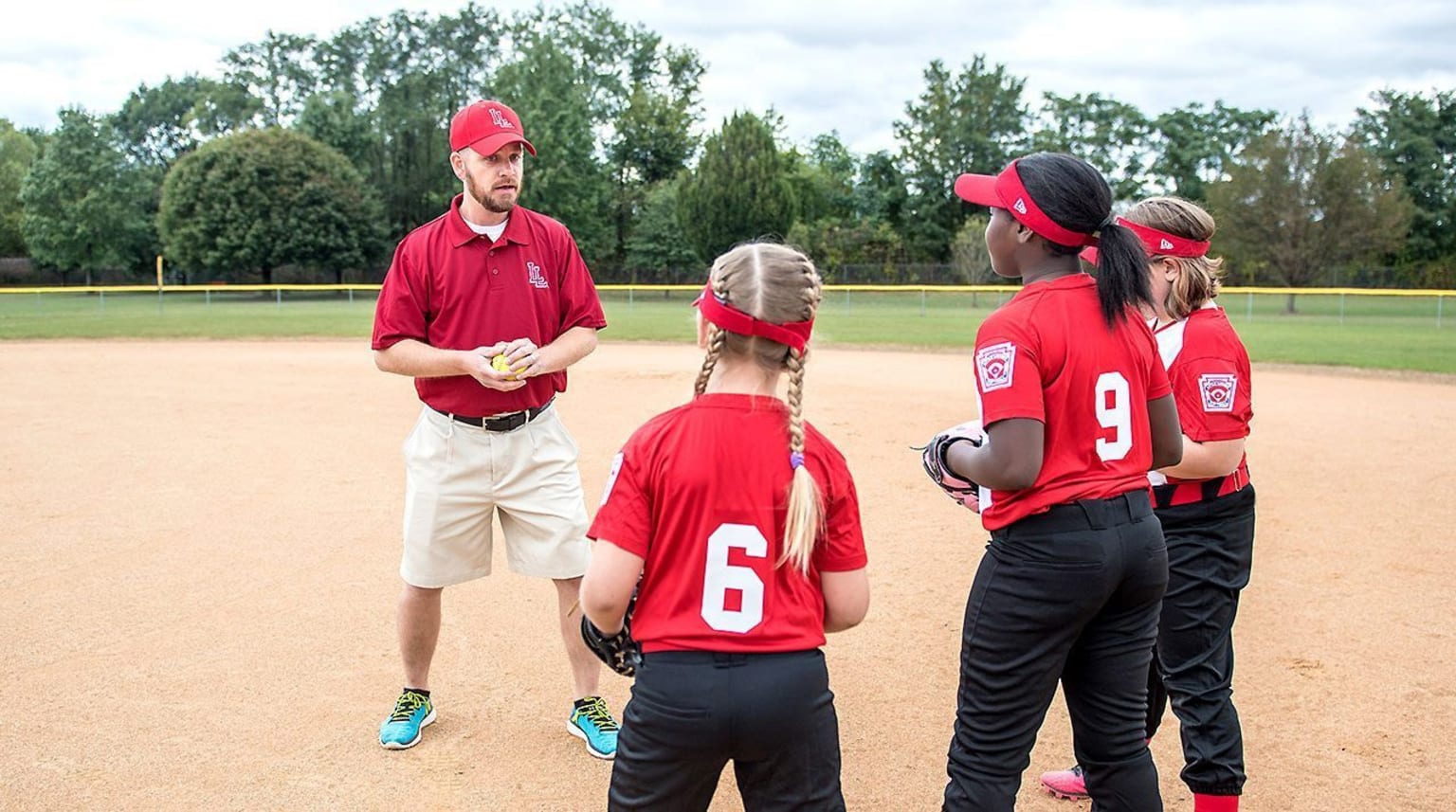
Make sure every practice has a specific goal and includes a variety of exercises and activities. Keep practices lively by changing up the exercises and including situations that mimic actual games.
Exercises for Improving Abilities
Exercises are crucial for enhancing players’ abilities and establishing muscle memory. Include a range of exercises that focus on various aspects of hitting, like swing techniques, bat velocity, and rhythm.
For instance, soft toss drills let players hone their hand-eye coordination, and batting tee exercises give them the chance to improve their swing mechanics. Make sure to change up the drills often to keep practices exciting and interesting.
Making Practice Fun and Engaging
It’s important to keep practices fun and engaging to keep players interested and motivated. Make learning fun by incorporating games and friendly competitions into your practice routine.
In addition, promote a sense of teamwork by encouraging players to cheer each other on during practice. This not only creates a positive atmosphere but also strengthens bonds between teammates.
Monitoring Progress and Development
- Establish specific objectives for each player and monitor their development over time.
- Employ video analysis to pinpoint areas for improvement in swing techniques.
- Offer consistent feedback and applaud minor accomplishments to maintain player motivation.
- Modify training regimens based on individual requirements and performance.
Monitoring progress is crucial to assist players in reaching their maximum potential. Begin by establishing precise, quantifiable objectives for each player. These objectives can be related to their batting technique, reliability, or mental strategy to the game. Regularly reassess these objectives and make modifications as necessary.
Using video analysis can be a great way to help players see where they need to improve. Try filming them during practice or games and then watch the video together. This will give them a chance to see their performance from a new angle and gain a better understanding of what they need to work on.
Moreover, consistent feedback is key to a player’s growth. Offer constructive feedback and pinpoint areas where the player has made progress. Applaud their achievements, regardless of how minor, to keep their spirits high and their confidence intact.
Lastly, be adaptable in your coaching style. Each player is different and may need different techniques to excel. Change your training drills based on each player’s needs and performance to make sure each player is getting the help they need.
Handling Parents and Their Expectations
Interacting with parents is a critical part of coaching youth baseball. It’s vital to keep the lines of communication open and manage expectations to foster a positive atmosphere for the players.
Parents can be a great asset for players, but they can also pose difficulties. It’s crucial to tackle any issues they might have and make sure they grasp your coaching approach and objectives for the team.
How to Communicate Effectively
One of the most important parts of coaching is ensuring that you are communicating clearly with the parents of your players. This can be done through regular meetings or updates about how the team is doing, what events are coming up, and any changes to when and where practices will be held. It’s also important to encourage parents to ask any questions they might have and to provide their own feedback. This will help to create a more collaborative environment.
Handling Feedback and Concerns
When dealing with concerns from parents, make sure to listen carefully and understand their point of view. Provide solutions and be open about your choices. This method helps establish trust and makes sure parents feel listened to and appreciated.
Building a Team Spirit
Establish a team spirit where parents, players, and coaches all work together to achieve the same goals. Encourage parents to support their children and the team by volunteering, attending games, or cheering on the team. For additional guidance, consider exploring youth baseball coaching tips to enhance your approach.
First and foremost, remind everyone that the main goal is the players’ growth and enjoyment of the game. A supportive community creates a positive atmosphere where players can excel.
Common Questions
When coaching youth baseball, you may be asked a number of questions by players and their parents. Here are some of the most common questions and answers to help you handle these situations.
What can I do to boost a player’s confidence at the plate?
Boosting confidence begins with positive reinforcement and setting attainable goals. Motivate players to concentrate on what they’re good at and applaud their accomplishments. Give constructive criticism and remind them that errors are a natural part of the learning experience.
What kinds of drills can help young hitters improve?
Some of the most effective drills include soft toss, batting tee exercises, and live pitching practice. These drills are designed to help improve swing mechanics, timing, and hand-eye coordination. Be sure to rotate drills regularly to keep practices engaging and challenging. For more detailed guidance, explore online hitting lessons and drills.
What are some ways to keep practices interesting and enjoyable?
Add some games and light-hearted contests into your practice schedule. Urge players to cheer each other on and foster a team spirit that’s all about positivity. Keeping practices diverse and lively will help keep players invested and driven.
What steps should I take if a player isn’t getting better?
When a player is having trouble getting better, take a look at their practice routine and see where changes could be made. Give them extra help and work on boosting their self-esteem. Keep pushing them to practice hard and remember to tell them that it takes time to see improvement. For effective strategies, consider incorporating youth baseball practice drills to enhance their skills.
How should I deal with parents who are worried about their child’s playing time?
When parents are worried about how much time their child is playing, it’s best to explain your thought process behind your decisions and stress the importance of developing their skills. It’s also helpful to encourage open conversations and give parents the chance to voice their opinions. Remember to stress the team’s objectives and the fact that each player has a unique role to play.

Leave a Reply