Main Points
- Hip rotation is vital for power in baseball and softball swings.
- Good hip rotation helps hitters get more distance and accuracy.
- Exercises like lunges and squats can help hip flexibility and strength.
- Doing drills that focus on hip movement can improve performance.
- Understanding how the body works can stop injuries and increase confidence.
In baseball and softball hitting, hip rotation is key to the power and efficiency of a player’s swing. A lot of young players focus mostly on their arms and hands, but the truth is that the hips are the swing’s power source. Good hip rotation can greatly increase the distance and speed of the ball after it’s hit. This is why it’s important to understand and practice hip rotation techniques to make your game better.
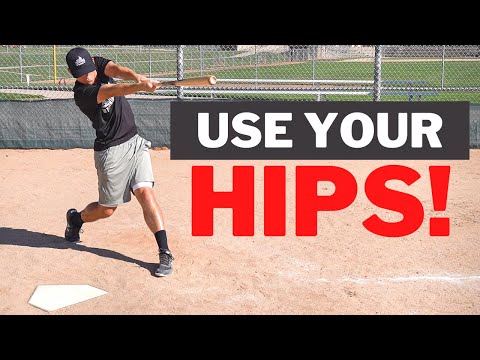
Let’s start with understanding the importance of hip rotation. The hips serve as a connector between the lower and upper body. When swinging, the energy that comes from the legs travels through the hips and then into the upper body, finally making its way to the arms and bat. If the hips aren’t rotating effectively, much of this energy is lost, leading to a weaker hit. So, perfecting hip rotation is not just helpful, but essential for any young hitter who wants to maximize their power.
Boosting your hip rotation involves a combination of exercises that increase both flexibility and strength in the hip region. Flexibility allows the hips to move freely through their full range of motion, while strength provides the power required for a strong swing. Lunges, squats, and hip bridges are great exercises for building these attributes. If you do these exercises regularly, you should see a significant improvement in your swing.
In addition to exercises, there are certain drills that can help young hitters enhance their hip rotation. One such drill that has proven to be effective is the “hip twist drill.” In this drill, players practice rotating their hips without moving their upper body. This allows them to focus on the hip movement and helps to reinforce the correct motion that is needed when swinging. By incorporating these types of drills into their regular practice, young athletes can develop a swing that is both more powerful and more efficient. For more tips on improving focus and technique, check out these focus training tips for young baseball and softball players.
It’s just as important to understand the body’s mechanics. Understanding how different body parts contribute to the swing can help prevent injuries and build confidence. For example, keeping the knees slightly bent during the swing can help with better hip rotation and balance. It’s about creating a fluid motion where all body parts work together in harmony.
Perfecting Hip Rotation with Drills
Drills are a vital component of becoming proficient in any athletic skill, and hip rotation is no different. The “closed stance drill” is one of the easiest and most effective drills. You begin this drill by standing with your feet together, then taking a small step forward with your lead foot, keeping it slightly closed. This position requires you to concentrate on using your hips to generate power, rather than relying on your arms.

Another valuable drill is the “step-back drill.” Begin in your normal batting stance, then take a step back with your rear foot before swinging. This backward step creates a natural coil in your hips, encouraging a strong rotational movement as you step forward to hit the ball. Consistent practice of these drills can engrain the correct hip movement into your muscle memory, making it second nature during games.
Strengthening the Core
While hip rotation is critical, it doesn’t work in isolation. The core muscles, which include the abdominals, obliques, and lower back, are vital for supporting the hips and maintaining balance during a swing. Strengthening these muscles can enhance your overall power and control.
Core exercises like planks, Russian twists, and medicine ball throws are excellent for building the necessary strength. A strong core provides a stable base for the hips to rotate around, allowing for a more explosive swing. It’s important to incorporate a variety of core exercises to ensure all muscle groups are targeted effectively.
Enhancing Flexibility
Flexibility, though frequently ignored, is vital for successful hip rotation. Stiff hips can limit movement and result in ineffective swings. Stretching exercises such as hip flexor stretches, butterfly stretches, and seated leg stretches can aid in increasing flexibility. It’s a good idea to include these stretches in your daily routine, particularly after workouts or games, to keep your hips as mobile as possible.
Besides traditional stretching, yoga can also be an excellent way to improve flexibility. Poses like the “pigeon pose” and “warrior pose” specifically target the hips and can help loosen tight muscles. Regular practice can lead to greater freedom of movement and a more fluid swing.
Conclusion
Hip rotation is a fundamental aspect of hitting in baseball and softball that can greatly influence a player’s performance. By focusing on strengthening the hips and core, practicing specific drills, and improving flexibility, young athletes can enhance their swing power and accuracy. Remember, consistent practice and understanding the mechanics of your body are key to unlocking your full potential as a hitter.
Anyone can enhance their hip rotation and overall game performance with the right techniques and a little dedication. These tips will assist you in your journey to becoming a more powerful hitter, whether you’re a beginner or an experienced player looking to improve your skills.

Leave a Reply