Guiding young baseball and softball players involves more than just showing them how to play the game. It’s about instilling a passion for the sport, cultivating character, and nurturing abilities that will benefit these young players in all areas of life. Whether you’re an experienced coach or a beginner, these tips and techniques will assist you in motivating and guiding your team to victory.
Key Points
- Concentrate on teaching basic skills like hitting, pitching, and fielding to establish a solid foundation.
- Establish a positive and supportive atmosphere that encourages learning and fun.
- Include enjoyable and interactive drills to keep interest high and enhance skills.
- Communicate effectively with both players and parents to create a supportive team environment.
- Constantly improve your coaching skills and stay current with the most recent techniques and strategies.
Understanding the Role of a Youth Baseball Softball Coach
Being a youth baseball or softball coach means wearing many hats. You’re not just a teacher; you’re also a mentor and a role model. It’s important to remember that the main goal is to help young players improve their skills while also making sure they’re having fun. Keep in mind that the lessons they learn on the field often become life lessons.
Training the Basics
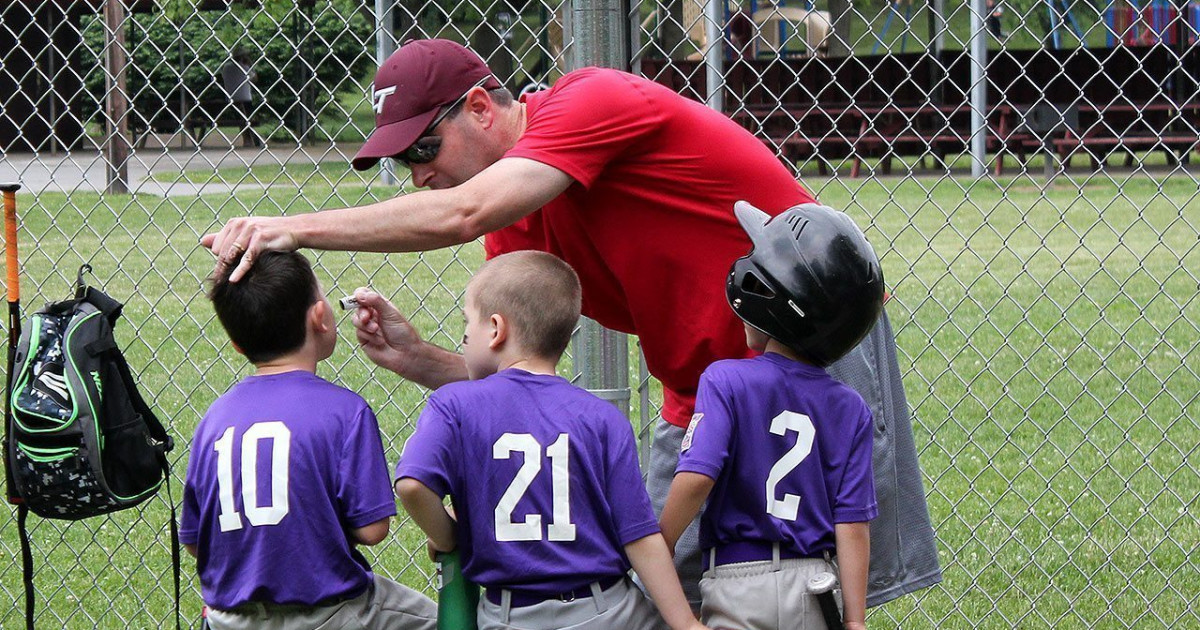
Training the basics is vital. Begin with the basics, as they are the foundation of any player’s growth. Concentrate on basic abilities such as hitting, catching, throwing, and running. Use straightforward language and explicit demonstrations to ensure that each player comprehends the directions. Patience is crucial; not every youngster will comprehend a concept right away, and that’s perfectly fine.
Creating a Positive Atmosphere
It’s crucial to foster a positive atmosphere for the growth and development of young athletes. Promote teamwork and good sportsmanship by celebrating victories and learning from losses. A positive environment not only raises spirits but also improves performance. Establish clear expectations and be consistent with your feedback, making sure it’s helpful and encouraging. For more insights, consider exploring growth mindset tips for young baseball and softball players.
Basic Skills and Techniques
With the right coaching environment in place, it’s time to focus on the basic skills and techniques that every young baseball or softball player should know. These basics are the stepping stones to more advanced skills and are vital to a player’s overall growth.
The Art of Hitting
One of the most thrilling parts of baseball and softball is hitting. Make sure to teach your players about the significance of their stance, grip, and how they swing. Remind them to always keep their eye on the ball and to stay balanced when they swing. A swing that is both controlled and powerful is much more successful than one that is wild and lacks coordination.
Try this easy drill to better hitting techniques: Position a tee and let players practice hitting balls off it. Pay attention to their stance and swing, providing feedback and adjustments as necessary. Eventually, you’ll see improvements in their accuracy and power.
Basics of Pitching
Pitching is also a key skill that needs careful attention and practice. Make sure to emphasize the importance of grip, stance, and follow-through. Teach your players to keep their eye on the target and to have a consistent motion. Keep in mind, control is more important than speed at this level.
Teach basic pitching exercises to assist players in honing their skills. Have them practice throwing at a target, for instance, and slowly increase the distance as they get better. This will boost their confidence and precision over time.
Fielding 101
Fielding is a combination of anticipation and reaction. Train your players to stay low, keep their eyes on the ball, and use both hands to secure it. Remind them to keep their feet moving and to position themselves correctly for efficient playmaking.
Make use of enjoyable and stimulating exercises to improve fielding skills. For example, organize a game in which players must field ground balls and accurately throw them to a specific target. This not only enhances their fielding skills but also introduces a competitive and thrilling aspect.
Establishing Skills
Base running is a basic part of the game that needs quickness, nimbleness, and clever choices. Instruct your team on how to take a suitable lead-off, slide without harm, and make snap judgments while on the run. Use exercises that imitate actual game scenarios to aid them in honing these abilities in a practical setting.
- Train on running from one base to another, emphasizing swift starts and stops.
- Teach sliding methods, making sure players comprehend the significance of safety and control.
- Recreate game situations where players have to determine whether to move forward or stay put.
Concentrating on these basic skills and methods will assist your players in establishing a solid foundation that will benefit them as they advance in the sport. Keep in mind that practice makes perfect, so promote regular effort and commitment.

Boosting the Mental Game
On top of physical abilities, building the mental game is critical for young athletes. Self-confidence, concentration, and tenacity are essential elements of a robust mental game. Motivate players to picture success and keep an optimistic attitude, even when they encounter obstacles. Instruct them to establish realistic goals and commemorate minor triumphs as they progress.
Boosting the mental game can be achieved through positive reinforcement. Applauding effort, not just results, and motivating players to learn from their errors can help build their confidence and better equip them to deal with high-pressure situations.
Planning a Productive Practice
Maximize skill development and keep players engaged by planning productive practices. A good practice balances skill drills, game scenarios, and conditioning exercises. Start with a warm-up to prepare the players, then move on to focused skill work, and finish with a fun activity or scrimmage to apply what they’ve learned.
Here’s an easy-to-follow template to help you plan your practice sessions:
- Warm-up (10 minutes): Dynamic stretches and light jogging.
- Skill Drills (30 minutes): Focus on hitting, pitching, or fielding, depending on the day’s emphasis.
- Game Scenarios (20 minutes): Simulate real-game situations to apply skills.
- Conditioning (10 minutes): Agility drills or base running.
- Cool Down & Review (10 minutes): Stretching and discussing the practice highlights.
By structuring your practices in this manner, you ensure that each session is productive and enjoyable for the players. This approach helps maintain their interest and encourages continuous improvement.
How to Develop an Effective Baseball Practice
What makes a baseball practice successful is when players leave feeling satisfied and eager to come back. To make this happen, focus on variety and challenge. Regularly incorporate new drills to keep practices interesting and engaging. Promote healthy competition through small-sided games or challenges, which can increase motivation and teamwork.
For example, you might want to create a hitting contest in which players try to hit as many targets as possible. This can help improve their hitting precision while also making the game more enjoyable and competitive.
The Job of a Second-in-Command Coach
A second-in-command coach is crucial in aiding the head coach and boosting the team’s performance. They assist with conducting drills, providing individual feedback, and handling logistics during practices and games. It’s crucial for second-in-command coaches to talk effectively with the head coach to guarantee a unified coaching strategy.
In addition to this, assistant coaches can concentrate on forming robust relationships with players, offering extra support, and assisting them in overcoming obstacles. Their participation can have a substantial influence on a player’s growth and the overall team dynamic. For those looking to enhance their coaching strategies, exploring mental toughness strategies can be particularly beneficial.
Effective Use of Drills
Drills are a crucial part of skill development, but they need to be used effectively to work. Concentrate on doing a few drills well instead of trying to cram in as many as possible. Drills should be designed to target areas that need improvement and should be modified as the team progresses.
Drill Example: “Around the Horn”
This exercise enhances the precision of throws and promotes collaboration among team members. The players arrange themselves in a square and toss the ball to each other in a specific order. Time the exercise and motivate the team to finish it more quickly without making mistakes.
It’s important to give feedback and make changes during drills. Watch your players carefully and give them helpful tips to improve their skills. This way, the drills will be meaningful and will result in real progress.

Keeping the Game Enjoyable
First and foremost, the game should be enjoyable. When players are having fun, they’re more likely to stay focused and motivated to get better. Keeping things fun doesn’t mean you have to sacrifice skill development; it means you should incorporate fun elements into practices and games.
How to Keep Youth Engaged
Try out some fun games and activities that incorporate key skills while keeping the mood fun and light. For instance, a “Home Run Derby” can help improve hitting power and accuracy, while a “Relay Race” can help improve base running skills.
Stimulate innovation by letting the players propose their preferred games or exercises. This not only boosts their engagement but also promotes a feeling of responsibility and enthusiasm for the training sessions.
The Role of Fun in Developing Skills
Having fun is a crucial element in developing skills. When players are enjoying themselves, they are more likely to work hard and practice regularly. This results in improved skill retention and a more positive learning attitude.
First and foremost, a happy environment minimizes stress and worry, enabling players to perform at their peak. As a coach, your goal should be to create an environment where players feel appreciated, supported, and eager to learn.
What You Need to Do as a Coach
Knowing what you need to do as a coach is very important for making a team that works well and is happy. The way you lead makes the team’s feel and how it works.
Grasping Your Duties as a Coach
As the coach, you are in charge of guiding your team to victory. This means setting goals, creating game plans, and making sure everyone on the team, including other coaches, players, and parents, are on the same page. Don’t wait for problems to come to you, be on the lookout for any that may arise and promote a team culture of respect and teamwork. For more insights, explore these growth mindset tips for young baseball and softball players.
Show your team the way by exemplifying the qualities and actions you want to see in them. Be on time, be prepared, and always be a good sport. When you do these things, your team will want to do them too.
Engaging Parents Effectively
Parents play a crucial role in youth sports. Engage them effectively by keeping them in the loop about team activities and encouraging them to show their support during games and practices. Good communication is vital; provide regular updates and address any issues they might have.
Urge parents to lend a hand in team activities, like planning events or helping out with logistics. This helps to build a community and shared responsibility, making the experience better for players and their families.
Further Learning
If you want to keep improving as a coach, there are plenty of resources available. You could go to coaching clinics, join online forums, or read books and articles about coaching techniques. These resources can give you helpful tips and fresh strategies to make you a better coach.
Think about becoming part of a coaching group or community where you can exchange stories and gain knowledge from others. This collective method helps you keep up with the newest trends and top methods in youth baseball and softball coaching.
Top-Tier Choices for Improving Skills
For those who want to go above and beyond in their coaching, there are premium options that offer more advanced resources and techniques. You might want to think about taking some specialized coaching courses that concentrate on certain parts of the game, like how to hit the ball or strategies for pitching. These courses usually give you a deeper understanding and let you learn from professionals in the field.
Alternatively, you might consider investing in tech tools that can improve training, like video analysis software. This tool lets you break down player techniques and provide detailed feedback, which can help players improve their skills more effectively. Plus, joining professional coaching associations can offer access to exclusive content, networking opportunities, and continuing education.
The Ultimate Guide to Bats Academy
Are you a youth baseball or softball coach looking for a one-stop shop for all your training needs? Look no further than Bats Academy. With a wide array of instructional videos, drills, and practice plans for all skill levels, this platform has everything you need to take your team to the next level. Whether you’re working with beginners or more seasoned players, Bats Academy is your go-to resource for improving your team’s skills and performance. For additional resources, check out these youth baseball hitting drills that can enhance power and contact.
Take advantage of the resources available through Bats Academy to keep your practices organized and efficient. The academy also provides advice on how to manage the dynamics of your team and foster a positive atmosphere, both of which are key to achieving sustained success. Incorporate these resources into your coaching strategy to help your team reach their full potential.
Wrapping Up
Guiding young baseball and softball players is a fulfilling journey that demands commitment, tolerance, and a love for the sport. By honing basic skills, fostering a constructive atmosphere, and constantly enhancing your coaching methods, you can motivate budding sportspeople to attain their maximum capabilities. Bear in mind, your impact goes further than the pitch, molding players’ personalities and abilities for life.
Remember, as you start this coaching adventure, that the key is to have fun, communicate, and work together. If you can inspire a passion for the game and help your players improve, you’ll not only have a winning team, but you’ll also make lasting memories and have a positive impact on their lives.
Important Points and Closing Remarks
- Focus on basic skills to provide a solid foundation for players.
- Establish a positive and supportive environment to enhance team spirit and performance.
- Use enjoyable and interactive drills to keep interest high and improve skill development.
- Communicate well with players and parents to create a unified team environment.
- Always look for ways to improve and stay current with coaching methods.
Commonly Asked Questions
As a coach, you may be faced with a variety of questions from players, parents, and even yourself. Here are some frequently asked questions and advice on how to answer them effectively.
What makes a good youth baseball coach?
Being a good youth baseball coach is about more than understanding the game. It’s about building strong relationships with your players, fostering a team spirit, and teaching good sportsmanship. It’s about being patient and flexible, adjusting your coaching style to fit each player. And above all, it’s about inspiring a love of the game by making practices fun and rewarding. For insights into enhancing your coaching techniques, consider exploring mental toughness strategies for youth players.
What’s the best way to organize a little league practice?
When planning a little league practice, you want to strike a balance between skill-building, game situations, and just plain fun. Always begin with a warm-up to get the kids ready to play and focused. Next, move on to drills that target specific skills they need to work on. Then, create game situations so they can use the skills they’ve been working on in a real game context. Finish up with a cool-down period and a review of what they’ve learned.
It’s important to keep practices lively and interesting, using a range of drills and activities to keep players interested. Encourage players to give feedback and include them in the planning process to foster a sense of responsibility and dedication.
What are the manners expected of baseball coaches?
Baseball coaching manners include showing respect, professionalism, and sportsmanship at all times. You should set a good example by treating players, officials, and opposing teams with respect. You should communicate clearly and constructively, avoiding negative or overly critical language. You should encourage fair play and emphasize the importance of teamwork and cooperation.
Also, make sure to always be on time and ready for practices and games, and make sure your team does the same. By sticking to these rules, you help create a positive and respectful team environment.
What are some tips for coaching beginner Little League baseball?
If you’re coaching beginner Little League baseball, remember to be patient and focus on the basics. Start with introducing the players to fundamental skills like throwing, catching, and hitting. Make sure to use simple language and demonstrate the skills so that the players can understand. To keep the players engaged and build their confidence, use fun drills and games.
Encourage your players to enjoy the learning process and to celebrate their progress, no matter how small. Be supportive and provide positive reinforcement to build self-esteem and motivation. As your players develop, gradually introduce more advanced skills and strategies.
What skills should you prioritize in youth softball?
The skills you should prioritize in youth softball are hitting mechanics, pitching techniques, fielding basics, and base running. Stress the importance of a proper stance, grip, and follow-through in both hitting and pitching. Train players to anticipate plays and react quickly on the field.
Include exercises that mimic actual game scenarios to assist players in applying their abilities in context. Also, concentrate on fostering teamwork and communication, which are crucial for effective gameplay.
What’s the best way to handle challenging parents?
Clear communication and understanding are key to handling challenging parents. Make sure to set the stage early by explaining your coaching philosophy and what you hope to achieve with the team. Keep parents in the loop about what’s happening with the team and how they’re progressing, and respond to any issues they bring up quickly and with respect.
Make sure to promote open communication and be open to listening to what the parents have to say. If any issues come up, handle them in a calm and professional manner, focusing on finding solutions that are beneficial for the team and the players. By promoting a positive relationship with the parents, you are creating a supportive environment for the development of your players.

Leave a Reply