Summary
- Boosting bat speed in softball can significantly improve a player’s hitting power and overall game.
- Correct grip and hand placement are key for control and speed generation.
- Effective drills, like tee drills and soft toss, help develop accuracy and speed.
- Weighted bat exercises can enhance strength and bat speed, but should be used with caution.
- Strength and conditioning exercises, particularly for the core, are key for power development.
The Role of Bat Speed in Youth Softball
Bat speed is a critical component in softball that can dictate how far and fast the ball goes after being hit. For younger players, particularly girls aged 8-12, building good bat speed is crucial for improving their overall game. By boosting bat speed, players can hit the ball harder, making it more challenging for opponents to field. This skill not only raises a player’s self-assurance but also makes them a more significant contributor to their team.
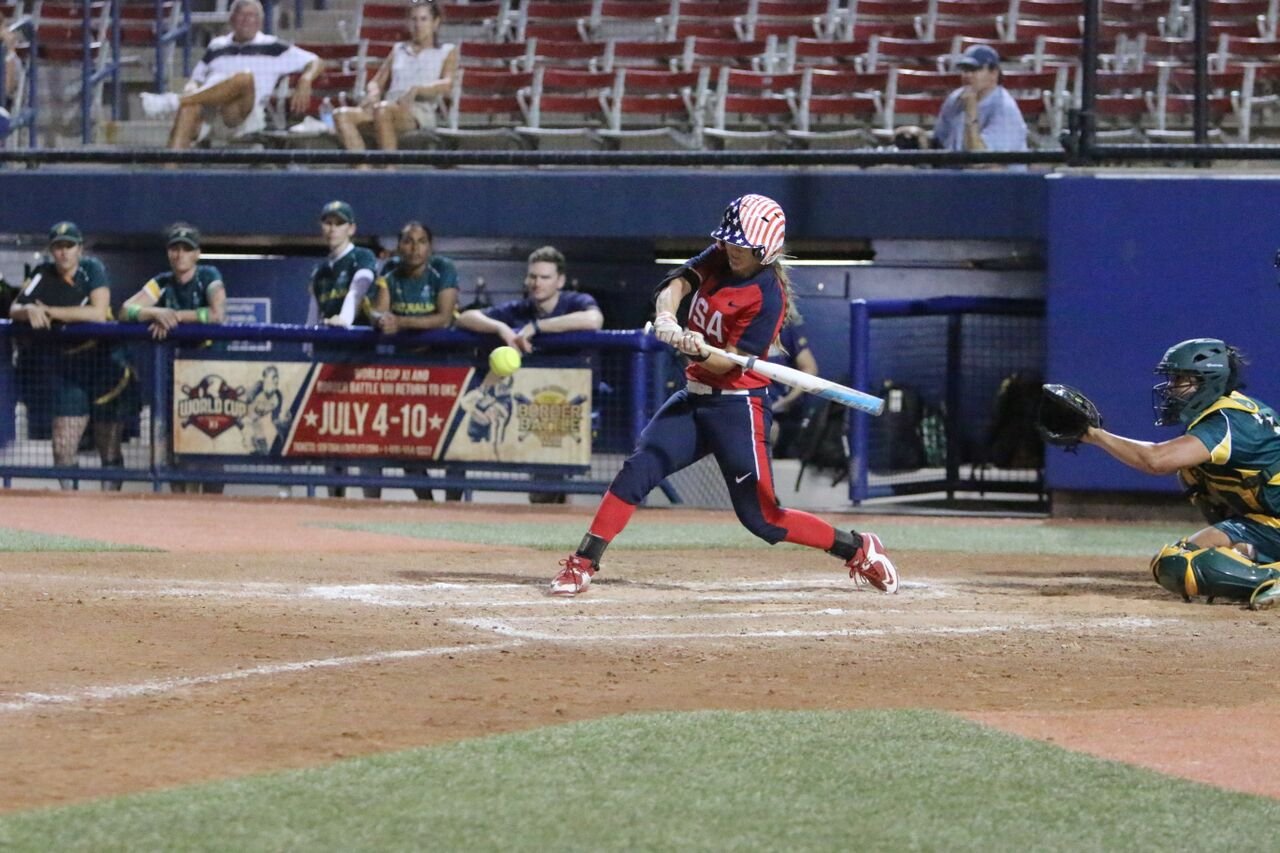
The Impact of Bat Speed on Performance
Swinging the bat at a faster speed allows the ball to travel a greater distance. This is due to the fact that the bat’s speed at the point of contact with the ball directly influences the force applied to the ball. Essentially, the quicker the bat moves, the more energy is transferred to the ball. This translates to more home runs, more base hits, and ultimately, more team victories. Additionally, enhancing bat speed can aid players in responding more rapidly to pitches, enabling them to adjust their swings and hit the ball more frequently.
Why Bat Speed Matters for Young Players
There are several reasons why focusing on bat speed is important for young players. For starters, it helps them build a solid foundation in hitting mechanics, which is key as they progress in the sport. In addition, it encourages them to use their entire body in the swing, which promotes overall athleticism and fitness. Last but not least, it can make the game more fun and rewarding, as players see noticeable improvements in their ability to hit the ball effectively.
Understanding the Basics of Swing Mechanics
Before we start with specific drills and exercises, it’s crucial to first grasp the basics of swing mechanics. A good swing consists of several key components, such as grip, stance, and swing path. Each of these factors is vital in increasing bat speed and hitting power. For additional resources, consider exploring swing aids and trainers that can help refine these components.
How to Hold the Bat
The way a player grips the bat can have a big impact on their swing. A light grip with the fingers, not a tight grip with the palms, is recommended. The hands should be close together, with the stronger hand on top. This helps to create a fast, smooth swing, which is key to increasing bat speed. A proper grip also helps to keep the bat on the correct path to the ball, rather than letting it twist or turn. For more tips on improving your swing, check out these swing aids and trainers.
Position and Stability
Having a steady position is crucial for producing strength and keeping control while swinging. Athletes should position themselves with their feet as wide as their shoulders, their knees a bit bent, and their weight divided equally. The rear foot should be a bit behind the front foot, enabling the athlete to rotate and create momentum. A steady position assists athletes in keeping their stability as they swing, guaranteeing that all their power is aimed at the ball.

The Right Way to Swing
The swing path is the course the bat takes as it moves through the hitting zone. The right swing path is flat and straightforward, allowing the player to make solid contact with the ball. To get this, players should concentrate on keeping their hands inside the ball and leading with the knob of the bat. This helps make sure that the bat travels in a straight line, increasing the chance of making contact.
- Ensure the bat remains level while in the hitting zone.
- Lead the swing with the hands and the bat’s knob.
- Concentrate on hitting the ball’s center.
Productive Drills to Enhance Bat Speed
Now that we’ve gone over the basics, let’s delve into some productive drills to enhance bat speed. These drills aim to increase accuracy, strength, and overall batting skills. By incorporating these drills into regular training, young athletes can develop the skills necessary to thrive in the sport.
Keep in mind, practice makes perfect. Consistent repetition of these drills will result in progress over time. For additional guidance, consider exploring remote softball hitting coaching to enhance your skills.
- Consistent practice is key, always with an emphasis on technique.
- Start out slowly, then gradually build up speed.
- Listen to feedback and make adjustments as necessary.
Tee Drills for Accuracy
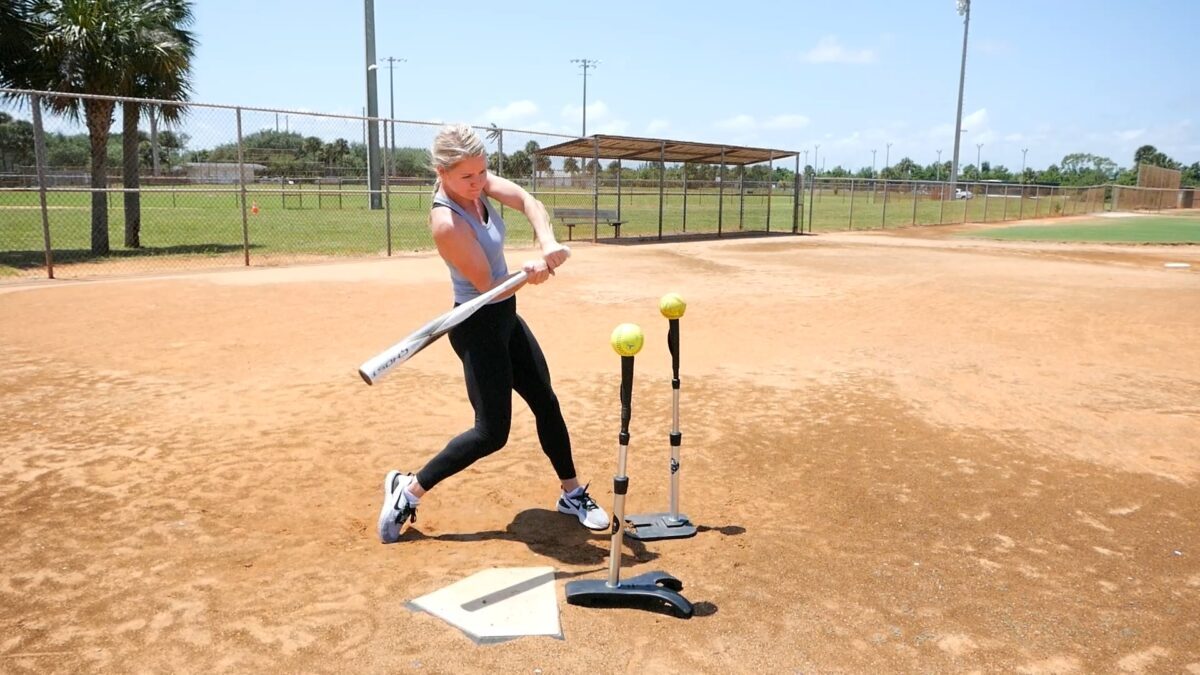
Tee drills are an excellent way to practice hitting mechanics and bat speed in a controlled setting. By practicing with a tee, players can concentrate on their swing without the stress of a moving pitch. This gives them the opportunity to make adjustments and perfect their technique.
This is how you do a basic tee drill:
- Put a batting tee at home plate and adjust the height to fit the player’s strike zone.
- Place a ball on the tee and stand in a balanced position.
- Try to hit the center of the ball with a level swing.
- Keep swinging, aiming to be consistent and accurate.
With regular practice of these tee drills, players can build muscle memory and increase their bat speed over time.
Practicing Soft Toss and Front Toss Drills
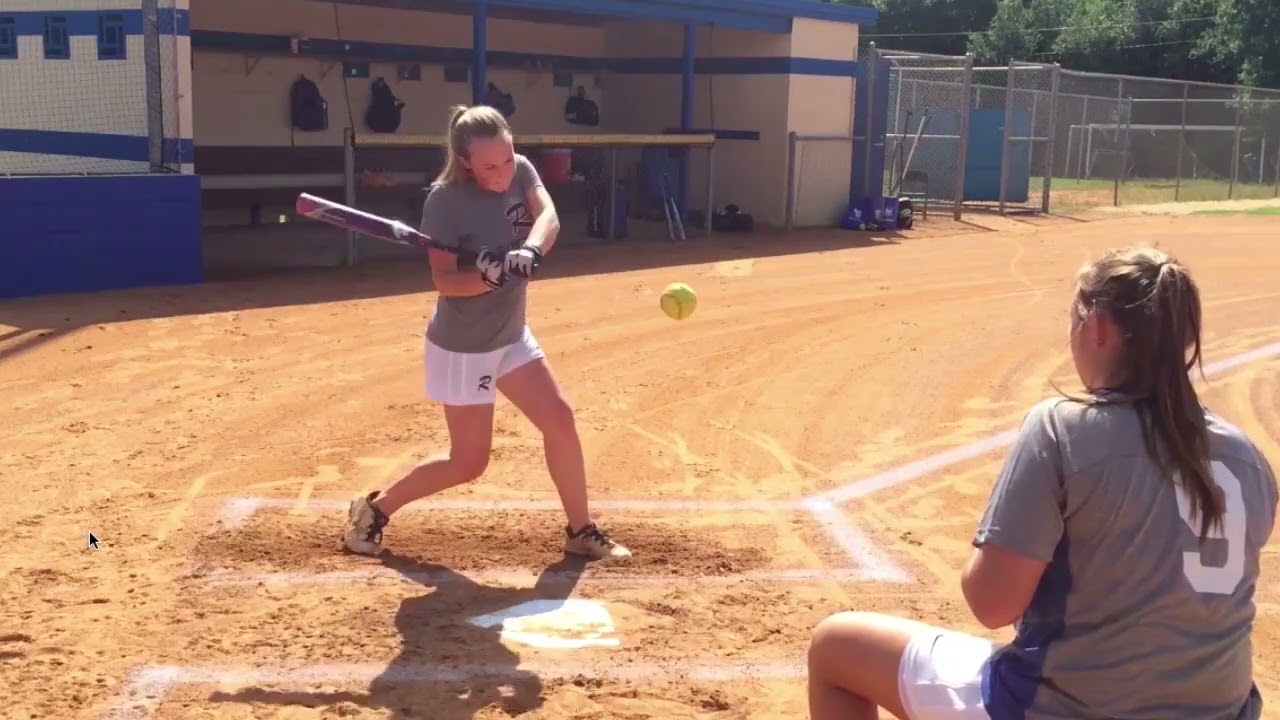
By practicing soft toss and front toss drills, players can improve their timing and bat speed. These drills are done with a partner who tosses the ball underhand, which lets the player practice swinging in a setting that’s more dynamic.
Regarding soft toss drills:
- Position yourself a couple of feet away from a teammate or trainer who will underhand toss the ball.
- Concentrate on hitting the ball with a swift, level swing.
- Do the drill over and over, fine-tuning the swing as required to boost precision and speed.
Front toss drills are comparable, except the teammate or trainer is in front of the player, tossing the ball overhand. This imitates a real game situation and further improves timing and bat speed.
Using the Right Tools
The right training aids and equipment can make a world of difference when it comes to improving bat speed for young softball players. They can help players develop the right mechanics, build strength, and improve their overall performance. It’s important to choose equipment that’s appropriate for the player’s age and skill level to make sure they’re getting the most out of their practice sessions.
There’s a ton of training equipment out there, from batting tees to swing trainers. Each piece of equipment has its own special use and can be added to regular practice routines to help players get better.
Aside from training aids, choosing the right bat is key to maximizing bat speed. The bat should be the right size and weight for the player, allowing them to swing comfortably and efficiently. For more guidance, check out this best youth fastpitch softball bat resource.
Finding the Perfect Bat
Finding the perfect bat is crucial to developing bat speed. If the bat is too heavy or too light, it can negatively impact a player’s swing and overall performance. When picking out a bat, you should take into account the player’s age, height, and strength. The bat should feel comfortable and balanced in their hands.
- Make sure the bat is the correct size, usually reaching the player’s hip when standing up straight.
- Pick a bat with a weight that the player can swing easily without losing grip.
- Think about testing out different materials, like aluminum or composite, to see what the player prefers.
Keep in mind, the correct bat can greatly improve a player’s capacity to create speed and force.
Using Swing Trainers
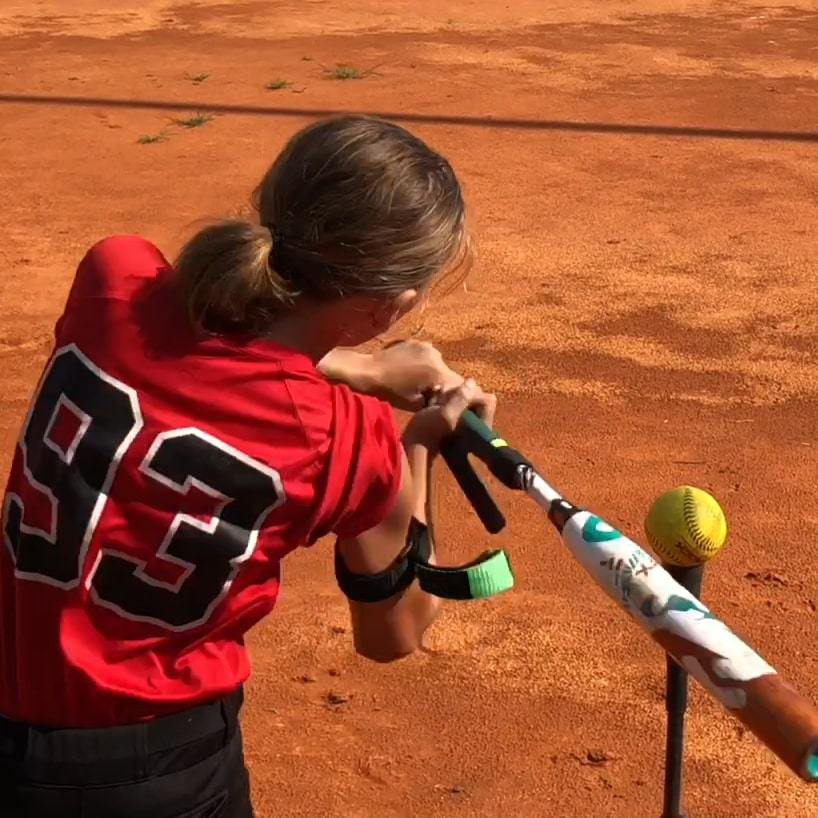
Swing trainers are a useful tool for enhancing bat speed and swing mechanics. They assist players in developing the correct form and muscle memory, enabling them to make strong and efficient swings. Swing trainers are available in a variety of forms, such as weighted bats, resistance bands, and mechanical devices that guide the swing path. For more information on these tools, check out this guide on softball and baseball swing aids.
Girls can improve their swing by using swing trainers during practice. Swing trainers help players focus on specific parts of their swing, like hand speed, follow-through, and balance. Over time, this focused training can help improve bat speed.
Adding Strength and Conditioning to the Mix
Strength and conditioning play a key role in increasing bat speed. The stronger a player is, especially in the core and upper body, the more power and speed they can put into their swing. Conditioning not only helps with this, but it also increases a player’s overall athleticism, which can improve their performance in the game. For more on enhancing performance, explore these youth baseball coaching tips.
Building Power with Core Exercises
Core muscles are key to a powerful softball swing. By strengthening these muscles, you can increase your bat speed and hitting power. Core exercises should target the abdominal, lower back, and hip muscles, creating a strong base for the swing. For additional training, consider exploring swing aids and trainers that can further enhance your performance.
A few great exercises for the core include using swing aids and trainers.
- Planks: Keep the plank pose for half a minute to a minute, focusing on the core muscles.
- Russian Twists: Sit on the floor with knees bent, and twist the torso from one side to the other while holding a weight.
- Medicine Ball Throws: Use a medicine ball to perform explosive throws against a wall, focusing on the core muscles.
By incorporating these exercises into a regular workout routine, players can build the strength they need for powerful swings.
It’s crucial that these exercises are done correctly to avoid hurting yourself and to get the most out of them. Start with lighter weights and slowly work your way up as you get stronger.
Training for Flexibility and Agility
Having a swing that is both efficient and fluid is dependent on flexibility and agility. By becoming more flexible, players can increase their range of motion, which can lead to more speed and power. Training for agility helps players move quickly and efficiently, both in the batter’s box and on the field. For more on improving your swing, check out these swing aids and trainers.
Here are some drills to improve flexibility and agility:
- Dynamic Stretching: Get your muscles ready for practice with dynamic stretches like leg swings and arm circles.
- Yoga: Improve your flexibility and balance with yoga poses like downward dog and warrior.
- Agility Ladder Drills: Boost your speed and coordination with quick footwork drills on an agility ladder.
Working on your flexibility and agility can help you become a better athlete and perform better on the field.
Workouts to Enhance Arm Velocity
Another crucial aspect in increasing bat speed is arm velocity. Players can swing the bat more rapidly and forcefully by strengthening their arms and shoulders. Here are some efficient workouts to enhance arm velocity:
- Resistance Band Exercises: Engage in resistance band exercises that focus on the arms and shoulders, like shoulder presses and bicep curls.
- Push-ups: Do push-ups to develop strength in the arms, shoulders, and chest.
- Medicine Ball Slams: Use a medicine ball for explosive slams to work the upper body muscles.
These exercises should be done consistently as part of a well-rounded strength and conditioning routine. As with any exercise, maintaining proper form is key to preventing injuries and ensuring effectiveness.
Goal-Setting and Progress Tracking
Young players who want to improve their bat speed need to set goals and track their progress. This gives them a clear path to follow and keeps them motivated and focused. It also lets them see what they need to work on and adjust their training as needed.
Monitoring Progress
It’s important to monitor progress during training. Players can use different methods to gauge their progress, like using a radar gun to measure swing speed or a stopwatch to time their swings. These measurements offer important feedback, showing players the results of their hard work.
Furthermore, keeping a training diary can enable players to reflect on their progress and set new targets. By recording their workouts and tracking progress, players can stay organized and motivated during their training journey.
Creating Attainable Goals for Youth Athletes
It’s crucial to create goals that are realistic and achievable when working with youth athletes. Goals should be specific, measurable, and have a set deadline, giving players a clear target to aim for. For instance, a player may aim to improve their bat speed by 5 mph over the next three months.
Here are some tips for setting effective goals:
- Begin with minor, attainable objectives that encourage self-assurance and forward momentum.
- Recognize accomplishments and significant events to keep the players inspired.
- Consistently reevaluate and modify objectives as required to guarantee ongoing improvement.
By establishing achievable objectives, players can remain concentrated and dedicated to their development, ultimately enhancing their bat speed and overall performance.
Fun and Exciting Practices for Young Girls
For young players, it’s important to keep practice sessions fun and exciting. Coaches and parents can keep players interested and eager to train by incorporating enjoyable and challenging activities. Fun and exciting practices not only help improve skills but also help develop a passion for the game. For additional tips, consider exploring bunting technique improvement tips to add variety to practice sessions.
Here are some tips for making your practices more fun:
- Keep things interesting by incorporating a variety of drills and activities.
- Add an element of fun and excitement by using games and competitions.
- Build a positive and supportive environment by encouraging teamwork and camaraderie among players.
How to Make Practice Fun and Rewarding
One way to make practice fun is to incorporate games and challenges that encourage players to push themselves and have fun at the same time. For example, you can set up a home run derby or a target-hitting competition to motivate players to improve their skills while enjoying some friendly competition.
Also, giving positive feedback and rewards for trying hard and getting better can make practice more enjoyable. Acknowledging the players’ hard work and accomplishments helps them gain confidence and motivates them to keep trying.
Promoting Team and Personal Challenges
Supporting both team and personal challenges can assist players in honing their skills while also cultivating a sense of team spirit. Team challenges, like relay races or group hitting contests, foster teamwork and communication. Personal challenges, like personal records or skill benchmarks, motivate players to concentrate on their personal growth.
By adding these drills to their training, players can keep their motivation high and their focus sharp, which will ultimately lead to a better bat speed and improved performance. For more specialized techniques, consider exploring youth fastpitch softball bat hitting lessons to enhance their skills further.
Advice for Coaches and Parents
Coaches and parents are vital in helping young players grow their abilities and self-assurance. With the correct advice and backing, they can assist players in bettering their bat speed and general performance. It’s key to establish an uplifting and supportive atmosphere that encourages growth and progression.
Helping Your Child Improve at Home
Home practice can make a big difference in a young player’s game. A simple practice area with a batting tee and net can help players work on their swing in a low-pressure environment. Practicing regularly at home helps reinforce what they’ve learned at team practice and build muscle memory. For additional guidance, consider exploring remote hitting coaching options.
- Recommend practicing every day, even if it’s only for a short time.
- Offer advice and feedback to help players make changes.
- Acknowledge progress and accomplishments to keep players inspired.
Establishing a supportive home environment enables players to improve their skills more efficiently and gain faith in their abilities. For more tips, check out these softball hitting tips for beginners.
Giving Support and Constructive Criticism
Support and constructive criticism are key to boosting a player’s self-esteem and drive. By acknowledging hard work and improvement, coaches and parents can make players feel appreciated and backed. It’s crucial to concentrate on the good and offer helpful criticism to aid players in getting better.
When providing feedback, be specific and actionable. Point out what the player is doing well and provide suggestions for how they can improve. This method helps players recognize their strengths and areas where they can grow, motivating them to keep working hard.
Building a Positive and Encouraging Atmosphere
It’s essential to create an environment where young players feel comfortable and supported in order to foster a love for softball and promote skill development. Coaches and parents need to work together to create a positive atmosphere where players are encouraged to take risks and learn from their mistakes.
Stress the importance of teamwork and good sportsmanship, and motivate players to root for and uplift each other. When players feel a sense of unity and belonging, they are more likely to love the game and remain dedicated to improving their skills.
“The most important thing is to try and inspire people so that they can be great in whatever they want to do.” – Kobe Bryant
This quote underscores the vital role of inspiring young athletes to strive for their best. With the right guidance and encouragement, coaches and parents can aid players in reaching their peak performance, both in and out of the game.
Commonly Asked Questions
As young players strive to enhance their bat speed, coaches and parents might have inquiries about the most effective methods and tactics. Here are some typical questions and responses to assist in their progression.
At what age should players start to concentrate on bat speed?
Players can start to concentrate on bat speed as early as age 8, once they’ve developed basic hitting mechanics and coordination. At this age, players are ready to start incorporating drills and exercises that target bat speed and power. For those interested in enhancing their skills further, consider exploring youth fastpitch softball bat hitting lessons to improve technique and performance.
“Beginning training at a young age enables players to establish solid swing mechanics, which will benefit them as they advance in the sport.”
Training should be adapted to the player’s age and skill level to ensure they are developing at a rate that is comfortable for them. For those looking to enhance their skills, exploring youth fastpitch softball bat hitting lessons can be a beneficial step in their training journey.
How do I know if my daughter’s bat is too heavy for her?
When a bat is too heavy, it becomes a challenge for the player to control it and generate speed. If your daughter is having trouble swinging the bat smoothly, gets tired after only a few swings, or loses control during the swing, the bat may be too heavy for her. Consider exploring swing aids and trainers to help her improve her technique and manage the bat weight effectively.
To check if a bat is the right weight, ask the player to hold the bat out in front of them with one hand. If they can hold it steady for a few seconds without straining, the bat is probably the right weight.
How many times a week should these drills be performed?
Regular practice is the most important factor in increasing bat speed. Players should try to do these drills at least 2-3 times a week, with rest and recovery time in between. Regular practice builds muscle memory and helps the player to consistently use the correct swing mechanics.
What are some common errors to look out for during practice?
Some common errors include holding the bat too tightly, using too much of the upper body in the swing, and not keeping a balanced stance. These mistakes can slow down bat speed and affect overall performance. Coaches and parents should be on the lookout for these errors and offer advice to help players correct them.
How can I make practice fun for young players?
Make practice fun by using a mix of drills and activities that challenge and entertain players. Use games and competitions to make it exciting, and provide positive feedback to motivate them to keep trying.
Furthermore, engage the players in setting their own goals and tracking their progress to give them a feeling of control over their development.
What warm-up routines work best?
The best warm-up routines will incorporate dynamic stretching, light cardio, and exercises specific to swinging. This not only gets the body ready for practice but also minimizes the chances of getting hurt. Dynamic stretches like leg swings and arm circles can help improve flexibility and range of motion.
Include activities such as running or star jumps to increase the heart rate, and conclude with swing-focused exercises to engage the muscles used in batting.
How can I track my daughter’s improvement in bat speed?
You can measure her progress by using a radar gun to track her swing speed or by timing her swings with a stopwatch. Keeping track of these measurements will enable her to see her improvements over time. She can also keep track of her hitting performance in games, noting any increases in power and consistency.
Will these drills also improve hitting accuracy and power?
Indeed, the drills that are intended to increase bat speed will also improve hitting accuracy and power. By concentrating on the correct mechanics and developing strength, players will be able to hit the ball more consistently and with more power. These enhancements lead to a more comprehensive and efficient hitting performance.
Ultimately, increasing bat speed is an essential part of helping young softball players grow their abilities. By emphasizing the right techniques, using helpful drills, and offering support and encouragement, both coaches and parents can assist players in boosting their performance and having fun with the sport. Keep in mind, being consistent and maintaining a positive mindset are vital to being successful on the field. For more tips, check out these softball hitting tips for beginners.
Girls who participate in softball between the ages of 8 and 12 can see a significant improvement in their bat speed with the right tips and drills. This article will provide some advice on how to increase bat speed for this age group.
Firstly, it’s important to understand that bat speed is a crucial factor in hitting the ball further. The faster the bat speed, the further the ball will travel. Therefore, improving bat speed can greatly enhance a player’s performance.
One of the best ways to improve bat speed is through strength training. This doesn’t mean that young girls need to start lifting heavy weights. Instead, they can do exercises that are appropriate for their age and physical development. For example, push-ups, planks, and squats can all help to build strength.
Another important aspect of improving bat speed is the technique. The way a player swings the bat can have a big impact on their bat speed. Therefore, it’s important to work on the technique with a coach or a knowledgeable adult.
Finally, practice is key. The more a player practices, the better their bat speed will be. This means that players should be encouraged to practice regularly, even outside of formal training sessions.
There are also a number of drills that can help to improve bat speed. For example, the ‘Happy Gilmore’ drill involves swinging the bat while running towards the ball. This can help to improve both bat speed and timing. Another drill is the ‘Tee Drill’, which involves hitting a ball off a tee. This can help to improve the accuracy of the swing.
In conclusion, improving bat speed in girls’ softball is not just about strength. It’s also about technique and practice. With the right tips and drills, any player can improve their bat speed and become a better hitter. For more specialized training, consider exploring swing aids and trainers designed to enhance hitting performance.

Leave a Reply