As a coach, we need to pay attention to all the details of a young player’s progress. One of the most critical parts of hitting in baseball is the follow-through, particularly for power hitters. A flawless follow-through can change a routine groundout into a majestic home run. Let’s look at how we can help young players perfect this technique.
Summary of the Article
- Perfect follow-through is crucial for maximizing hitting power.
- Common errors in follow-through include incorrect body alignment and weak grip.
- Proper follow-through results in better balance and more consistent contact.
- A strong foundation starts with the correct grip and stance.
- Drills and consistent practice are essential for improving follow-through skills.
Grasping the Perfect Follow-Through for Power Hitters
Mastering the follow-through is not just about the look; it’s about the mechanics and physics. The follow-through ensures that all the energy created during the swing is effectively transferred to the ball. This means more distance and more power, which are vital for any power hitter looking to make a difference.

The Importance of Follow-Through
Primarily, follow-through is crucial to a hitter’s control of the bat and the ball. It’s the last part of the swing that decides how much force is transferred to the ball. A full follow-through keeps balance and promotes full body rotation, which is necessary for power generation.
Typical Errors in Follow-Through
Novice hitters frequently have difficulty maintaining a steady follow-through. Some of the most common errors include shortening the swing, which results in a loss of power, or not fully rotating the hips, which restricts the swing’s potential. Other problems can result from a poor grip or stance, both of which have an impact on the outcome of the swing. For those looking to improve, exploring baseball hitting drills for power can be beneficial.
It’s not unusual to see hitters who don’t fully commit to their swing, often due to a fear of missing the ball. This hesitation can cause the bat to slow down before it makes contact, which in turn reduces the power that’s transferred to the ball.
Why a Good Follow-Through Matters
There are several reasons why a good follow-through is crucial for a hitter. Firstly, it enables the maximum transfer of energy, which translates into increased hitting power. Secondly, it aids in maintaining balance, ensuring the hitter is stable and prepared for any following play. Finally, a proper follow-through can result in more consistent contact, decreasing the likelihood of mishits and enhancing overall batting averages.
Building a Solid Base
Before we can concentrate on the follow-through, it’s important to make sure the basics of the swing are sound. This includes proper grip and stance, which are key to any successful swing.
How to Hold and Stand
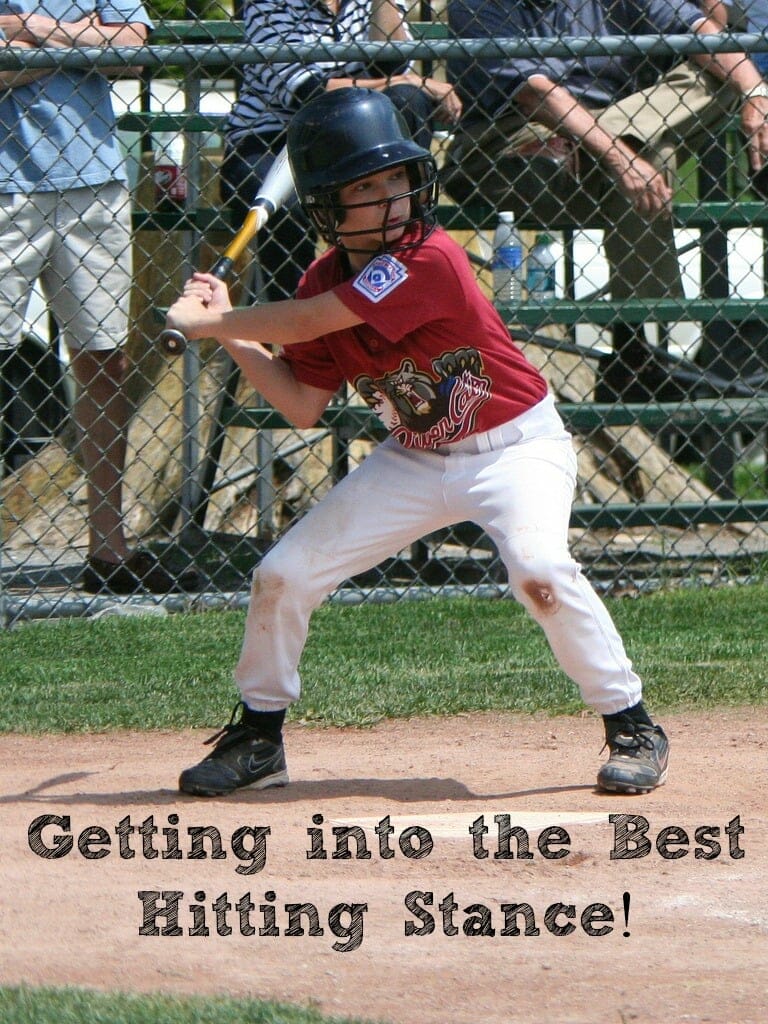
Before anything else, a good grip is key to a strong swing. Make sure that the hands are comfortably holding the bat, with the knuckles lined up. The grip should be tight enough to hold the bat, but not so tight that it restricts movement and control. The stance should be stable, with the feet spread apart as wide as the shoulders, the knees slightly bent, and the weight evenly spread out.
Correct Positioning of the Body
Having the right body alignment is a crucial element for a powerful swing. The batter should be positioned in a way that they are directly facing the pitcher with their shoulders aligned and their head kept still. This positioning allows the body to be ready to fully rotate when swinging, a critical aspect for creating power.
How to Get a Strong Swing
Once the basics are in place, we can focus on the specifics that make a swing strong. This involves using the lower body and core strength, both of which are key for a strong follow-through. For more detailed guidance, check out these powerful youth baseball batting drills that can help improve your swing.
Using Your Lower Body
The lower body is the powerhouse of the swing. It’s where the swing’s force comes from. By pushing off with their legs and hips, hitters can create the force needed for a powerful swing. This involves a good load, where the weight is moved onto the back leg before being moved forward through the swing. For more insights on enhancing your swing, check out these baseball hitting drills for power.
Employing Core Power
The core acts as a bridge between the upper and lower body, and its power is critical for a forceful swing. A robust core aids in maintaining balance and control, enabling a smooth and forceful rotation. Core power-focused exercises, like planks and rotational exercises, can be advantageous for young batters. For more insights on improving bat speed, check out these training methods.
Performing the Ideal Follow-Through
With the basics covered, we can now concentrate on performing the ideal follow-through. This includes keeping the right bat path, ending with balance, and picturing the swing.

Next up, we’ll delve into the techniques and drills that can help young athletes perfect their follow-through and become power hitters.
The Right Bat Path
For any power hitter, getting the right bat path is key. The bat should move through the hitting zone in a controlled, level way. A frequent error is letting the bat head drop too soon, leading to weak ground balls or pop-ups. Instead, try to keep the bat in line with the ball for as long as you can. This boosts the odds of making a solid contact and hitting the ball with power.
Imagine the path of the bat as a straight line through the hitting zone to practice this. Concentrate on keeping your hands inside the ball and driving through it, not just to it. This will help you maintain a consistent bat path and maximize power. For more insights, consider exploring remote baseball hitting coaching options.
Ending with Stability
Stability is crucial to a strong follow-through. After hitting the ball, the player should complete the swing in a stable position. This means the weight is shared equally on both feet, and the body is standing straight. A stable end enables the player to swiftly respond to any fielding move and lowers the chance of getting hurt.
Boost your balance by practicing your swing in slow motion. Concentrate on keeping control through the whole swing and ending with your chest pointing towards the pitcher. This creates muscle memory and ensures a balanced follow-through during games. For more tips on enhancing your swing, check out these baseball hitting drills for power.
See It and Believe It
Visualizing success is a proven method for athletes. Before stepping up to the plate, encourage your hitters to see their swing and follow-through in their mind’s eye. They should envision the ideal swing, making solid contact, and finishing in perfect balance. This mental rehearsal boosts confidence and sets the stage for a successful at-bat.
Practice makes perfect. The more a player practices the follow-through, the more ingrained the movement will become. The more a player practices, the more natural the perfect follow-through will feel.
Exercises to Improve Follow-Through
Exercises are a crucial component of cultivating an ideal follow-through. They offer concentrated training on certain elements of the swing and assist in solidifying the techniques required for power hitting.
Exercises with Resistance Bands
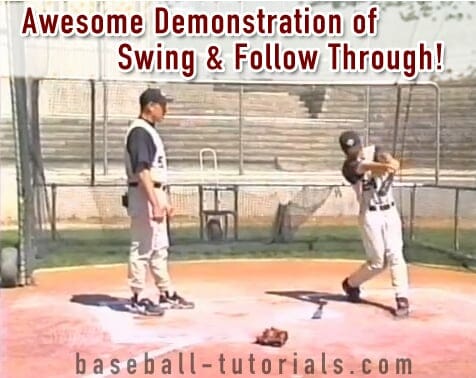
Resistance bands are a fantastic resource to enhance your follow-through. They aid in developing strength and solidifying the correct mechanics. Secure one end of a resistance band to a fence or a strong post and clutch the other end as if you were holding a bat. Carry out slow-motion swings against the resistance, concentrating on keeping a correct bat path and a balanced finish.
These exercises work the core and lower body, which helps develop the power needed for a strong swing. They also encourage muscle memory, which makes it easier to perform a flawless follow-through during matches.
Using Tee Work to Improve Follow-Through
Practicing with a tee is an excellent way to improve your follow-through. Set up a tee and concentrate on hitting the ball with a balanced, controlled swing. Make sure to finish strong, maintaining your balance and allowing the bat to follow through the hitting zone.
Try mixing up the tee placement to mimic different pitch locations. This will help your hitters adjust their follow-through to different pitches, which will enhance their hitting skills.
Drills Using Video Analysis
Use video analysis to help improve a player’s follow-through. Record the player while they are swinging and then review the video with them. Look at the path of the bat, the player’s balance, and their finish. Find the areas that need improvement and set goals for the player to achieve during the next practice.
Seeing their progress helps hitters understand how their swing works and what they need to fix. It also shows them how much they’ve improved, which can make them feel more confident and motivated.
Developing Self-Assuredness and Mental Resilience
For young players, self-assuredness and mental resilience are just as vital as physical abilities. Cultivating these characteristics enables hitters to perform in high-pressure situations and tackle obstacles on the field.
Encouraging Your Players
Positive reinforcement is a key tool for motivating young players. Always encourage and compliment your hitters on their improvements, no matter how minor. Celebrate their successes and offer them constructive criticism to help them improve. For more tips, explore youth baseball hitting programs that can further enhance their skills.
- Emphasize particular accomplishments, such as enhancing balance or maintaining a steady bat path.
- Establish attainable objectives and rejoice when they are achieved.
- Employ uplifting language to foster confidence and self-worth.
These strategies foster a supportive and inspiring atmosphere, enabling hitters to flourish and achieve their maximum potential.
Mental Imagery Exercises
- Encourage power hitters to mentally rehearse their swing before stepping up to the plate.
- Incorporate mental imagery into warm-ups and practice sessions.
- Use positive mental images to increase confidence and concentration.
Mental imagery helps athletes mentally prepare for success. By mentally rehearsing the perfect swing and follow-through, power hitters build confidence and develop a positive mindset.
Adding visualization exercises to regular practice routines can lead to significant performance improvements.
Setting Targets for Continuous Growth
Establishing targets is crucial for continuous growth. Inspire hitters to set precise, quantifiable, attainable, pertinent, and time-sensitive (SMART) targets for their follow-through and overall hitting performance.
Regularly assess and tweak goals to make sure they are still pushing and inspiring players. Applaud improvement and accomplishments, and turn failures into teachable moments. For more guidance, explore effective youth baseball hitting programs that teach essential skills.
Wrapping Up on Youth Power Hitters Coaching
Coaching young power hitters requires patience, consistency, and a strong emphasis on the basics. By focusing on the importance of a perfect follow-through, coaches can help players reach their hitting peak and develop the skills necessary for success on the diamond. For more techniques, explore these powerful youth baseball batting drills.
Don’t forget to give your players a pat on the back, set goals that they can reach, and encourage them to visualize their success and keep practicing. These strategies can help young players gain confidence, hone their skills, and become big hitters.
Why Patience and Consistency Matters
When coaching young athletes, patience and consistency are key. Teaching the perfect follow-through is no different. It’s important to remember that progress won’t happen overnight. Young hitters need the chance to learn and develop at their own speed. By consistently teaching the basics and offering consistent guidance, you can help them develop the skills they need to succeed.
Guidance and Ongoing Development
Guidance is a fundamental aspect of coaching. Continually give helpful guidance to your hitters, concentrating on both their strong points and areas that need development. Accentuate the positive to boost self-assurance and bring attention to weaknesses to promote progress.
Make sure to set definite goals and keep an eye on how they’re progressing. Applaud their accomplishments and turn any failures into teachable moments. This method encourages a growth mentality and aids in the development of resilience and determination in young athletes.
Commonly Asked Questions
As a coach, you’ll likely be asked a lot of questions from players and their parents about hitting techniques and follow-through. Here are some of the most common questions and their answers to help you in your coaching journey.
What’s the secret to a great follow-through?
The secret to a great follow-through is all about balance, making sure the bat is on the right path, and turning the hips completely. These elements all work together to transfer the most energy and increase hitting power.
What should I do to fix a usual swing mistake in young batters?
Firstly, to fix usual swing mistakes, you need to pinpoint the exact problem, like a wrong bat path or not enough hip rotation. Use exercises and focused practice to work on these areas, and give regular feedback to assist the batter in making modifications.
For instance, if a player has trouble maintaining balance, concentrate on exercises that stress ending the swing with steadiness. Suggest slow-motion swings to develop muscle recall and strengthen the right technique.
What exercises can I use to boost the overall hitting power of my team?
Exercises that emphasize the use of the lower body, core power, and a correct follow-through can significantly increase hitting power. Resistance band exercises, tee work, and video analysis are excellent methods for improving these skills.
Why does the lower body matter when it comes to a powerful swing?
When it comes to a powerful swing, the lower body is key. By pushing off with their legs and hips, hitters are able to generate the force they need for a powerful swing. Using the lower body not only provides a solid base, but it also helps to transfer as much energy as possible to the ball. For more insights on improving swing techniques, check out these training methods to increase bat speed.
Concentrate on workouts and practice drills that boost the strength of the legs and hips, like squats and lunges, to enhance the involvement of the lower body and the overall power of hitting.
How does mental preparation contribute to successful hitting?
Mental preparation is a key component of successful hitting. Techniques such as visualization, positive reinforcement, and goal setting can all help to build a hitter’s confidence and focus. This, in turn, allows hitters to perform well under pressure and overcome challenges they may encounter on the field.
Urge your team to engage in mental imagery training and establish attainable objectives to boost their mental toughness and overall game.
How frequently should young athletes practice follow-through drills?
Young athletes should practice follow-through drills regularly, preferably multiple times a week. Regular practice helps to reinforce correct mechanics and build muscle memory, making the perfect follow-through more instinctive during games. For more tips, check out these youth baseball coaching tips.
Include follow-through drills in regular training sessions and motivate players to practice at home for maximum progress.
- Quality should be prioritized over quantity. Make sure each repetition is done with the right mechanics.
- Mix up the drills to make practice more engaging and challenging.
- Give feedback and adjust drills as necessary to address specific areas that need improvement.
How can I tell if my player is using the right bat size?
To figure out if a player is using the right bat size, take into account their height, weight, and strength. The bat should be comfortable to hold and easy to swing without sacrificing control or power. A bat that is too heavy or too long can interfere with a player’s swing mechanics and decrease hitting effectiveness. For more tips on improving swing mechanics, check out these youth baseball hitting programs.
How can you tell if a young player’s follow-through is getting better?
When a young player’s follow-through is improving, you’ll see more consistent contact with the ball, more power in their hits, and better balance during and after their swing. They may also show more confidence when they’re up to bat and their swing may look smoother.
Make sure to frequently evaluate these signs and give feedback to assist the player in acknowledging their improvement and further enhancing their abilities. For more tips on improving player skills, check out baseball hitting drills for power.

Leave a Reply