In youth baseball and softball, a quick bat can turn the tide of the game. The harder and faster the bat hits, the more runs the team makes, and the more likely your young athletes are to win. As a coach, it’s your job to equip your players with the right skills and attitude. So, let’s talk about how you can help them step up their game.
Key Takeaways
- Bat speed is crucial for hitting power and distance in baseball and softball.
- Understanding player mechanics helps tailor training to individual needs.
- Drills, proper equipment, and conditioning are key to improving bat speed.
- Positive coaching environments boost player confidence and performance.
- Technological tools can track progress and refine techniques effectively.
The Importance of Bat Speed in Youth Baseball and Softball
Bat speed is more than just swinging the bat fast. It’s about maximizing the force applied to the ball, which ultimately translates into better performance on the field. When players increase their bat speed, they can hit the ball farther and harder, giving them a competitive edge.
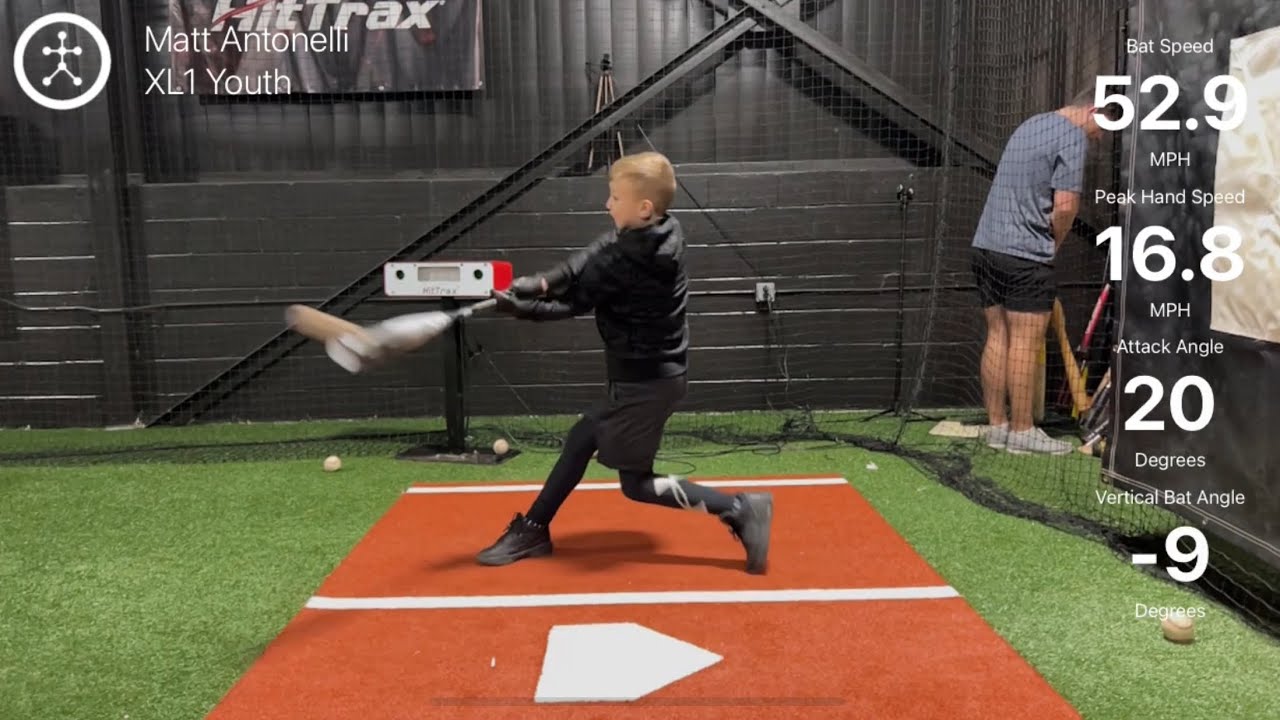
“Why Tracking Your Bat Speed Is …” from www.youtube.com and used with no modifications.
The Importance of Bat Speed
The speed at which a bat moves is a crucial factor in a hitter’s success. The quicker the bat moves, the more kinetic energy it can transfer to the ball. The amount of energy transferred to the ball determines the distance and speed at which the ball travels. For young athletes, developing this skill early on can lay the groundwork for more advanced play as they grow older.
Additionally, a faster bat speed lets players respond faster to pitches. This nimbleness lets them wait until the last moment to decide if they should swing, increasing their odds of making good contact with the ball. This level of accuracy is key for successful hitting.
Game Performance Impact
In baseball and softball, every millisecond matters. A player with quick bat speed can make split-second decisions, adjusting their swing to match the speed and angle of an incoming pitch. This adaptability not only enhances their hitting accuracy but also their confidence at the plate.
Moreover, players who can swing their bats faster typically see enhancements in their overall game performance. They can hit a broader range of pitches, making them more versatile hitters. This ability can result in more consistent hitting and, ultimately, more victories for the team. For those interested in improving their skills, consider the Increase Bat Speed Program for youth baseball and softball.
Building the Basics of Coaching for Enhanced Bat Speed
In your role as a coach, you’re there to help your players increase their bat speed. To do this, you need to understand each player’s mechanics and foster a positive environment that promotes development and education.

“Online Hitting Lessons Swing Science …” from hittingperformancelab.com and used with no modifications.
Getting to Know the Players
Each player is different, with their own set of strengths and weaknesses. In order to coach them effectively, you must first get to know their individual mechanics. This means watching their stance, grip, swing path, and follow-through. For more insights, check out these youth baseball coaching tips.
During practice, observe your players. Try to identify any habits or tendencies that may be slowing their bat speed. Are they holding the bat too tightly? Is their swing too long or too short? Recognizing these problems is the first step in creating a personalized training program.
After you’ve gotten a good grasp of each player’s mechanics, you can start focusing on drills and exercises that will help them with their specific needs. Keep in mind, there’s no one-size-fits-all solution here. Tailoring your approach will make sure each player gets the attention and guidance they need to get better.
Creating an Encouraging Coaching Atmosphere
Building a positive and uplifting atmosphere is as crucial as the actual training. Players must feel self-assured and driven to go beyond their comfort zones and experiment with new tactics. Your demeanor and method as a coach dictate the team’s vibe.
Encourage your players to speak openly. Tell them that it’s okay to make mistakes and that these are opportunities to learn and grow. Celebrate their victories, no matter how small, and provide constructive criticism to help them improve. For more tips on fostering a positive learning environment, check out these youth baseball hitting programs.
First and foremost, cultivate a team environment that prizes hard work and determination. When players feel valued and backed up, they are more inclined to remain involved and dedicated to their training. This optimistic attitude can result in substantial enhancements in their bat speed and total performance.
How Technology Can Help Improve Bat Speed
With the rise of technology, there are now many tools available that can help young players increase their bat speed. These tools can be used by coaches to provide comprehensive feedback and monitor the progress of their players, making training sessions more productive.
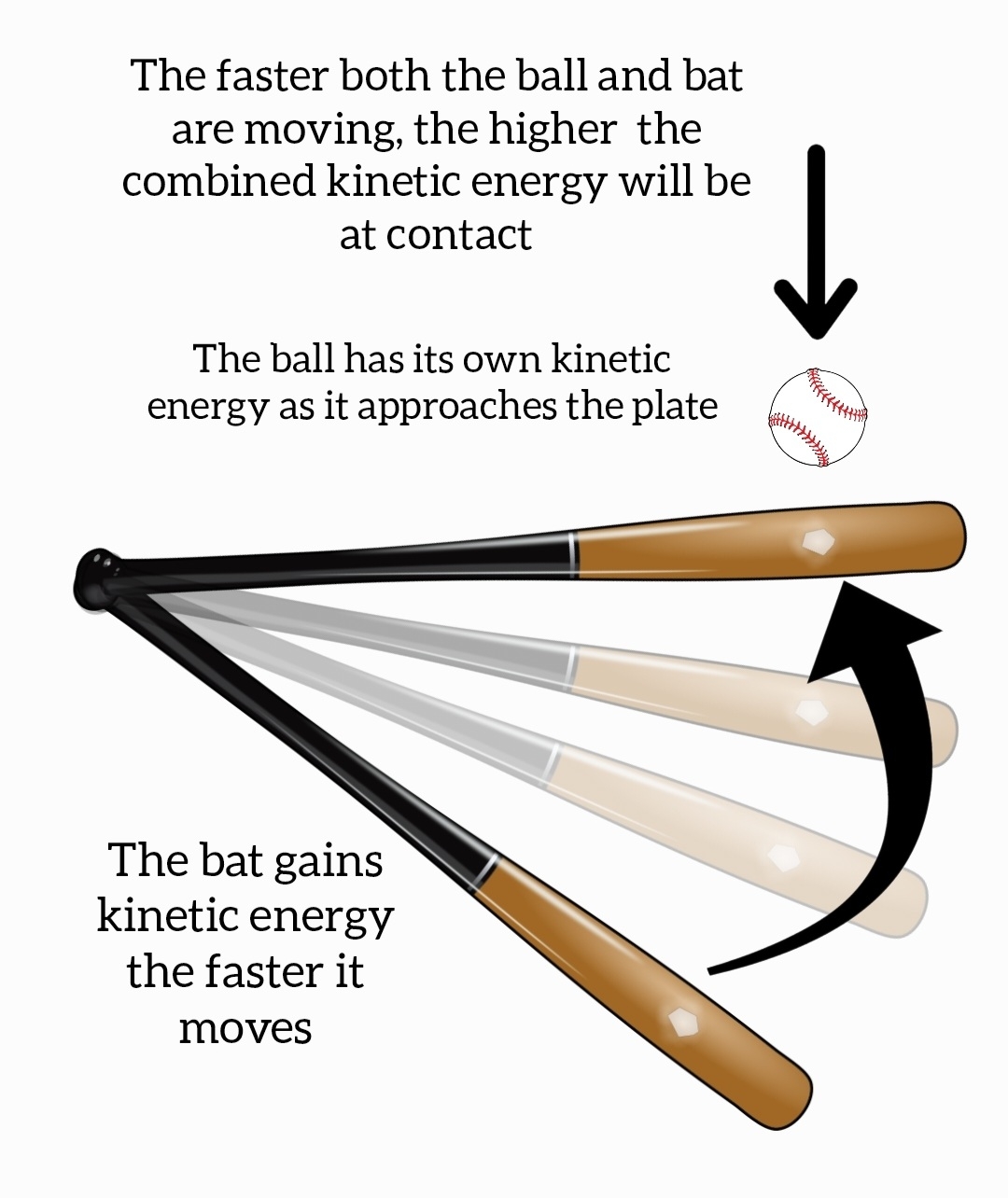
“Bat speed: Why it matters” from www.40yearoldbaseball.com and used with no modifications.
With the help of technology, we can dissect intricate actions and pinpoint areas that need improvement, which may not be visible to the naked eye. By incorporating this technology into your coaching methods, you can give your players a significant edge.
Why Video Analysis is Key
Video analysis is an effective method for improving bat speed. By capturing a player’s swing on video, you can break down their technique frame by frame. This helps you identify specific areas where they may be losing speed or power.
Employ slow-motion playback to scrutinize the player’s grip, stance, and swing path. Identify any discrepancies or inefficiencies that may need to be addressed. Share these observations with your players, showing them exactly what needs to be tweaked for improved performance.
Moreover, video analysis can be a powerful tool for comparing a player’s current performance with their past performance. This can help set achievable goals and track improvement over time. It also creates a visual record of progress, which can be a great motivator for young athletes.
Monitoring Improvement with Wearable Devices
Devices that can be worn, like motion sensors and smartwatches, can give instant feedback on how fast a player is swinging and how they are swinging. They can monitor things like how fast the bat is moving, the angle of the swing, and how hard the bat hits the ball, giving a detailed look at how a player is doing.
By looking at the data, you can see patterns and trends that you might not notice during practice. For instance, you might see that a player’s bat speed slows down when they’re fatigued or that their swing angle shifts when they’re under pressure. With this knowledge, you can adjust your coaching to tackle these particular problems.
Furthermore, wearable devices can be utilized to establish standards and monitor advancement over time. This numerical feedback aids players in recognizing their progress and remaining driven to continue to put in effort.
- Break down swing mechanics using video analysis.
- Track bat speed and swing metrics using wearables.
- Give players feedback based on visuals and data.
- Set goals and monitor progress over time.
Putting Training Programs into Practice
Creating a well-structured training program is crucial in aiding players to boost their bat speed. This includes setting specific objectives, planning efficient practice sessions, and regularly assessing improvement.
With a structured training plan, you can guarantee that your players are always striving for betterment. This not only enhances their abilities but also increases their self-assurance and love for the game.
Establishing Attainable Goals
Establishing attainable goals is an essential component of any training regimen. Begin by evaluating each player’s present capabilities and pinpointing areas that need improvement. Utilize this data to establish precise, quantifiable goals that push the player but remain within reach.
For instance, you might want a player to boost their bat speed by a certain amount over a specific time frame. These goals must be achievable and in line with the player’s ability and potential.
As the player improves, it is necessary to frequently reassess and modify these objectives. To keep the player interested and driven, commemorate accomplishments and milestones along the journey.
How to Plan Effective Practice Sessions
Practice sessions need to be well-structured and concentrate on certain skills. Start with a warm-up to get the players ready both physically and mentally. After that, proceed to drills and exercises that address the primary areas that need to be improved, like swing techniques and bat speed.
Keep things interesting and challenging by incorporating a variety of drills. For example, use tee work to focus on swing path, soft toss to practice timing, and live pitching to simulate game conditions. Each drill should have a clear purpose and provide players with opportunities to apply what they’ve learned. For more ideas, check out these kids baseball practice drills.
Finish every training with a cool-down and a time to reflect. Motivate the team to contemplate what they’ve discovered and how they can utilize it in future training and matches. This time of reflection aids in strengthening the abilities they’ve acquired and prepares them for ongoing growth.
Triumphs and Case Studies
Real-world instances of players who have managed to boost their bat speed can be profoundly motivating. These stories prove that with the correct training and mentality, substantial advancements can be achieved.
Telling your players about successful people can inspire them to strive for greatness and believe in themselves. It also offers important lessons and insights that they can use in their own training journey.
Significant Progress in Youth Athletes
Think about a young player who had difficulty with bat speed but was committed to getting better. This player was able to pinpoint particular areas that needed improvement through consistent practice and video analysis. They increased their bat speed by 20% over a season by concentrating on these areas and working regularly.
Not only did this improvement boost their confidence, but it also significantly impacted their game performance. They began hitting more consistently and with more power, which led to more opportunities on the field.
What We Can Learn from Successful Coaches
Coaches who have successfully helped players increase their bat speed often stress the importance of patience and persistence. They understand that improvement takes time and that setbacks are a natural part of the process.

“Joey Myers Baseball – Our Video Story” from hittingperformancelab.com and used with no modifications.
These coaches also stress the importance of personalized training. By customizing their training methods to each player’s specific needs and abilities, they can offer more efficient coaching and encouragement.
Lastly, good coaches understand the need to create a positive and supportive atmosphere. They promote open dialogue, applaud achievements, and offer helpful criticism. This strategy not only boosts player growth but also improves the coach-player bond.
Methods for Ongoing Enhancement
Boosting bat speed is not a one-off accomplishment; it’s a continuous journey that requires commitment and hard work. To guarantee ongoing enhancement, it’s crucial to adjust to the needs of the player and promote self-evaluation and feedback. For more insights, explore coaching tips and drills that can help increase bat speed effectively.
Encouraging a mindset of constant learning and development can assist your players in reaching their maximum potential and achieving lasting success in the sport.
Meeting Players Where They Are
No two players are alike, and their needs and objectives can shift as they grow and develop. As a coach, it’s crucial to stay adaptable and receptive to these changes. Consistently evaluate each player’s growth and modify their training plan as necessary.
Get players involved in their own development. Ask for their thoughts on what’s going well and where they need more help. This team approach helps players feel more invested in their training and motivated to get better.
Remember, patience and support are key. Progress isn’t always linear, and players might have a few bumps in the road. By offering positive reinforcement and direction, you can help them stay motivated and dedicated to their goals.
Promoting Self-Assessment and Feedback
Getting players to participate in self-assessment and ask for feedback is a strong method for constant growth. When players take it upon themselves to assess their own performance, they become more conscious of their strengths and areas that need improvement. This self-consciousness is key for making focused improvements.
Players should be urged to consistently reflect on their practices and games. They should be asked to recognize what they did well and what they could have done better. This type of reflection helps them to build critical thinking skills and encourages a mindset of growth.
Coaches and teammates can provide valuable feedback. Encourage players to feel comfortable asking for and giving feedback. This open communication encourages learning and helps players make informed decisions about their training.
Commonly Asked Questions
Let’s take a look at some frequently asked questions that will help you improve your coaching methods and increase bat speed in youth baseball and softball.
When is the best time to start training for bat speed?
Training for bat speed can start as young as 7 or 8 years old, but it should be appropriate for their age. Younger players should concentrate on building fundamental skills and correct mechanics. As they age and mature, they can start learning more complex techniques. For more insights, explore these coaching tips and drills designed to enhance bat speed in youth baseball and softball.
What is the recommended frequency for bat speed drills?
It is best to practice bat speed drills consistently, around 3 to 4 times per week for the best results. However, it’s crucial to remember that rest is just as important as training in order to avoid overuse injuries. For more tips on enhancing your training, consider these bat speed coaching tips.
Keeping drills diverse keeps practice sessions interesting and helps to develop different parts of the player’s swing. Remember, quality is more important than quantity, so concentrate on doing each drill correctly.
How can I tell if my bat speed is improving?
You can tell if your bat speed is improving by a few different signs. You may notice that you’re hitting the ball further and with more force. You might also find that you’re able to hit faster pitches than you could before. For more tips on enhancing your performance, check out these coaching tips and drills.
Furthermore, players may feel more self-assured and calm when they’re up to bat. They may not miss as often when they swing, and their batting average may go up. These are signs that the training is working and the player’s skills are getting better.
Does poor bat speed have an impact on a player’s confidence?
Yes, poor bat speed can definitely have an impact on a player’s confidence. When players have difficulty hitting the ball consistently, they can get frustrated and start to question their abilities. This lack of confidence can affect their overall performance and their enjoyment of the game.
As a mentor, it’s crucial to deal with these issues immediately. Offer positive feedback and concentrate on small, attainable objectives to help reestablish the player’s self-assurance. Urge them to remain determined and remind them that progress requires time and effort.
- Boost confidence by celebrating small victories.
- Encourage players to prioritize effort over results.
- Offer constructive feedback to aid in their improvement.
What equipment is suggested for young players?
|
Equipment |
Suggestion |
|---|---|
|
Bats |
Select a bat that is the correct length and weight for the player’s size and strength. Consider using lighter bats for younger players to assist them in developing speed. |
|
Protective Gear |
Make sure players wear helmets, batting gloves, and other protective gear to avoid injuries. |
|
Training Aids |
Use aids like swing trainers and weighted balls to improve bat speed and mechanics. |
Utilizing the correct equipment can have a significant impact on a player’s ability to develop bat speed. It’s crucial to regularly evaluate and adjust the equipment as players grow and their skills improve.
How can technology help improve bat speed?
Technology, including video analysis and wearable sensors, can provide important data that can help players fine-tune their technique. This data can provide information on swing mechanics, bat speed, and impact force, which can all be used to make specific improvements.
Coaches can leverage technology to provide players with in-depth feedback and monitor their progress over time. This data-centric method enables players to identify their strong points and areas that need improvement, resulting in more efficient training and quicker outcomes. For coaches looking to enhance their training methods, the Increase Bat Speed Hitting Power Program offers valuable insights.
How can parents support these training methods?
Parents are instrumental in supporting their child’s training. They can offer motivation, make sure players have the right equipment, and emphasize the significance of practice and determination.
Getting parents involved in the training process can also help to foster a positive and supportive environment. Parents should be encouraged to attend games and practices, cheer on their child’s accomplishments, and keep the lines of communication open with coaches.
Is there any danger in trying to increase bat speed?
Although improving bat speed can significantly boost performance, it’s crucial to understand the possible dangers. Injuries, especially in the wrists, elbows, and shoulders, can result from overtraining and incorrect technique. To avoid these risks, consider incorporating powerful youth baseball batting drills that focus on proper form and safety.
To reduce these risks, make sure players use the correct mechanics and take enough rest between sessions. Include strength and conditioning exercises to build muscle and decrease the chance of injury.
With a balanced training approach, you can guide players to safely and effectively boost their bat speed. Keep in mind, the ultimate aim is to improve performance while safeguarding the players’ long-term health and well-being.
You didn’t provide any content to rewrite. Could you please provide the content you want to be rewritten?

Leave a Reply