Important Points
- Keeping young athletes engaged with enjoyable, structured practices is key to their growth and passion for baseball.
- Coaches should concentrate on basic techniques, communication, and motivation to establish a solid team foundation.
- Interactive situations assist children in comprehending game strategies and enhancing their decision-making abilities on the field.
- Baseball imparts important life lessons such as teamwork, sportsmanship, and leadership abilities.
- Take advantage of resources like certification programs and coaching clinics to improve your coaching abilities.
Getting Started with Youth Baseball Coach Training
Coaching youth baseball involves more than just showing kids how to swing a bat or throw a ball. It’s about motivating them, shaping their character, and instilling a lifelong love for the sport. As a coach, you have the chance to significantly influence young players’ lives, aiding them in developing not only as athletes but also as individuals. This journey begins with proper training and understanding the unique challenges of coaching 8-12 year olds.
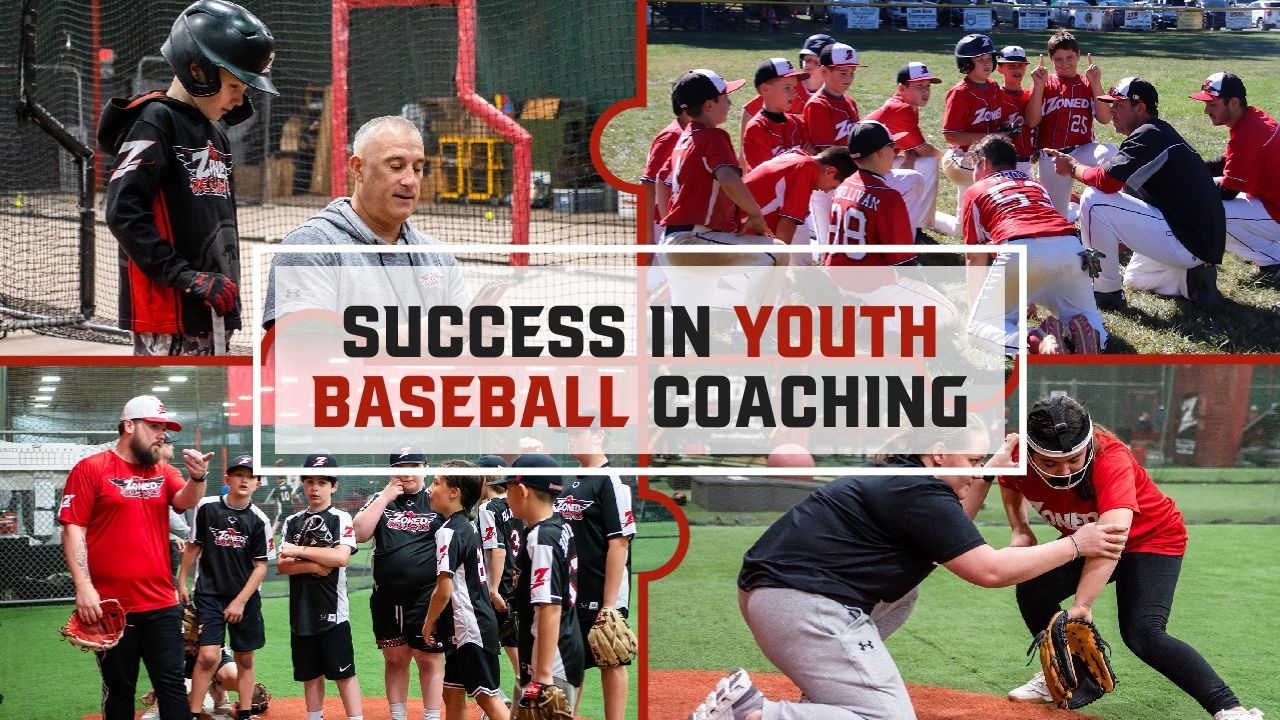
“A coach will impact more young people in a year than the average person does in a lifetime.” – Billy Graham
The moment you step onto the field, you become more than just a coach. You become a mentor and a role model. Your actions, words, and attitudes can greatly influence your players, sometimes in ways you might not even realize. That’s why it’s so important to approach coaching with the right mindset and skills. It’s how you create a positive and productive environment.
The Role of a Good Coach
Having a good coach is critical for the development and success of young athletes. You need to know the game, but more importantly, you need to know how to teach it. Kids don’t learn the same way adults do, and your teaching style needs to reflect that. It’s about simplifying complicated ideas and making learning fun.
The Effect on the Growth of Young Players
Coaches are a crucial part of the growth of young players. Apart from teaching them technical skills, you help them gain confidence, learn self-control, and understand the significance of teamwork. The lessons they learn on the baseball field often become life skills that help them in school, relationships, and future jobs. By investing in their growth, you are helping their overall development as well-rounded people.
Crucial Abilities for Training 8-12 Year Olds
Training kids in this age range calls for a unique skill set. You need to be patient, supportive, and innovative in your methods. Kids are inherently inquisitive and energetic, so it’s crucial to keep them involved. Let’s delve into some crucial abilities that will aid you in being a successful youth baseball trainer.
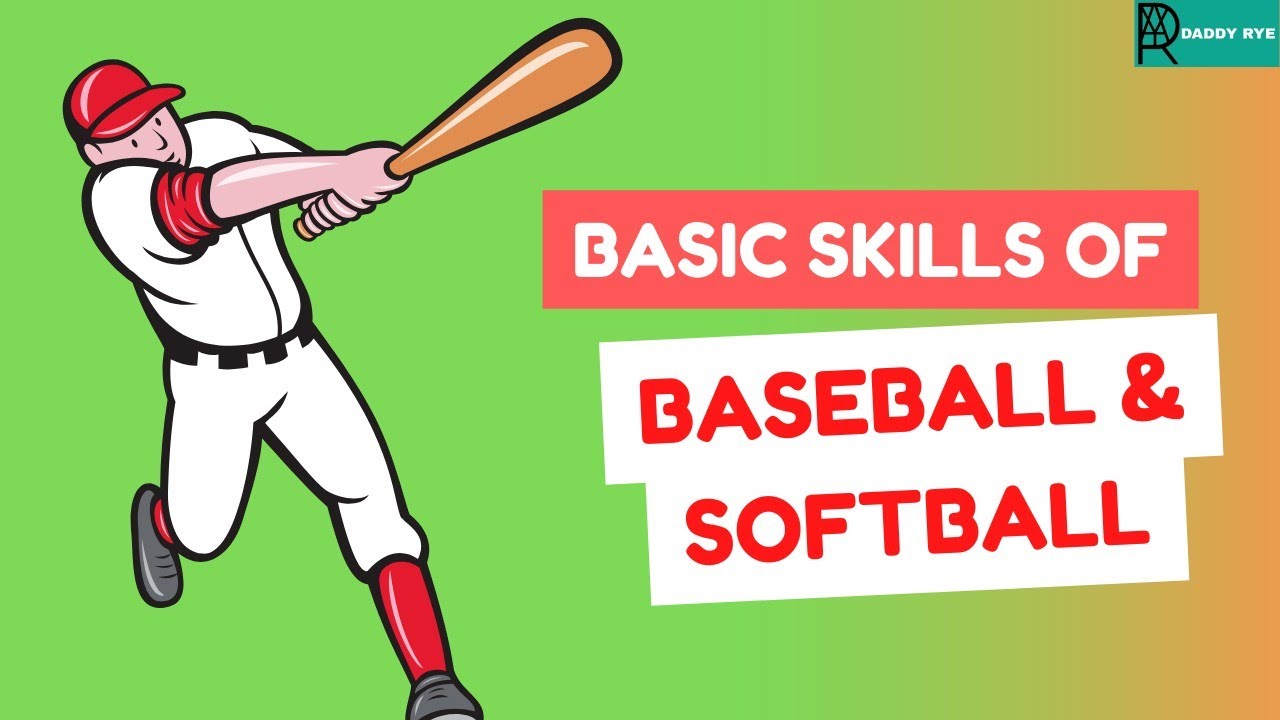
Basic Baseball Skills
The heart of any baseball program lies in the basic skills. These are throwing, catching, batting, and base running. Begin with these and slowly add more complex skills as the players get more comfortable. Here are some tips to focus on:
- Teach how to hold and stand properly when batting.
- Instruct the right way to throw to avoid getting hurt.
- Do catching exercises to better hand-eye coordination.
- Explain strategies when running bases to improve understanding of the game.
By focusing on these basic skills, you are helping your players to improve and have more fun with the game. For more tips, check out this guide on kids baseball practice drills.
Creating a Fun and Engaging Atmosphere
One of the hardest parts of coaching is keeping the kids interested and involved. This can be accomplished by making practices enjoyable and participatory. Include games and challenges that promote competition and cooperation. Celebrate little wins and improvements, as this raises spirits and drive. The main objective is to make baseball fun so the kids want to keep coming back to play. For a structured approach, consider using The Perfect 90 Minute Youth Baseball Practice Plan.
Talking and Inspiring
Good talking skills are a must for any successful coach. You should talk to your players in a way that they can understand, and always be upbeat and supportive. Use compliments to inspire them, but also give helpful feedback to help them get better. Make sure to set clear goals and expectations so players know what they are trying to achieve. By promoting open talking, you build trust and respect within your team.
Using Interactive Scenarios to Develop Game Intelligence
Young baseball players can develop their game intelligence through interactive scenarios. By recreating real-game situations, kids learn how to react and make decisions under pressure. This not only helps them understand the game flow but also enhances their ability to anticipate plays.
A great approach is to develop mini-games that concentrate on particular elements of baseball, like defense or running the bases. These games give players the opportunity to hone their skills in a controlled setting while still dealing with the unpredictability of a real game.

Practicing Game Scenarios
Practicing game scenarios is a great way to get young players ready for actual games. By recreating situations they could encounter during a game, you can show them how to deal with various obstacles. For example, you could create a scenario where the bases are loaded with two outs, and the team has to make a smart play to win.
Encourage the kids to use their own judgment and talk to each other to figure out these situations. This not only helps them get better at making decisions, but it also helps them work together and cooperate. Over time, they’ll get more confident and be better at dealing with high-pressure situations in real games.
Simulated games also offer a benefit in that they provide a safe space for players to make mistakes and learn from them. Mistakes are an important part of learning, and by addressing them in practice, players are less likely to repeat them in real games.
On-Field Decision-Making
Baseball requires players to make quick decisions, and this skill can be developed with practice and experience. Players should be taught how to evaluate the situation and make the best choice. For instance, when a player fields a ball, they need to decide whether to throw to first base to get an out or try for a double play.
To improve decision-making skills, include drills that necessitate fast thinking. Create situations where players must select from a variety of options, and talk about the results of their decisions. This will assist them in comprehending the repercussions of their actions and enhancing their capacity to make the correct decision when under stress. For more ideas on effective drills, check out these kids baseball practice drills.
Grasping the Game’s Rules and Tactics
It is essential for any player to understand the rules and tactics of baseball. Coaches should make sure that players comprehend the basic rules, like how to make runs, when to steal bases, and the different kinds of outs. This information is vital for making tactical choices during games.
Consider using visual tools like diagrams or videos to break down complicated rules and strategies. This can help make it easier for young players to understand and apply these concepts during a game. Also, let your players know that it’s okay to ask questions or seek clarification on anything they don’t understand about the game.
“The first step to becoming a master at anything is to understand it. Players who know the rules and strategies can outsmart their opponents and gain an edge on the field.”
By focusing on game intelligence, you equip your players with the tools they need to succeed in baseball. They will become more strategic, adaptable, and confident, both on and off the field. For a structured approach, consider using The Perfect 90 Minute Youth Baseball Practice Plan.
Teaching Important Life Skills with Baseball
Baseball isn’t just a game; it’s a tool for teaching important life skills. The highs and lows of the sport teach players about teamwork, sportsmanship, and resilience. These skills can help shape who they are and prepare them for obstacles they may face off the baseball diamond.

Working Together and Good Sportsmanship
“Just as in life, baseball requires teamwork. Winning isn’t just about individual skills but about how well the team can work together towards a shared goal.”
At the core of baseball is teamwork. Players need to learn how to depend on each other and work together to be successful. Coaches should stress the importance of supporting teammates, effective communication, and celebrating each other’s successes. For more insights on coaching young players, explore these kids baseball practice drills.
Baseball also teaches sportsmanship. This is where players learn to respect their opponents, play the game fairly, and accept victory or defeat graciously. These values are key in building strong character and creating a positive team culture.
Teaching your players these principles will help them grow into respectful and considerate individuals who understand the importance of teamwork and respect.
Handling Wins and Losses
Baseball is a great teacher of life skills such as handling wins and losses. Winning a game can give a player a boost in confidence and motivation, but it’s important to remain humble and continue to work hard. On the other hand, losing a game can be a letdown, but it’s also a chance to learn and improve.
Players should be motivated to think about their performance, pinpoint areas that need improvement, and set goals for upcoming games. This mindset encourages resilience and determination, which helps them recover from setbacks and strive for excellence.
As a mentor, it’s important to offer positive criticism and back your players through their good and bad times. In doing so, you assist them in developing the mental strength required to overcome difficulties in sports and in everyday life.
“Success is not final, failure is not fatal: It is the courage to continue that counts.” – Winston Churchill
Fostering Self-Confidence and Leadership
Baseball is a fantastic sport for fostering self-confidence and leadership skills. As kids improve their skills and help their team succeed, they start to believe in themselves more. This confidence can spill over into other parts of their lives, like school and making friends.
Encourage the kids to step up and take on leadership roles on the team, such as being the captain of a game or leading the team in warm-up exercises. This will help them develop key leadership skills, such as making decisions, communicating effectively, and taking responsibility.
By honing these skills, you are equipping your players to become self-assured leaders who can influence and encourage others. These traits will benefit them throughout their lives, both on and off the field.
Coaching Resources
Being a coach means always being on top of your game and learning new coaching strategies. Luckily, there are a ton of resources out there to help you improve your coaching skills and give your players the best experience possible.
Whether it’s certification programs or coaching clinics, these resources provide you with beneficial knowledge and training opportunities. Here are some of the resources you can use as a youth baseball coach.
Training Clinics and Certification Pathways
Training clinics and certification programs offer organized learning experiences for coaches. These programs teach fundamental coaching skills like player development, practice planning, and game strategy. By taking part in these programs, you can acquire important knowledge and credentials that boost your coaching skills.
Availability of Baseball Drills and Plans
It is important to have a wide range of drills and practice plans to run efficient practices. You can find many comprehensive libraries of drills for different age groups and skill levels on various online platforms and resources. These resources can assist you in creating engaging and effective practice sessions for your team.
Think about incorporating these types of drills to improve your practices:
- Drills for fielding that help kids enhance their defensive abilities.
- Drills for batting that help kids sharpen their hitting skills.
- Drills for pitching that help kids improve their throwing techniques.
- Drills for base running that help kids increase their speed and agility.
By using a wide range of drills in your training sessions, you can keep your players interested and motivated, while also helping them to build crucial skills.
Joining Coaching Communities and Networks
By making connections with other coaches, you can find the support and inspiration you need to succeed. Communities and networks for coaches provide the chance to share your experiences, swap ideas, and learn from others. These relationships can help you stay motivated and continue to develop as a coach.
Think about becoming a part of these types of communities:
- Local coaching clubs and associations.
- Discussion groups and forums online.
- Groups on social media that are dedicated to coaching youth baseball.
By participating in these communities, you can learn new perspectives, discover innovative techniques for coaching, and build relationships that last with other coaches. Additionally, exploring youth baseball training packages can enhance your coaching strategies.
Conclusion: Impacting the Future of Young Athletes
Teaching youth baseball is an enriching experience that transcends the game. As a coach, you have the ability to mold young athletes’ futures in a positive way, aiding them in becoming self-assured, accountable, and tough individuals. By emphasizing skill enhancement, collaboration, and life teachings, you establish a setting where athletes can excel both on and off the diamond.
Keep in mind that every moment you spend with your players is a chance to make a significant difference. This could be through a word of encouragement, a lesson in sportsmanship, or a shared moment of victory. You are molding the future of these young athletes, so consider these tips and drills for coaching to enhance your impact.
Thinking About the Effect a Coach Can Have
As a coach, you have many roles, including teacher, mentor, and motivator. Consider the effect you can have on your players and aim to be a positive force in their lives. Your commitment and enthusiasm for the game can spark a lifelong passion for baseball and teach lessons that go far beyond the field.
Why Sports Education is a Lifelong Investment
Playing sports, especially baseball, is more than just a fun way for kids to stay active. It also teaches them valuable skills that they will use for the rest of their lives. Teamwork, discipline, leadership, and more are all learned on the field and can be applied to school, work, and personal relationships.
As a coach, you are instrumental in bringing these benefits to life and helping players lay the groundwork for future success. Creating a positive and inclusive environment allows all players to learn, grow, and shine.
Common Questions
If you’re a new or aspiring youth baseball coach, you probably have a lot of questions. Here are some practical answers to help you navigate your coaching journey.
How can I become a youth baseball coach?
Start your journey as a youth baseball coach by volunteering for a team or league in your community. This will allow you to gain firsthand experience and learn about the coaching process. You can also improve your abilities and expertise by attending coaching clinics and obtaining certifications. Connecting with other coaches can be beneficial as it can provide you with helpful advice and encouragement.
What skills are necessary for coaching 8-12-year-old kids?
Coaching 8-12-year-old kids requires effective communication skills, patience, and the ability to motivate and inspire. You need to have a good understanding of basic baseball skills and be able to teach these skills in a way that is engaging and suitable for their age. Also, promoting teamwork and sportsmanship is important for creating a positive team environment.
What’s the best way to keep the attention of young players during practice?
“To keep the attention of young players, use fun and interactive drills that test their abilities while also entertaining them. Make use of games and competitions to make things more exciting, and always give positive feedback to boost their confidence and motivation.”
Change up your practice routines to keep things interesting, and make sure to balance improving skills with fun activities. Keep in mind that a happy and engaged team is more likely to be successful and have fun on the field.
What are the best drills for beginner players?
The best drills for beginner players focus on basic skills such as throwing, catching, hitting, and running bases. Begin with simple drills that emphasize correct form and slowly add complexity as players get more comfortable. Include games that let players use these skills in a fun, competitive environment.
For instance, you might want to incorporate relay races to improve base running, partner throwing drills to enhance accuracy, and batting practice with soft-toss or tee work. These drills are not only fun and engaging, but they also help in laying a solid foundation. For more ideas, check out these kids baseball practice drills.
Why are game simulations important in training young players?
Game simulations are a great way to give players the chance to practice their decision-making and strategy skills in a safe and controlled setting. They mimic real game situations, allowing players to learn how to predict plays, communicate with their teammates, and make fast decisions under stress. This helps to improve their game intelligence and better prepares them for the challenges they’ll face in real games.
Why is it important to learn life lessons through youth sports?
Life lessons that kids learn through youth sports, like teamwork, resilience, and sportsmanship, are crucial for their overall growth and development. These lessons help to shape a child’s character and prepare them for life’s challenges beyond the playing field. Coaches who emphasize these values are helping to develop the whole child and are giving them skills that they will use throughout their lives. For those interested in enhancing their coaching techniques, there are youth baseball hitting programs available that teach essential skills and tips.
Where else can I get more coaching resources?
More coaching resources can be obtained through certification programs, coaching clinics, and online platforms that offer comprehensive libraries of drills and practice plans. Joining coaching associations or networks can also provide valuable support and opportunities for professional development. Engaging with these resources helps you stay informed and continuously improve your coaching skills.
How long does it usually take to complete a coaching certification program?
Coaching certification programs can range in length depending on the level and focus of the program. Basic certifications can be completed in a few days, while more comprehensive programs may take several weeks or months. It’s crucial to select a program that matches your objectives and provides the necessary training to improve your coaching skills.
- Consider local and online options for certification programs.
- Look for programs that offer practical, hands-on training.
- Check for any prerequisites or requirements before enrolling.
- Utilize additional resources like coaching books and videos to supplement your learning.
By investing in your development as a coach, you ensure that you have the skills and knowledge needed to provide the best possible experience for your players. Embrace the journey of continuous learning and growth, and you’ll make a lasting impact on the lives of young athletes. For more guidance, explore tips and drills for Little League coaches.

Leave a Reply