When you’re coaching young baseball players, you’re not just teaching them the rules of the game. You’re inspiring a lifelong love of baseball. By focusing on making practice both effective and fun, you can unlock each child’s potential and foster a team spirit that’s priceless. In this guide, I’ll share some of the best baseball practice drills for kids aged 8-12, so they can develop their skills while having a great time.
Key Points
- Diverse drills keep kids interested and build their skills.
- Fun and competitive drills encourage teamwork and improve game skills.
- Game-like situations make practice more relevant and effective.
- Properly structuring practice sessions ensures skill development and fun.
- Safety and the correct equipment are key to a successful practice session.
Fun Drills for Young Baseball Players
Keeping kids interested is the key to a successful practice. When they’re truly engaged and having fun, they learn quicker and remember skills better. So, it’s crucial to use a variety of drills that challenge them and are also fun.

The Need for Diverse Drills
It’s crucial to have a wide range of drills so that the kids don’t become disinterested and lose focus. Each drill should tackle a different part of the game, from hitting and catching to throwing and running bases. This not only keeps the practice sessions interesting, but also helps the players develop into well-rounded athletes.
For example, a drill for the infield line can help develop fast reflexes and the correct techniques for fielding, while a batting drill can help improve swing mechanics and timing. By switching between these drills, players can develop a wide range of skills.
Advantages of Enjoyable and Competitive Drills
Enjoyment and competition are inseparable in youth sports. Drills that include these aspects not only inspire players to perform at their best, but also instruct them on the importance of teamwork and fair play.
Imagine a relay race where teams compete to complete a series of baseball-related tasks. This not only sharpens their physical skills but also fosters teamwork and a healthy sense of competition. Plus, when drills are fun, players are more likely to practice on their own time, further honing their skills. For more ideas, check out this guide on Little League coaching tips and drills.
Must-Try Baseball Drills for Kids Aged 8-12
With the significance of diverse and engaging drills in mind, let’s explore some must-try drills that are suitable for kids aged 8-12. These drills concentrate on critical elements of baseball and are created to be both instructive and entertaining.
Line Drill in the Infield
Use the infield line drill to teach your players to field ground balls with speed and accuracy. Have your players line up in the infield and hit ground balls to them one by one. Stress the importance of correct footwork and glove positioning.

This exercise allows players to hone their reflexes and enhance their capacity to field balls when under stress. Regular practice of this exercise will boost players’ confidence in their defensive abilities.
Backhand Catching Drill
Catching a ball with a backhand can be tricky for little leaguers, but it’s an important skill to learn. In this drill, players practice catching balls that are hit to their weaker side. Start with slow rollers and gradually speed up as players get more comfortable.
Encourage players to pay attention to their footwork and glove positioning. Remind them to stay low and keep their balance as they move towards the ball. This drill not only improves fielding skills but also boosts players’ confidence in handling difficult plays. For more advanced techniques, consider exploring the Digital Defensive Situations Guide from Marietta Baseball Academy.
Making Practice Fun
It’s important to make baseball practice fun to keep young players interested and excited about the game. When practice is fun, players are more likely to work hard to get better. This doesn’t mean you should sacrifice quality for fun. Instead, you should find creative ways to teach the skills they need to learn.
Transforming drills into games is a great method to keep practice enjoyable. This not only makes the drills more fun, but it also introduces a bit of friendly rivalry, which can encourage players to strive harder. For instance, you could establish a points system for various drills, with points awarded for precision, quickness, or progress. For more ideas on how to enhance your practice sessions, check out this guide on Little League Baseball coaching tips and drills.
- Use a points system to encourage improvement.
- Turn drills into games with small rewards for winners.
- Encourage players to cheer for their teammates to build camaraderie.
Obstacle Course Drill
The obstacle course drill is a fantastic way to combine physical fitness with baseball skills. Set up a course that includes running, jumping, and throwing challenges. For example, players might start by running through cones, then jump over a small hurdle, and finish by throwing a ball to a target.
This exercise not only enhances the agility and coordination of the players, but also keeps them interested through its various activities. It’s an excellent method to break up the monotony of traditional drills and get the players moving in different ways.
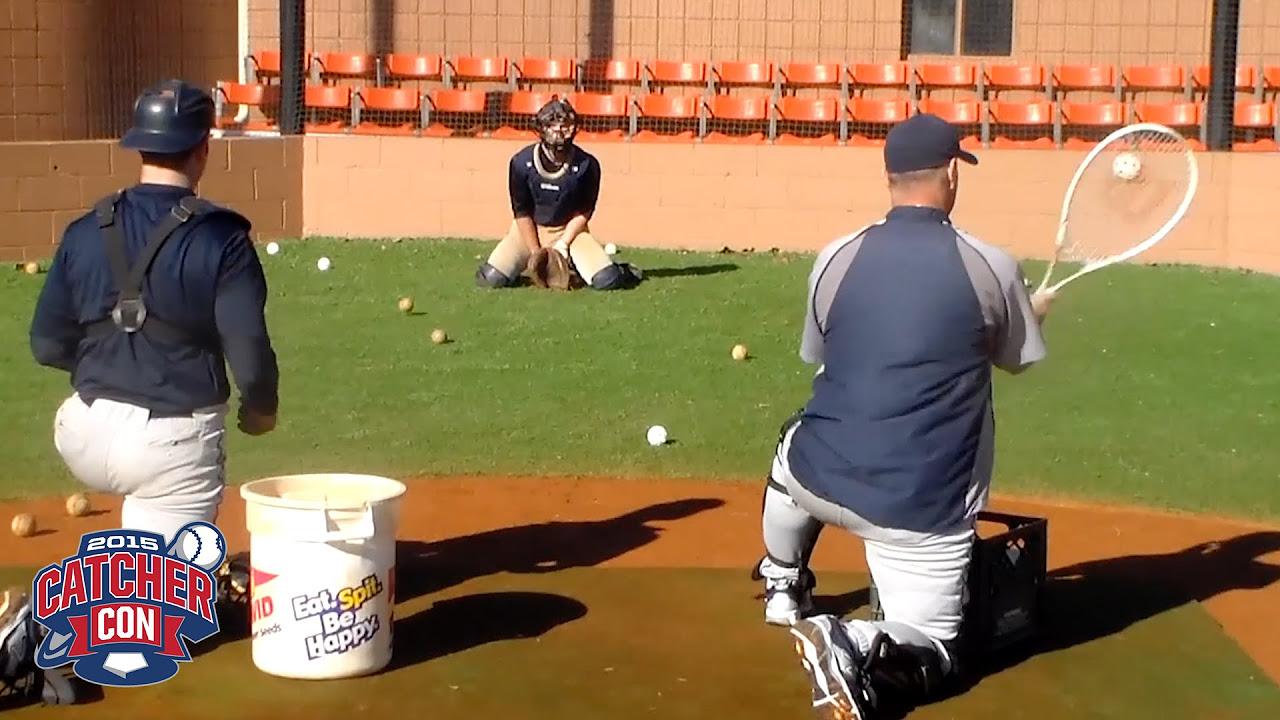
Baseball Game with Tennis Racquet
Playing a baseball game with a tennis racquet is a fun variation of a regular baseball game. Instead of bats, players use tennis racquets to hit tennis balls. This can help players to improve their hand-eye coordination and timing without the stress of hitting a small baseball with a bat. For more ways to enhance your skills, consider exploring the Digital Defensive Situations Guide.
Players soon learn to adapt their swings and timing, which can lead to improved batting skills. Additionally, the fun of using a tennis racquet adds a touch of fun that keeps players engaged and eager to join in.
Jersey Recognition and Reaction Drills
Jersey recognition drills are meant to enhance a player’s reaction time and decision-making abilities. In this drill, players will wear jerseys of different colors, and the coach will call out a color. The players who are wearing that color must react as quickly as possible, either by running to a designated base or performing a specific action. For more tips on running effective practices, check out our guide on youth baseball practice drills.
These drills are designed to hone a player’s quick-thinking skills and ability to perform under pressure. They also add an element of surprise to practice, keeping the players alert and involved. For more ideas on structuring your sessions, check out this guide on running youth baseball practice.
How to Structure a Good Practice Session
For the best skill development and to ensure players have fun, it’s important to structure a good practice session. When practice is well planned, players stay engaged and every minute is used effectively.

How to Manage Time and Rotate Drills
Being able to manage time well is a key part of having a successful practice. Coaches should plan out practices ahead of time, setting aside a certain amount of time for each drill and activity. This helps keep the practice organized and makes sure that all the necessary skills are addressed.
- Schedule practices ahead of time and allocate specific durations for each drill.
- Employ a timer to ensure drills stay on track and the pace remains lively.
- Alternate drills to keep players interested and ward off exhaustion.
By alternating drills, players remain interested and don’t get tired of monotonous tasks. This diversity also aids in honing a broader set of skills, thereby enhancing players’ versatility on the field.
Finding the Right Mix of Skill Building and Fun
It’s important to find the right mix of skill building and fun in practice sessions. While the main goal is to build the players’ skills, it’s just as important to make sure they are having fun and developing a passion for the game. For more structured guidance, you might consider exploring resources like the Digital Defensive Situations Guide from Marietta Baseball Academy.
Coaches can strike this balance by alternating between serious drills and fun activities. For example, after a concentrated fielding drill, players might enjoy a game of home run derby. This method ensures that players are learning while also having fun.
Adapting Drills for Different Age Groups
Each age group has unique needs and abilities, so drills should be adapted to fit those needs. What may work for 12-year-olds may not be appropriate for 8-year-olds. Coaches need to take into account the physical and mental development of their players when creating drills. For more guidance, check out these youth baseball practice drills tips.

For younger players, concentrate on basic skills and easy drills that boost their confidence. As they mature and develop, gradually add more complex drills that test their abilities and promote growth. For further guidance, consider exploring the Digital Defensive Situations Guide from Marietta Baseball Academy.
At the end of the day, the aim is to establish a practice setting that is encouraging, demanding, and fun for all players, no matter their age or ability.
Must-Have Equipment and Safety Advice
It’s crucial for a smooth, injury-free practice that young players have the necessary gear and adhere to safety guidelines. The correct equipment not only keeps players safe, but it can also improve their performance on the field. For parents looking to equip their young athletes, check out the best youth baseball training equipment for players aged 8-12.
Why It’s Important to Have the Right Equipment
Having the right equipment is important for both safety and performance. Each player should have a helmet that fits well, a glove that’s right for their position, and cleats to help them get a good grip on the field.
- Make sure helmets fit tightly to safeguard against head injuries.
- Select gloves based on the player’s position for the best performance.
- Wear cleats to avoid slipping and offer stability.
In addition to the essentials, think about extra protective gear like chest protectors and mouthguards, particularly for catchers or players who tend to get hurt.
The right equipment can keep players safe and boost their confidence. This way, they can concentrate on improving their skills without the fear of getting hurt.
How to Keep Kids Safe During Baseball Drills
Keeping kids safe during practice is always the number one priority. Coaches need to make sure that drills are done safely and that players know what to do to stay safe.
Before you start any drill, make sure to explain the rules and show the correct techniques. Keep a close eye on players to make sure they are doing the drills in a safe and correct way. If a player is having a hard time, give them extra help and support.
When coaches make safety a priority, they create a practice environment where players can feel safe and focus on improving their skills. For more insights on creating a safe and effective practice environment, check out these youth baseball practice drills tips.
Fostering Personal Growth and Development
Coaches do more than just teach the technical aspects of baseball. They also help young players grow and develop as individuals. By focusing on building confidence, teamwork, and communication, coaches can help players develop important life skills.
Encouraging players to set personal goals and celebrate their achievements can boost their self-esteem and motivation. This not only enhances their performance on the field but also contributes to their overall development as individuals.
As players develop and get better, they learn the value of tenacity, commitment, and collaboration—skills that will serve them well both on and off the field.
Boosting Self-Esteem Through Skill Advancement
“Self-esteem is vital in sports. As players acquire new skills, their self-esteem increases, enabling them to tackle more significant challenges with eagerness.”
Self-esteem is an essential part of any sport. As players acquire new skills and see their progress, their self-esteem increases, enabling them to tackle more significant challenges with eagerness.
By setting attainable goals and offering encouraging words, coaches can help boost players’ confidence. It’s important to celebrate even the smallest victories and to inspire players to challenge themselves. This method promotes a growth mindset, inspiring players to always strive to do better and to reach their full potential.
In the end, players who are confident are more likely to enjoy the game, perform well, and develop a lifelong passion for baseball.
Encouraging Teamwork and Communication
Any successful baseball team is built on teamwork and communication. It’s essential for young players to learn how to work as a team and communicate effectively on the field. This doesn’t just improve their performance, it also fosters a sense of camaraderie and trust among the team.
Players should be urged to call out plays and offer support to their teammates during drills and games. Include team-building exercises in practice to strengthen these relationships. As players learn to depend on one another and function as a team, they will gain confidence and enjoy the game more.
Wrap Up: Fostering a Love for Baseball
Fostering a love for baseball in young players involves more than just teaching them the basics of the game. It’s about inspiring a passion for baseball and helping them develop important life skills. By focusing on fun drills, efficient practice structures, and promoting teamwork, coaches can create a setting where players flourish.
Keep in mind, the objective isn’t only to win games, but to develop young athletes who are self-assured, talented, and have a love for the sport. If we make enjoyment, safety, and personal development our main focus, we can create a baseball experience that will have a lasting effect on players, both on and off the field. For more insights, explore this guide on youth baseball practice drills.
Keeping Kids Engaged in the Game
One of the most important things a coach can do is to keep their players motivated. This can be done by setting clear goals and celebrating when those goals are achieved. Always remember to acknowledge their hard work and provide helpful feedback. Above all, practices should be fun and engaging to keep the players excited about coming to practice.
Enduring Influence Beyond the Diamond
The lessons learned on the baseball diamond reach far beyond the game itself. Through baseball, young players learn the importance of teamwork, persistence, and commitment. These skills are priceless in all areas of life, helping players excel in school, work, and personal relationships. For parents looking to support their young athletes, understanding youth baseball training equipment can be invaluable.
Coaches have the ability to create a positive and supportive environment that helps players develop their skills and lay a solid foundation for future success. A great coach can have a lifelong impact, molding the character and values of young athletes. For those interested in enhancing their coaching techniques, exploring youth baseball practice drills can be incredibly beneficial.
To keep young players engaged in baseball practice, you need to create an environment that is both fun and dynamic. Use a variety of drills to keep their interest and incorporate games that will challenge their skills while also being enjoyable.
Commonly Asked Questions (FAQ)
- What is the best way to engage young players during baseball practice?
- What are some key drills for 9-year-old baseball players?
- How can you make baseball drills more fun?
- What is the most effective way to structure a youth baseball practice session?
- How can you ensure that drills are appropriate for the age group?
- What safety equipment is necessary for baseball practice?
- How can drills help to foster teamwork among young players?
- What are the advantages of using competitive drills during practice sessions?
For 9-year-olds, the key drills to focus on are the basics like catching, throwing, and hitting. Drills such as infield line, backhand fielding, and simple batting are perfect for this age group as they build the basic skills and confidence.
Adding a fun twist to baseball drills can be as easy as transforming them into games or adding a competitive edge. This keeps the players motivated and eager to participate, ensuring they remain engaged and ready to improve.
How can you keep young players interested in baseball practice?
Keeping young players interested in baseball practice involves creating a fun and challenging environment. By using a range of drills and activities, you can keep practices interesting and exciting. Encouraging players to support each other and fostering a positive atmosphere where everyone feels valued and motivated to do their best is also key.
What are some important drills for 9-year-old baseball players?
Important drills for 9-year-olds include infield line drills to improve fielding skills, basic batting drills to enhance swing mechanics, and throwing exercises to develop arm strength and accuracy. These drills provide a strong foundation for young players to build upon as they progress in the sport. For more detailed guidance, check out this guide on running youth baseball practice drills.
How can you make baseball drills more fun?
Make drills more fun by turning them into games, using a points system to motivate players, or adding challenges that promote friendly competition. This keeps players interested and excited about practice, which makes them more likely to enjoy and do well in the game.
How should you organize a kids baseball practice?
Make sure to plan out your practice sessions ahead of time and set aside a specific amount of time for each drill. Switch up the drills you do to keep things interesting and make sure you’re working on all the necessary skills. It’s also a good idea to mix in some fun activities with the more serious drills to keep things fun and enjoyable while still working on skill development.
How can you make sure drills are suitable for the age group?
Make sure drills are suitable for the age group by taking into account the physical and cognitive development of the players. For younger players, concentrate on simple, basic skills and slowly introduce more complex drills as they grow and develop. Adapt drills to the specific needs and abilities of the age group.
What are the must-have safety gear for baseball practice?
Must-have safety gear includes helmets, gloves, and cleats. Helmets need to fit snugly to protect against head injuries, while gloves need to be chosen based on the player’s position. Cleats help provide traction and stability on the field. Additional protective gear, like chest protectors and mouthguards, may be necessary for certain positions or players who are prone to injury.
What’s the role of drills in fostering teamwork in young players?
Drills that necessitate communication and collaboration are instrumental in fostering teamwork among players. It’s important to encourage players to shout out plays, back each other up, and collaborate to reach shared objectives. Team-building activities and group drills cultivate a sense of fellowship and teach crucial lessons about cooperation and trust.
Why should you incorporate competitive drills into your practice?
Competitive drills inspire players to give their all and show them the value of good sportsmanship and persistence. They push players to go beyond their limits, learn from their errors, and rejoice in their victories. This competitive edge can enhance personal abilities and boost the team’s overall performance.

Leave a Reply