Key Points
- Baseball training equipment is vital for skill development in young players aged 8-12.
- Top practice tools include batting tees, pitching machines, and fielding trainers.
- Selecting the appropriate equipment requires considering the child’s skill level, safety, and budget.
- Proper care and storage of equipment prolong its lifespan and effectiveness.
- Investing in high-quality training gear can greatly enhance your child’s baseball experience.
Introduction to Youth Baseball Training Equipment
If you want your child to excel in baseball, having the right training equipment is a must. For young athletes aged 8 to 12, using the right gear can make a huge difference in skill development and confidence building. Let’s explore why this equipment is so important and how it can lay the groundwork for a successful baseball career.
Importance of Training Equipment for 8-12 Year Olds
Children in this age range are not only beginning to understand the game’s rules, but they are also developing their physical skills. Utilizing training equipment that is appropriate for their level of development allows them to practice in a way that is both effective and safe. It offers a systematic approach to enhancing abilities such as batting, pitching, and fielding.
Furthermore, owning the proper gear can transform practice into a more enjoyable and exciting experience, which is crucial for maintaining a child’s interest. If they find their training enjoyable, they are more likely to remain committed to the sport and experience long-term progress.
What Young Baseball Players Need to Improve
There are a few key areas that young baseball players need to focus on to become well-rounded players. These include: practicing effective drills, understanding the fundamentals, and using the best youth baseball training equipment.
- Batting: Enhancing a reliable and strong swing.
- Pitching: Mastering throwing with precision and control.
- Fielding: Boosting agility and response time to catch and throw effectively.
- Base Running: Grasping when to run and the correct way to slide.
Each of these skills demands specific equipment for effective practice. In the next section, we’ll discuss some of the best tools available to help your child improve in these areas.
Best Youth Baseball Training Equipment
With so many choices on the market, finding the right equipment can seem daunting. But, if you concentrate on a few essential items, you can significantly improve your child’s skills. Here are some of the top youth baseball training aids to consider.
Equipment for Batting Tees
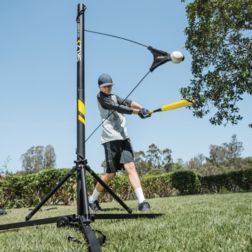
Children learning to hit will find batting tees to be an essential tool. Batting tees help children to practice their swing mechanics without the stress of hitting a ball that’s in motion. You should consider getting adjustable tees that can be modified to suit your child’s height and swing style as they grow.
Along with tees, parents should also think about buying training balls and nets. These help keep the balls in one place during practice and make it easier to pick them up, which allows for more concentrated practice time.
Strike Zone Targets and Pitching Machines
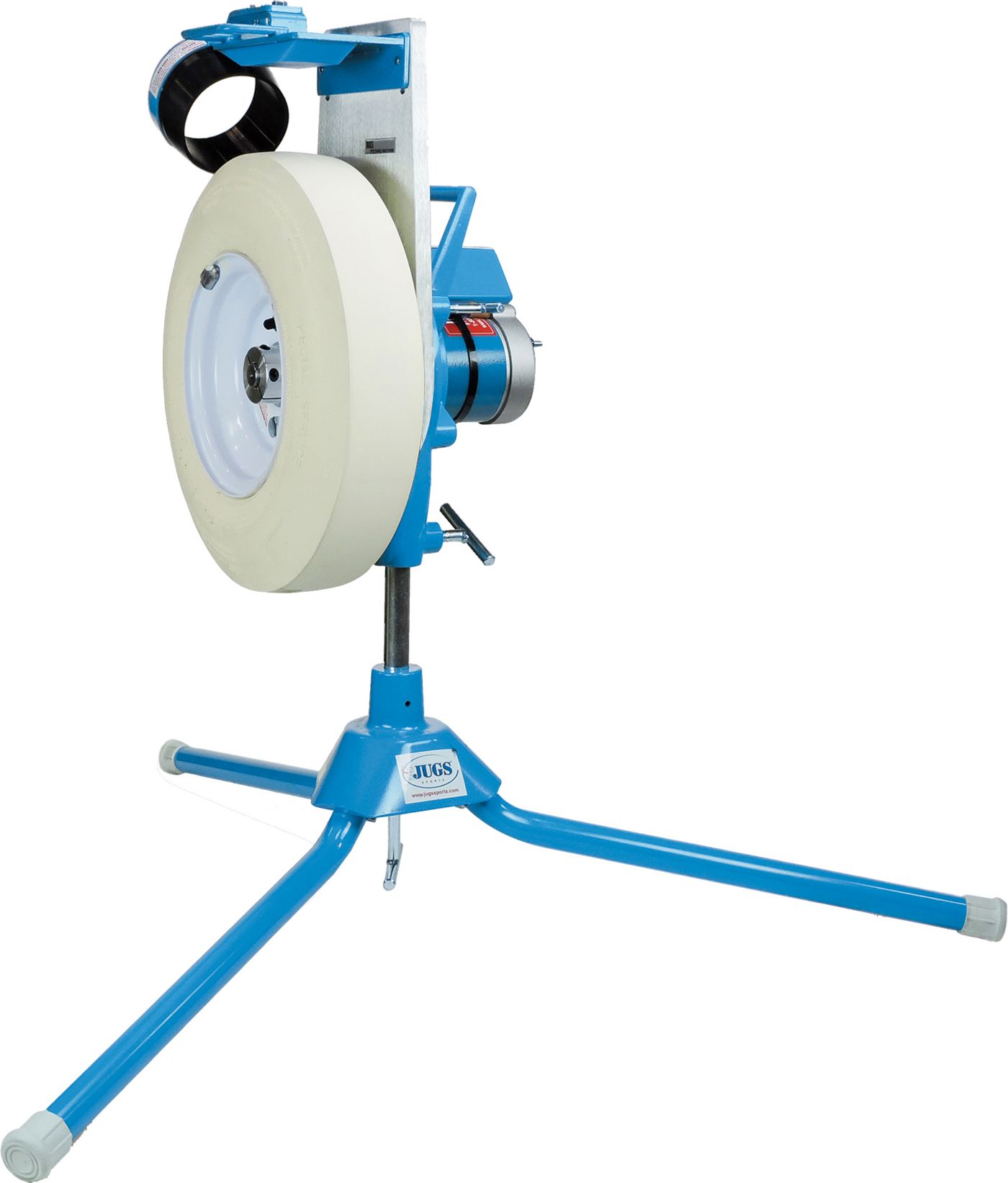
Pitching machines are fantastic tools for young players to practice their batting against consistent pitches. These machines can simulate different speeds and types of pitches, giving a more realistic batting practice experience.
Strike zone targets are also a great tool for pitchers. They help young players hone their accuracy and control, which are key skills for any budding pitcher. These targets can be adjusted to different heights and angles, making them a versatile piece of training equipment.
Enhancing Batting Abilities and Methods
Batting is a fundamental aspect of baseball, and it’s essential for young players to develop a powerful, reliable swing. A batting tee can assist your child in concentrating on their swing’s mechanics without being distracted by a moving ball. Encourage your child to try out various swings and stances to discover what works best and feels most comfortable for them.
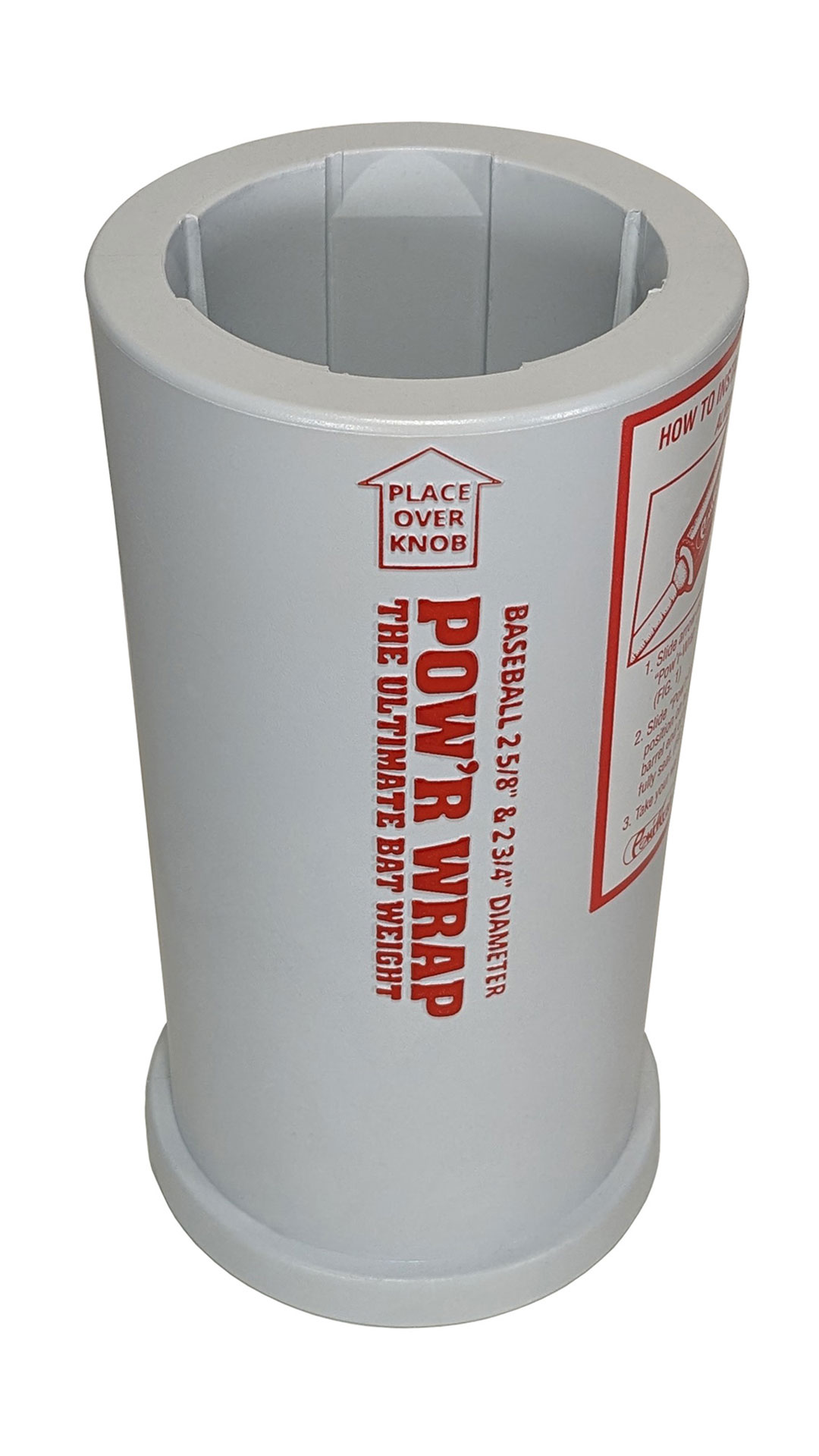
Moreover, practicing with weighted bats can help to build strength and increase bat speed. Start them off with a bat that’s just a bit heavier than what they’re used to so they can keep their form while slowly building muscle.
Improving Pitching Accuracy and Speed
Pitching is all about accuracy and power. One way to help your child get better at this is to use strike zone targets. These tools provide a visual target for pitchers, allowing them to concentrate on hitting certain parts of the strike zone. Make sure your child practices regularly and strives for consistency in their pitches.
Another crucial element of pitching is speed. Your child can boost this by integrating resistance bands into their workout regimen. These bands can assist in fortifying the arm and shoulder muscles, resulting in quicker pitches as time goes on.
Enhancing Quickness and Fielding Accuracy
Quickness is crucial for fielding, as players must respond rapidly to catch and throw the ball. Rebounders and fielding trainers are outstanding tools for honing these skills. These tools can replicate a variety of fielding situations, enabling your child to practice catching and throwing with precision.
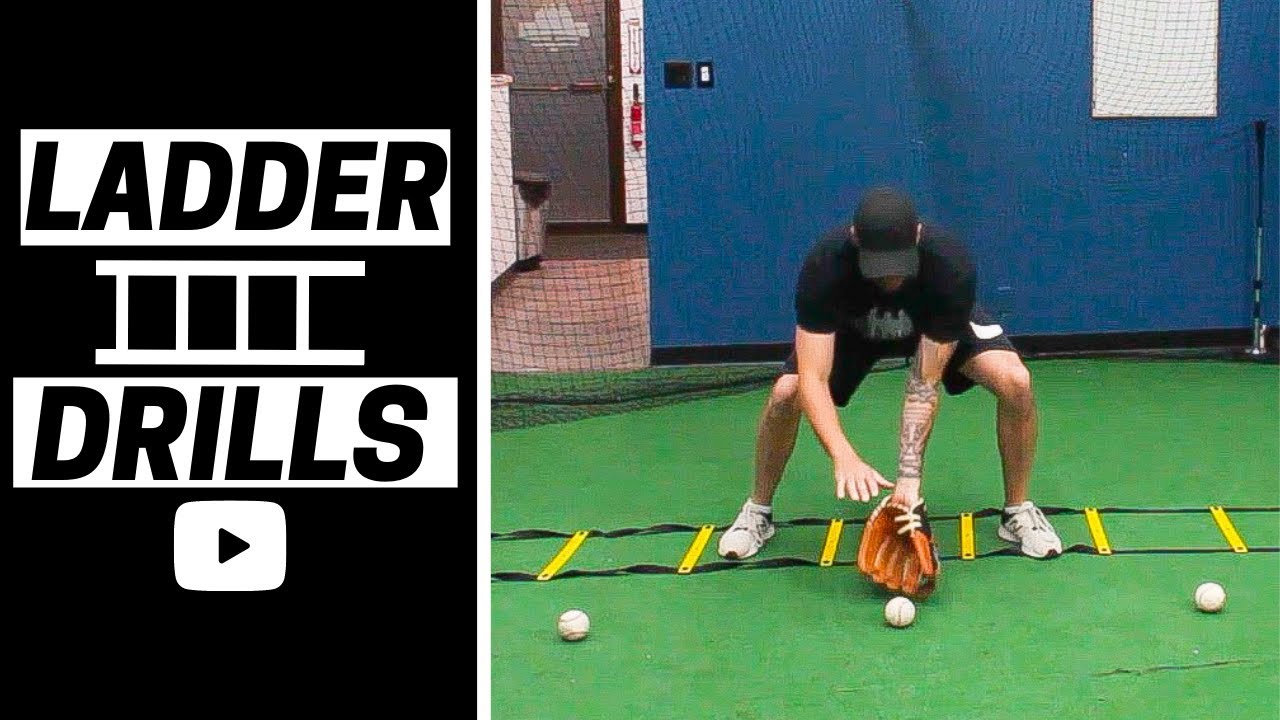
In addition to this, you can use agility ladders and cones to set up drills that help improve footwork and coordination. These drills are not only effective, they’re also a lot of fun, which can help make practice sessions more enjoyable for your child.
Picking Out the Perfect Gear for Your Kid
When it comes to picking out the perfect gear, you’ll want to take into account a few different things. This includes your kid’s current skill level, what they’re hoping to achieve, and of course, your budget. Make sure to choose gear that’s right for their age and skill level to ensure they’re safe and the equipment is effective.
Understanding Your Child’s Skill Level and Objectives
Begin by evaluating your child’s existing abilities and their goals. Are they just starting out and need to learn the fundamentals, or are they more experienced and want to improve particular abilities? Knowing what they want to accomplish will assist you in selecting equipment that aids in their growth.
For instance, if your kid is just beginning, fundamental equipment such as batting tees and practice nets are critical. For those who are more experienced, you might want to think about purchasing pitching machines or weighted bats to push and improve their abilities.
Finding the Middle Ground Between Price and Performance
As you shop for equipment, you’ll need to find a balance between price and performance. Although it might be tempting to buy the least expensive option, it’s often a better idea to invest in high-quality gear. This type of equipment tends to be more durable and to perform better, which means it offers better value over the long term.
Making Sure Your Child is Safe and Comfortable
When choosing training equipment, safety should always be your first concern. Make sure all equipment is appropriate for your child’s age and has safety features. Comfort is also key, as equipment that isn’t comfortable can be used incorrectly or even cause injuries.
How to Keep Your Baseball Training Equipment in Top Shape
Looking after your training equipment and storing it correctly can make it last longer and keep it working well. A regular clean and the right place to keep it can stop it from getting worn or damaged.
How to Clean and Care for Your Equipment
Wipe down equipment like bats and balls with a damp cloth after each use to remove dirt and sweat. For a more in-depth clean, follow the manufacturer’s cleaning instructions to prevent any potential damage to the equipment.
How to Store Your Kid’s Baseball Equipment at Home
Make sure to keep your equipment in a cool and dry place to avoid any damage from humidity or intense heat. You might want to think about using storage containers or shelves to keep the gear organized, easy to find, and in tip-top shape.
By following these steps, you can make sure your kid’s training equipment is in great condition and ready for each practice.
Conclusion: Boost Your Little Leaguer’s Performance
Purchasing the appropriate training equipment is a great way to help your child’s baseball career. With the correct tools, they can enhance their abilities, gain confidence, and have more fun playing the sport. For more insights on selecting the best gear, check out this guide on youth baseball training equipment. Keep in mind, it’s not only about the equipment itself, but how it’s used to motivate and strengthen your little leaguer.
Building Skills for the Future
For parents who are keen to support their child’s athletic growth, buying top-notch youth baseball training equipment is a smart move. These tools can help enhance vital skills, boost confidence, and foster a passion for the game. By selecting the appropriate equipment, you’re setting the stage for your child’s future triumphs in baseball, both on the field and beyond.
Keep in mind, it’s not just about having the right gear, but using it properly. Inspire your kiddo to set objectives and strive to reach them regularly. This method will assist them in developing a robust work ethic and a feeling of accomplishment as they watch their abilities grow over time.
Having Fun and Making Progress
At the end of the day, the purpose of youth baseball training equipment is to make the sport fun and fulfilling for your child. By equipping them with the tools they need to excel, you are helping them foster a positive relationship with the game. Applaud their progress, no matter how minor, and always encourage them to enjoy themselves. For more insights on how to support your child’s development in baseball, consider exploring The Complete Hitter Starter Program designed for parents.
Instilling a passion for baseball will keep your kids excited to practice and get better, making sure they continue to love the sport for their whole lives. As they grow, they’ll take the lessons they learned on the field and apply them to other parts of their lives, making baseball more than just a game, but a valuable life lesson.
Questions Parents Often Ask
Parents often have questions about youth baseball training equipment. Here are some answers to help you make the best choices for your child.
What’s the most important baseball training equipment for young kids?
For young players, the batting tee is often considered the most important piece of equipment. It allows kids to practice their swing mechanics in a controlled environment, which is key to developing a strong and consistent swing.
Furthermore, a high-quality glove is crucial for fielding practice. It enables young players to learn how to catch and throw properly, laying the foundation for more complex skills.
How many times a week should my kid use their training gear?
How often your child practices depends on their schedule and their passion for the game. As a rule of thumb, practicing a couple times a week is a good idea because it allows for steady progress without overloading the kid.
Encourage your child to practice for short periods regularly rather than long, infrequent sessions. This approach helps maintain their interest and prevents burnout. Consistency is key to developing skills effectively.
Also, ensure that your child is having a good time during their training. Adding games and challenges can make practice more fun and engaging.
When it comes to training young baseball players, having the right equipment is crucial. Parents often search for the best youth baseball training equipment to help their kids improve their skills. From batting tees to pitching machines, there are numerous options available that cater to different aspects of the game. For those looking to enhance their child’s pitching skills, this guide on how to pitch baseball for youth is a valuable resource. Investing in quality equipment not only aids in skill development but also boosts the confidence of young athletes.
Do pricier training tools really make a difference?
Not always. Even though more expensive gear often comes with improved durability and features, that doesn’t mean it’s the best fit for your kid. The specific needs and skill level of your young baseball player should be your main considerations when choosing equipment.
If your child is just starting out, basic and affordable equipment should do the trick. However, as they get better and their skills improve, it might be worth investing in some higher-quality gear.
Never put cost before safety and comfort. The right equipment is not only important for effective training, but also for preventing injuries. Make sure your child’s equipment fits properly and is well-made.
What are the safety precautions to take during training?
During baseball training, safety is of utmost importance. Make sure your child is wearing the correct protective gear, like a helmet when they are batting or catching. Always be present during training to avoid any accidents or injuries. For more insights on youth baseball, check out this article on when kids should start practicing with a wooden bat.
Before your child starts their practice, make sure they warm up properly. This could include some light exercises and stretches to get their muscles ready and lower the chance of pulling or straining a muscle.
How can I tell if my child is using the equipment the right way?
It’s important to watch your child’s form while they’re practicing. You want to make sure they’re using the equipment the way it’s supposed to be used, keeping the correct form and following safety rules.
If you’re feeling uncertain, you may want to consider getting a coach or trainer involved. They can offer expert advice and feedback, making sure your child is practicing in the right way and getting the most out of their training.
Is practicing with equipment at home the same as being on a team?
Although practicing at home is useful, it does not completely replace the experience of being on a team. Being on a team provides important opportunities for social interaction, teamwork, and learning the dynamics of the game in a competitive environment. For more insights on effective home practice, check out this guide on youth baseball practice drills.
As such, think of home training as an addition to being part of a team. It can improve your kid’s abilities and self-assurance, turning them into a more valuable team member.
What can I do to make practice more fun for my kid?
Keep your child engaged in practice by mixing up the drills and making them fun. Use games and challenges to make practice more enjoyable and encourage your child to get better.
Moreover, it’s important to set realistic goals and celebrate each achievement. This not only boosts your child’s confidence but also motivates them to keep practicing.
Think about practicing with your child or getting siblings and friends involved. This can make training sessions more engaging and fun.
Are there any new gadgets in youth baseball equipment I should know about?
Definitely, sports equipment technology is always changing. Some of the latest innovations include smart bats that give feedback on swing mechanics and virtual reality systems that mimic game scenarios for better training.
These tools can provide more information about your child’s abilities and help them get better faster. However, they tend to cost more and may not be needed for those just starting out.
At the end of the day, you should choose equipment that is suitable for your child’s current skill level and needs. As they improve, you can look into more advanced options to improve their training.
When it comes to youth baseball training, having the right equipment can make all the difference. Parents looking to enhance their child’s skills should consider investing in quality training aids. These tools not only improve performance but also boost confidence on the field. For those interested in comprehensive guidance, check out this article on youth baseball training equipment to discover the best options available.

Leave a Reply