Main Points
- Begin teaching youth baseball by focusing on the essentials of balance and control.
- Support young pitchers by showing patience and giving positive reinforcement.
- Emphasize teaching correct mechanics to prevent injuries and enhance performance.
- Use a range of drills to assist youth pitchers in practicing and honing their skills.
- Monitor progress and celebrate achievements to foster confidence and enthusiasm for the game.
Preparing Young Pitchers
Coaching young baseball players involves more than just showing them how to throw a ball. It’s about fostering a passion for the game, boosting confidence, and setting a foundation for their future in sports. When coaching youth baseball, particularly for ages 8-12, recognizing the importance of your mentorship is key. This is the time when players not only develop their skills but also their attitudes towards the sport.
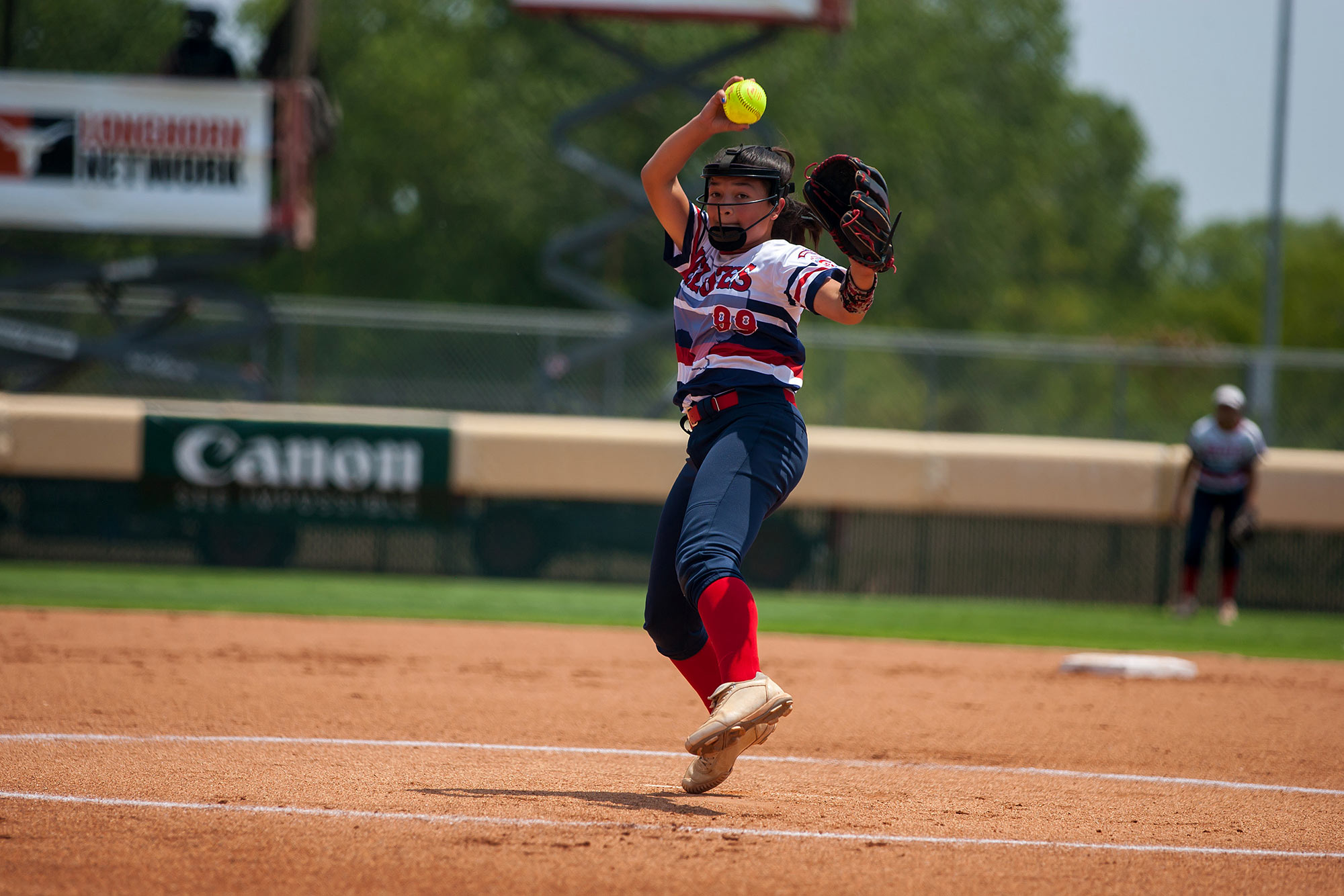
Grasping the Effect of Instruction on Young Pitchers
Teaching young pitchers can be an enriching experience. It’s crucial to understand that your strategy can greatly affect their growth. A successful coach doesn’t just concentrate on winning matches; they concentrate on educating and motivating their players. The correct instructional techniques can assist young athletes in enhancing their abilities while also having fun with the game.
“A coach will impact more young people in a year than the average person does in a lifetime.” – Billy Graham
As a coach, your job is not only to teach the players the skills they need but also to inspire and lead them. It’s important to ensure that each practice is not just about improving skills, but also about building a positive mindset towards the game.
The Importance of Patience and Encouragement in Coaching
Patience is crucial when coaching young athletes. Children learn at varying speeds, and it’s essential to be patient and supportive. Encouragement can significantly boost the confidence and motivation of young players. Always recognize their hard work, regardless of how minor, and give constructive feedback to aid them in getting better. For more insights, explore common youth baseball coaching mistakes to avoid.
“The only thing that stands between you and your dream is the will to try and the belief that it is actually possible.” – Joel Brown
As their coach, your words can make or break a player’s confidence. Cheer them on when they succeed and help them learn from their failures. By fostering a nurturing environment, you can help them grow as both players and people.
Guiding Youth In Correct Pitching Techniques
Young players need to learn the correct pitching techniques to prevent injuries and enhance their game. It’s crucial to prioritize this in your coaching plan. Concentrate on balance, control, and method to assist your players in building a solid base for their pitching abilities.
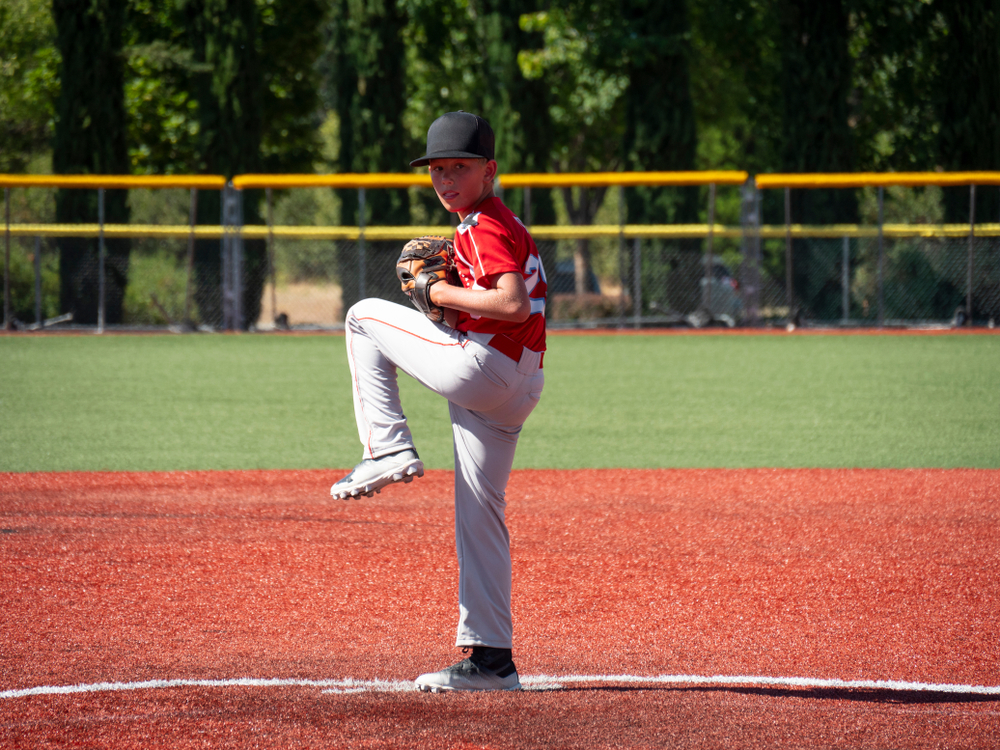
Why Balance and Control Matter
Balance and control are key to successful pitching. It’s important to teach young pitchers how to stay balanced during their pitch. This includes teaching them to keep their weight centered and follow through on their pitches. Good balance will help them have more control over the ball and decrease their chances of getting hurt.
How to Teach the Windup and Stretch
The windup and stretch are basic pitching moves that every young player needs to know. The windup is typically used when there aren’t any runners on base, while the stretch is used when there are. The best way to teach these moves is to break them down step by step and have the players practice them over and over.
First, explain and show the differences between the two, then walk your players through the steps:
- For the windup: Start with your feet shoulder-width apart, take a step back with the foot that’s not pitching, then pivot and lift your knee.
- For the stretch: Start with your feet together, pivot your front foot, then lift your knee to start the throw.
Practicing these steps will help young pitchers develop a rhythm and consistency in their pitching motion.
Training Under Tension: Game Reenactments
Training under tension is a crucial aspect of readying young pitchers for actual game situations. Game reenactments can assist players in acclimating to the intensity and pressure of real games. These reenactments should imitate actual game situations, including having runners on base, different counts, and varying weather conditions.
Consistent practice in these conditions will teach young pitchers to remain cool and collected, which is key to success on the field. Urge them to picture themselves in a game and to practice their mental routines as though it were a real scenario. This not only aids in their physical abilities but also develops mental resilience.
Getting Ready in Body and Mind
It’s important to get young pitchers ready both in body and in mind. This means building up their strength, flexibility, and stamina, and also helping them to be resilient and focused.
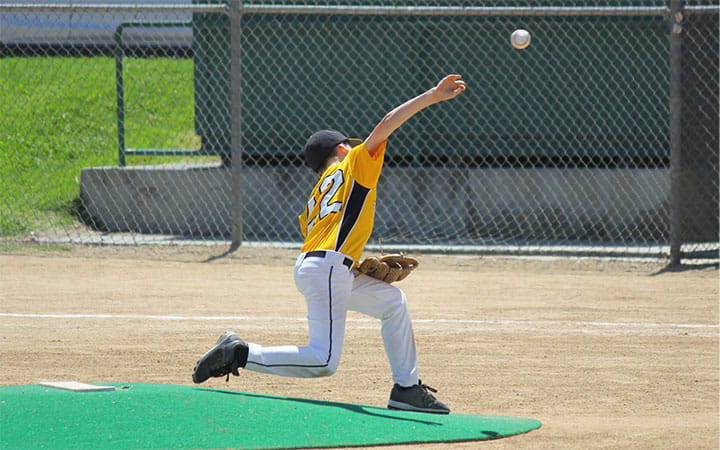
Preserving the Health of the Pitcher: Stopping Injuries Before They Start
Any coach working with young pitchers should have injury prevention at the top of their list. The right warm-ups and cool-downs, coupled with stretching exercises, can help keep injuries at bay. Teaching the right pitching mechanics is also key to reducing strain on the arm and shoulder.
Furthermore, keeping track of the number of pitches and making sure that young pitchers don’t throw too many innings can help avoid injuries from overuse. Encourage players to speak up if they feel any discomfort, and ensure they have plenty of rest between games and practices. For more guidance, consider exploring youth pitching instruction resources to enhance your coaching techniques.
Psychological Strength: Dealing with Game Scenarios
Psychological strength is a key element of a triumphant pitcher. It’s important for young players to learn how to deal with stress and keep their concentration during games. This includes instructing them to remain composed, envisage victory, and use affirmative self-talk to enhance their self-assurance.
Practicing mindfulness techniques, such as deep breathing exercises, is one way to help players stay relaxed and focused. Encourage them to develop a routine that they can use during games to help them stay in the right mindset. For additional support, consider incorporating youth pitching instruction into their training to enhance their overall performance.
Building Confidence with Practice
Consistent practice and positive reinforcement will build confidence in young pitchers. Encourage them to set attainable goals and track their progress. Celebrate their achievements, no matter how small, and help them learn from their errors.
- Establish clear, achievable objectives for every training.
- Offer praise and helpful feedback.
- Urge athletes to evaluate their own performance and pinpoint areas they need to work on.
When the emphasis is on progress rather than perfection, young pitchers will feel more confident in their skills and find the game more enjoyable.
Typical Hurdles and Errors
Training youthful pitchers accompanies its own arrangement of difficulties. Understanding these normal entanglements can assist you with directing your players all the more viably. From over-pitching to mechanical mistakes, realizing how to address these issues is fundamental for their turn of events.
Steer Clear of Over-Pitching and Exhaustion
Over-pitching is a prevalent problem among youth players, resulting in exhaustion and possible injuries. It’s important to keep track of the number of pitches and make sure pitchers get enough rest between games. For more insights, check out common youth baseball coaching mistakes and how to avoid them. Encourage players to be open about their physical and emotional well-being.
By using a structured practice schedule that includes days off and cross-training, you can help prevent burnout. This balance of workload and recovery can help young pitchers maintain their performance and stay healthy. For more insights on practice planning, check out this guide on running youth baseball practice.
Finding and Fixing Technical Mistakes
Technical mistakes are a frequent occurrence in young pitchers and can have an impact on their performance and raise the likelihood of injury. To assist them in improving, routinely evaluate your players’ pitching techniques and give specific feedback.
Employ video analysis to pinpoint problems and team up with your players to solve them. Concentrate on one or two main areas at a time to keep from overloading them. Young pitchers will cultivate more potent and streamlined pitching motions by continually honing their mechanics.
Finding the Right Mix of Competition and Learning for Kids
Although competition is a key component of any sport, it’s crucial to strike a balance with learning and skill development. Highlight the significance of trying hard and getting better, rather than just winning. Motivate the kids to relish the journey and concentrate on their own progress. For more insights, check out these youth baseball coaching tips to help hitters reach their full potential.
By creating a nurturing and optimistic atmosphere, you can instill a passion for the game and a drive to get better in young pitchers. This equilibrium will result in players who are more focused, driven, and excited to learn and excel.
Encouraging Young Pitchers to Reach Their Full Potential
One of your key responsibilities as a coach is to encourage young pitchers to achieve their best. You can do this by setting goals, monitoring progress, and recognizing successes, which will inspire your players to aim high.

Establishing Objectives and Monitoring Improvement
Creating realistic, attainable objectives can be a powerful tool for inspiring young pitchers. Collaborate with your athletes to set both immediate and future objectives, and consistently monitor their improvement. For more guidance, explore tips for Little League coaches to enhance your coaching strategies.
Employ both statistical and observational methods to track their progress. Celebrate their achievements and inspire them to think about how far they’ve come. By emphasizing progress and improvement, you can motivate your young pitchers to reach their potential and have fun playing the game.
Encouraging Young Pitchers to Reach Their Full Potential
One of the most important roles you have as a coach is to encourage your young pitchers to achieve all that they can. You can do this by setting goals, monitoring their progress, and celebrating their successes. This will inspire your players to aim high.
Creating Objectives and Monitoring Improvement
Creating realistic, attainable objectives is a powerful method to inspire young pitchers. Collaborate with your athletes to create both immediate and future objectives, and consistently monitor their improvement. Utilize a mix of numerical and descriptive measures to evaluate their progress. Recognize achievements and motivate athletes to contemplate their path. By emphasizing advancement and enhancement, you can motivate your young pitchers to accomplish more and appreciate the sport.
Encouraging a Passion for Baseball
For young pitchers to really feel inspired, they need to develop a passion for baseball. Get them to explore all facets of the game, not just pitching. This includes strategy and teamwork. Arrange enjoyable activities and exercises that build team spirit, all while emphasizing the fun of playing baseball. If young players are passionate about the game, they’re more likely to stick with it and stay motivated.
Applauding Achievements and Learning from Losses
Applauding achievements and learning from losses are both crucial for development. Acknowledge and celebrate your players’ victories, whether they win a match or learn a new technique. Use losses as opportunities to teach, helping them realize that setbacks are part of the learning journey. By creating a positive and encouraging atmosphere, you can help young pitchers develop resilience and self-assurance.
Common Questions
As a youth baseball pitching coach, you might have a few questions about the best way to do things and what problems you might run into. Here are some common questions that can help you out:
At what age can a child start pitching in baseball?
Kids can start learning how to pitch when they are 8 years old. But, it’s crucial to concentrate on teaching them the basic mechanics and gradually increasing their strength. At this age, fun and skill development should be prioritized over competition.
How frequently should young pitchers practice?
Youth pitchers should practice pitching around 2-3 times per week, and each session should last approximately 30-45 minutes. This gives them the opportunity to improve their skills without overusing their arms. It’s also important that they engage in other baseball activities to develop well-rounded skills.
What injuries do young pitchers often sustain?
Young pitchers often suffer from overuse injuries, like Little League shoulder and elbow. These injuries are typically caused by throwing too much or using the wrong mechanics. To avoid injuries, keep track of how many pitches they throw and stress the importance of using the right technique.
What can I do to boost my child’s pitching confidence?
Boosting confidence in young pitchers involves providing positive reinforcement and constructive feedback. Encourage them to set achievable goals and celebrate their progress. Help them visualize success and develop a pre-pitch routine to increase their confidence.
Here is the rewritten content:
- Create reachable goals and monitor improvement.
- Give encouraging praise and constructive criticism.
- Promote mental imagery and mental readiness.
By concentrating on these methods, you can assist your child in building self-assurance and having fun with pitching.
Are there certain pitches young players should stay away from?
Indeed, young pitchers should refrain from throwing breaking pitches such as curveballs and sliders until they have physically matured, typically around the ages of 14-16. These pitches can put extra strain on growing arms. Instead, concentrate on perfecting fastballs and changeups.
How do I know if my kid is pitching right?
Watch your kid’s pitching form for balance, control, and smoothness. Use video analysis to spot any problems and compare their form to proven techniques. If you’re worried about their form, get a professional coach’s opinion.
How can I tell if my pitcher is getting tired?
If your pitcher is getting tired, you might notice that they’re throwing slower, having trouble controlling the ball, or changing their throwing mechanics. If your child says their arm hurts or they seem tired, make sure they take a break right away. Make sure they know they can talk to you about how they’re feeling while they’re pitching and afterwards.
Should you keep track of how many pitches a young player throws?
Definitely, keeping an eye on pitch count is key to avoiding overuse injuries. Set pitch limits that are appropriate for your child’s age and ability, and make sure they stick to these limits in games and at practice. It’s also important to make sure they get enough rest between pitching sessions to recover. For more insights on youth pitching, you can explore youth pitching instruction that every coach and pitcher needs.
“The only place success comes before work is in the dictionary.” – Vince Lombardi
These guidelines are designed to help you coach your youth baseball pitchers in a way that is both safe and effective. The ultimate goal is to help them develop a lifelong love of baseball and to foster personal growth and development.

Leave a Reply