Quick Summary
- Little League coaching builds confidence and teamwork in young players.
- Setting clear expectations and goals is crucial for success.
- Effective communication with both kids and parents enhances team dynamics.
- Practices should focus on key drills like catching, throwing, and batting.
- Fostering a love for baseball is as important as teaching skills.
Why Little League Coaching Matters
Little League coaching isn’t just about teaching kids how to play baseball. It’s about building confidence, encouraging teamwork, and cultivating a lifelong love for the sport. As a coach, you have the power to shape young minds and inspire them both on and off the field. Let’s dive into why this role is so crucial.
Developing Self-Esteem and Cooperation in Young Athletes
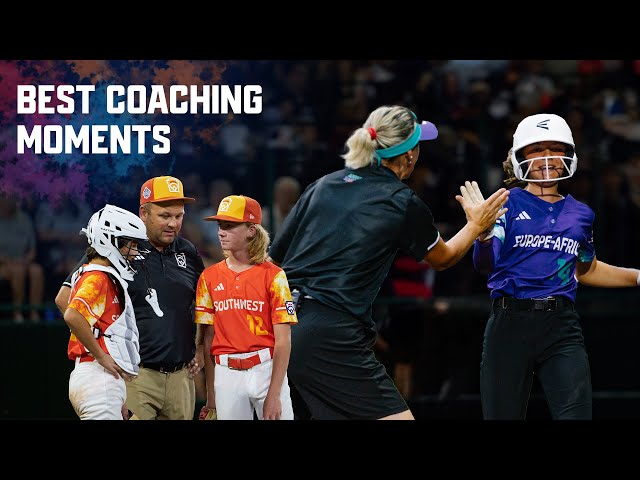
A central aim of Little League coaching is to assist young players in developing self-esteem. This isn’t just about improving at baseball; it’s about enhancing their self-confidence and instructing them on how to operate as part of a group. When children are confident, they are more likely to take chances, experiment with new things, and learn from their errors.
Little League also teaches kids the importance of teamwork. By striving for a shared objective, players build a sense of fellowship and understand the significance of having each other’s backs. This skill is crucial not only on the field, but also in daily life.
Developing a Passion for Baseball
At its core, Little League is about developing a passion for baseball. When children find joy in the game, they’re more likely to persist in playing it and continue to do so for many years. This passion for the game can result in a lifetime of pleasure, whether they’re participating in a laid-back weekend league or simply watching a game on television.
As a coach, you have the responsibility to make practices and games enjoyable and interactive. Motivate players to give their all, but also let them know that making mistakes is part of the process. In the end, baseball is a game, and games are meant to be enjoyable!
The Significance of Role Models in Youth Sports
As a coach, you are a role model for your young athletes. The way you behave, your attitude, and your approach to the game will shape how your players view sportsmanship and competition. It’s crucial to set a good example and show the values you want your players to learn. For practical tips on setting an example, check out these youth baseball practice tips.
Think about this statement from an experienced coach:
“The most successful coaches are the ones who treat their players, opponents, and the sport with respect. They teach children not just how to succeed, but how to handle failure with grace and take lessons from every experience.”
Setting a positive example involves demonstrating respect, promoting fair play, and fostering a healthy balance between competitiveness and fun.
Crucial Advice for First-Time Little League Coaches
Having grasped the significance of coaching in Little League, we will now delve into some crucial advice for first-time coaches. This advice will assist you in laying the groundwork for a triumphant season and cultivating an uplifting experience for your team. For additional guidance, explore this guide on running youth baseball practice effectively.
Establishing Clear Expectations and Goals
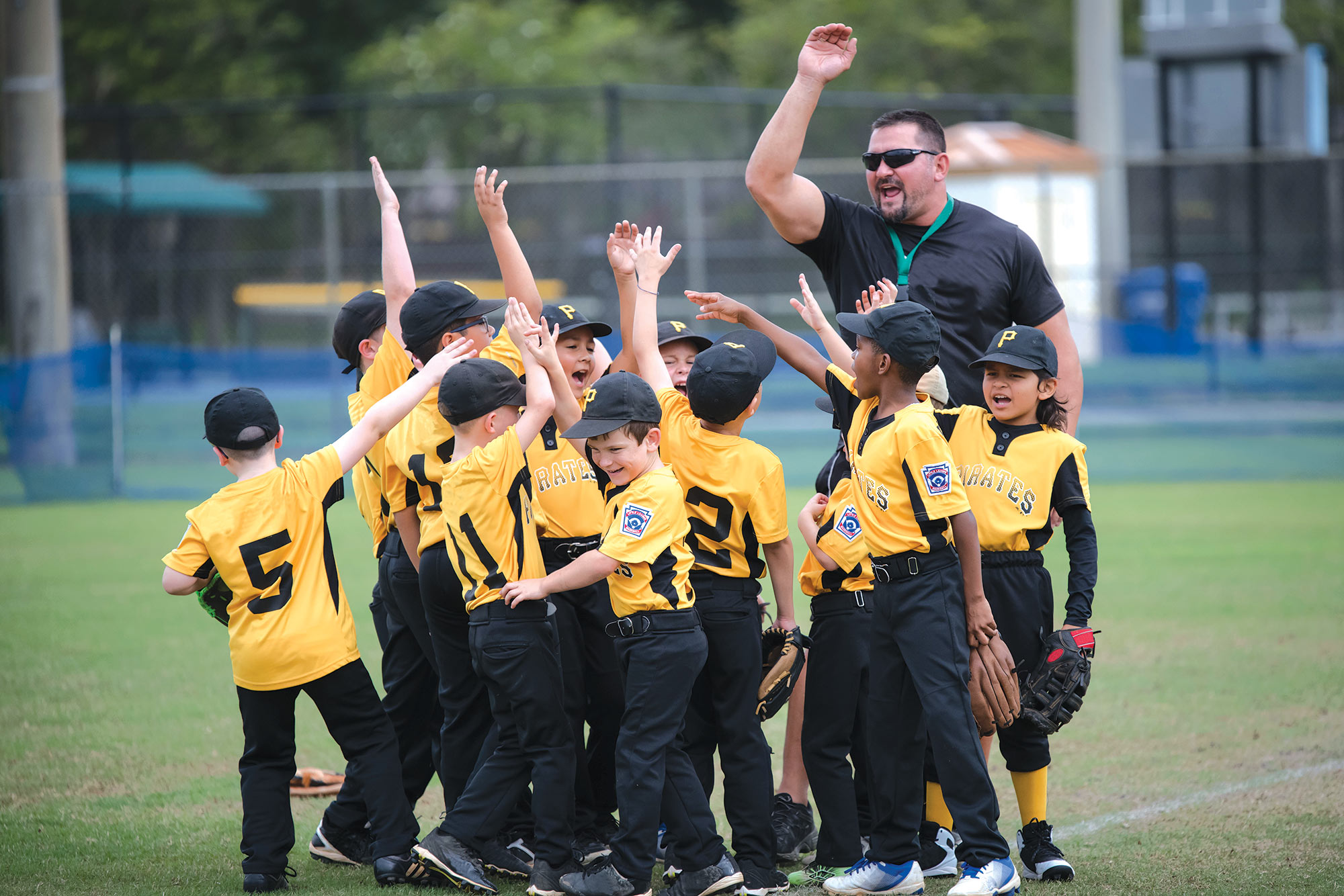
As a coach, one of the first things you need to do is establish clear expectations and goals for your team. This includes both individual and team goals. When players have a clear idea of what they’re working towards, they can focus their efforts and track their progress. For more insights, check out these youth baseball practice drills and tips to help guide your team effectively.
- Chat about your aspirations with your team at the start of the season.
- Establish objectives for both the near and far future.
- Urge players to establish individual aspirations in addition to team aspirations.
Keep in mind that aspirations should be practical and attainable. Celebrate minor triumphs along the journey to maintain high levels of motivation. For additional guidance, consider exploring tips on running a youth baseball practice effectively.
Talking to Kids and Parents the Right Way
Good communication is the secret to a great coaching experience. It’s crucial to keep the communication lines open with both your players and their parents. This makes sure everyone is in the loop and helps to create a positive team atmosphere. For more insights, check out these youth baseball coaching tips.
Here are some tips for communicating effectively:
- Regularly schedule parent-coach meetings to talk about how the team is doing and to deal with any issues.
- When talking to players, use language that is easy to understand.
- Encourage players to ask questions and share their ideas.
By maintaining open and honest communication, you will foster a supportive environment where everyone feels listened to and appreciated. For more tips, explore how to run a youth baseball practice effectively.
Establishing a Supportive and Secure Atmosphere
As the coach, it’s your duty to establish a supportive and secure atmosphere for your team. This entails making sure that practices and games are carried out in a manner that emphasizes safety and promotes positivity.
Think about the following to create this environment:
- Stress the significance of being a good sport.
- Make sure all gear is safe and well-maintained.
- Deal with any bullying or negative attitudes right away.
Creating a positive and safe atmosphere will help your players fall in love with the game and make friendships that will last a lifetime.
Essential Drills for Effective Little League Practices
Drills are a crucial component of Little League practices. They assist players in honing vital skills and enhancing their overall game performance. Let’s delve into some essential drills that every Little League coach should include in their practices.
- Catching and Throwing Basics
- Hitting Tips and Techniques
- Fielding Drills and Tactics
- Running the Bases 101

Each of these drills targets a different part of the game, making sure your players are well-rounded. In the next section, we’ll go into more detail on these drills and give you a step-by-step guide on how to run them effectively. For more insights, check out advice for Little League coaches.
Teaching Catching and Throwing
One of the first things you should teach your Little League players is how to catch and throw properly. Make sure they know how to hold the ball correctly, with their fingers positioned over the seams for better control and precision. These skills should be practiced often until they become automatic. For more guidance, consider these youth baseball practice drills and tips to enhance their training sessions.
Start with basic drills where players stand a short distance from each other and throw the ball back and forth. Encourage them to concentrate on correct form, watch the ball, and catch with both hands. As their confidence and skills improve, slowly increase the distance.
Hitting Tips and Tricks
Swinging the bat can be one of the most thrilling parts of baseball, but it takes time and practice. Begin by showing your players the right way to stand at the plate: feet should be the same width as the shoulders, knees should be a little bent, and weight should be balanced. The bat should be held in a relaxed grip, with the hands lined up and the elbows a bit bent. For more detailed advice, check out these swing plane tips to enhance your players’ hitting skills.
Urge your players to pay attention to their swing mechanics. They need to keep their eyes on the ball, step forward with their front foot, and follow through with their swing. Utilize tee drills and soft toss exercises to assist your players in honing their batting abilities. Consistency is crucial, so regular practice is necessary to build muscle memory.
Fielding Drills and Techniques
Fielding requires both anticipation and quick reflexes. Instruct your players to stay on their toes, ready to move in any direction at a moment’s notice. They should keep their glove low and their eyes on the ball as it comes their way. Regular practice with ground balls and pop flies will help them build confidence in their fielding skills.
Teach your players about different fielding situations like double plays and relay throws so they can better understand the game. Make sure they know how important it is to communicate with each other, as this is key to fielding successfully. If they practice these strategies, they’ll learn to cooperate and make wise choices during the game. For more tips on running effective practices, check out this guide on youth baseball practice drills.
Essentials of Running Bases
Running bases is not just about how fast you are; it’s about making the right choices. Show players the importance of taking off from the base quickly and keeping their eyes on the ball. Practice running from one base to another, concentrating on making fast turns and moving efficiently. For more drills and tips, check out this guide on running youth baseball practice.
Teach your players how to slide so they can get to the base safely and quickly. Set up practice drills that mimic game situations using cones or markers. If they know when to take a chance and when to play it safe, they’ll be better base runners.
Creating a Flexible Coaching Plan
A flexible coaching plan is crucial for adjusting to the different needs of your team. Begin by evaluating the abilities of each player and pinpointing areas that need improvement. This will allow you to customize your approach and make certain that every player gets the direction they need to excel.

Staying open-minded and adaptable is key. Welcome suggestions and ideas from your players and assistant coaches, and be ready to change your game plan if necessary. This will help you foster a positive and effective coaching environment that promotes player growth.
Adapting to Various Skill Levels
Each player has their own strengths and weaknesses, and it’s crucial to acknowledge and adapt to their individual skill levels. Develop drills and exercises that are suitable for different abilities, making sure that everyone is challenged at the right level. This could involve altering drills for beginners or teaching more complex techniques to more seasoned players.
When needed, give individualized coaching, providing customized feedback and encouragement. Celebrate improvement and inspire athletes to set their own objectives. By identifying and fostering each player’s talents, you can assist them in achieving their best.
Getting Ready for Game Day
Being prepared is the first step to having a successful game day. Begin by setting up your lineup and placing players in positions that match their strengths and skills. Make sure that everyone knows what they’re supposed to do and where they’re supposed to be on the field.
Before the game starts, have a meeting to go over your game plan and what you expect from your players. Remind them that working together, talking to each other on the field, and being good sports are key. Let them know that you want them to stay in the game and try their hardest, no matter what the score is.
Get to the field ahead of time on game day so you can get in some warm-ups and give any last-minute directions. Keep things upbeat and encouraging, and remind the kids that the main point of playing is to have a good time and enjoy the game. For more tips on how to conduct an effective practice, check out this youth baseball practice guide.
Reviewing Game Results and Key Takeaways
Once every game is over, make sure to review your team’s play. Talk about what the team did right and pinpoint what needs to be worked on. Get your players to open up about their thoughts and experiences, which will help them feel more involved and responsible. For more advice, check out this free advice for Little League coaches.
Take these insights and apply them to future practices, tweaking your coaching approach as necessary. Each game is a learning experience, and by taking something away from each one, players can continue to develop and improve. Remember, every game is a chance to get better. For more advice, check out some free coaching advice.
Encouraging Lifelong Love and Growth in the Game
Your primary objective as a coach is to encourage a lifelong love and growth in the game for your team. This involves making sure to maintain a balance between developing their skills and having fun, and ensuring a positive experience that keeps the kids interested and passionate about the sport.
Consider this example: “One coach noticed that his team was losing interest during practices. He was able to reignite their passion for baseball and improve their skills at the same time by incorporating fun games and challenges.”
Encourage players to explore different aspects of the game, from pitching to fielding to base running. They’ll develop a well-rounded understanding of baseball and discover their unique strengths and interests by exposing them to various roles and responsibilities.
First and foremost, always remind your players that baseball is a game and it should be fun. Celebrate their accomplishments, whether they’re big or small, and make sure they know they’re appreciated and valued. If you can instill a love of the game in them, they’ll carry that with them for the rest of their lives. For more insights on how to enhance your coaching techniques, check out these youth baseball coaching tips.
Striking a Balance Between Fun and Competition
Although competition is an inherent aspect of sports, it is crucial to strike a balance with fun. Inspire the players to concentrate on their individual growth and improvement, instead of merely focusing on winning. Highlight the significance of teamwork, sportsmanship, and relishing the game.
Keep practices fun and interesting by using unique drills and games. Let your players have a say in what activities you do and make sure they’re encouraging and cheering each other on. By fostering a positive and inclusive environment, you’ll make your players fall in love with the game and want to keep playing.
To sum up, coaching Little League is a fulfilling role that enables you to positively influence young sportspeople. By emphasising skill improvement, clear communication, and nurturing a passion for the sport, you’ll assist your team in maturing both on the pitch and in everyday life. Don’t forget, the key is to establish a setting where children can learn, enjoy themselves, and cultivate a lasting love for baseball.
Fostering Personal Development Off the Diamond
Little League baseball isn’t just a sport; it’s a chance to impart important life skills to children that they can use off the diamond. As their coach, you can instill values like determination, respect, and collaboration in your team members. These lessons will benefit them in all aspects of their lives, from academics to their eventual professions.
Push your players to set their own goals and strive to reach them. Applaud their victories, no matter how minor, and remind them that every step forward is a step in the right direction. By emphasizing personal growth, you’re helping your players build a foundation of confidence and resilience that will stay with them forever.
Common Questions and Answers
When you’re a Little League baseball coach, you’re bound to run into some obstacles and have a few questions. Here are some common questions that new coaches often have, along with some helpful tips to help you overcome these challenges.
What is the age range for Little League?
Little League baseball usually involves kids from ages 4 to 16, and it’s divided into different divisions according to age and skill level. Divisions start from Tee Ball for the youngest ones and go up to the Senior League for the older, more skilled players. Each division is structured to offer challenges and growth opportunities suitable for the age group. For coaches looking to enhance their training methods, exploring youth baseball practice drills can be incredibly beneficial.
What should I do when dealing with challenging parents or players?
It’s not easy to manage challenging parents or players, but it’s crucial to handle these situations with patience and empathy. Start by hearing out their issues and validating their emotions. Speak in a transparent and respectful manner, and collaborate to discover a resolution that is advantageous to all parties. For more advice on coaching, check out free advice for Little League coaches.
What can I do if my team is losing frequently?
Losing is an inevitable aspect of sports, and it’s crucial to instruct your players on how to deal with it gracefully. Concentrate on the positives, like advancements in individual abilities or team collaboration. Encourage players to view their mistakes as opportunities for improvement and growth. Remind them that effort and attitude are just as important as the final score.
Here are some tips to help your team deal with losses: consider incorporating youth baseball practice tips to improve skills and morale.
- Hold a team meeting to discuss what went well and what could be improved.
- Encourage players to support and uplift each other.
- Set small, achievable goals for the next game.
How can I motivate a player who wants to quit?
When a player expresses a desire to quit, it’s essential to understand their reasons. Have an open and honest conversation with them, and try to address any concerns they may have. Encourage them to stick with the team and remind them of the positive experiences they’ve had.
Think about providing extra assistance like individual coaching or changing their team position. Showing them that you care about their health and achievements might help them regain their passion for the game. For more insights, check out these youth baseball coaching tips.
How can you tell if a young athlete is experiencing burnout?
Burnout is a real risk for young athletes who may feel overworked or stressed due to their sports commitments. Some of the signs to watch for include a reduced level of excitement, tiredness, crankiness, and a lack of drive. If you observe these signs, it’s crucial to tackle them as soon as possible.
How can I help players improve their batting skills?
Improving batting skills takes time and practice. Start by breaking down the swing into manageable steps and focusing on proper mechanics. Use drills such as tee work and soft toss to help players develop their technique and build confidence.
Give positive criticism and support, and remind players that getting better takes consistent work. Celebrate their growth and keep practices interesting to keep their interest and excitement.
- Before stepping up to bat, players should be encouraged to visualize successful swings.
- Video analysis can be used to help players identify areas where they need to improve.
- By incorporating fun games and challenges, batting practice can be made more enjoyable.
What should be included in a parent-coach meeting?
The parent-coach meeting is a crucial opportunity to open up communication and set expectations for the season. Discuss things like team goals, practice schedules, and your coaching philosophy during these meetings. Parents should be encouraged to ask questions and voice any concerns they might have.
Additionally, it’s crucial to handle the practicalities, like how to get to and from games, what equipment is required, and how parents can get involved. Building a cooperative relationship with parents will help create a nurturing atmosphere for the players.
How can I make sure each player gets the same amount of playtime?
Keeping each player’s playtime equal is key to keeping up team morale and making sure everyone has a good time. You can develop a rotation system to make sure each player gets to try different positions and gain important game experience.
Let both the players and their parents know about your playtime philosophy, and stress that growth is more important than victories. By putting an emphasis on fairness and inclusion, you’ll build a team environment where everyone’s input is valued.
Wrapping up, being a Little League baseball coach is a fulfilling role that lets you positively influence young players. Concentrating on honing skills, clear communication, and nurturing a passion for the sport will aid your players in maturing both in and out of the game. Don’t forget, the key is to cultivate a setting where children can learn, enjoy themselves, and foster a lasting love for baseball.
Coaching a Little League baseball team requires patience, knowledge, and the ability to teach young players the fundamentals of the game. As a coach, it’s important to focus on developing the skills of each player while also fostering a sense of teamwork and sportsmanship. One effective way to enhance your coaching strategy is by incorporating various drills into your practice sessions. For example, you can use youth baseball practice drills to help players improve their batting, fielding, and pitching techniques.

Leave a Reply