Coaching youth baseball is more than just teaching the sport; it’s about fostering a space where kids can learn, develop, and have fun. By taking the right approach, you can instill a lifelong passion for baseball. Let’s explore how to do this.
Summary
- Start each practice with energy and enthusiasm to create a positive environment.
- Use dynamic warm-ups to get players physically and mentally ready.
- Concentrate on key drills that improve throwing, catching, and hitting abilities.
- Create practice plans with clear goals to balance skill building and enjoyment.
- Promote teamwork and communication with interactive activities.
Starting Youth Baseball Practices with Energy
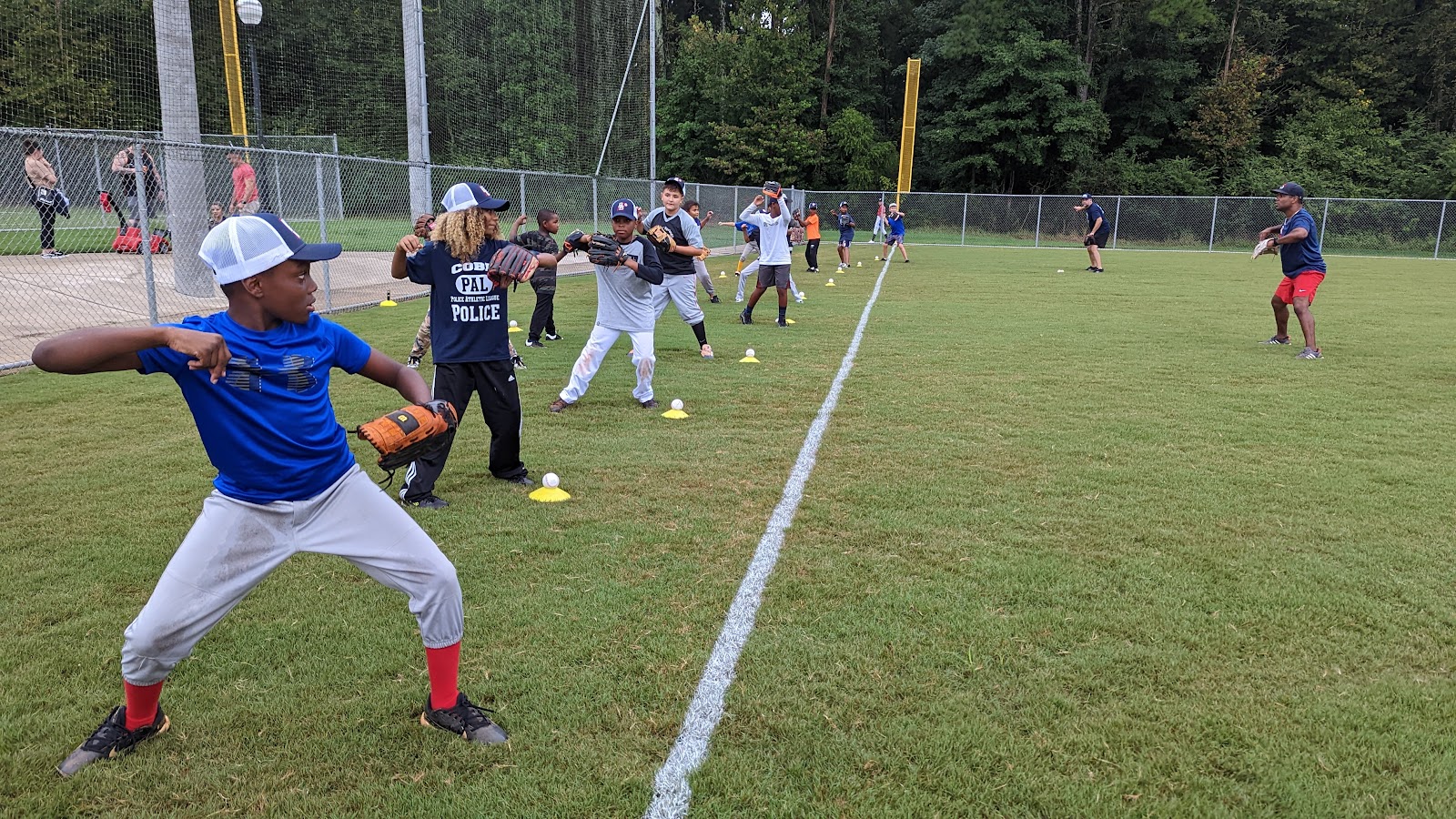
The start of practice is key. It establishes the mood for the rest of the session. As a coach, your energy and enthusiasm can be infectious. By starting practice on a positive note, players are more likely to participate and give their all.
Setting a Positive Tone
Set a positive tone by saying hello to each player by name as they arrive. This small action makes them feel appreciated and part of the team. Share a brief story or highlight from a previous game to remind them of their growth and successes. This fosters confidence and anticipation for the practice ahead.
Fun Warm-Up Exercises
Warm-ups are not just about stretching. They are a chance to get players involved and ready for the upcoming drills. Dynamic warm-ups like jogging, high knees, and arm circles, can increase heart rates and improve flexibility. But more importantly, they get players mentally prepared to concentrate and perform. For more insights on preparing players, check out these youth baseball coaching tips.
Think about adding some fun to your warm-up routine. Relay races or basic games like tag can make warm-ups fun while still being effective. The goal is to keep players moving and interacting with each other, building a sense of team spirit.
Key Drills for Improving Skills
Drills are the heart and soul of every good baseball practice. They help players improve their basic skills, which are vital for their improvement in the sport. For a structured approach, consider using The Perfect 90 Minute Youth Baseball Practice Plan to ensure every practice is effective. Let’s take a look at some key drills that every youth baseball practice should have.
Basics of Throwing and Catching
Baseball is built on the fundamentals of throwing and catching. Begin with simple drills that highlight correct form. Have the players pair up and practice throwing to each other, with a focus on precision and technique. Remind them to step into their throws and to follow through with their arms. For more on effective practice sessions, check out these youth baseball practice drills.
Start off with catching exercises that increase self-assurance. Start with gentle throws and slowly raise the distance as the players get more at ease. Stress the need for catching with both hands and keeping the ball safely in the glove.
Teaching Batting Practice
During batting practice, players learn how to hit the ball and improve their swing. You can create a batting station where players take turns hitting off a tee or soft toss. Make sure to teach them the basics of how to stand, how to hold the bat, and how to swing. For a comprehensive guide, check out The Perfect 90 Minute Youth Baseball Practice Plan.
“For instance, while we were practicing batting, I noticed one of the kids was having a hard time with their stance. I helped them adjust their feet and showed them the correct way to grip the bat. By the end of practice, they were hitting the ball much harder and with a lot more confidence. For more tips on improving young hitters’ skills, check out these youth baseball coaching tips.”
Include drills with live pitching to mimic real game scenarios. This will assist players in improving their timing and pitch identification. Encourage them to keep their eyes on the ball and strike it with the bat’s sweet spot.
How to Manage Your Time
Proper time management is key to having a productive practice. You want to make sure every minute is used to its full potential, keeping players involved and on task.
- Before you step onto the field, have a practice plan broken down into time segments for each activity.
- Bring a stopwatch or timer to keep track of how long each drill lasts.
- Be adaptable and adjust the time for each drill based on how the players are doing.
Sticking to a schedule will help you run a structured practice that maximizes learning and skill development. It will also keep the practice moving so the players don’t get bored. For more tips on effective practice sessions, check out these youth baseball practice drills.
Think about kicking things off with drills that don’t take as long, then slowly making them longer as the players get better. This method keeps them focused and energetic during the whole practice.
Striking a Balance Between Improving Skills and Having Fun
Even though the main aim of practice is to develop skills, it’s just as crucial to include elements of fun. Striking a balance between these two aspects will make sure players stay excited and eager to come to practices.
Try incorporating little games or challenges that are relevant to the skills you’re working on. You could, for instance, have a fun competition to see who can throw the most accurately or hit the ball the farthest. These activities not only strengthen skills but also add a touch of fun to the practice.
Fun Approaches to Liven Up Baseball Practice
It’s important to keep practice sessions fun in order to keep players interested. By taking a creative approach, you can turn mundane drills into engaging activities.

One way to keep things exciting is by changing up the drills and activities every practice. This not only keeps players from getting bored, but also keeps them interested and excited to see what’s coming next. You can also switch things up by rotating through different stations, which can provide a nice change of pace.
Adding Some Fun Competition
Fun competition can be a great tool to get players motivated and create a healthy sense of rivalry. It’s important to focus these competitions on personal improvement instead of just winning.
Create games that are related to the skills you are trying to improve, such as a contest for the most accurate throw or a competition for the longest hit. Acknowledge and celebrate all victories, regardless of how small they may be, to increase the confidence of your players and motivate them to keep trying.
Station Drills with a Twist
Station drills are a great way to give each player the individual attention they need and to meet different skill levels within the team. You can set up several stations that each focus on different parts of the game, like hitting, fielding, and running bases.
Split the players into smaller teams and have them take turns at each station. This strategy allows the coaches to give specific feedback and guarantees that the players get a comprehensive practice session.
Engaging Team Activities
Team activities are great for fostering a sense of community and promoting teamwork. These activities can include anything from relay races to cooperative fielding drills.
For instance, set up a relay race where players have to accomplish a set of baseball-oriented tasks, like catching a fly ball, running the bases, and throwing to a target. These activities encourage communication and teamwork among teammates. For more tips, check out this guide on running a youth baseball practice.
Promoting Teamwork and Communication
Teamwork and communication are crucial for a winning baseball team. Fostering these abilities during practice can lead to improved performance during games.
Activities for Team Building
Adding team building activities to your practice sessions can help to build stronger bonds between your players and improve the overall dynamic of your team.
- Plan activities that encourage team bonding, like trust falls or group problem-solving exercises.
- During team meetings, invite players to share their thoughts and suggestions.
- Create a welcoming atmosphere where every player feels important and listened to.
These drills help players learn about each other’s strengths and areas for improvement, leading to a more unified and supportive team.
Moreover, they offer a break from the typical practice routine, making the sessions more fun and interactive.
Highlighting the Importance of Communication
Baseball is a sport that heavily relies on communication. Whether it’s calling out who’s going to catch a fly ball or discussing strategies for the next play, communication is crucial. Coaches should stress this point during practice.
Players should be motivated to utilize verbal cues and hand signals while doing drills. They should also practice situations where communication is key, such as passing on signals from the coach to the rest of the team.
By enhancing their communication skills, players can boost their confidence on the field. This will lead to better teamwork and performance. For a comprehensive approach to improving these skills, consider exploring youth baseball practice plans.
Wrapping Up Practice With Positivity
The way you wrap up practice can make a big impact on your players. By ending on a high note, you can make sure your players walk off the field feeling successful and excited to come back.
Wrap-Up and Review
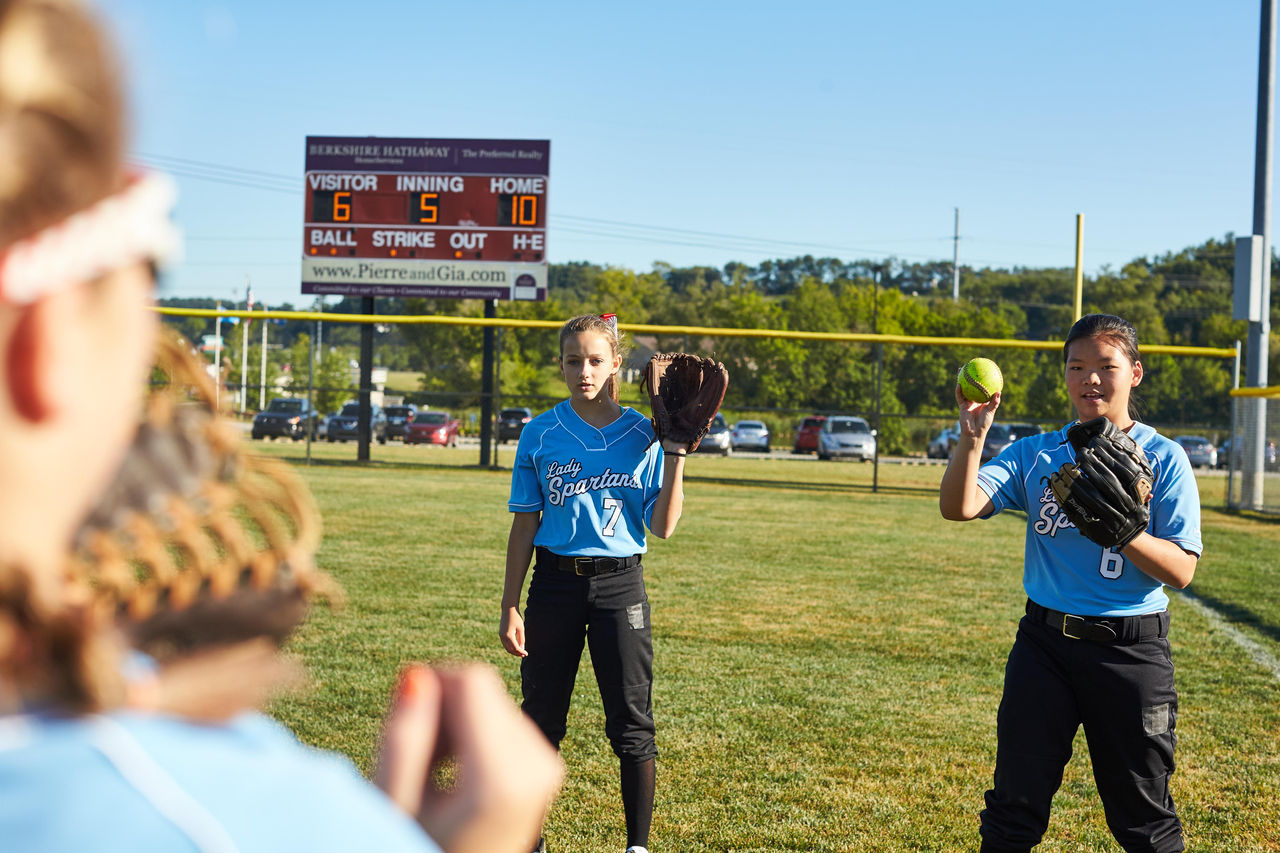
End each practice by going over what you did that day and giving feedback. Point out what the team did well and what they need to work on, both as a group and individually.
Players should be urged to express their feelings and experiences. This type of open conversation promotes a feeling of responsibility and ownership among the players, encouraging them to always seek to improve.
Boosting Morale at the End of Practice
Wrapping up the practice with some uplifting words and encouragement can drastically change how the players view their growth and dedication to baseball. Take a moment to celebrate any individual or team achievements from the practice. This could be something as small as recognizing a player who got better at a certain skill or commending the team’s hard work in a tough drill.
End the practice with a motivational quote or story that embodies the values of hard work and teamwork. Ask the players to think about what they learned and how they can use it in the next practices and games. This will not only end the practice on a high note, but it will also motivate the players to stay dedicated and enthusiastic about their baseball journey.
Common Questions
As a coach, you’re sure to face a myriad of questions from players, parents, and even your own mind. Here are some typical questions and answers to help steer your youth baseball practices.
How many times a week should youth baseball practices be held?
Typically, youth teams should practice 2-3 times a week. This schedule allows players to improve their skills without feeling too pressured. But the number of practices can change depending on the team’s age group and skill level. Younger players might benefit from shorter, more frequent sessions, while older players can manage longer practices. For more detailed guidance, check out this youth baseball practice guide.
How can I make sure practices are safe and free from injuries?
Keeping practices safe should always be your number one concern. Make sure players are using the right equipment, like helmets and protective gear. It’s also important to do warm-ups to prevent injuries, so always start with dynamic stretches and exercises. If players feel any discomfort or pain during drills, they should tell you, and you should be ready to change activities if needed.
How can I deal with varying skill levels during practice?
It can be a daunting task to handle different skill levels, but it is necessary for the team to work together. A good tactic would be to group the players according to their skill levels during drills. This way, you can give more specific instructions and make sure that each player is challenged in a way that is appropriate for them.
Furthermore, include exercises that allow for individualization, like station drills where players cycle through various assignments. This method provides each player the chance to work at their own speed and concentrate on particular skills.
What gear do you need for a youth baseball practice?
You will definitely need baseballs, bats, gloves, helmets, and bases at the very least. You can make practice more interesting and varied by bringing along additional gear like batting tees, cones, and training aids. It’s also a good idea to keep a first aid kit around in case of any small injuries.
How can I get parents involved in practice?
Parents can be a great resource in helping the team succeed. Getting them involved in practice can make the experience better for everyone. Consider using resources like The Perfect 90 Minute Youth Baseball Practice Plan to structure engaging sessions that include parent participation.
- Ask parents to assist with setting up and tearing down equipment.
- Urge them to join in team-building exercises or warm-ups.
- Arrange parent-player games or gatherings to promote community spirit.
By engaging parents, you build a nurturing environment that benefits players both on and off the field.
How can you tell if your practice sessions are working?
If your players are focused, you’re communicating well, and you can see their skills improving, then you’re probably running an effective practice. They should feel like they’ve been pushed, but also like they’ve achieved something. If they’re always keen to come back, and they’re getting better all the time, then you’re doing something right.
What are some ways to modify drills for younger players?
Younger players tend to have less focus, so it’s important to keep drills quick and diverse. Concentrate on fundamental skills and make the drills enjoyable by adding games and challenges. Make the instructions easy to understand and give lots of praise and positive reinforcement to keep them excited. For more ideas, check out these youth baseball practice drills that can be adapted for younger players.
How can you handle players who lack motivation?
It’s not uncommon for motivation levels to ebb and flow, particularly in younger players. To keep them interested, set goals that they can realistically achieve and make a point of celebrating even the smallest victories. Get to know what makes each player tick and tailor your approach to suit. You might find that all it takes is a slight change in routine or a fresh challenge to rekindle their love of the game.
Keep in mind that your energy as a coach is infectious. By keeping a good mood and showing real interest in each player’s growth, you can motivate even the most unenthusiastic players to give it their all.

Leave a Reply