Important Points
Rewrite the following human content into AI content:
- For kids aged 6 to 13, select a glove size between 10.5″ and 11.5″, depending on their position.
- Leather gloves are more durable and perform better than synthetic gloves.
- Closed web designs are beneficial for infielders, while outfielders should go for open web styles.
- Always let your child try on the glove before buying to ensure it fits properly.
- Break-in time is important; a well-broken-in glove increases comfort and performance.
How to Choose the Ideal Youth Baseball Glove
Picking the right baseball glove for your child can seem daunting, but it’s essential for their enjoyment and success in the sport. A well-fitted glove increases confidence and helps them play at their best. Let’s explore how you can make the best choice for your young player.
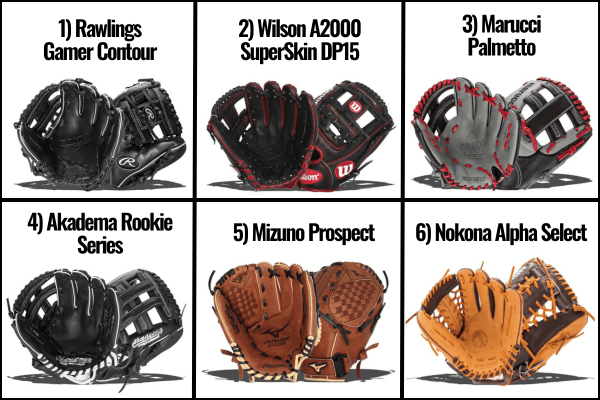
Why the Correct Glove Matters
Choosing the correct youth baseball glove is crucial. A glove that fits correctly will enable your child to catch and field the ball with greater ease, lessening their frustration and boosting their enjoyment of the game. Consider it as a second skin—comfortable, dependable, and always prepared for play.
Additionally, a good glove can help to keep your child safe. It can provide the needed protection for their hand, particularly when there are fastballs that they weren’t expecting. A glove that is too big or too small could result in missed catches and could even lead to accidents.
Performance and Safety Effects
Choosing the right glove is not only important for performance but also crucial for your child’s safety on the field. A glove that fits properly will help them catch the ball more securely, which is important for both infielders and outfielders. Moreover, a glove that can be opened and closed easily will allow your child to react faster to plays, increasing their confidence and skill level.
What to Look for in a Youth Baseball Glove
There are a few key things to keep in mind when shopping for a glove. You’ll want to make sure it’s the right size for your child’s age and position, that it’s made of a material they like, and that the webbing is right for the position they play. Each of these factors will have a big impact on how well the glove works on the field.
- Getting the Right Size
- Choosing the Best Material
- Different Types of Webbing

One of the most important aspects to consider when buying a youth baseball glove is the size. For kids aged 6 to 13, the glove size should usually be between 10.5″ and 11.5″. However, the position your child plays can also affect the size of the glove. Infielders often need smaller gloves to make it easier to transfer the ball quickly, while outfielders may need larger gloves to give them a longer reach.
Here’s a brief guide:
- 6-8 years old: 10.5″ to 11″
- 9-13 years old: 11″ to 11.5″
It’s important to measure your child’s hand and try on different sizes. A glove that’s too big can be difficult to handle, while one that’s too small might be uncomfortable and limiting.
Choosing the Right Material: Leather or Synthetic?
When deciding between leather and synthetic materials, think about how long the glove will last and how comfortable it will be. Leather gloves tend to last longer and offer a better grip, making them perfect for players who are passionate about baseball. Over time, they mold to the shape of the hand, creating a custom fit.
On the flip side, synthetic gloves are more lightweight and often less expensive. They’re a great option for those just starting out or those who play on a casual basis. However, they might not have the same longevity as leather gloves. For more tips on youth baseball, check out this guide on running a youth baseball practice.
First and foremost, take into account how often your kid will use the glove and their level of play. If they’re serious about baseball, it might be worth it to invest in a leather glove.
The Importance of Web Styles
The web style of a glove can greatly influence your child’s ability to catch and field the ball. Infielders usually prefer gloves with closed webs because they provide more support and make transferring the ball quicker. On the other hand, outfielders tend to favor open web styles because they provide better visibility and make catching fly balls easier.
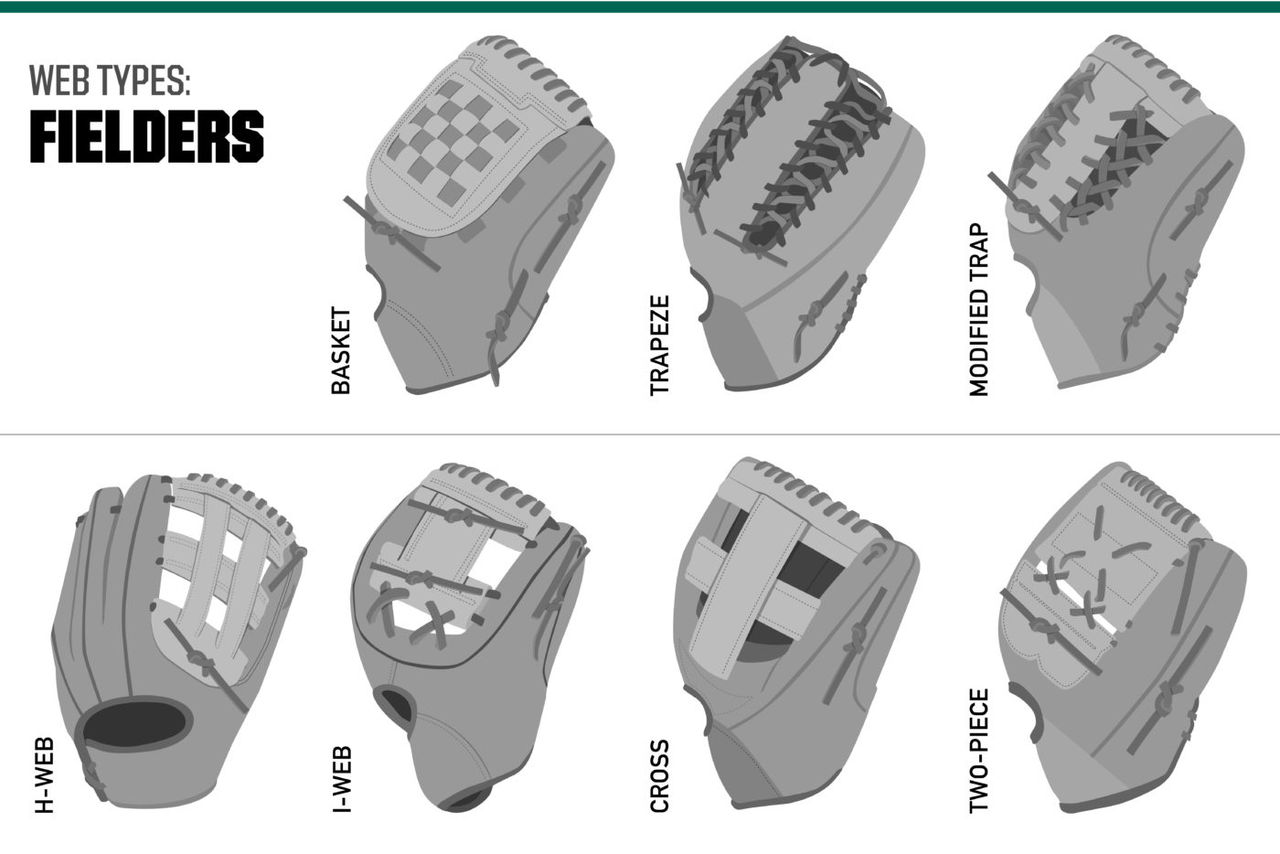
Here are some popular web designs:
- Closed Web: This is great for infielders as it offers support and quick transfers.
- Open Web: This is perfect for outfielders as it provides visibility and flexibility.
- Modified Trap: This is versatile and suitable for various positions.
Selecting the right web style will improve your child’s ability to perform specific tasks on the field, which makes it a critical factor when choosing a glove.
Why Your Child Should Try On Gloves Before Buying
One of the most important steps in buying a baseball glove for your child is having them try it on. This is crucial to making sure the glove fits their hand just right and doesn’t slip off. While it’s easier to shop online, going to a store lets your child feel the glove’s material and see how flexible it is. Have them open and close the glove to see how well they can control it. This can make a big difference in how comfortable they are with the glove and how well they play on the field. Additionally, you can explore youth baseball training equipment to further enhance their performance.
Thinking About Break-In Time
It’s important to break in a new glove to get the most out of it. When you first get a glove, it can be stiff and hard to use. Breaking it in softens the leather and makes it easier to use. There are a few ways to break in a glove, and which one you choose depends on how much time you have and what you prefer.
One of the most common ways to break in a glove is to simply play catch with it frequently. Over time, the glove will naturally become broken in. However, you can also use glove oil or conditioner to soften the leather. Simply apply a small amount of oil, work it into the glove, and then let it sit overnight. Just be sure not to use too much oil, as this can actually harm the leather.
Choosing a Brand and Model
When you’re in the market for a baseball glove, the brand is an important consideration. Rawlings, Wilson, and Mizuno are all reputable brands that are known for their quality and attention to detail. They all offer gloves that are specifically designed for youth players, so you can be sure that the glove will fit well and perform reliably. These gloves may be a bit pricier, but they tend to last longer and offer better value for your money.
Think about what your child needs in a glove and search for models that meet those needs. For beginners, there are budget-friendly options available that still provide good quality. However, if your child is more advanced, it might be worth the cost to invest in a higher-end glove.
Taking care of your Baseball Glove
With the right care and attention, your kid’s baseball glove can last for many seasons. Keeping it clean and well-maintained will stop dirt and grime from wearing down the leather, while storing it correctly will prevent it from losing its shape.
Keeping Your Glove Clean and Maintained
After each use, gently wipe down the glove with a damp cloth to remove any dirt or sweat. If you need to do a more thorough cleaning, use a leather cleaner that’s made specifically for baseball gloves. Use a soft cloth to apply the cleaner, rubbing it into the leather in a circular motion. After you clean it, apply a leather conditioner to keep the glove soft and prevent it from drying out.
- Always clean the glove after it’s used.
- For a more thorough clean, use a leather cleaner.
- To keep the glove soft, use a leather conditioner.
By taking care of your glove, you can make sure it’s always ready for the next game or practice and feels comfortable to wear.
Correct Ways to Store Your Glove
Storing your glove in the right way is just as crucial as cleaning it. You should never leave it in places with extreme temperatures, such as a hot car or a damp basement, because this can ruin the leather. Instead, you should keep the glove in a cool, dry place. If possible, you should store it in a breathable bag or container.
Knowing When to Get a New Glove
Even if you take great care of it, you’ll eventually have to get a new glove. If the leather starts to crack, the laces become frayed, or the glove loses its shape and starts to affect your child’s performance, you should start looking for a new one. If the glove becomes uncomfortable or starts to get in the way of your child’s ability to catch or field the ball, it’s definitely time for a new one.
Focus on the feel and function of the glove. A good glove can last a few seasons, but when it starts to wear out, buying a new one will make sure your kid continues to have the most fun with the game. For more tips, check out our guide on youth baseball training equipment.
Wrapping Up
Choosing the perfect youth baseball glove isn’t as simple as grabbing one off the shelf. You need to think about the size, material, brand, and how long it takes to break in. If you pay attention to these details, you can find a glove that fits your child’s hand perfectly, won’t let them down during a game, and will last for many seasons. The right glove can mean the difference between your child loving or hating baseball.
Wrapping Up the Buying Process
So, to wrap things up, make sure to take the time to try on different gloves, think about the break-in process, and stick to well-known brands that are within your budget. Taking good care of the glove and storing it properly will help it last longer, and knowing when to get a new one will make sure your child always has the best gear for their game. With these tips, you should be well-prepared to make a smart decision and help your child on their baseball journey.
Common Questions
When you’re shopping for a youth baseball glove, you might have a lot of questions about how to choose the right size, what kind of material is best, and how to take care of the glove. I’ve answered some of the most frequently asked questions here to help you make the best choice for your child.
These responses should help clear up any confusion and give you the confidence you need to pick out the best glove for your young player.
Keep in mind that the proper glove will not only boost your kid’s performance but also make the game more enjoyable and safer. For additional guidance, check out our youth baseball practice drills tips and guide.
What size glove should I get for my kid?
Kids aged 6 to 13 usually use a glove size that ranges from 10.5″ to 11.5″. The exact size they need depends on how old they are and the position they play. Infielders often need a smaller glove so they can transfer the ball quickly, while outfielders need a slightly bigger glove to reach further. You should measure your kid’s hand and have them try on different sizes to see which one fits best.
Is it better to buy a leather glove or a synthetic one?
Most people prefer leather gloves because they are durable and perform well. Over time, they form to fit the hand, providing a custom fit and improved grip. Synthetic gloves are lighter and less expensive, but they may not be as durable or perform as well. If your child is serious about baseball, it may be worth it to invest in a leather glove.
How can I break in a new baseball glove?
It’s important to break in a new glove to make it more comfortable and improve its performance. You can break in a glove naturally by playing catch often. You can also use a small amount of glove oil or conditioner to soften the leather. Rub the oil or conditioner into the glove, then let it sit overnight. Be careful not to use too much oil or conditioner, as it can harm the leather.
Another trick is to use a ball and rubber bands. Put a ball in the pocket of the glove, fold the glove around it, and secure it with rubber bands. Leave it like this for a day or two to help form the pocket. For more tips on improving your child’s baseball skills, check out our guide on youth baseball practice drills.
What type of glove webbing should infielders use?
Infielders usually prefer a closed web style. This style offers support and makes it easier to quickly transfer the ball. The closed webbing also helps to block the sun and offers a stable surface for catching. Some of the most popular closed web styles are basket webs and modified traps. These styles offer a good balance between flexibility and support.
When is it time to buy a new glove for my child?
- The leather is cracking or the laces are fraying.
- The glove is losing its shape and it’s affecting your child’s play.
- The glove no longer fits well.
When you start to notice these things, it’s time to start thinking about getting a new glove. A good glove can last a few seasons, but once it starts to wear out, a new glove will help your child play their best and stay safe. For more tips on selecting the right equipment, check out our guide on youth baseball training equipment.
Keep an eye on how the glove feels and performs during play, as this will tell you when it’s time for a new one.
What is the best brand of glove to buy?
- Think about the brand’s reputation and reviews.
- Assess the materials and construction.
- Consider brands such as Rawlings, Wilson, and Mizuno.
These brands are recognized for their quality and have a selection of gloves designed specifically for youth players. Although these gloves may be pricier, they often offer superior overall value and durability.
By looking into and comparing various brands, you can make a well-informed choice that fits both your kid’s requirements and your budget.
Are baseball and softball gloves different?
Indeed, baseball and softball gloves are not the same. Baseball gloves are typically smaller and have a less deep pocket than softball gloves, which are made to catch a bigger ball. It’s critical to select the correct glove for your child’s sport to guarantee the best performance and comfort.
For a child who plays both sports, it might be worth investing in separate gloves that are specifically tailored to the requirements of each game. For more guidance on choosing the right equipment, check out our youth baseball training equipment tips.
How should I maintain my child’s glove?
It’s important to take care of your child’s glove to keep it in good condition. After each game or practice, clean the glove with a damp cloth to remove any dirt or sweat. If the glove needs a more thorough cleaning, use a leather cleaner. To keep the glove soft and prevent it from drying out, apply a leather conditioner.
Keep the glove in a cool, dry area, staying away from extreme temperatures that could harm the leather. Storing the glove in a breathable bag or container will help keep its shape and condition.
By taking good care of your glove and storing it properly, you can make sure it lasts for many games while still feeling comfortable and working well.

Leave a Reply