Key Points
- Appropriate field placement increases both safety and enjoyment for young baseball players.
- Coaches should focus on developing skills, not just winning.
- Infield positions require quick reactions and strong communication.
- Outfield positions require speed and the ability to accurately judge fly balls.
- Regular position rotation can help players discover their strengths.
Understanding Youth Baseball & Softball Field Placement
Field placement in youth baseball and softball is more than just putting players on the field. It’s about understanding each player’s strengths and weaknesses and placing them in positions where they can grow and succeed. Most importantly, it’s about ensuring that every player has fun while learning the game.
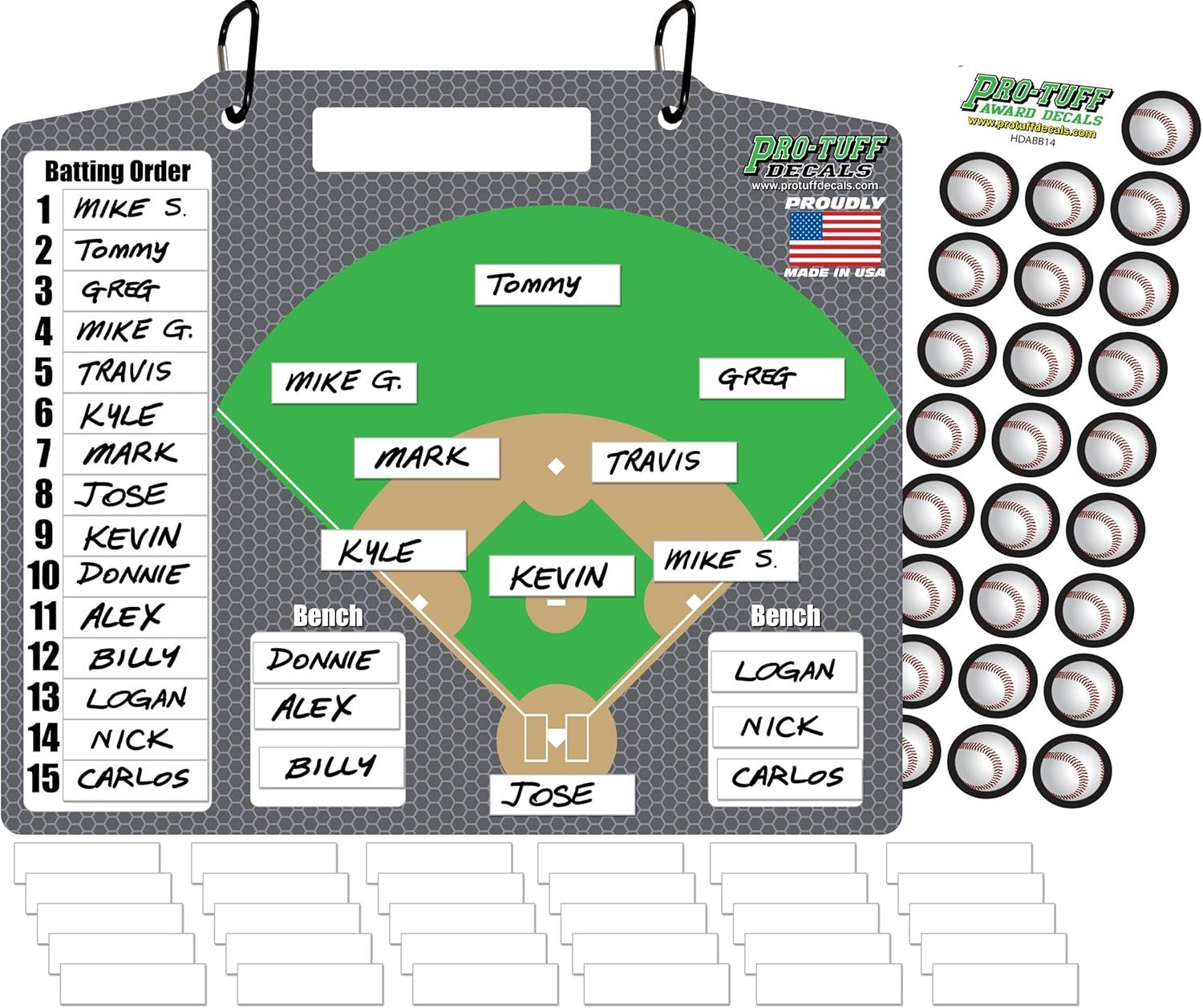
As a coach, it’s your job to foster a balance between competition and learning. You must take into account each player’s abilities, the team’s overall dynamic, and even what the parents have to say. By doing this, you can create a lineup that’s the best fit for the team and each player.
The Importance of Field Placement
Field placement plays a crucial role in a team’s performance. Strategic placement can enhance a player’s strengths and reduce their weaknesses. It can also boost the team’s overall effectiveness. For instance, positioning a player with a strong arm in the outfield can assist in catching runners attempting to steal bases.
Moreover, field placement has an impact on a player’s growth. By switching players between different positions, you allow them to develop a comprehensive set of skills. This not only makes them superior players but also keeps them involved and thrilled about the game.
Primary Objectives for Youth Baseball Coaches
Coaches should concentrate on enhancing the abilities of the players and fostering a unified team. Here are a few primary objectives to keep in mind:
- Skill Development: Help players improve their hitting, throwing, catching, and running skills.
- Teamwork: Foster a sense of camaraderie and cooperation among players.
- Confidence Building: Encourage players to believe in their abilities and take on challenges.
- Sportsmanship: Teach players the importance of respect and fair play.
- Fun and Enjoyment: Ensure that all players enjoy the game and want to keep playing.
Understanding Player Positions
To effectively place players on the field, you need to understand the different positions and their roles. Baseball and softball fields are divided into infield and outfield positions, each with specific responsibilities. For more insights, you can explore strategies and tips for youth coaches to enhance your understanding.
Roles of Infield Positions
The infield is made up of the pitcher, catcher, first baseman, second baseman, shortstop, and third baseman. Each position demands certain abilities and characteristics:
- Pitcher: Must have a strong arm and the ability to keep their cool under pressure.
- Catcher: Needs quick reflexes and great communication skills.
- First Baseman: Should be good at catching and be able to stretch for throws.
- Second Baseman: Needs to be quick and have fast hands for double plays.
- Shortstop: Must be fast and versatile, as they cover a lot of area.
- Third Baseman: Needs quick reflexes and a strong arm for long throws.
Outfield Positions and Their Duties
The outfield consists of the left fielder, center fielder, and right fielder. These positions require different skills:
For those interested in improving their skills, there are youth catcher drills available to help beginners develop their abilities.
- Left Fielder: This player needs to be quick on their feet and capable of catching fly balls.
- Center Fielder: This position requires superior speed and judgment due to covering the most ground.
- Right Fielder: This player needs a powerful arm for long throws to the infield.
Knowing these roles will help you position players where they can excel and contribute to the overall success of the team. For more insights, check out this guide to youth baseball positions.
How to Effectively Place Players on the Field
There’s more to a good field placement strategy than just assigning positions. It’s about knowing each player’s individual strengths and how they can best contribute to the team. Above all, it’s about striking a balance between developing skills and staying competitive. Here are some things to think about:
Striking a Balance Between Player Development and Winning
It can be tough to find the right balance between nurturing player development and the thrill of winning in youth sports. Sure, winning is great, but it’s also crucial to concentrate on long-term development. By shuffling players through various positions, they get the opportunity to learn new techniques and find out where they shine. This approach not only benefits individual players, but it also makes the team stronger. For more insights on enhancing player skills, check out these strategies and tips for youth coaches.

During practice, motivate your players to experiment with different positions. This not only makes practice more enjoyable, but it also helps the players improve their skills. As they try out different roles, they may discover that they are good at or enjoy a position they hadn’t considered before, which can help them grow as players. For additional tips on player development, check out these strategies and guides for youth coaches.
Talking to Your Team and Their Families
It’s essential to have open lines of communication with your players and their parents. Make sure to explain your game plan and the thought process behind your choices. This will help set expectations and minimize misunderstandings. Also, don’t forget to listen to their thoughts and be receptive to their ideas, as they can offer a fresh perspective on the team’s dynamics.
Think about conducting routine meetings or distributing newsletters to keep everyone updated. This openness fosters confidence and guarantees that everyone understands the team’s objectives and strategies.
Trying Out Various Lineups
Don’t hesitate to try out various lineups during games. This will let you see how players perform in different positions and under different circumstances. It will also help you find the best combinations for both offense and defense.
By experimenting with different lineups, you can uncover surprising strengths and weaknesses. This knowledge is priceless for making educated decisions about where to place your players on the field and for developing a team that can adapt to any situation. For additional insights, consider exploring baseball practice plans for kids to enhance your team’s skills.
Typical Errors and Their Solutions
Even the most seasoned coaches can stumble into typical pitfalls in terms of field placement. Being aware of these errors can assist you in preventing them and enhancing your team’s performance.
Putting Too Much Emphasis on Winning
Winning is important, but it should not be the only focus. Concentrating only on winning can slow down a player’s development and take away from their enjoyment of the game. It’s crucial to balance competitiveness with skill development and sportsmanship. The ultimate goal should be to foster a love for the game that will last a lifetime.
By focusing on individual development and team collaboration, you foster a supportive atmosphere that motivates athletes to take chances and learn from their errors.
Ignoring Player Growth
Coaches who are overly focused on victory might overlook the growth of their players. This can lead to frustration and burnout, particularly if players feel trapped in roles they don’t like or aren’t skilled at. To keep them engaged and motivated, encourage players to experiment with new roles and develop various skills.
Offering chances for players to improve their skills is beneficial not just for each player, but for the team as a whole. Concentrating on development makes your team more versatile and able to adjust to different situations. For more insights, check out this guide on developing skills for young players.
Overemphasis on Fixed Positions
It’s easy to want to keep players in the positions they’re good at, but this can stifle their growth. Allowing players to try out different positions helps them develop a broader set of skills and find out what they’re really good at. This is important in building a versatile team. For more insights on developing skills, check out this guide on baseball practice plans.
When you move players around to different positions, they can learn and feel comfortable in a variety of roles. This helps not only each player but also makes the team as a whole better.
Pro Tips for Coaches
After you’ve got the hang of the basics of field placement, there are advanced strategies you can use to really amp up your team’s game. These tips can help you fine-tune your strategy and bring out the best in your team.
Leveraging Tech for Field Placement
Coaches can make great use of technology. Apps and software can be used to assess player performance and collect data on what they’re good at and what they need to work on. This data can help you make smart choices about field placement and pinpoint what needs to be improved. For additional insights, explore these tips for coaching in baseball to enhance your strategy.

By using technology, you can adopt a more tactical method for placing players on the field and make sure each player is set up for success. For more insights, check out these strategies and tips for youth coaches.
Responding to the Other Team’s Game Plan
Knowing how the other team plays is crucial to positioning your players on the field. If you can figure out what they’re good at and what they struggle with, you can arrange your players in a way that takes advantage of their game plan. Being able to change up your strategy like this can give your team the upper hand and increase your odds of winning. For more insights, explore strategies and tips for youth coaches.
Teach your players to stay alert and be adaptable, this will help them handle any changes in the game. By creating an environment that encourages adaptability, you will be building a team that can handle any situation.
Coaching Young Athletes in Fielding Techniques
Coaching young athletes is a crucial aspect of youth baseball and softball. It’s not only about instructing them on the technical aspects of the sport, but also about aiding them in building self-assurance and a positive outlook. Motivating athletes to take chances and learn from their errors promotes toughness and a passion for the sport.
One of the best ways to coach young players is by using positive reinforcement. Applaud their victories, even the smallest ones, and give them helpful criticism on what they can do better. This method helps to boost their confidence and encourages them to keep giving their best effort. For more insights on building confidence, check out this guide on developing focus and confidence.
Wrapping Up on Successful Coaching
Being a youth baseball and softball coach is a fulfilling role that calls for patience, commitment, and a true love for the sport. By putting emphasis on player growth, promoting teamwork, and building a fun and welcoming atmosphere, you can assist your players in excelling both on the field and in life.
Keep in mind, the end game is to inspire a lifelong passion for the game in your team. By focusing on their development and joy, you lay the groundwork for lasting achievement and a beneficial influence on their lives.
Establishing the Correct Priorities for Long-Term Success
Establishing the correct priorities is critical for long-term success in youth sports. Prioritize skill development, character building, and creating a supportive team atmosphere. Encourage players to set personal goals and strive to achieve them, both individually and as part of a team.
By focusing on these priorities, you can create a positive and motivating environment that encourages players to strive for their best and enjoy their experience in the sport.
Commonly Asked Questions
These are some questions that coaches and parents frequently ask about youth baseball and softball field placement. The answers to these questions can assist you in making better decisions and enhancing your coaching approach.
How frequently should I rotate player positions throughout the season?
Rotating player positions often can be advantageous for honing skills and maintaining player interest. You might want to think about changing positions every couple of games or during training sessions to allow players to try out different roles and face new challenges.
How do you find the right balance between fun and competition?
Finding the right balance between fun and competition involves prioritizing skill-building and teamwork while still fostering a healthy sense of competition. Set realistic goals for the team and celebrate when they are reached, stressing that effort and improvement are more important than winning.
What should I do if a parent is upset about where their child is playing?
When a parent is upset about their child’s position, it’s important to communicate with them. Talk to them about your strategy and why you made the decisions you did. Listen to what they have to say and be open to making changes if needed. However, make sure to stress the importance of developing skills and working as a team.
Do specific drills exist to enhance infield skills?
Indeed, there are numerous drills available that can aid in the improvement of infield skills, including fielding ground balls, executing double plays, and practicing rapid throws. Incorporate these drills into your practice routines to help your players improve their agility, accuracy, and coordination.
What factors should I keep in mind when selecting a team captain?
When selecting a team captain, you should consider players who show strong communication skills, maintain a positive attitude, and are able to motivate and encourage their teammates. Leadership isn’t just about skill level, it’s also about setting a positive example for the rest of the team.
What steps can I take to ensure a field setup is safe?
To ensure a field setup is safe, look for hazards like uneven surfaces, debris, or equipment in poor condition. Make sure all players have the proper protective gear and that the field is appropriate for their age and skill level. Inspect the field regularly and make any needed adjustments to maintain a safe playing environment.
By putting safety first, you make sure that players can learn and enjoy the game in a positive and secure environment.

Leave a Reply