Important Points
- Choosing the right fastpitch softball bat can significantly improve a young player’s performance and confidence.
- Key features to consider in a bat include weight, length, material, and balance.
- Top youth fastpitch softball bats for 2025 are designed to enhance skill development and durability.
- Hitting lessons are crucial for skill growth, boosting both performance and self-assurance on the field.
- Proper coaching and practice can make a big difference in a young athlete’s development.
Understanding the Best Youth Fastpitch Softball Bats
When it comes to youth fastpitch softball, the right bat can be a game-changer. It’s not just about swinging any bat; it’s about finding one that fits perfectly with a young player’s abilities and style. The right bat can make hitting more enjoyable and improve performance significantly.

What to Look For
When you’re trying to find the best bat, you need to consider a few key features. One of the most important features is the weight of the bat. If the bat is too heavy, it can slow down the player’s swing. If it’s too light, it might not give enough power. It’s important to find a weight that is right for the player’s strength and skill level.
Next, you should think about the length of the bat. If the bat is too long or too short, it can mess up the player’s swing. The right length gives the player more control and helps them hit the ball. For more details on selecting the right bat, check out our guide on fastpitch softball bats for kids.
Another key consideration is the bat’s material. Youth fastpitch bats are usually constructed from composite, aluminum, or a blend of the two. Composite bats are renowned for their larger sweet spot and reduced vibration, while aluminum bats are praised for their durability and immediate out-of-the-box performance.
Lastly, balance is a key factor. Some bats are end-loaded, which means they have more weight at the end, giving them more power. Others are balanced, which gives more control and a faster swing. It’s important to choose based on what feels right for the player.
Best 2025 Bats for 8U-12U Players
There are a few bats that really shine for the 8U-12U age group in 2025. These bats are specifically designed with the needs of these growing athletes in mind, making sure they have what they need to excel on the field.
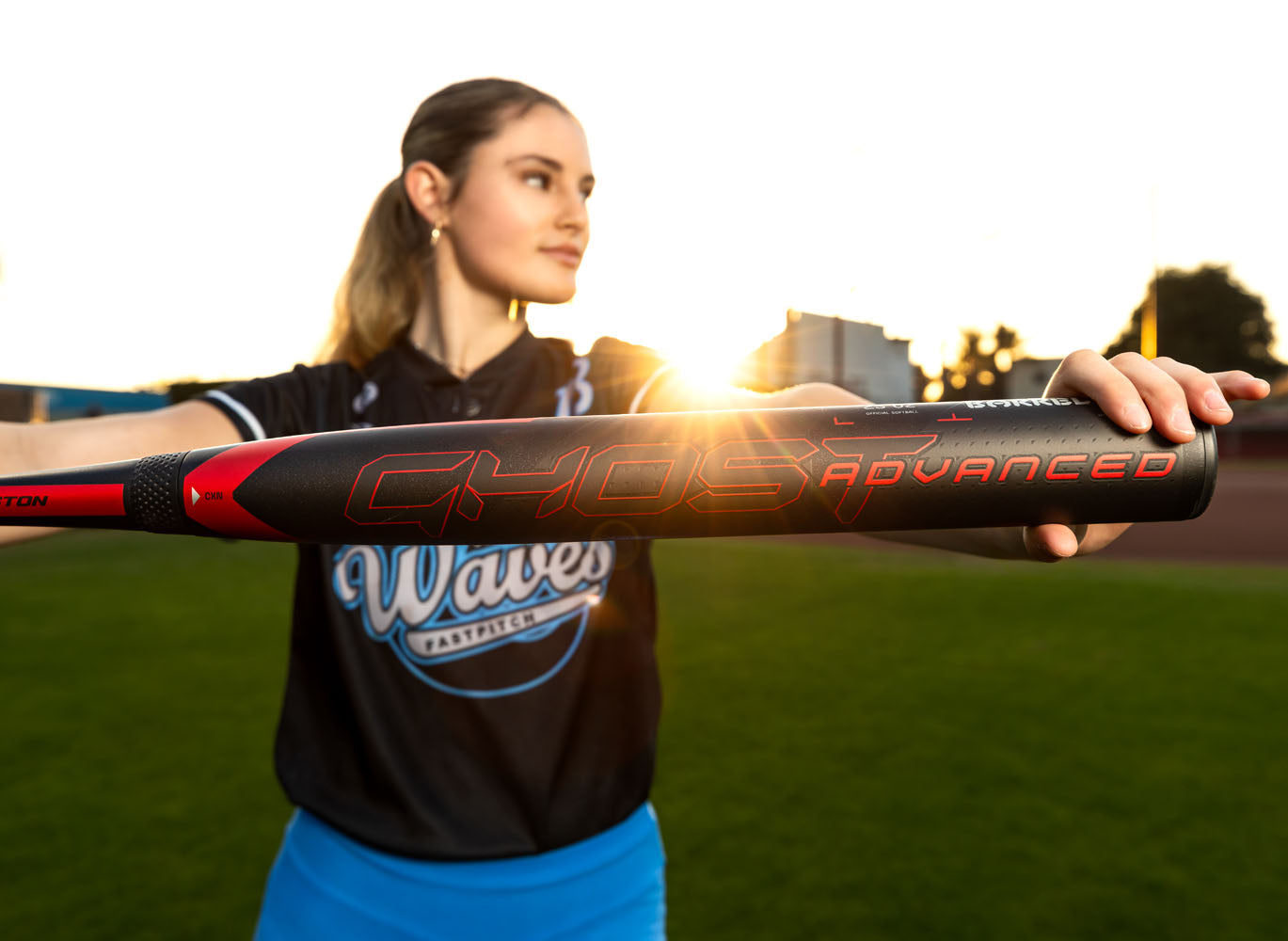
The Easton Ghost Advanced is a standout option. This bat is known for its long barrel and responsive design. It has a large sweet spot, which makes it easier for young players to hit the ball. Plus, it’s lightweight, so it can help improve swing speed without losing power.
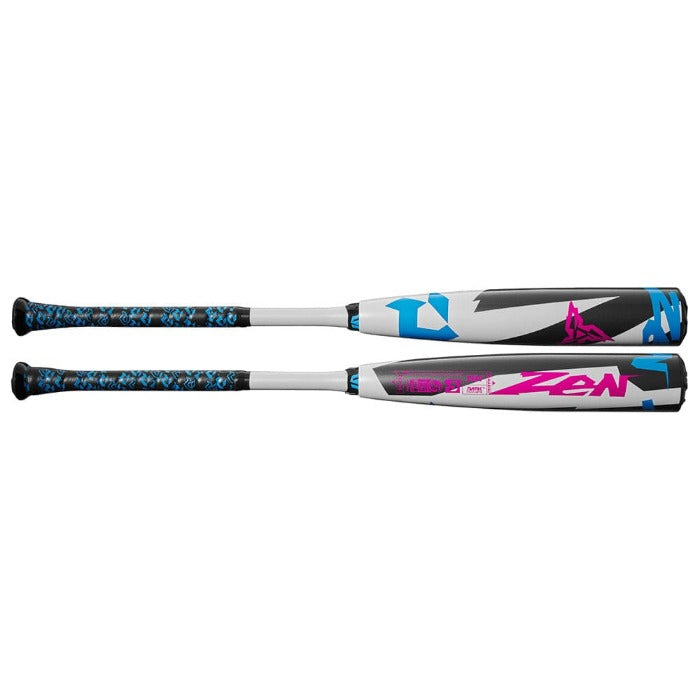
The DeMarini CF Zen is another great choice. Young players love this bat for its balanced swing and great pop. Its Paraflex Plus composite barrel gives a consistent and responsive hit. This makes it a popular choice for young players who want performance and reliability.
Improving Performance with the Right Bat
Choosing the right bat can make a world of difference for a young player’s performance. A bat that fits just right can boost confidence at the plate, allowing players to concentrate on their swing mechanics and timing, instead of wrestling with a bat that doesn’t fit them properly.
Moreover, the correct bat can enhance contact rates and raise the chances of solidly hitting the ball. This results in more successful at-bats, which in turn enhances a player’s self-assurance and pleasure in the game. As a result, spending time choosing the correct bat is critical for the development of any young athlete.
A Comprehensive Guide to Perfecting Your Hitting Skills
Perfecting your hitting skills is crucial for any budding softball player seeking to enhance their performance. It’s not merely about swinging the bat; it’s about grasping the mechanics and establishing a routine that can result in consistent triumph at the plate.
Correct Batting Stance and Grip
A good swing begins with the correct batting stance and grip. Your feet should be shoulder-width apart, your knees should be slightly bent, and your weight should be evenly distributed. This stance gives you balance and allows you to make a powerful swing. When you hold the bat, make sure your hands’ knuckles line up. This grip gives you more control over the bat and helps you swing faster.
Concentrate on Hand-Eye Coordination
Being able to coordinate your hand movements with your eyesight is essential for being able to hit the ball well. You can enhance this skill by doing drills that focus on it. Soft toss drills or using a batting tee to focus on making contact with the ball are great ways to practice. Watching the ball all the way from the pitcher’s hand to your bat will improve your timing and accuracy.

Exercises to Boost Strength and Precision
Exercises are a great way to increase both strength and precision. A favorite exercise is the tee hitting exercise, which allows players to concentrate on striking the ball squarely. Another beneficial exercise is the soft throw exercise, where a coach or partner lightly throws the ball for the player to strike. These exercises promote correct techniques and develop muscle memory. For more techniques, check out these powerful youth baseball batting drills that can help improve consistent contact and average.
Improving Performance Through Training and Commitment
Improvement in game performance is achieved through consistent training and commitment. Young players should be committed to regular training sessions to hone their skills and gain confidence on the field. For those looking to enhance their abilities, exploring training methods to increase bat speed can be particularly beneficial.
Designing Efficient Training Routines
A productive training routine should comprise a combination of exercises, skill enhancement, and game-like scenarios. Ideally, training sessions should take place multiple times a week, each lasting approximately an hour. This routine enables players to focus on various elements of their game, ranging from batting and fielding to running bases and tactics.
Establishing Immediate and Future Goals
Setting goals is a potent instrument for motivation and enhancement. Immediate goals could involve enhancing batting average or perfecting a new drill, whereas future goals might concentrate on joining the all-star team or playing at a more advanced level. Documenting these goals and monitoring improvement aids in maintaining players’ concentration and motivation.
Promoting an Optimistic Attitude
Overcoming obstacles and setbacks requires an optimistic attitude. Young athletes should be encouraged to concentrate on their improvements rather than striving for perfection. Small victories should be celebrated and they should be reminded that errors are part of the learning process. This method aids in the development of resilience and a passion for the sport.
These tips will help young players improve their game, have more fun, and set themselves up for success in the future. Remember, the journey in sports is just as important as the destination. For more guidance, check out our youth baseball hitting programs.
How do I select the appropriate bat size for my kid?
Choosing the correct bat size for your child depends on their height and weight. A good rule of thumb is to have them stand the bat upright next to their body. If the bat reaches their hip, it’s probably the correct size. Always keep in mind the comfort and ease of swing when selecting a bat.
What are the best materials for youth fastpitch softball bats?
Youth bats are commonly made of composite and aluminum. Composite bats usually have a bigger sweet spot and less vibration, whereas aluminum bats are recognized for their durability and immediate performance. The choice relies on the player’s preference and level of play.
How frequently should my kid practice their swing?
For guidance on effective practice routines and tips, check out this article on kids baseball practice drills.
Consistent training is crucial for growth. Strive for a minimum of two to three training sessions weekly, incorporating a variety of drills and techniques to keep it interesting and fruitful.
What are some common errors to steer clear of when instructing on hitting? When teaching young players, it’s crucial to use the right equipment. For instance, choosing the best fastpitch softball bats can significantly impact their performance and help avoid common mistakes.
Typical errors include utilizing a bat that is excessively heavy, not concentrating on hand-eye coordination, and not establishing a correct stance. It’s critical to rectify these as soon as possible to avoid the development of bad habits.
What’s the ideal age to begin batting instruction?
While there is no definitive age, starting young can have its advantages. A lot of players start training around the ages of six or seven. This is when they have developed enough physically and mentally to learn the fundamental skills.
What’s the best way to pick the right bat size for my kid?
It’s really important to get the right bat size for your child, as it can make a big difference to their enjoyment and success in softball. If the bat is too long or too short, it can mess up their swing mechanics and performance. To find the right size, get your child to stand next to the bat. If it comes up to their hip, it’s probably the right length. Also, make sure they can hold the bat straight out in front of them with one hand for about 10 seconds without the bat dropping. This is a good test to make sure the bat isn’t too heavy.
Additionally, you might want to take into account your child’s height and weight for a more informed choice. A lot of bat makers offer size charts that can assist you in picking the correct bat length in accordance with these measurements. Keep in mind, comfort and control are crucial when picking a bat. For more guidance, check out our best fastpitch softball bats for kids.
What are the best materials for youth fastpitch softball bats?
Youth fastpitch softball bats are usually made from composite, aluminum, or a mix of both materials. Each material has its own advantages and things to consider. Composite bats are famous for their large sweet spots and less vibration, which can be more forgiving for younger players. They also often provide a more balanced feel, making them easier to handle.
Alternatively, aluminum bats are applauded for their resilience and immediate performance. They often offer a solid feel and can endure the wear and tear of regular play. Ultimately, the best material depends on your child’s preference and playing style. Some players might favor the power of an aluminum bat, while others might appreciate the comfort of a composite bat.
How much hitting practice should my child do?
To get better at hitting, your child should practice regularly. The best approach is to have your child practice hitting two to three times a week. Each practice should focus on different parts of hitting, like how to swing, how to coordinate their hand and eye movements, and when to swing. Switching up the drills can make practice more fun and effective.
What should you not do when teaching a child to hit?
One of the biggest no-nos is giving your child a bat that’s too heavy for them. A bat that’s too heavy will slow down their swing and mess up their mechanics, making it hard for them to hit the ball solidly. Another thing you should avoid is not teaching them the importance of hand-eye coordination. If they don’t have good hand-eye coordination, they could have the best swing mechanics in the world and still not be able to hit the ball successfully.
What’s the ideal age to begin hitting lessons?
There’s no one-size-fits-all answer to the best age to start hitting lessons, but many kids start around the age of six or seven. This is usually when they have the physical coordination and focus needed to learn the basics. However, it’s crucial to match the lessons to the child’s interest level and readiness. If you start too soon and the child isn’t excited about it, it could lead to frustration and early burnout. For more tips on teaching kids, check out these youth baseball hitting programs.
How can hitting lessons enhance your game?
- Hitting lessons give you structured practice and feedback from experienced coaches.
- They can help you develop proper swing mechanics and timing.
- Lessons concentrate on improving your hand-eye coordination and overall confidence at the plate.
- You can learn to adjust your approach based on different pitches and situations.
- Regular lessons can track your progress and identify areas where you need to improve.
Hitting lessons are an essential tool for young athletes who want to improve their performance. With guidance from experienced coaches, you can develop proper swing mechanics, improve your timing, and build confidence at the plate. These lessons often focus on hand-eye coordination, helping you to make better contact with the ball.
In addition to technical skills, hitting lessons instruct players on how to alter their approach based on the pitch and game situation. This flexibility is key to being successful in competitive play. Regular lessons provide a structured environment for practice and improvement, which allows players to monitor their progress and set attainable goals.
To wrap up, spending some money on hitting lessons can make a big difference in a young player’s game performance and how much they enjoy playing. With the right coaching and enough practice, they can build up the skills and self-assuredness they need to do well on the field.
Do pricey bats benefit young players?
Pricey bats often boast sophisticated features and technology, but they are not always a requirement for young players. The bat’s fit and feel are the most crucial aspects. A bat that is comfortable and complements the player’s swing style can be as good as a top-of-the-line model. It’s crucial to concentrate on the player’s needs and preferences rather than solely on the price.
What can I do if my kid is no longer interested in softball?
When your kid starts to lose interest in softball, it’s crucial to handle the situation with empathy and encouragement. Begin by initiating a candid discussion to comprehend their reasons for losing interest. It could be due to stress, lack of fun, or other issues. Consider exploring new activities or sports that might reignite their passion, such as youth baseball programs which can offer a fresh perspective and renewed excitement.
Let them know it’s okay to take a breather if they need it, and to try out other sports or activities that they might be interested in. Switching positions or playing in a less intense environment might help reignite their passion. Make sure they know it’s okay to have a variety of interests and that you’ll be there to back them up no matter what they decide. For more ideas on maintaining interest, check out these practice drills and tips for young players.
Supporting and adapting to your child’s ever-changing interests and passions can help them find their way, whether they stick with softball or discover happiness in something else.

Leave a Reply