Key Takeaways
- Infield drills are key for developing young players’ fielding, throwing, and decision-making skills.
- The Cone Drill helps improve footwork, aiding players in moving efficiently and maintaining balance.
- The Line Drill works on body positioning, ensuring players can approach the ball correctly.
- Box Drills focus on throw accuracy, which is crucial for making successful plays.
- Bad Hop Drills improve reaction time, preparing players for unexpected ball movements.
The Importance of Infield Drills for Young Players
Infield drills are a must for young baseball players. These exercises help lay the groundwork for fielding, throwing, and decision-making. By practicing regularly, players can develop the skills they need to perform confidently and effectively on the field.
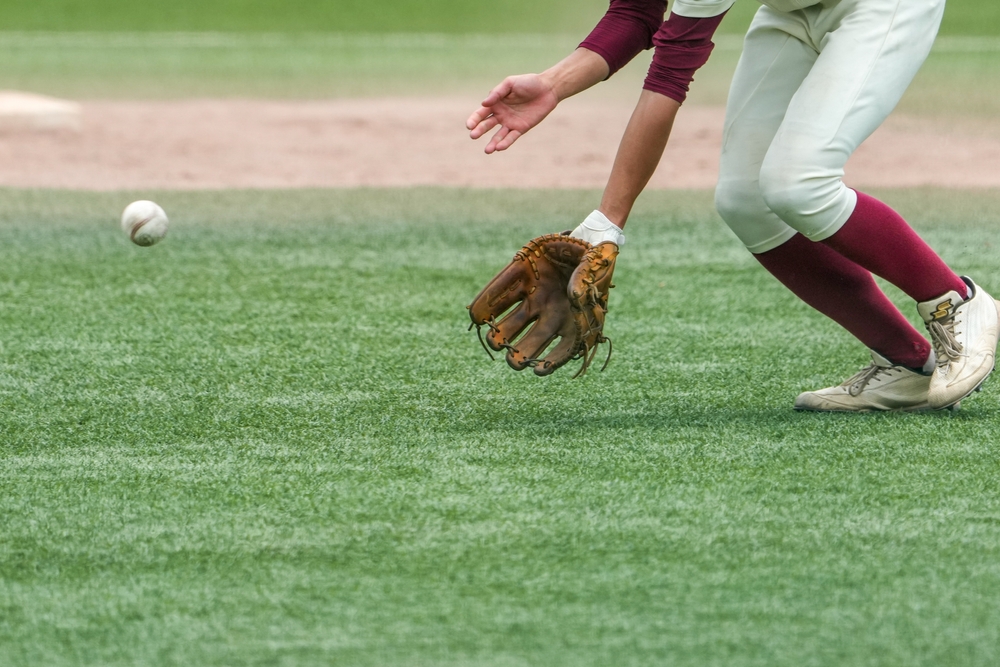
Baseball isn’t just about hitting the ball out of the park. It’s about strategy, teamwork, and accuracy. The infield is where split-second decisions and precise plays can make all the difference. So, teaching young players the fundamentals of infield drills can set them up for success.
The Importance of Fielding Skills
Fielding is a crucial part of baseball that requires quick thinking, accurate throws, and strategic decisions. Infielders are often the first line of defense, tasked with stopping the ball and making the plays that get the other team out.
Picture this: It’s a tie game, bases are loaded, and the batter slams a grounder to the shortstop. The player’s capacity to catch the ball flawlessly and make an accurate throw could mean the difference between victory and defeat. This scenario underscores the importance of good fielding skills.
Advantages of Early Training
There are numerous advantages to beginning infield drills at a young age. Early training allows players to develop muscle memory, which is critical for instinctively executing plays during games. Additionally, it increases confidence, as players become more at ease with their abilities.
Furthermore, young athletes who practice infield drills regularly are more likely to enjoy the sport. They feel successful on the field, which fuels their love and dedication to baseball. As they age, these basic skills make it easier to learn more complex techniques.
Essential Infield Fielding Drills for Kids Ages 8-12
Next, we’ll explore a few infield fielding drills that are specifically tailored for kids between the ages of 8 and 12. These drills address different fielding elements to help develop a well-rounded skill set. For additional resources on enhancing your child’s skills, consider checking out some of the best baseball training apps available.
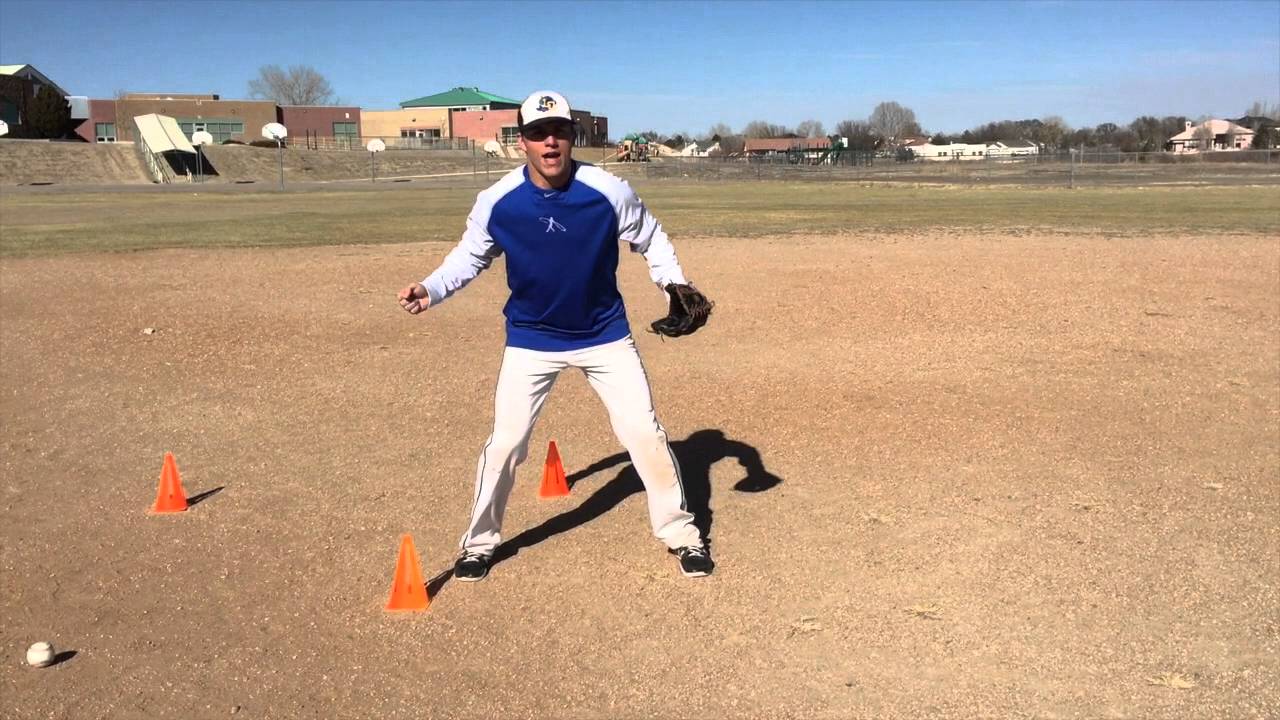
Footwork Improvement with the Cone Drill
Improving footwork is easy with the Cone Drill. Players practice moving around cones set up in a certain pattern, helping them maintain balance. The drill also helps them learn to stay light on their feet and quickly adjust to the direction of the ball.
For instance, place four cones in a square with a distance of about 10 feet between them. Instruct the players to run in a zigzag pattern around the cones, emphasizing the importance of swift and accurate steps. Urge them to keep their gaze on an imaginary ball as they run.
Body Positioning Line Drill
Body positioning is key in the Line Drill. This drill teaches players the right angle to approach the ball to field it cleanly and throw accurately

This drill requires you to place three baseballs along a foul line. Ask the players to start on one side and move towards each ball, making sure they get their body in the right position before they field it. This drill highlights how crucial positioning is to successful fielding. For more tips on enhancing youth skills, check out baseball training apps for kids.
Modifying Drills to Match the Player’s Skill Level
As a coach of young players, it’s important to adjust drills to match their skill level. No two players are the same, and understanding this can greatly impact their growth. Begin by identifying each player’s strong and weak points. Then, you can change drills to either push them more or concentrate on the areas they need to work on.
For newbies, break down drills by decreasing the speed or complexity. For example, if a player has difficulty with the Line Drill, slow the tempo and provide more direction on positioning. As they get better, slowly raise the challenge to keep them interested and developing.
Promoting Team Spirit and Interaction
Baseball is a game that requires a team effort, and it is crucial to develop team spirit and interaction. During infield exercises, motivate the players to interact with one another. This could be as easy as asking for the ball or giving a sign for a play. Successful interaction can help avoid mistakes and enhance the team’s overall performance.
In addition to talking, show your players how to use hand signals or gestures. This can be especially helpful when the game environment is loud. Make sure to include these in your drills so that players are used to using them in actual games.
Grasping Defensive Scenarios
Grasping various defensive scenarios is crucial for infielders who want to succeed. Young players must learn how to respond to a variety of game situations, like having a runner on first base or the chance for a double play. These scenarios demand rapid decision-making and the capacity to perform plays when under pressure.
One way to teach this is by creating game-like situations during practice. You can put runners on various bases and guide the players on what to do. This method not only enhances their ability to make decisions, but it also increases their self-assurance when they’re playing in real games. For more on improving fielding skills, check out this defensive situations guide.
Basic Infield Plays and Skills
Double plays, force outs, and other infield plays are a key part of baseball. To teach these skills, you have to show kids the right way to position themselves, use their feet, and time their movements. For example, in a double play, they need to know how to get the ball from their glove to their hand quickly and throw it accurately.
Break down each step of these plays using slow-motion demonstrations. Let the players practice at a slower pace and then gradually speed up. This technique helps them understand the mechanics and develop muscle memory to efficiently execute these plays.
Thinking on Your Feet
Being able to think quickly and make decisions is a key skill for infielders, particularly when under pressure. They need to be able to quickly read the situation and decide what the best play is. This could involve deciding whether to go for the lead runner or to make a safe out at first base.
Enhance this ability by including high-stress scenarios in your drills. Implement exercises with a time limit to force players to think on their feet. As they practice these drills, they’ll grow more confident and assertive during actual games.
Key Gear for Infield Drills
It’s crucial to have the right equipment for effective infield drills. The correct gear can not only improve performance but also ensure safety. Start with a glove that fits well, as it’s the most important piece of equipment for an infielder.
In addition to gloves, think about using training aids like cones and agility ladders. These tools aid in setting up drills that enhance footwork and coordination. Make sure all equipment is suitable for the age group and safe for young players to use.
Rewrite the following human content into AI content:
- Gloves: Select a glove that fits well and enables easy handling of the ball.
- Cones: Ideal for setting up drills that improve footwork, such as the Cone Drill.
- Agility Ladders: Enhance speed and coordination.
- Baseballs: Use balls suitable for the age group during practice.
Picking the Right Glove and Equipment
Choosing the appropriate glove is crucial for young infielders. A well-fitting glove provides better control and comfort. Opt for gloves made from sturdy materials that can endure frequent use. Also, make sure the glove size is proportionate to the player’s hand size for easy catching and throwing.
Creating a Productive Practice Environment
Creating a productive practice environment is crucial to the success of infield drills. Make sure the practice space is safe and free from any hazards that could potentially cause injury. Use cones or markers to designate areas for different drills. This will help the players understand the boundaries and concentrate on their movements within the designated space. For more tips on enhancing fielding skills, check out this guide on improving fielding skills.
Building Gentle Grabs and Swift Tags
Gentle grabs are vital for fielding because they enable athletes to catch and pass the ball effortlessly. To teach athletes how to use gentle grabs, they need to practice mild catching methods and concentrate on managing the ball.
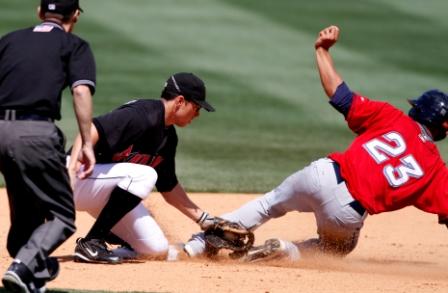
Fast tags are crucial for getting outs at bases. Players need to learn how to position themselves correctly and apply tags quickly to catch runners off guard. These skills are developed through repetitive practice and attention to detail.
Why Soft Hands are Crucial in Fielding
Having soft hands allows players to lessen the ball’s impact, which in turn decreases the likelihood of making mistakes. To help your players improve this skill, incorporate drills that emphasize catching with as little hand movement as possible. Teach them to slightly give with their hands when they catch the ball, as if they were using their hands as a cushion. You can find more infield drills for practice that focus on developing soft hands.
When players perfect the technique of soft hands, they enhance their skill of fielding ground balls and making clean transfers, which results in more successful plays during the game. For those looking to further develop their skills, exploring baseball training apps for kids can be a great way to practice and improve.
Perfecting the Fast Tag on the Bases
Fast tags are a necessary skill for infielders, particularly during tight plays on the bases. To perfect this, players must practice their positioning and timing. Organize drills where players pretend to tag out a runner. Concentrate on swift hand movements and accurate placement of the tag.
With regular practice, players can build the confidence and skill to perform quick tags effectively, making them a key player for their team.
Wrapping it up: Cultivating Assurance and Abilities
Practicing infield fielding drills is a fundamental aspect of baseball training for young athletes. These drills help to instill the abilities and assurance necessary to excel on the field. By including these drills in regular training sessions, players can enhance their footwork, boost their reaction speed, and gain a more profound comprehension of the sport. As they mature, these basic abilities will aid in their ongoing growth and love of baseball. For more insights, check out this guide on improving fielding skills.
Commonly Asked Questions
Here are some commonly asked questions to assist coaches and parents in better understanding the complexities and significance of infield drills:
What skills are crucial for an infield player?
Key skills for an infield player encompass fast reactions, precise throws, and intelligent choices. Proper footwork and positioning are also vital, as these skills allow players to successfully field balls and execute plays.
How can I make drills enjoyable for kids?
Making drills enjoyable involves adding games and challenges. Use friendly competitions to inspire players and maintain their interest. For instance, set up a timed relay race involving different fielding tasks. This approach not only makes practice fun but also strengthens essential skills. For more ideas on enhancing fielding skills, check out this guide on improving fielding skills.
Moreover, changing up the drills can help avoid boredom. Regularly bring in new drills and let the players give their opinion on what they like. This keeps them interested and excited to participate.
What gear will I need for these exercises?
For infield exercises, you’ll need a snug-fitting glove, cones, agility ladders, and baseballs. A glove that fits well is key to good fielding. Cones and agility ladders are great for designing exercises that improve footwork and coordination. For more tips, check out these infield drills for practice.
Make sure the gear is suitable for the age and safe for the young players. Always check for any wear and tear to keep safety standards during practice sessions.
What is the recommended frequency for practicing infield drills?
It is recommended that infield drills be practiced on a consistent basis in order to build muscle memory and improve skills. Ideally, players should aim to practice at least two to three times per week, focusing on different drills each time. This frequency allows players to develop their skills without becoming overwhelmed.
Practice makes perfect. Regular drills help players master skills and apply them automatically during games.
What does it mean to make a quick tag and why does it matter?
Making a quick tag refers to swiftly and accurately tagging a base runner. This matters because it can determine whether a player is out or safe. To make a quick tag, a player needs to be in the right position, have good timing, and have good hand-eye coordination.
Quick tag drills are great for honing players’ skills in getting outs, especially in tight plays on the bases. This is a critical skill for infielders who need to react quickly and accurately.
For instance, during a drill, have the players pretend there’s a runner sliding into the base. Pay attention to where the infielder is positioned and how quickly they can apply the tag. For more detailed practice techniques, check out these infield drills for practice. The more they practice, the better they’ll get.
What are some typical fielding errors made by young players?
Typical errors include incorrect foot placement, indecisiveness, and incorrect glove use. Young players often have difficulty predicting the ball’s path and may respond too slowly. These errors can be corrected through regular practice and constructive feedback from coaches.
What steps can I take to enhance a child’s ability to make decisions on the field?
Enhancing decision-making skills requires teaching players to interpret the game and predict plays. Use mock game situations during training to cultivate these skills. Motivate players to consider their choices and make decisions rapidly. For more on improving these skills, check out this guide on defensive situations.
Moreover, it’s important to give positive feedback when players make intelligent choices. This helps to boost their confidence and motivates them to rely on their gut feelings during matches.
First and foremost, remind the players that making mistakes is part of the learning process. Encourage them to learn from each experience and improve over time. For more on enhancing their skills, check out this guide on improving fielding skills.
When is the best time for children to begin infield drills?
Children as young as 8 years old can start infield drills. They are starting to develop the coordination and understanding needed for fielding at this age. Early exposure to these drills can help them establish basic skills that will be useful as they advance in the sport. For additional tips on developing skills, check out these baseball training apps for kids.
Still, it’s crucial to adapt the drills to the kid’s age and level of skill. Begin with basic drills and slowly add more difficult ones as they get better. This keeps them interested and challenged.
In the end, the aim is to cultivate a passion for the sport while honing crucial abilities. With the correct strategy, young athletes can have fun with the process and evolve into proficient infielders. For more insights, check out this guide on improving fielding skills.

Leave a Reply