Main Points
- Knowing how to handle defensive situations is key to a baseball team’s success.
- Fielding skills are honed through specific drills and practice routines.
- Good defense is greatly improved by effective communication among players.
- Strong defense is built on mental toughness and good decision-making.
- Studying professional players can help you better understand defensive strategies.
The Importance of Defensive Situations in Baseball
Baseball is a game of strategy and skill, where every decision a player makes can have an impact on the game’s outcome. Defensive situations are those times when the fielding team must react to the ball being in play. It’s critical for players to understand these situations if they want to play well and for their teams to win.

Effect on Team Victory
A team’s defensive prowess often dictates its victory. When players are aware of their responsibilities and carry them out perfectly, they stop the other team from making runs. This can be the deciding factor in a tight game. Every player needs to know how to respond in different situations, whether it’s a grounder to the shortstop or a pop fly to the outfield.
Improving Individual Skills
Boosting individual skills is an essential aspect of improving the overall team defense. Each player has unique responsibilities that are determined by their position. Infielders require quick reflexes and strong throwing arms, while outfielders need to be able to accurately judge fly balls and make precise throws. Regular practice of these skills can help players become more self-assured and efficient in their positions.
Understanding Common Defensive Situations
Improving your defensive game requires a solid understanding of the common situations that can occur during a game. Let’s take a look at some of these scenarios and what each player’s role should be.
On the Infield
Playing in the infield often requires you to think fast and act quickly. For instance, if there are runners on first and third base, the infield might position themselves to try and get a double play and two outs. The second baseman and the shortstop need to be prepared to turn a double play if the ball comes their way. To enhance your understanding of these scenarios, consider exploring resources like the Defensive Situations Guide.
A frequent situation is a bunt play. Here, the third baseman and pitcher have to rush the ball, while the first baseman guards the base. The catcher also has a key part, guiding the team and making sure everyone knows their role.
Challenges for Outfielders
Outfielders face unique challenges in the game. They must be able to quickly interpret the ball’s path as it comes off the bat and position themselves in the right spot to catch it. For example, when there’s a runner on second, the outfielder must consider the runner’s speed and their own throwing strength to decide whether to throw directly home or to a cutoff man. For more tips on improving fielding, check out this guide to improve fielding.
Outfielders must communicate effectively. They must shout to each other to prevent collisions and make sure someone is always covering the play. This understanding helps prevent mistakes and keeps the game under control.
Running the Bases
Running the bases can also influence the defensive plan. When a runner is trying to steal a base, the catcher and middle infielders must work together to make the play. The catcher needs to release quickly and throw hard, while the infielder must be prepared to tag quickly. For those looking to enhance their skills, consider these youth baseball defensive drills to improve fielding.
Additionally, getting to know the baserunning habits of the opposing team can provide a defensive team with a competitive advantage. Being aware of when a team prefers to steal or hit-and-run enables the defense to position themselves more strategically. For more insights on defensive positioning, check out this guide to improve fielding.
Methods to Boost Your Fielding Skills
Boosting your fielding skills requires commitment and practice. Here are a few methods that can help players increase their skills on the field.
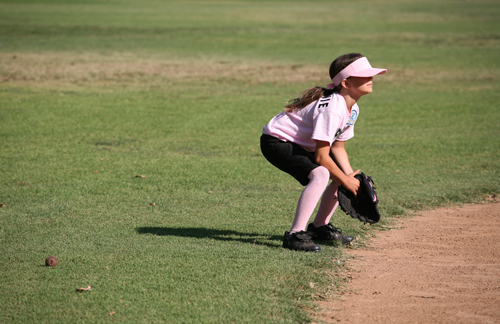
Drills for Infielders
For infielders, drills that emphasize footwork, hand-eye coordination, and throwing accuracy can be beneficial. The “ground ball drill” is a popular one where players field grounders at various angles and speeds to increase agility and readiness for game situations.
A useful exercise is the “double play drill.” Players practice executing double plays quickly and accurately, which is vital for halting the opposing team’s momentum. By consistently repeating these drills, infielders develop muscle memory and enhance their overall performance.
How to Communicate Effectively on the Baseball Field
In baseball, defense success hinges on good communication. Players must always talk to one another so that each person knows what they’re supposed to be doing. This is particularly crucial during complicated plays like cutoffs and relays, which require exact coordination.
For example, outfielders must shout for fly balls to prevent crashes. Likewise, infielders must interact during double plays to guarantee a seamless transfer from glove to glove. Coaches can promote good communication by getting players to practice verbal signals during drills and practice games.
Boosting Your Mental Game
Being a great defensive player isn’t just about physical skills. The mental side of the game is just as crucial. Players have to stay focused, make fast decisions, and keep their mental toughness, even when the pressure is on.

Imagining and Concentrating
Imagining is a strong method that can assist players in getting ready for defensive scenarios. By mentally practicing plays, players can enhance their concentration and be prepared for anything that comes their way. Before a match, spend a few minutes imagining yourself successfully fielding different kinds of hits and making strong throws.
Not only is it important to visualize, but it’s also important to stay focused during the game. This includes being aware of the count, the number of outs, and where the baserunners are. By staying focused, players can anticipate plays and react quickly.
Handling Pressure and Making Decisions
Pressure is a natural part of baseball, particularly in close games. Learning how to effectively handle pressure can significantly improve a player’s performance. One method to develop this skill is to practice under conditions that mimic real games, where players are placed in high-pressure situations during practice.
Making the right call is also crucial. Players must rapidly determine the best course of action, such as deciding whether to throw to first or attempt a double play. Good decision-making skills come from experience and understanding the game, skills that can be honed by watching games and learning from others.
The Importance of Mental Strength in Defense
Having mental strength means remaining strong, even when the game is not in your favor. It means recovering from mistakes and keeping a positive attitude. A player with mental strength does not focus on errors but learns from them and continues playing. For more insights on enhancing your fielding skills and mental game, check out this guide to improve fielding.
A coach can cultivate mental toughness in players by fostering an environment where players are not afraid to take risks and learn from their experiences. Recognizing small victories and providing constructive criticism can increase a player’s self-assurance and mental fortitude.
Putting It All Together on the Field
Players need to take all the skills and strategies they’ve learned and use them in actual games. This means they must have a solid grasp of different game situations and be able to make split-second decisions based on what they know.
Understanding Game Situations and Making Decisions
During actual games, players are required to evaluate the current situation and determine the best strategy to use. For instance, if there is a runner on third base and there are fewer than two outs, the infield may decide to play in to prevent a run. Players should be knowledgeable about these strategies and prepared to carry them out. For more insights, you can explore the Defensive Situations Guide.

By rehearsing situational plays during practice, players can become more at ease in making decisions. Simulating game scenarios allows players to develop the instincts necessary to respond appropriately during actual games.
Observing the Pros
One excellent method to learn about defense is by observing professional players. Notice how they position themselves, communicate with their teammates, and deal with high-pressure situations. These pros have years of experience and can provide a wealth of knowledge about the mental and physical aspects of defense.
Not only can watching games be beneficial, but reading interviews and articles about professional players can also provide valuable advice and strategies. Taking inspiration from the best can motivate players to enhance their own abilities and comprehension of the game.
Never Stop Learning and Practicing
In the game of baseball, there is always room for improvement. Players should always strive to better themselves and learn more about the game. Practicing regularly is key to keeping and improving your fielding skills. Keeping practices interesting and effective by adding new drills and techniques is also important.
Moreover, asking for advice from your coach and team members can give you important information about where you need to get better. Having a positive attitude and being open to learning can help you get better over time.
Defensive Situations Guide: Closing Remarks
Being proficient in defensive situations in baseball necessitates a blend of physical abilities, mental resilience, and efficient communication. By concentrating on these aspects, players can boost their performance and help their team win.
Keep in mind, it takes a lot of practice and commitment to become a better fielder. If you understand your position, communicate well, and stay mentally tough, you’ll be able to confidently handle any fielding situation.
In the end, the aim is to unite all aspects of the game on the field. Through perseverance and dedication, you can enhance your defensive abilities and contribute positively to your team.
Putting It All Together on the Diamond
When all these factors align, players can excel. A well-prepared defense can alter the trajectory of a game, transforming potential hits into outs and stopping runs. By focusing on constant improvement and staying dedicated to the game, players can find success and fulfillment on the diamond.
Fostering a Mindset of Progress
When it comes to baseball, fostering a mindset of progress means welcoming challenges and learning from missteps. Players should concentrate on growth, not on achieving perfection. This mindset of progress allows players to see mistakes as chances to get better instead of viewing them as failures. By nurturing this mindset, players become more capable of bouncing back and more open to learning new tactics and strategies.
Fielding is a crucial aspect of baseball that requires both physical skill and mental acuity. Players must be able to anticipate plays, react quickly, and execute with precision. To enhance these skills, it’s essential to practice regularly and focus on specific defensive situations. For those looking to improve their fielding abilities, a comprehensive guide to improve fielding can provide valuable tips and drills to incorporate into practice sessions. By honing these skills, players can significantly contribute to their team’s defensive strength.
Baseball defense can seem complicated, but addressing common questions can help clarify the concepts and improve your game.
What impact do defensive situations have on the result of a game?
Defensive situations can directly influence the result of a game by deciding whether or not the other team is able to score. If the defense is played well, it can stop runs from being scored and can swing the momentum in favor of your team. On the other hand, if there are mistakes or miscommunications, it can create opportunities for the other team to score.
What skills does an infielder need to have?
An infielder needs to have quick reflexes, a strong throwing arm, and good footwork. In addition, they need to be good at reading the ball off the bat and making quick decisions. Drills such as ground ball drills and double play drills can help to improve these skills with consistent practice. For more tips, check out this guide on improving fielding skills.
In addition to physical abilities, infielders need to be able to communicate well with their teammates in order to coordinate plays and cover bases. This helps to make sure that transitions are smooth and that mistakes are minimized during complex plays.
What can I do to make better decisions during games?
One way to make better decisions is to learn more about the game and anticipate what might happen. You can do this by watching games and seeing what professional players do. Practicing situational drills can also help you develop the instincts you need to make fast, informed decisions on the field.
Furthermore, it’s important to remain alert and mindful of what’s happening in the game, like how many outs there are and where the runners are on base, so you can make the best choices when it really counts.
What exercises can help improve outfield abilities?
Outfielders can use exercises that help them get better at judging fly balls and throwing accurately. The “fly ball exercise” allows players to practice following the ball and getting in the right position to catch it. It’s also important to work on throwing accurately to cut-off men and bases.
It’s also important to work on communication drills. Outfielders need to practice calling for the ball and coordinating with their teammates to avoid collisions and to make sure someone is always covering the play. For more insights, check out our guide to improve fielding.
Why is communication important in defense?
Good communication is essential to make sure every player knows their role and what they’re supposed to do during a play. It helps avoid mistakes like two players trying to catch the same ball or missing a cutoff. This is particularly important in the outfield, where players have to work together to cover the field and make accurate throws.
Drills that involve verbal cues and signals can help players improve their communication skills and build trust with their teammates. This, in turn, can lead to a more cohesive and effective defensive unit.
Why is mental toughness important in baseball?
Mental toughness is key to staying focused and resilient during a game. It helps players recover from mistakes and remain optimistic, even when the pressure is on. Players with mental toughness can cope with stressful situations and make wise choices when the stakes are high. For more tips on enhancing your mental game, check out these defensive drills and tips to improve fielding skills.
What do professional players do to prepare for defensive situations?
Professional players prepare for defensive situations by practicing and analyzing a lot. They study the habits of the opposing team and create strategies to counteract them. They watch game footage to learn from past games and identify areas where they can improve.
In addition to physical training, professionals also concentrate on mental conditioning, employing methods such as visualization and mindfulness to improve their concentration and decision-making skills.
- Regular practice and drills are essential for honing defensive skills.
- Grasping game situations and taking a leaf out of professionals’ books can boost decision-making abilities.
- Clear communication and mental resilience play a crucial role in robust defense.
How can you learn the most from game situations?
Learning from game situations requires examining both victories and failures. Watching game replays and discussing strategies with coaches and teammates can offer useful perspectives. Players should strive to comprehend what worked and what needs to be better next time.
In addition, players can recreate game situations during practice to improve their instincts and decision-making abilities. By creating a supportive environment where players feel comfortable taking risks and learning from their experiences, coaches can encourage ongoing improvement and development.
So, to sum up, to excel in baseball’s defensive situations, you need a mix of physical abilities, mental strength, and good communication. If players focus on these areas and adopt a growth mindset, they can improve their game and help their team win. For more tips, check out this guide to improve fielding.

Leave a Reply