Key Points to Remember
- 8U players need to concentrate on basic fielding, accurate throwing, and coordinated footwork.
- Consistent practice enhances skills, boosts confidence, and promotes teamwork among young players.
- 10U players should progress to double play tactics, fielding ground balls, and relay throws.
- Drills should be suitable for the age of the players to keep them engaged and ensure they develop correctly.
- Adding elements of fun and competition to practice keeps players motivated and keen to learn.
Grasping Infield Drills for Youth Baseball and Softball
Infield drills are vital for young baseball and softball players because they form the basis for defensive skills. These drills teach players how to catch, throw, and position themselves effectively on the field. By concentrating on the basics, young players build the confidence and skills they need to perform well in games. So, it’s crucial to adapt drills to suit the players’ age and level of skill.
The Need for Age-Specific Drills
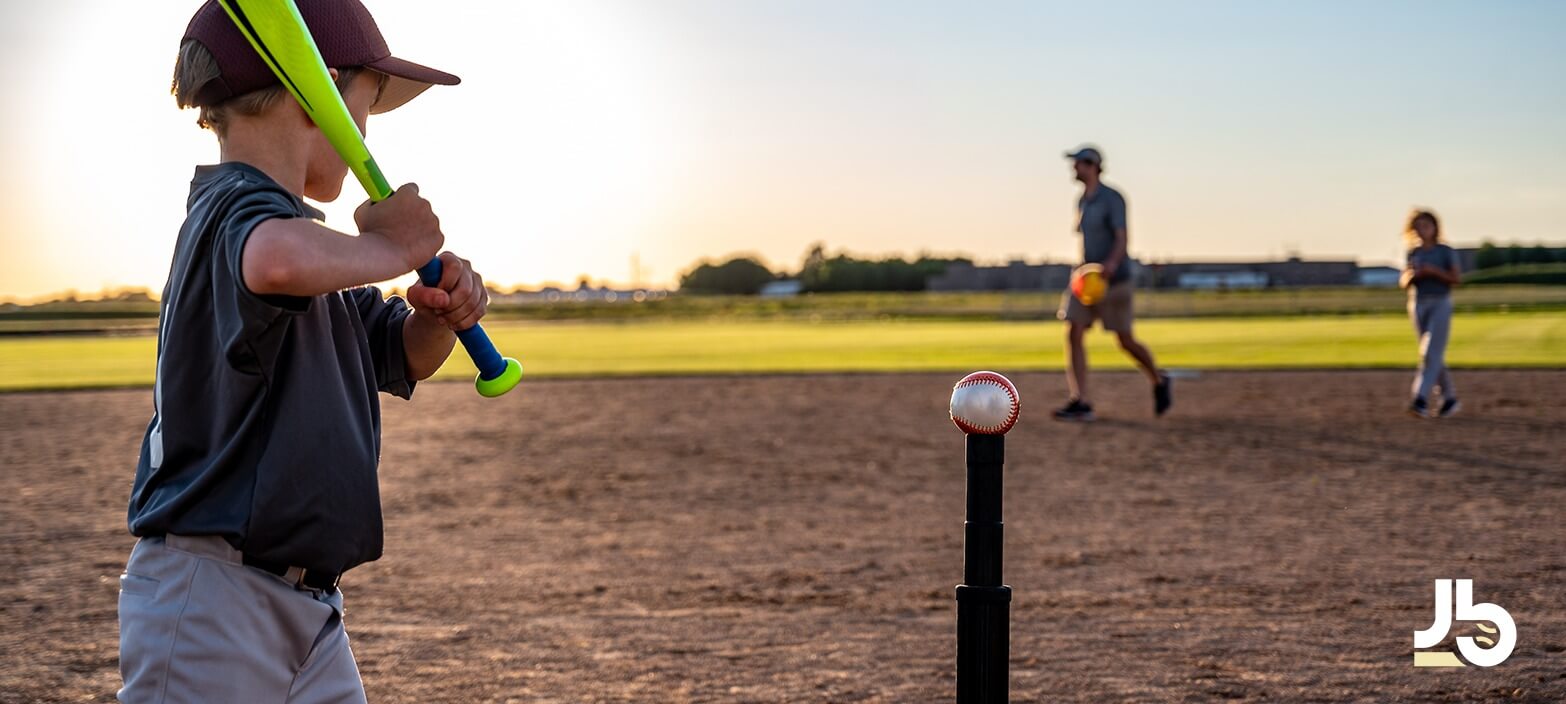
Training isn’t a one-size-fits-all approach, especially when it comes to young athletes. As they grow older, their cognitive abilities, physical strength, and engagement levels change. That’s why it’s important to develop drills that are age-appropriate. For example, 8U players might focus on basic fielding and throwing, while 12U players can handle more advanced drills like strategic positioning and quick release techniques. This approach keeps players engaged and helps them continue to develop their skills.
Why Regular Infield Practice is Important
Practicing regularly is the key to improving skills. Regular infield drills allow players to polish their techniques, develop muscle memory, and improve their overall performance in games. In addition, these practices encourage teamwork and communication among players, as they learn to cooperate to make plays. On top of that, practicing regularly increases players’ confidence, making them feel more ready and less nervous in actual games.
Key Drills for 8U Players
When it comes to 8U players, the emphasis should be on getting the basics down pat. Kids at this age are just starting to grasp the game and are still honing their coordination skills. As a result, drills should be straightforward, engaging, and enjoyable to keep players excited about learning. For additional guidance, consider exploring fundamental mechanics to enhance their foundational skills.
Simple Fielding Drills
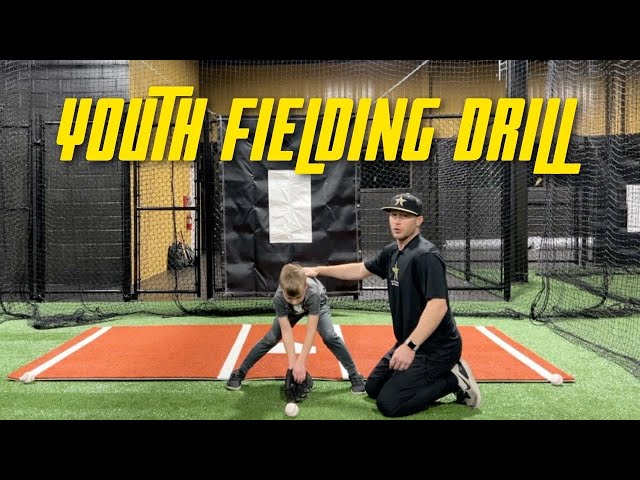
Fielding is an essential skill for all young players to learn. To begin teaching fielding, start with easy drills that concentrate on catching ground balls. Have the players pair up and stand roughly 15 feet apart, then roll the ball to each other. This allows them to work on getting into the correct position and using their gloves properly. For more detailed exercises, you can explore infield defense drills that are specifically designed for youth baseball teams.
- Begin by rolling the ball at a slow pace and gradually increase the speed as they get better.
- Remind players to keep their bodies low and use both hands to hold the ball securely.
- Offer positive reinforcement to boost their confidence and motivate them to improve.
Once they start to get the hang of it, add drills where players must move laterally to field balls, teaching them to respond quickly and position themselves correctly.
Improving Throwing Precision
Another essential skill for young players is throwing accuracy. Begin by instructing them on the correct throwing motion. Have the players line up and throw balls to a partner, aiming for a target such as a glove or a cone. This will help them to improve their accuracy and control over their throws. For additional techniques, check out these youth softball drills.
Don’t forget to tell your players to complete their throw with their arm and utilize their whole body, not just their arm, to throw. As they get better, make it more difficult for them by increasing the distance or adding moving targets to improve their accuracy in a variety of situations.
Coordinating Footwork
Proper footwork is necessary for successful fielding and throwing. To build footwork skills, use exercises that stress agility and speed. A great exercise is the ladder drill, which involves players moving through a series of cones or markers on the ground. This helps them boost their speed and coordination, which are crucial when responding to balls hit their way. For more drills to improve your team’s infield skills, check out these infield defense drills.
Drills for Intermediate 10U Players
When players reach the 10U age group, they are prepared to take on more advanced drills. At this level, players should concentrate on honing their skills and learning more intricate plays. This not only improves their individual capabilities but also boosts their comprehension of teamwork and strategy.
Essentials of Double Plays
Double plays are a thrilling and crucial aspect of baseball and softball. Training players on the basics of pulling off a double play involves practicing speedy and precise throws, as well as positioning. Start by creating situations where players have to field a ground ball and rapidly throw to a teammate covering a base.
Players should be urged to communicate clearly and move effectively to ensure that the play is carried out smoothly. Regularly practicing these drills will help build confidence and precision in executing double plays during games.
Ground Ball Fielding for Advanced Players
Players in this age group should be working on perfecting their ground ball fielding skills. Use drills that mimic real game situations, where players must respond to balls being hit at varying speeds and angles. This will help them learn how to read the ball and position themselves properly.
In addition, concentrate on instructing players on how to catch balls while running and make precise throws. These abilities are essential for managing difficult plays and making rapid decisions on the field.
Relay Throws and Talking
Relay throws are a vital part of infield play, particularly when you need to get the ball from the outfield to the infield fast. Teaching kids how to do relay throws is more than just a physical skill; it requires good talking. Players need to know their roles and talk clearly to do a good relay.
- Line up players from the outfield to the infield.
- Practice shouting the name of the player you’re throwing to before you throw.
- Make sure players are aware of their surroundings to prevent collisions.
Doing these drills helps players learn to work together and make quick decisions under pressure. Communication drills don’t just improve relay throws, they also build trust and teamwork among players.
12U Players Advanced Drills
When it comes to 12U players, the drills should be more demanding and focus on refining advanced skills. These players have a better grasp of the game and can handle more complex strategies. This is the time to introduce drills that challenge their abilities and get them ready for competitive play.
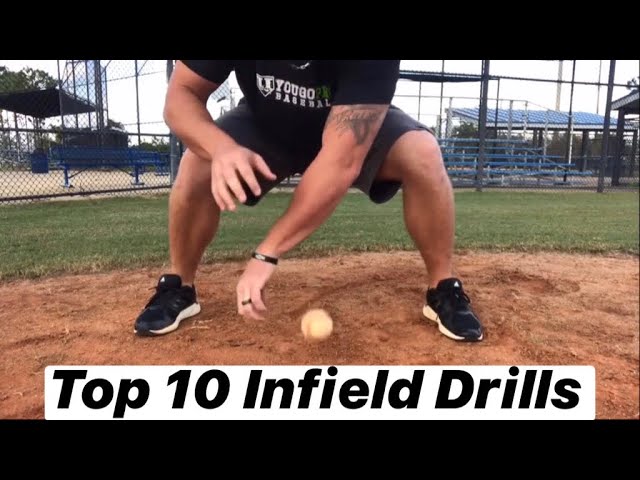
Advanced drills are all about refining particular skills that will make players stand out on the field. When these skills are mastered, players can perform plays with accuracy and self-assurance, providing their team with a competitive advantage.
Backhand Catches and Tosses
Backhand catches are vital for infielders, as they make it easier for them to catch balls hit to their glove side. To help them improve this skill, create drills where they practice catching ground balls with their backhand. Make sure they stay low, use their glove hand well, and throw powerfully and accurately to a target.
These exercises enhance the players’ capacity to manage difficult plays and make rapid decisions, which are crucial for intense game scenarios.
Techniques for Quick Release
Quick release techniques are important for making quick, accurate throws under pressure. Have players practice drills where they have to field a ball and release it quickly to a teammate. The focus should be on minimizing extra steps and using proper throwing mechanics to ensure accuracy and speed.
In addition to that, stress the significance of footwork and positioning in assisting players in making efficient and effective throws. These abilities are critical for executing plays such as double plays and relay throws with precision.
Smart Infield Placement
Knowing where to be on the field as an infielder is crucial for being able to anticipate plays and react quickly. Teach your players how to adjust their positioning based on the batter, the situation in the game, and other factors. Use drills that mimic different situations so your players can practice adjusting their positioning in real time.
By learning how to position themselves strategically, players can enhance their defense skills and add value to their team’s overall performance.
Ways to Boost Participation During Practice
It’s important to keep players interested during practice to maintain their excitement and drive. Adding enjoyable and competitive aspects to drills can make practices more fun and productive. Here are some ways to boost participation:
Making Drills Fun and Competitive
Keeping young athletes engaged is all about making things fun and competitive. Incorporate drills that involve a little friendly competition, like relay races or timed challenges. These types of activities not only help improve skills, but they also motivate players to push themselves and work together as a team. For more ideas, explore these youth softball drills that are both fun and effective.
Moreover, adding games that imitate real-life situations can make practice more enjoyable and relevant for players. For example, incorporating drills from top hitting and fielding coaching tips can enhance the training experience.
Maintaining a Balance Between Skill Development and Fun
While it’s important to develop skills, it’s just as important to make sure that players enjoy the process of learning. Mix in drills with activities that players enjoy, like scrimmages or team-building exercises. This helps players associate practice with fun, which will increase their motivation and commitment to improving their skills.
Always keep in mind that creating a positive and encouraging atmosphere can greatly impact the players’ overall experience and development.
Tools and Resources for Successful Coaching
Successful coaching demands the appropriate tools and resources to help players achieve their maximum potential. Using technology and other resources can improve coaching techniques and offer critical insights into players’ performance.
Improving Skills with Video Analysis
Video analysis is an extremely effective way to help players enhance their abilities. Coaches who record practices and games can give players a visual representation of their performance. This gives players the chance to see what they’re doing well and what they need to improve on, helping them better understand what they need to focus on. For additional resources, check out these 12u baseball drills that complement video analysis techniques.
What’s more, video analysis can help simplify complicated techniques, making it easier for players to understand and use new skills. This method not only improves learning but also encourages players to take an active part in their growth. For those interested in enhancing their skills further, exploring top hitting and fielding coaching tips can be incredibly beneficial.
Using Technology in Practice
With the rise of technology, there are now many resources available to help coaches improve their training methods. There are apps to track player stats and virtual training tools that can be used to enhance practices. By using technology in practice, coaches can give players more specific feedback and create individualized training plans.
Coaches can make good use of technology by using apps that let them record and scrutinize how their players are doing. These apps can keep tabs on different statistics, such as how well players throw and field, and give coaches a good idea of what needs to be worked on. On top of that, virtual reality training tools can mimic situations that come up in games, which lets players work on their skills in a controlled setting.
Commonly Asked Questions
If you’re a coach, you’re likely to have a lot of questions about how to properly use infield drills to improve your players’ abilities. Here are some of the most common questions and their answers to help you out.
What exercises are most effective for boosting the self-assurance of young infielders?
Exercises that focus on repetition and success are excellent for boosting self-assurance. Basic fielding exercises where players regularly catch ground balls and make precise throws can help to strengthen their skills. Slowly raise the difficulty as their self-assurance grows to make sure they continue to feel pushed and accomplished.
How frequently should you practice infield drills?
When you’re trying to develop a skill, consistency is everything. In an ideal world, you’d practice infield drills at least two to three times a week. This frequency helps players build muscle memory and gradually improve their skills. But remember, you have to balance practice with rest to avoid burnout and injuries.
Keeping practices diverse can also keep players interested and ready to learn. By switching up drills each session, it ensures that all parts of infield play are covered and keeps the training engaging.
What gear do you need to practice infield effectively?
The basic gear for practicing infield includes gloves, baseballs or softballs, and bases. You can also use cones or markers to set up drills and mark out areas on the field. A hitting tee and a net can also help you practice your throwing and hitting accuracy.
When it comes to more complex drills, think about incorporating training tools such as agility ladders and resistance bands to boost the speed and strength of your players. These aids can help to better footwork and overall athleticism, which can lead to improved performance in the infield.
Recording equipment can also be used to help analyze a player’s technique and provide visual feedback. This allows the player to see what they are doing and make adjustments to help improve their skills.
How can you handle different abilities in a team environment?
It can be difficult to coach a team with different abilities, but it’s crucial that all players get the help and attention they require. You can start by separating players according to their abilities and creating drills that meet each group’s needs. This way, more skilled players can be pushed, while beginners can concentrate on learning the fundamentals.
Boost teamwork and peer learning by partnering seasoned players with those still honing their skills. This not only builds a strong team but also gives players the chance to learn from one another. Also, give personalized feedback and set realistic goals for each player to help them monitor their progress.
What are the usual mistakes to avoid during infield drills?
One usual mistake is not doing the right warm-up routines before practice. Not warming up can result in injuries and can affect performance. Always begin with dynamic stretching and light exercises to get players physically ready.
One common error is concentrating too much on a single part of infield play. Make sure to incorporate a variety of skills into your drills, such as fielding, throwing, and footwork, to ensure a comprehensive training experience.
Finally, don’t overwhelm the players with too much information. Keep your instructions simple and to the point, and give the players time to understand and use what they’ve learned. For more tips, check out these 12u baseball drills for effective coaching strategies.
Coaches can create a more effective and enjoyable practice environment for their players by avoiding these common mistakes. For more tips on improving your practice sessions, check out these infield defense drills for youth baseball teams.
What are the differences between softball and baseball drills?
Softball and baseball share many of the same basic skills, but there are some significant differences that necessitate changes in drills. For example, the ball size and pitching style in softball can impact the way players field and throw. As a result, drills should be adjusted to reflect these differences, such as those found in 12u baseball drills.
In softball, it’s important to focus on drills that emphasize underhand throws and quick reactions, since the game is typically faster-paced than baseball. Additionally, you should modify the distance and angles of drills to fit the size of a softball field. These adjustments will help players develop skills that are specific to their sport and enhance their overall performance. For more detailed guidance, check out these youth softball drills.
Why is communication important in infield drills?
Communication is key to a successful infield. During drills, players should get used to calling plays, letting their teammates know what they’re doing, and giving feedback. This helps everyone on the field know what’s going on and also helps build trust and teamwork.
Drills that require players to talk about what they’re doing, such as calling for a fly ball or signaling a throw, can be used by coaches to promote communication. This helps players get into the habit of staying vocal during games, leading to better teamwork and fewer mistakes.
How can coaches track improvements in infield skills?
It’s critical for both coaches and players to monitor progress to see if their training is working. Here are a few ways to track improvements:
- Record players’ performance in drills, such as the number of successful catches or accurate throws.
- Use video analysis to compare current performance with past sessions and identify improvements.
- Set specific goals for each player and monitor their progress towards achieving them.
- Conduct regular assessments to evaluate players’ skills and provide feedback on areas for improvement.
By using these methods, coaches can provide players with a clear understanding of their development and motivate them to continue improving. Most importantly, celebrating progress, no matter how small, can boost players’ confidence and reinforce their commitment to the sport.
So, in a nutshell, good infield drills are key to improving the skills of young baseball and softball players. By adapting the drills to the age and skill level of the players, making use of technology, and creating a supportive environment, coaches can motivate and lead their teams to victory. Always remember, the main goal is to foster a love for the game and help players achieve their maximum potential.

Leave a Reply