Summary
- Always warm-up before practice to prevent injuries and perform at your best.
- Regular practice routines help young athletes build skills and confidence.
- Defensive success depends on mastering fielding techniques like footwork and glove positioning.
- To become a great hitter, focus on stance, grip, and swing mechanics.
- Promote a growth mindset to help young players stay motivated and bounce back from setbacks.
Starting Out in Softball: Key Steps for Young Female Athletes
Starting out in softball is a thrilling time full of new skills to master and friendships to forge. To get the most out of this experience, it’s crucial to concentrate on the right training methods from the get-go. Let’s take a look at some important steps that can help young female athletes succeed in their softball journey.
Getting Ready with Warm-Ups and Conditioning
Before jumping into the practice, it’s important to warm up. Warming up gets the body ready for physical activity and can help avoid injuries. It also helps players get in the right mindset to concentrate and give their all.
Include dynamic stretches and light exercises that target all major muscle groups in your warm-up. Here are some activities to include:
Here are some warm-up exercises that can help you:
- Start by jogging or skipping for 5-10 minutes to get your heart rate up.
- Then, do some arm circles and shoulder stretches to warm up your upper body.
- Next, do some leg swings and lunges to get your lower body muscles ready for action.
- Finally, do some core exercises like planks or side bends to engage your core muscles.
These exercises not only prepare your body for the game but also help improve your flexibility and coordination, which are crucial skills for any softball player.
The Crucial Role of Regular Practice Routines
Consistency is the secret sauce to getting better at any sport, and softball is no different. By practicing regularly, players can hone their skills, develop muscle memory, and feel more self-assured when they’re on the field. For tips on teaching softball effectively, you might find this Reddit discussion helpful.
In order to create a regular training regimen, it is crucial to set clear objectives and maintain a timetable. Youth players should concentrate on various elements of the sport, such as fielding, batting, and running bases, during each practice. This guarantees comprehensive growth and makes training sessions enjoyable and diverse.
More than anything, regular practice teaches young players discipline and a strong work ethic, which are important traits both on the softball field and in everyday life.
Fostering a Growth Mindset in Youth Players
In both softball and life, adopting a growth mindset can be a game changer. This mentality motivates players to welcome challenges, learn from their errors, and have faith in their potential to get better with effort and commitment.
By rewarding hard work rather than natural skill, coaches and parents can help young athletes develop a growth mindset. They should be taught to see errors as chances to improve and learn. Here are some suggestions for promoting this type of thinking:
During each practice session, create practical and attainable goals.
Regardless of how small they may seem, always acknowledge and celebrate progress and small victories.
Provide feedback that is constructive and encourage self-reflection.
Share stories about successful athletes who have overcome challenges through perseverance.
When young players have a growth mindset, they are more likely to remain motivated and resilient, even when faced with setbacks or challenging competition.
Mastering Fielding Skills
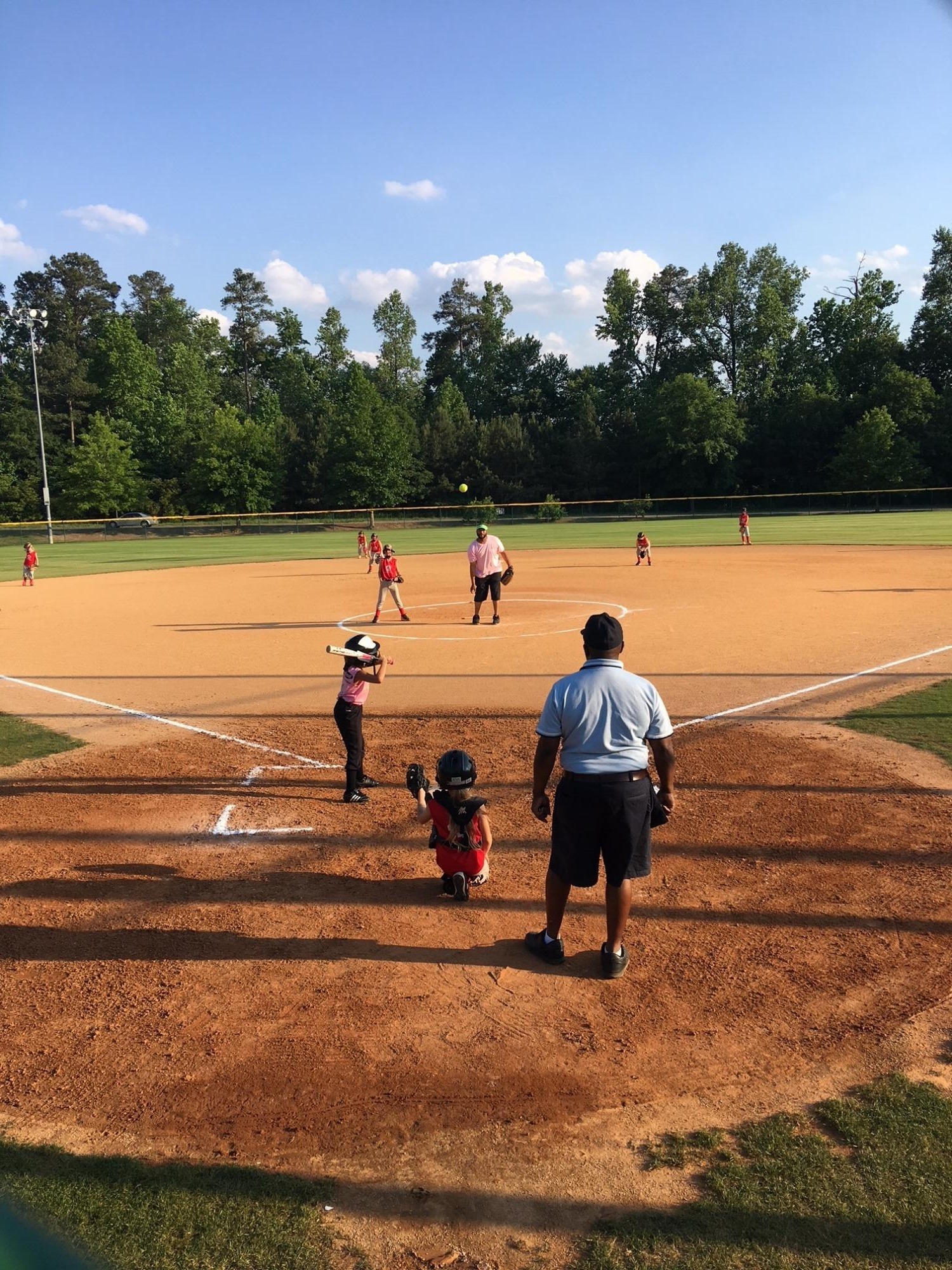
Fielding is a crucial part of softball that demands accuracy and speed. Players who perfect their fielding skills become key players on their team and help ensure defensive victories.
Mastering Your Moves
Footwork is the key to successful fielding. Proper footwork helps players get in the right position, move swiftly, and throw accurately. Here are some footwork basics to concentrate on:
Here are some tips for improving your game:
- Always be on your toes, ready to move quickly.
- Approach the ball with small, quick steps to keep your balance.
- Line up your body with your target to make your throws more accurate.
- Practice changing directions and pivoting smoothly to be ready for any play.
Doing footwork drills, like ladder drills or cone drills, can help you get better at agility and coordination. These drills are like real game situations and they teach you how to react quickly and efficiently.
Mastering Bat Speed and Swing Mechanics
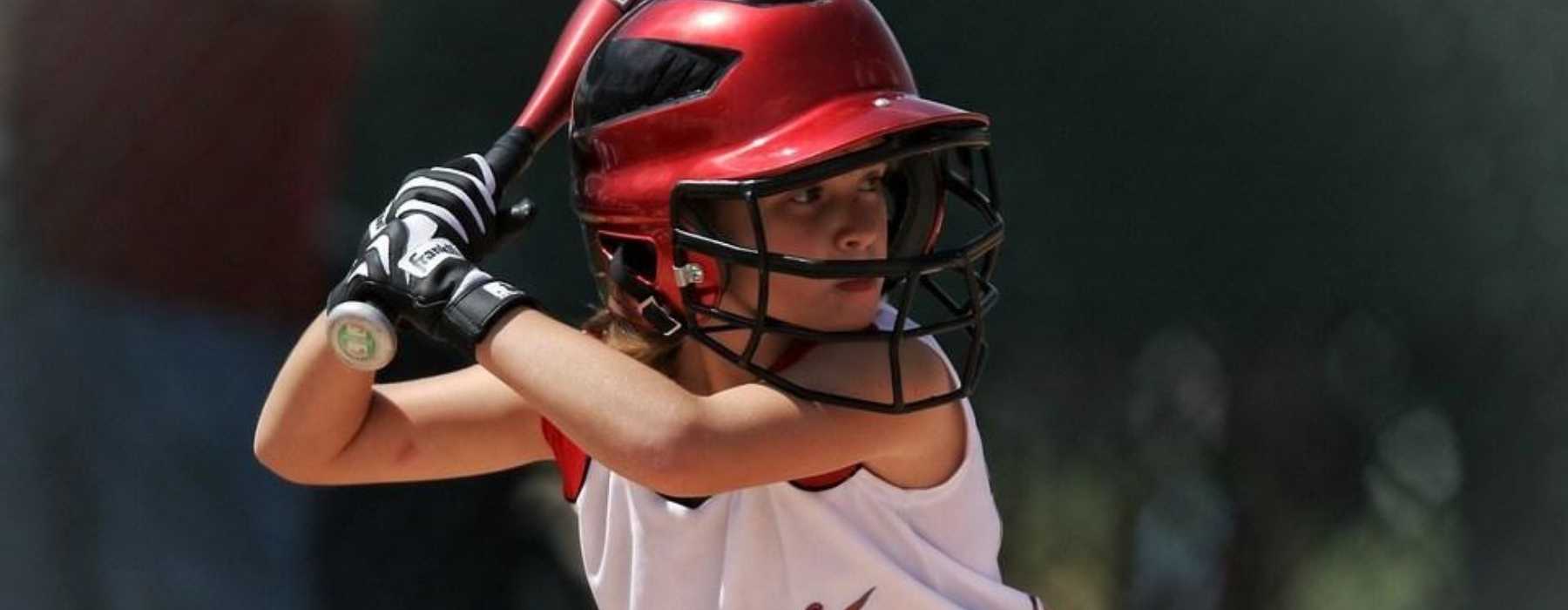
For a player to hit a softball powerfully and accurately, they need to have a good grasp of bat speed and swing mechanics. These skills are key to making a solid contact with the ball and hitting it with force. To improve bat speed, players need to pay attention to their grip, stance, and swing path.
Start by making sure that the grip is strong but not tense, with the knuckles lined up to enable the most wrist action. The stance should be steady, with the feet shoulder-width apart and the knees a bit bent. This position offers a solid foundation for producing force.
When it comes to the swing, it should be straight and level, with the bat head moving through the hitting zone rapidly. Players can practice this by using a tee or taking part in soft toss drills. These drills allow players to concentrate on their swing mechanics without the stress of a live pitch.

Adapting to Various Pitch Speeds
One of the hurdles in softball is adapting to various pitch speeds. Regardless of whether it’s a fastball or a change-up, players must have the ability to time their swings precisely. Practicing with a pitching machine or having a coach change pitch speeds during batting practice can assist players in developing this skill.
Girls playing softball should make sure they keep their eyes on the ball from the time it leaves the pitcher’s hand until they make contact with it. This will help them judge how fast the ball is coming and where it’s going. Also, if they stay relaxed and keep their hands quick, they’ll be able to change their swing if they need to.
Designing Youth Practice Plans that Motivate
Designing exciting and efficient practice plans is key to keeping young players inspired and keen to get better. A well-organized practice plan not only concentrates on developing skills but also makes learning enjoyable and satisfying. For more ideas, check out these fun baseball beginner drills that can be adapted for softball.
First, determine the main skills and areas that need to be improved, such as fielding, hitting, or base running. Next, create drills and activities that focus on these areas while keeping the players interested. It’s important to mix things up to avoid boredom and keep the energy high.
Making practice sessions more fun can be achieved by adding games and challenges. For instance, you can set up a friendly contest to see who can field the most ground balls or hit the most targets. This adds a thrill and motivates players to put forth their best effort.
Creating Enjoyable and Efficient Drills for 8U and 10U
When creating drills for younger age groups such as 8U and 10U, it’s essential to make them straightforward but efficient. These drills should concentrate on basic skills while also being enjoyable and engaging.

In fielding, a drill called “ground ball relay” can be both fun and instructive. Line the players up and let them field ground balls and throw to the next player in line. This drill helps improve fielding skills while teaching teamwork and communication.
For hitting, a “bullseye” drill can assist players in honing their precision. Scatter targets throughout the field and dare players to strike them with their swings. This promotes concentration and accuracy in hitting.
Adding a Competitive Twist
Incorporating competition into practice can elevate motivation and performance. Friendly contests inspire players to strive for more and cultivate a positive sense of competition.
Think about arranging small tournaments or mock games during training. These exercises mimic real game conditions and help athletes use their skills when they’re under pressure. Also, recording personal records and setting new objectives can motivate athletes to keep getting better.
Assessing and Modifying Practice Plans
Consistently assessing and modifying practice plans are crucial for ongoing development. After every practice, make sure to take a moment to consider what was successful and what could use some work.
Ask players and coaches for their thoughts and experiences. Use this feedback to tweak drills and activities as needed. This keeps practice sessions on track and in line with the team’s objectives.
What You Need to Know About Equipment and Safety
Having the correct equipment and following safety guidelines are key to having a successful and safe softball season. The right gear not only protects the players, but also helps them perform to the best of their abilities.
Picking the Perfect Equipment for Newbies
For newbies, choosing the right gear is crucial. Start with a glove that fits well and doesn’t restrict movement. A bat that’s the right size and weight for the player’s age and ability is also key.
It’s important for safety that players have helmets, cleats, and protective gear like shin guards. They should try on various options to find what is most comfortable for them. Gear that fits properly can improve their performance and lower their risk of getting hurt.
Keeping Safety Measures in Mind During Practice
Always prioritize safety during practice. Ensure that the practice area is clear of any dangers and that all players are familiar with the safety rules. Encourage players to talk to each other to prevent any accidental collisions.
Warming up and cooling down are crucial to avoid injuries. Make sure to stress the importance of staying hydrated and taking breaks when necessary. By putting safety first, we’re creating a positive and supportive space where young athletes can excel. For more on creating a safe practice environment, explore these fun baseball beginner drills and tips.
Off the Diamond: Fostering Team Unity and Communication
Though skills and techniques are vital, fostering team unity and communication is just as important. A unified team that communicates effectively both on and off the diamond can accomplish great things.
Promoting Teamwork and Collaboration
Softball is all about teamwork. Motivate players to back each other up and cheer each other on, whether they’re practicing or playing a game. Team-building activities like group tasks or trips can help build relationships and create a feeling of togetherness.
Coaches need to exemplify good communication skills and encourage the players to voice their thoughts and feelings. This will help to build trust and respect among the team members, which is the key to success.
Building Leadership Abilities
Leadership abilities are crucial for young athletes, not just for their growth in sports, but also for their life. These abilities assist players in leading their teammates, making strategic choices, and motivating others to perform at their highest potential.
Allowing players to take on roles that require responsibility, such as team captain or leading a drill, is a great way to cultivate leadership skills. Encourage them to express their thoughts and make decisions during practice, which will empower them to take ownership of their role in the team. For more insights on developing young athletes, check out these tips for teaching softball.
Commonly Asked Questions
When young athletes start playing softball, they and their parents usually have a lot of questions about training and development. Here are some of the most frequently asked questions and their answers.
What are the essential elements of a successful softball practice plan?
A successful softball practice plan should incorporate a warm-up, skill development exercises, and game-like situations. The warm-up gets the body and mind ready, while skill exercises concentrate on particular areas such as batting, fielding, or pitching. Game-like situations allow players to use what they’ve learned in a competitive environment.
What are some ways young players can better their hand-eye coordination?
Hand-eye coordination is a key factor in softball success. Here are some tips for teaching young players to help improve this skill:
- Play catch with a partner to improve your catching and throwing skills.
- Use a tee to practice hitting, which will help you improve your timing and precision.
- Participate in activities that require quick reflexes, such as juggling or playing video games that require fast reactions.
What safety gear do young softball players need?
Young players need safety gear to protect them from injuries. The most important pieces of equipment include:
- A helmet that fits correctly and has a face guard to protect the head and face.
- A glove that fits comfortably and allows for easy movement.
- Cleats for grip on the field.
- Shin guards and a chest protector for those playing catcher.
How often should girls practice to see noticeable improvement?
To see noticeable improvement, young players should practice frequently. Ideally, they should aim for 2-3 practice sessions per week, each lasting about 60-90 minutes. Consistency is key, so sticking to a regular schedule is important.
What can parents do to help their daughters with softball training?
Parents are a key part of their daughters’ softball experience. Here’s how they can be supportive:
- Cheer on and inspire your kid, recognizing both triumphs and attempts.
- Supply the required gear and verify that it fits correctly.
- Go to games and practices to demonstrate support and engagement.
- Speak with coaches to comprehend your child’s advancement and areas that need improvement.
What are the typical errors to avoid in youth softball training?
There are a number of typical errors that can prevent a young player’s growth:
- Putting too much emphasis on winning instead of focusing on developing skills and having fun.
- Not warming up or cooling down properly, which can lead to injuries.
- Using equipment that doesn’t fit or isn’t well-maintained.
- Not giving positive feedback or encouragement.
What can players do to improve their skills at home?
Players can do the following activities at home to keep improving their skills: explore various online lessons for hitting techniques, practice fielding drills, and ensure their equipment is well-maintained.
Here are some tips for practicing softball at home:
- Use a tee or soft toss net to practice hitting in your backyard.
- Work on your fielding skills by bouncing a ball against a wall and catching it.
- Do exercises like push-ups, squats, and lunges to improve your strength and conditioning.
- Watch instructional videos to learn new techniques and strategies.
Why is it important to warm up and cool down?
Warming up and cooling down are essential parts of any training session. A good warm-up prepares your body for physical activity, reducing the risk of injury and improving performance. It increases blood flow to your muscles and makes them more flexible.
Helping the body return to a state of rest is the purpose of cooling down. It helps reduce muscle soreness and stiffness by gradually decreasing the heart rate and encouraging relaxation. Including stretching and light exercises in the cool-down phase can also help with recovery.

Leave a Reply