Baseball is not just a sport; it’s a mixture of talent, accuracy, and training. For young athletes, learning how to hit can be a game-changer. Whether you’re a coach, parent, or player, comprehending the subtleties of hitting can greatly improve performance on the field. In this guide, we’ll delve into the crucial methods of youth baseball hitting, concentrating on developing a strong swing and perfecting footwork.
Summary
- Learning to hit a baseball properly involves mastering both the swing and footwork.
- Regular practice and proper form are key to developing a strong swing.
- Footwork is essential for maintaining balance and generating power.
- Common mistakes include a poor stance and incorrect weight distribution.
- Tailoring drills to individual players’ needs can lead to better results.
Getting the Basics Right in Youth Baseball Hitting
Before getting into complicated drills, it’s important to get the basics right. The fundamentals of hitting are the foundation for all future baseball success. Most importantly, these fundamentals lay the groundwork for more advanced techniques and ensure that young players have a solid base.
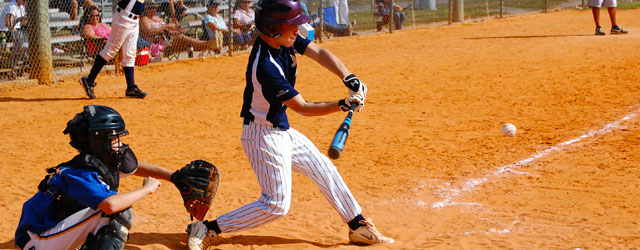
Why Basics Matter
Think about this: Would you try to build a house on a weak foundation? Of course not. It wouldn’t be able to hold up. Baseball is the same way. If players don’t have a strong understanding of the basics, they’ll have a hard time with more advanced techniques. The basics help players understand how their body works and how to move it to get a good hit.
Why Proper Techniques Matter
Using the right techniques when hitting can lead to better performance and a lower risk of injury. Players who use the correct form can hit the ball more accurately and with more power. In addition, using the right techniques can boost a player’s confidence, which can improve their focus and make the game more enjoyable.
- Better accuracy and strength
- Lower chance of getting hurt
- Boosted self-assurance and concentration
- Increased pleasure from playing
Building a Strong Swing
Now that we’ve grasped the significance of the basics, let’s proceed to building a strong swing. A potent swing blends power, rhythm, and exactness. It’s not merely about smacking the ball with force; it’s about smacking it intelligently.
What Makes a Swing Strong
There are a few factors that go into a strong swing. First, you should have a solid but not tense grip on the bat. If you hold the bat too tightly, you can limit your movement and lose power. Next, you should have a stable stance with your feet about as wide as your shoulders. This kind of stance gives you better control and lets you transfer your weight more effectively. Finally, your swing should be smooth and fluid, using your whole body to generate power.

Frequent Swing Errors
There are a few common errors that young players often make that can impact their performance. One such mistake is not standing properly, either standing with their feet too close together or too far apart. This can create an imbalance that leads to poor weight transfer and less power. Another error is holding the bat too tight, which can create tension and limit movement.
Moreover, players frequently concentrate only on their arms, ignoring the importance of their legs and core in producing power. A swing that is too dependent on the arms can result in inconsistent hits and decreased efficiency.
Coordination-Boosting Footwork Drills
Footwork plays a key role in making a great hit in baseball. It helps keep balance, enables effective weight transfer, and adds power to the swing. To boost coordination, young players should engage in certain footwork drills that target these aspects.
The “Step and Swing” drill is a great exercise that players can do. This drill involves stepping towards the pitcher with the front foot at the same time as swinging. This helps with timing and makes sure that the player’s body weight is moving in the right direction. The “Balance Beam” drill is another good one. In this drill, players walk along a straight line while they swing. This helps players understand how to keep balance during a swing.
Putting Swing and Footwork Together in Practice
It’s crucial to bring swing and footwork together in practice to create a smooth hitting technique. It’s not enough to work on each part in isolation; they need to work in sync. By working on these elements together, players can build a more effortless and potent swing.
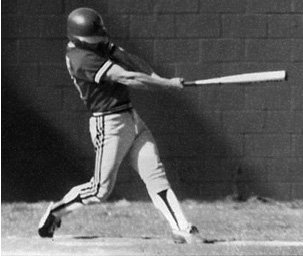
Swing and Footwork Drills
Coaches can help players learn to combine swing and footwork by introducing drills that require them to concentrate on both at the same time. The “Stride and Hit” drill is a good example. Players learn to take a controlled stride towards the pitcher before swinging in this drill. It helps players understand the importance of timing and how to synchronize their footwork with their swing.
The “Pivot and Swing” is another helpful exercise. In this drill, players practice pivoting on their back foot as they swing. This action helps players use their lower body to generate power and ensures they’re not just relying on their arms. For more insights on improving swing techniques, check out these baseball hitting drills for youth.
Monitoring Player Improvement
It is crucial to keep track of player improvement to ensure that practice is effective and players are getting better. Coaches and parents have several ways to monitor a player’s progress. One method is to have a hitting journal. Players can log their practice sessions in this journal, noting the drills they did and their feelings about their performance. This self-reflection can help identify areas that need improvement and track progress over time.
Furthermore, video analysis can be a very effective tool. By recording a player’s swing and footwork, you can give detailed feedback and allow players to see their own technique. This visual feedback can be very motivating and educational. For additional resources, check out the best baseball training apps for kids to sharpen their hitting and playing skills.
The Necessity of Regular Training
Improvement in any sport, including baseball, is built on the foundation of regular training. Training consistently helps solidify good habits and gives players the chance to polish their skills. It’s crucial to create a routine that incorporates both swing and footwork exercises, guaranteeing that players are always improving all elements of their hitting technique.
Moreover, consistency is key in developing muscle memory, which makes the right moves feel second nature and automatic. This is especially important for performing at a high level in high-pressure game situations.
Customizing Techniques for Each Player
Each player is distinct, possessing their own strengths, weaknesses, and ways of learning. As a result, it’s crucial to tailor hitting techniques to suit each individual player. This personalization can result in more productive practice sessions and improved overall performance. For those interested in developing personalized drills, explore these beginner baseball hitting drills to enhance skills effectively.
When coaches and parents know what a player needs, they can customize drills and techniques to help them reach their full potential. This not only helps players get better, but it also keeps them interested and excited about the game.
Evaluating a Player’s Pros and Cons
Before tailoring techniques to suit a player, it’s crucial to first evaluate their pros and cons. Watching players during training and matches can give a wealth of information about their skill set. Coaches need to consider factors such as stability, agility, rhythm, and strength.
When coaches pinpoint what a player does well and where they need improvement, they can work on improving the weak areas while continuing to strengthen the strong ones. This well-rounded approach helps the player develop in all areas and builds their confidence.
Personalizing Drills to Meet Unique Requirements
Once you’ve evaluated a player’s skills, the next move is to personalize drills to meet their unique requirements. For instance, if a player has trouble with balance, drills that focus on stability, like the “Balance Beam,” can be especially helpful. If timing is a problem, drills like the “Stride and Hit” can be incorporated to enhance coordination.
It’s also crucial to adapt the difficulty of drills to suit the player’s skill level. By starting with easier exercises and slowly increasing the complexity, you can ensure that players continue to be challenged without feeling overwhelmed.
Keeping Up Morale and Support
Keeping up morale is vital for young players as they hone their skills. Coaches and parents have an important part in offering support and fostering a positive atmosphere. Recognizing small wins and progress can increase self-assurance and keep players involved.
Moreover, setting attainable goals can give players a sense of direction and purpose. These goals should be specific, measurable, and have a time limit, helping players concentrate on constant improvement.
Wrapping Up: Your Roadmap to Triumph
Becoming proficient in youth baseball hitting techniques demands commitment, repetition, and an openness to learning. Concentrating on the basics, building a strong swing, and incorporating footwork will allow players to improve their game on the diamond. Tailoring techniques to meet personal requirements and keeping practice consistent are vital pieces of the victory puzzle. For additional tips on enhancing your skills, check out these beginner baseball hitting drills.
Young players can reach their full potential and fully enjoy the game with the right approach and mindset.
Summary of Essential Skills
In summary, the essential skills for enhancing youth baseball hitting are:
- Concentrating on the basics of grip, stance, and swing.
- Performing footwork drills to improve balance and coordination.
- Merging swing and footwork for a smooth hitting technique.
- Monitoring progress using journals and video analysis.
- Modifying techniques to suit the needs of individual players.
By using these methods, young athletes can cultivate the abilities they need to succeed in baseball and foster a lifelong passion for the game.
How to Keep Getting Better
If young baseball players want to keep getting better at hitting, they need to keep practicing and checking how they’re doing. Setting goals and working to reach them can help them stay excited about getting better and can help them see how much they’re improving. But they need to remember that getting better takes time and they need to be patient.
Moreover, players should also take the time to ask for advice from their coaches and teammates to gain a variety of viewpoints on their performance. This advice can bring to light areas for improvement that may not be immediately noticeable. Finally, making sure that the experience remains fun and enjoyable will help players to keep their passion for the game.
Questions You Might Have
We’re going to tackle some of the most frequently asked questions about youth baseball hitting techniques to give you a clearer understanding and better direction.
What makes a good swing?
A good swing encompasses a firm grip on the bat, a stance that is balanced, and a motion that is smooth and fluid, utilizing the whole body. It is important to ensure the correct transfer of weight and to keep your eye on the ball throughout the swing. For additional tips on improving your swing, check out these youth hitting drills.
What makes footwork so crucial in baseball hitting?
Footwork is vital because it aids in keeping balance, enabling efficient weight transfer, and adding to the swing’s power. Proper footwork guarantees that the player is in the optimum position to make strong contact with the ball.
A player’s swing can lose balance and power without the right footwork, resulting in inconsistent performance.
What can I do to help my child get better at hitting?
If you want your child to get better at hitting, make sure they are practicing consistently and receiving positive feedback. Have them do swing and footwork drills on a regular basis. Give them helpful tips and make sure to acknowledge when they are making progress. This will help them feel more confident and motivated.
Think about getting a coach or joining a neighborhood baseball team for more advice and organized practice sessions.
What are some typical errors that young batters make?
Typical errors include an incorrect stance, holding the bat too hard, and using the arms too much instead of the entire body. In addition, young players may concentrate too much on hitting the ball hard rather than making precise contact. For those looking to improve, exploring beginner baseball hitting drills can be beneficial.
These errors can cause inconsistent results and should be addressed by concentrated practice and corrective exercises.
What is the recommended frequency for youth players to practice hitting techniques?
Young players should strive to practice hitting techniques multiple times a week to establish muscle memory and enhance abilities. Regular practice supports the reinforcement of positive habits and provides players the opportunity to fine-tune their techniques over time. For more guidance, consider exploring youth hitting drills and lessons to further improve their skills.
- Workouts should combine both swing and footwork exercises.
- Each workout should be 30-60 minutes long, depending on how old the player is and how long they can focus.
- Take days off to avoid getting too tired and to make sure the player has time to recover.
Practicing on a regular basis, along with taking time to rest and recover, is the best way to get better and avoid injuries from overuse. For more tips on improving your skills, check out these youth hitting drills.
Are these techniques also useful for softball?
Absolutely! Many of the same hitting techniques that apply to baseball also apply to softball. Both sports share similar fundamentals when it comes to grip, stance, swing mechanics, and footwork. Some adjustments may be necessary due to differences in pitching style and ball size.
In general, concentrating on these strategies can boost performance in both sports.
What is the best way to tailor drills to each player?
When it comes to tailoring drills, it’s all about recognizing a player’s strengths and areas for improvement and adjusting their training to meet their specific needs. Begin by watching the player during practice and games to pinpoint where they need to improve.
After you’ve pinpointed the main areas, choose exercises that focus on those abilities. Depending on the player’s skill level and how they improve over time, you may need to change the difficulty and intensity of the exercises. For guidance on specific drills, explore these baseball hitting drills for youth.
How can I measure improvement in my hitting skills?
There are several ways to measure improvement in your hitting skills, including keeping a hitting journal, using video analysis, and setting measurable goals. A hitting journal gives players a chance to reflect on their practice sessions and identify areas of improvement or difficulty.
Players can see how they’re doing and make changes as needed with video analysis, which provides visual feedback. Setting goals that are specific and achievable can also give direction and motivation for continued improvement. For those interested in enhancing their skills further, exploring hitting drills for baseball can be beneficial.
By keeping a close eye on their progress, players can ensure they are on the right track and make smart choices about their training routine.

Leave a Reply