Key Takeaways
Fear of failure is a common issue among young athletes, but it can be tackled with the right strategies.
Seeing mistakes as opportunities to learn can help in building resilience.
Visualization and maintaining consistent routines can enhance performance and lower anxiety.
Positive self-talk and setting achievable goals are key to boosting self-confidence.
Promoting team support and practicing mindfulness can greatly improve mental toughness.
Overcoming Fear of Failure Tips for Youth Baseball & Softball
All young athletes experience fear of failure at some point. It’s a normal part of the growth and learning process in sports. The goal is to help them deal with this fear in a way that doesn’t limit them. With the right strategies, they can transform fear into motivation and perform at their peak.
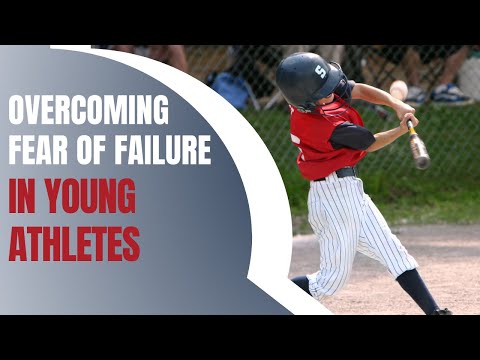
Fear of failure can take many forms in youth baseball and softball. Some players may be afraid of striking out, while others may be afraid of making an error in the field. These fears can lead to anxiety, which can affect performance and enjoyment of the game. Therefore, it is important for players and coaches to understand and address these fears.
Understanding Fear in Youth Sports
Failure fear in youth sports is a widespread issue, and it’s not just about the fear of losing a game. Young athletes often fear letting their team down, disappointing their parents, or not living up to their own expectations. This fear can be paralyzing, causing them to play it safe rather than taking the risks needed to improve.
Furthermore, different factors such as coaches, parents, and the players themselves can all contribute to the pressure to succeed. This pressure can lead to a destructive pattern where fear leads to underperformance, which then exacerbates the fear. To break this cycle, a proactive approach that centers on fostering self-assurance and tenacity is needed.
Why It’s Important to Overcome Fear
It’s crucial for young athletes to overcome their fear of failure for a few reasons. First, it helps them to enjoy the game more. When they’re not always stressed about messing up, they can concentrate on having fun and getting better. This enjoyment is key for them sticking with the sport long-term.
Secondly, overcoming fear aids in the development of resilience. When young athletes learn to cope with failures and errors, they acquire essential life skills that are applicable not only on the field, but also in other areas of life. They begin to perceive challenges as opportunities for improvement rather than as threats to their self-esteem. For more insights, read about building confidence in little league players.
In conclusion, dealing with the fear of failure can result in improved performance. Athletes who are confident and relaxed are more likely to perform at their best. This not only benefits the player themselves, but also the whole team.
Tips to Overcome Fear of Failure
There are numerous successful tips to assist young athletes in overcoming their fear of failure. These tips are centered around increasing self-esteem, fostering a positive attitude, and establishing a nurturing atmosphere.
See Mistakes as Chances to Grow
One of the most critical parts of getting over the fear of failure is to alter how athletes perceive mistakes. Rather than viewing them as failures, they should be seen as chances to learn and improve. This change in viewpoint can drastically decrease anxiety and boost performance. For more tips on building confidence, check out coaching little league players.
Urge young players to dissect their errors and pinpoint the lessons they can glean from them. For instance, if a player swings and misses, they can examine their swing and determine what didn’t work. This forward-thinking approach aids them in realizing that errors are a normal part of the learning journey.
Picture Yourself Winning
Visualizing success is a great way to overcome fear of failure. When athletes can picture themselves doing well, they are more likely to feel confident and less anxious. This method involves mentally picturing yourself doing well, whether that means hitting a home run or making a key play in the field.
When it comes to visualization, ask the players to find a calm spot where they can unwind. They should close their eyes and imagine themselves doing the skill they want to get better at. The more they can see and feel in their mind’s eye, the more it will help.
Establish a Regular Routine
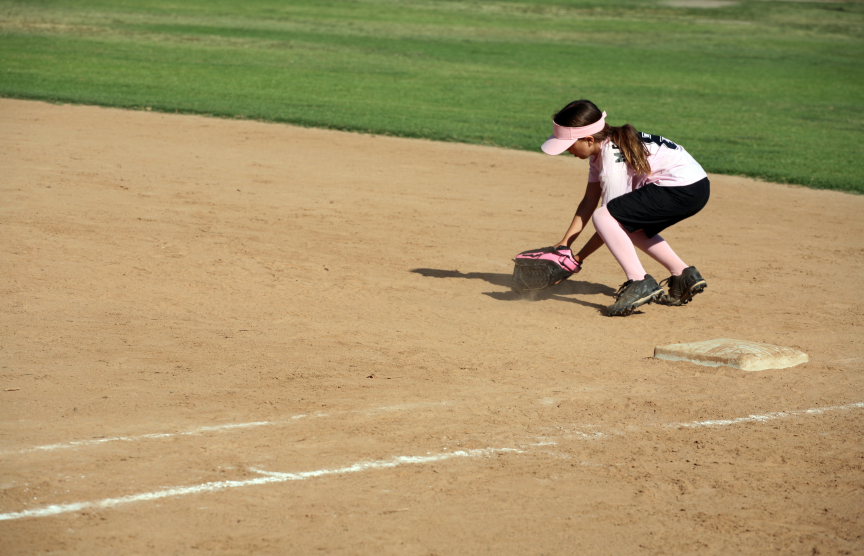
For athletes, establishing a regular routine can provide a sense of control and can help to alleviate anxiety. This routine can incorporate pre-game rituals, warm-up exercises, and techniques for mental preparation. Consistency can foster a sense of familiarity and comfort, which can provide reassurance in high-pressure situations.
Take, for instance, a pre-game routine that includes stretching, listening to music, and visualizing success. This routine can assist athletes in getting into the proper mindset and feeling prepared to perform. Coaches and parents can assist by promoting routines and assisting athletes in adhering to them.
Concentrate on the Here and Now
The fear of failing usually comes from overthinking about what might happen in the future. If we can teach our young athletes to concentrate on the here and now, they will be less anxious. Techniques such as deep breathing and meditation can be very useful in helping them to do this.
Support the players to focus on what is currently in their control, like their effort and attitude. By doing so, they can stay focused and perform better under pressure. Remind them that worrying about future outcomes won’t change them, but focusing on the present can. For more tips, check out building confidence techniques for Little League players.
Moreover, concentrating on the here and now assists players in regulating their feelings and maintaining composure in high-stress situations. When they are completely absorbed in what they are doing, they are less prone to being sidetracked by pessimistic thinking or concerns about what might happen. This level of attentiveness can result in improved play and a more satisfying time on the diamond. For more insights, check out helping young athletes manage fear of failure.
Establishing Attainable Goals
It is important to establish goals that are realistic and achievable as this can help build confidence and decrease the fear of failure. If the athletes have objectives that are clear and within their reach, they can concentrate on their progress rather than being consumed by the fear of not meeting high expectations. These goals need to be specific, measurable, and within the control of the athlete.
Instead of aiming to “win the match,” a player could aim to “improve batting average by practicing hitting for half an hour each day.” This is a goal that can be achieved and offers a clear route to success. Celebrating minor victories along the way also boosts self-esteem and drive. For more tips on managing fear of failure, check out helping young athletes manage fear of failure.
Use Mindfulness Techniques
Methods like deep breathing, meditation, and progressive muscle relaxation are all mindfulness techniques that can help control fear and anxiety. These techniques help players stay in the moment and concentrate, which lessens the effect of negative thoughts and feelings. Regular practice of mindfulness can also boost overall mental health.
It’s important to remind players to add mindfulness techniques to their everyday activities. For example, they can begin every practice by spending a few moments on deep breathing or meditation. As time goes on, these techniques will become a habit, helping players remain cool and collected in stressful circumstances. For more tips, check out these youth hitter tips.
Promote Team Encouragement
Encouragement from the team is crucial in aiding athletes to conquer their fear of failure. Athletes who feel that their team and coaches are behind them are more willing to take chances and strive to get better. Creating a positive and uplifting team atmosphere can greatly impact an athlete’s self-assurance and performance.
By promoting teamwork and recognizing team accomplishments, coaches and parents can create a supportive environment. Encourage players to cheer each other on and give positive feedback. Players who know their team supports them are more likely to feel confident and less likely to be afraid of making mistakes. For more tips, check out our guide on defensive positioning strategies for youth baseball and softball teams.
Hands-On Drills to Boost Self-Assurance
Beyond the techniques we’ve already discussed, there are a number of hands-on drills that can help build self-assurance and lessen the fear of failure. These drills are meant to strengthen mental toughness and enhance performance.
Practicing with Scenarios
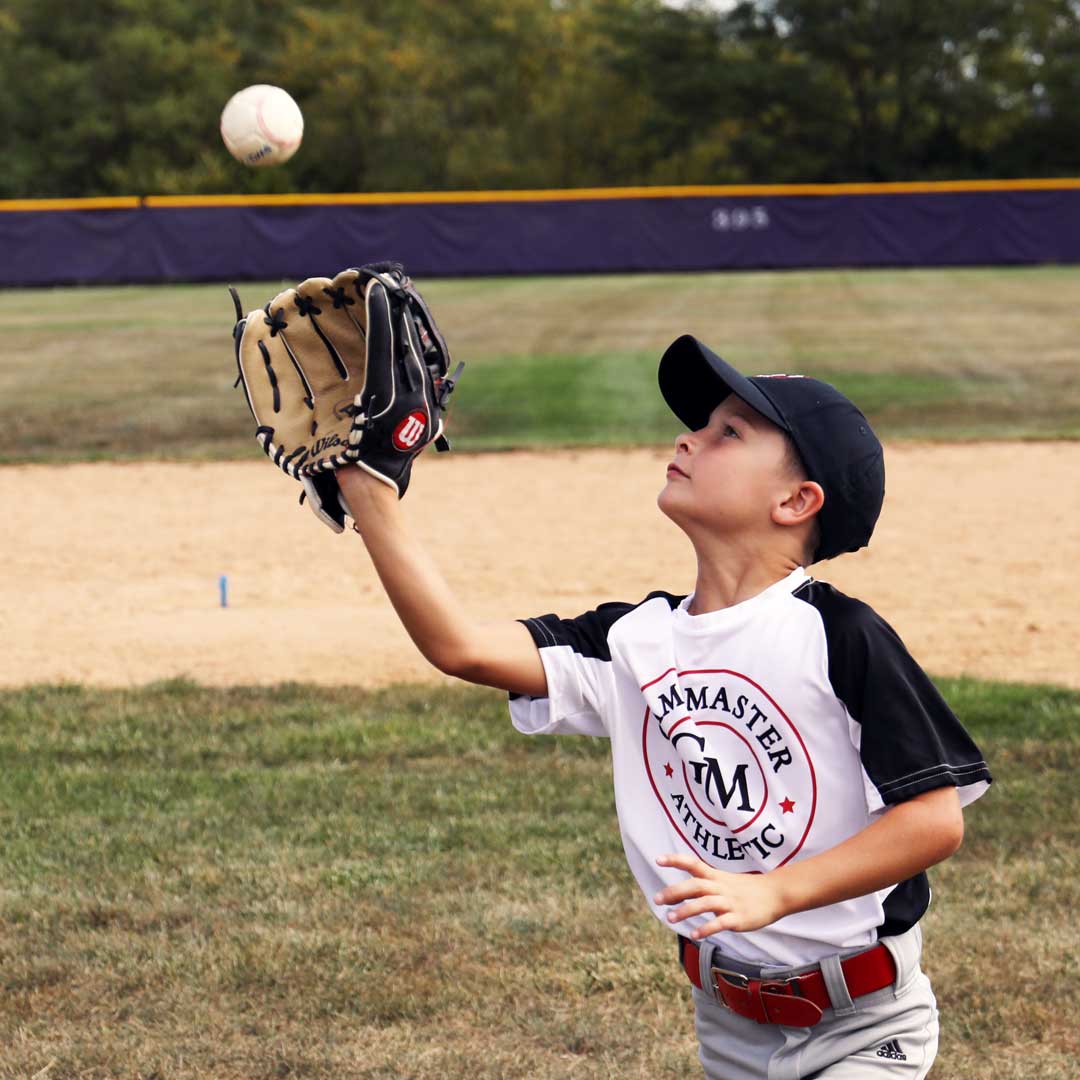
Practicing with scenarios can help athletes prepare for different situations they might encounter on the field. By practicing these scenarios in a controlled environment, athletes can build confidence and develop strategies for handling pressure. For example, coaches can set up a situation where a player needs to make a crucial play in the final inning of a game.
When you’re running these mock scenarios, make sure to keep the players focused on their abilities and keep the energy upbeat. Talk about what they did right and what they could do better, and remind them that errors are just another way to learn. This exercise can help the players feel ready and less nervous when they have to deal with the same situations in actual games.
Deep Breathing Techniques
Deep breathing techniques are a simple and effective tool for managing anxiety and maintaining focus. Deep breathing can calm the nervous system and reduce stress, which can help athletes maintain their composure under pressure. Encourage athletes to take slow, deep breaths before and during games to help them stay calm and focused. For more on maintaining focus, check out these pre-pitch routine drills.
A great method to try is the 4-7-8 breathing exercise:
Take a deep breath in through your nose, counting to 4 as you do so.
Hold that breath in, counting to 7.
Slowly breathe out through your mouth, counting to 8.
We recommend that athletes practice this breathing exercise often, particularly in high-stress situations. It can become a valuable tool for managing their anxiety and enhancing their performance over time.
Writing Down Experiences
Another effective method for boosting confidence and reducing the fear of failure is through journaling. Athletes should be encouraged to keep a journal where they can write about their experiences, both good and bad. By writing about their thoughts and feelings, they can better understand their emotions and gain a deeper understanding of their performance.
By keeping a journal, athletes can document their goals, accomplishments, and any difficulties they encountered. They can also share how they tackled problems and what they gained from their experiences. This habit can assist athletes in cultivating a growth mindset and viewing errors as chances for improvement rather than failures.
Success Stories from Real Life
For young athletes, real-life examples can serve as a great source of inspiration and motivation. Learning about others who have conquered their fear of failure and reached their goals can instill a belief in their own capabilities. Here are a few stories that demonstrate the strength of resilience and determination.
Example: Amanda Chidester
Amanda Chidester, a professional softball player, has also experienced her fair share of obstacles and disappointments. She recognizes that failure is an inherent aspect of the game and has learned to accept it. By concentrating on her abilities and keeping a positive attitude, Amanda has accomplished extraordinary success on the field. Her journey demonstrates the impact of tenacity and perseverance.
Stories from Youth Baseball Players
Sam, a young baseball player, battled with a fear of failure and a lack of confidence. His parents were desperate to find a solution and discovered a revolutionary batting program that aligned with their pursuit of excellence. After finishing the program, Sam’s performance significantly improved, and he became a star player on his team. His transformation from self-doubt to triumph is a strong testament to what can be accomplished with the right support and mindset.
Wrapping Up on Growth and Development
Getting past the fear of failure is a path that needs patience, support, and constant work. It’s essential to note that fear is a natural part of growth and can be a strong motivator when handled correctly. By accepting mistakes, visualizing success, creating routines, and focusing on the present, young athletes can gain the confidence they need to do well. For more tailored advice, check out our baseball and softball training for kids.
The collective effort of parents, coaches, and teammates is indispensable in this process. By fostering a nurturing environment and promoting a positive mindset, we can assist young athletes in transforming their fear into a catalyst for success. Keep in mind that the objective is not solely to triumph in games but to nurture resilient, self-assured individuals who can tackle obstacles both in and outside the sports arena.
Common Questions
Answering typical questions can offer more clarity and assistance for those seeking to help young athletes conquer their fear of failure.
What are the usual fears in youth baseball and softball?
Usual fears include striking out, making mistakes, letting down teammates or coaches, and failing to meet personal or external standards. These fears can result in anxiety and negatively affect performance if not dealt with. For tips on improving performance, check out these youth hitter tips.
What can I do to help my child gain confidence?
There are a few strategies you can use to help your child gain confidence. These include using positive reinforcement, setting achievable goals, and teaching them to see mistakes as opportunities to learn. You can also introduce them to visualization and mindfulness exercises, and make sure they’re in a supportive environment where they feel comfortable taking risks and growing.
What should my kid concentrate on during a match?
Throughout a match, your kid should concentrate on the present moment and the elements of the match they can control, like their effort, attitude, and particular skills. Inspire them to remain optimistic, utilize deep breathing methods to remain composed, and bear in mind that errors are part of the learning process.
How do routines assist in conquering fear?
Routines offer a sense of familiarity and control, which can help alleviate anxiety. By maintaining a consistent pre-game routine, athletes can mentally and physically ready themselves for the game, making them feel more self-assured and prepared to perform.
Establish a pre-game ritual involving activities such as stretching, listening to music, and visualizing the game.
Urge athletes to maintain their routine to foster a sense of consistency.
Modify routines when necessary to ensure they continue to be effective and enjoyable.
What are the advantages of mindfulness for young athletes?
Mindfulness allows young athletes to remain in the moment and concentrate, lessening the influence of negative thoughts and emotions. Techniques like deep breathing, meditation, and progressive muscle relaxation can enhance overall mental health and performance in high-pressure situations. Learn more about helping young athletes manage fear of failure to improve their game.
Practicing mindfulness regularly can help you better control your emotions, become more self-aware, and view challenges and setbacks more positively.
What is the significance of parents and coaches in this?
Parents and coaches have a crucial part in establishing a nurturing environment for young sportspeople. They can assist by offering affirmative encouragement, setting achievable goals, and promoting a growth mentality. Transparent communication and empathy are essential to making sportspeople feel backed and self-assured.
How does visualization enhance performance?
Visualization is the process of creating a mental picture of success, which can boost self-assurance and decrease nervousness. Athletes who consistently practice visualization can enhance their concentration, improve their abilities, and feel more ready for high-stress situations. For more tips on building confidence, check out coaching little league players.
Encourage players to visualize specific actions, like hitting a home run or making a key play, in vivid detail to make this technique as effective as possible.
How can I help my child develop a positive mindset?
You can help your child develop a positive mindset by emphasizing effort over results, recognizing small wins, and teaching them to see mistakes as chances for improvement. Use positive self-talk and remind them of their abilities and previous accomplishments.
“I witnessed my 10-year-old’s transformation. His .320 average with no home runs soared to a .560 as a right-handed hitter and .584 as a left-handed hitter. After hitting five home runs, he’s now a powerhouse in the major leagues! This change was like magic.” – Jack A. Martin
Helping your child to build resilience and confidence in a positive and supportive environment will enable them to conquer their fear of failure and reach their full potential. For more tips on this, check out these confidence-building techniques.
If you are seeking additional advice and techniques to assist young athletes in overcoming their fear of failure and improving their performance, Click Here.

Leave a Reply