Key Points
Maximizing defensive efficiency in youth baseball and softball hinges on field positioning.
Successful field positioning depends on effective communication and understanding player strengths.
Specific drills, such as cone drills for outfielders and cut-off and relay drills for infielders, can significantly enhance field positioning skills.
Using signals and adjusting based on opponents is how field positioning strategies are implemented during games.
Maintaining player interest and improvement involves keeping drills fun and engaging while tracking progress.
Why Field Positioning Matters
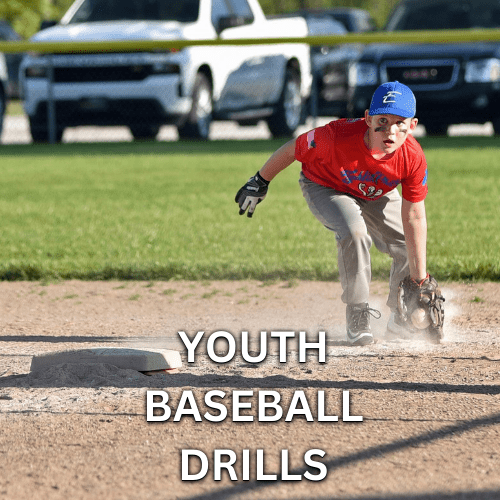
In youth baseball and softball, the difference between a routine out and a base hit can be field positioning. This ensures players are in the best spot to make plays, thereby maximizing a team’s defensive capabilities. This not only boosts individual performance but also team confidence and efficiency.
The Role of Communication
Effective field positioning is built on a foundation of communication. Players need to be in constant communication to make sure everyone knows what they should be doing. For instance, outfielders need to communicate with infielders about who will be catching fly balls, and infielders need to communicate about who will be covering each base.
Regular practice drills emphasizing verbal cues is a method to enhance communication. Drills can be utilized by coaches where players have to shout out the position of the ball and what they plan to do. This strengthens the routine of speaking on the field, which will be instinctive during matches.
Recognizing Individual Skills
In addition to communication, recognizing the individual skills and limitations of each player is critical. Some players may have more powerful throws, while others may be faster runners. Placing players in positions that play to their strengths can greatly enhance the team’s overall defensive capabilities. For example, you can follow this guide on fielding positioning to optimize your team’s defensive setup.
For example, a player with a powerful arm might be a good fit for third base or shortstop, as these positions often require quick and strong throws. On the other hand, a fast player might do well in the outfield, where it’s important to cover a lot of ground quickly.
Key Drills for Bettering Field Positioning
Specific drills are crucial for improving field positioning skills. These drills should aim to enhance communication, recognize player strengths, and carry out plays effectively.
Cone Exercises for Outfielders
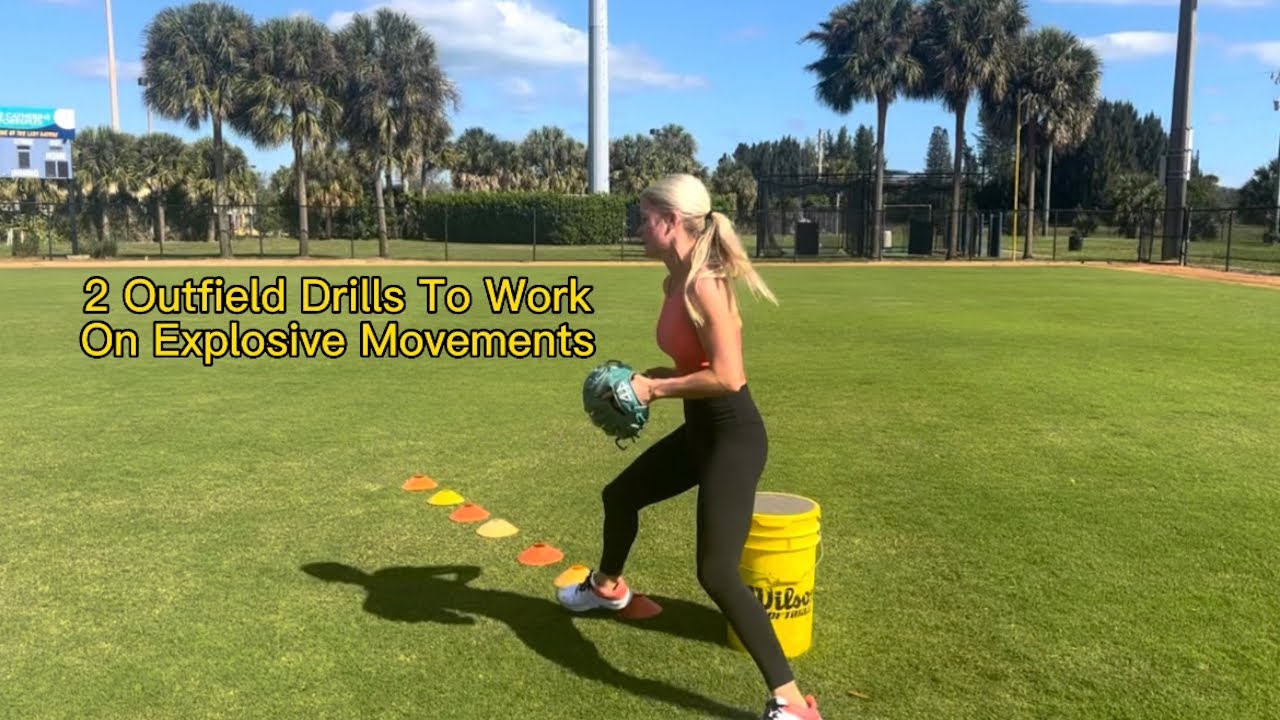
Cone exercises are perfect for outfielders because they instruct athletes to move rapidly and place themselves in the right spot. Here is how you can establish a simple cone exercise: softball outfield drills.
Arrange cones in a straight line with a distance of 10-15 feet between each one.
Instruct players to start at one end and run at full speed to the first cone, then move sideways to the next cone, and so on.
Encourage players to shout out when they arrive at each cone to practice their communication skills.
These drills help enhance footwork, speed, and the ability to quickly change direction, which are crucial skills for effective outfield positioning.
Essential Cut-off and Relay Drills for Infielders
It is vital for infielders to practice cut-off and relay drills. These exercises aid players in comprehending their responsibilities during a game and enhance their skills in performing cut-offs and relays. Here is an easy cut-off drill:
Create a situation where an outfielder picks up a ball and throws it to an infielder who is playing the role of the cut-off man.
The cut-off man then passes the ball to another infielder at a base.
Practice a variety of scenarios, such as throws to home plate or second base, to cover all possible game situations.
This drill assists players in practicing their throws, improving accuracy, and comprehending their positioning during cut-off plays.
Putting Field Positioning into Practice
After players have mastered field positioning, it’s important to put these strategies to use during games. This includes using signals and making adjustments based on the opposing team.
Communicating with Hand Signals and Verbal Cues
Hand signals or verbal cues can be used by coaches to communicate adjustments in positioning during games. For instance, a coach might signal outfielders to shift left or right based on the batter’s tendencies. This ensures that players are always in the best position to make a play. For more tips, check out this guide on fielding positioning.
Positioning Based on the Other Team
In addition, knowing what the other team is good and bad at can help with where to position players. For example, if a batter usually hits ground balls to the left side, the infield can move a little bit to be ready for the play. For more information on positioning, check out this guide on defensive positional responsibilities.
These changes necessitate ongoing dialogue and rapid decision-making, abilities that can be improved with consistent practice and exercises.
Positioning According to the Other Team’s Behavior
Knowing how the other team plays is a key aspect of field positioning. If you study the other team’s batters and know their habits, you can make smart choices about where your players should be. For example, if a batter usually hits the ball to the left side of the field, you can move your infielders and outfielders to that side.
Coaches can keep detailed notes during games to understand where each batter typically hits the ball. This information can be used to make strategic adjustments and significantly improve the team’s defensive performance.
Drills Broken Down
We’re going to look at some drills that are great for improving field positioning in young baseball and softball players. These drills are all about boosting communication, agility, and understanding of how the field works.
Halt & Dash Exercise
The Halt & Dash Exercise is a fantastic method for instructing players on how to swiftly switch directions and respond to the ball. Here’s how to execute this exercise:
Arrange a number of cones in a straight line with a distance of about 5 feet between each.
Players should begin at one end and dash to the first cone.
They should come to a quick halt at the first cone, then sprint to the subsequent cone, and so on.
Players should be encouraged to shout “Stop” and “Go” to practice giving and receiving verbal cues.
This drill enhances agility and reflexes, which are critical for effective field positioning.
Triangle Exercise
The Triangle Exercise is designed to enhance infielder’s teamwork and coordination. Here’s how you can set it up:
Set up three cones in a triangle shape, roughly 10 feet from each other.
Designate a player to each cone.
Instruct the players to toss the ball to each other in a clockwise manner, then change to counterclockwise.
Urge the players to shout out the name of the player they’re tossing to.
This exercise improves infielders’ communication, precision, and rapid decision-making abilities. For more tips, check out our guide on quick release fielding.
Quick-Pace Ground Ball Drill
The Quick-Pace Ground Ball Drill is intended to enhance infielders’ skills in fielding ground balls swiftly and precisely. Here’s how to execute this drill: check out these infield drills for youth baseball players.
Arrange players in a line at the shortstop position.
The coach should hit ground balls to each player in a quick sequence.
Each player must catch each ball without error and throw it to first base as fast as they can.
Encourage players to yell “Ball” when catching and “First” when throwing.
This drill aids in the development of quick reflexes and improved fielding skills in players.
Advice for Successful Field Positioning Drills
For the best results from your field positioning drills, remember these important pieces of advice. They’ll ensure you make the most of practice, keep your players interested, and monitor their improvement. For more specific techniques, check out these softball outfield drills.
Getting the Most Out of Practice Time
Time is of the essence during practice sessions, so it’s important to make the most of it. Here are some tips for getting the most out of practice time:
By preparing in advance and keeping practices lively, you can make sure every minute of practice is beneficial.
Making Drills Exciting and Interactive
Furthermore, it’s crucial to make drills exciting and interactive to keep players’ attention and excitement. Here are some suggestions:
Make sure to add games and contests into your drills to keep things fun and engaging.
Always remember to give positive feedback and celebrate when your players do well.
Keep things interesting by rotating your players through different drills.
When players have fun at practice, they’re more likely to stay motivated and keep working to get better.
Keeping Tabs on Progress and Development
It is crucial to monitor the development of players to measure their progress and pinpoint areas that need more work. Here are some methods to keep tabs on progress:
Keep a record of how each player performs during drills.
Use video to review players’ technique and give them feedback.
Give each player a specific goal and regularly check on their progress.
By keeping an eye on progress, you can give feedback that’s tailored to each player and help them keep getting better at field positioning.
Common Questions
These are some of the most frequently asked questions about drills for field positioning in youth baseball and softball, including tips on strong glove side positioning:
How frequently should we train on field positioning?
You should aim to work on field positioning at least two times a week. This gives players enough time to both learn and strengthen their skills without feeling too stressed out. For more tips, check out this guide on fielding positioning.
Can these exercises be modified for various skill sets?
Indeed, these exercises can be adjusted for different skill levels. For younger or less experienced players, begin with less complex drills and progressively increase the complexity as they advance.
What gear is necessary for these exercises?
The essential gear you’ll need includes cones, baseballs, gloves, and a bat. You might also find timers and video cameras helpful for monitoring improvements and giving feedback. For more details on essential equipment, check out this guide on infield drills for youth baseball players.
What can I do to keep the attention of the younger players during these drills?
To keep young players interested, it’s important to make sure they’re having fun, receiving positive feedback, and getting a variety of drills. Adding games and competitions to practices can also make them more exciting. For more tips, check out this guide on coaching hand-eye coordination.
What is the most effective method for emphasizing the significance of field positioning?
Keep reminding your team of the significance of field positioning in order to make successful defensive plays. Use examples from actual games to illustrate how proper positioning can change the game, and give kudos when players get their positioning right.
Are these drills safe?
Safety should never be compromised. Make sure that players are using the right equipment, they are following the instructions correctly, and they are practicing the drills in a safe space. Regularly inspect the equipment for any damage and immediately address any safety issues.
Making Drills Exciting and Interesting
Moreover, it’s crucial to make drills exciting and interesting to keep players involved and enthusiastic. Here are some suggestions:
Make drills more enjoyable by including games and contests.
Give positive feedback and applaud players when they do well.
Change up the drills regularly to keep players engaged and interested.
When players have fun during practice, they’re more likely to stay engaged and strive to get better.
Monitoring Growth and Development
Keeping an eye on the growth of your players is crucial for seeing how they’re improving and pinpointing where they need to get better. Here’s how you can monitor their growth:
Take comprehensive notes on how each player does in drills.
Utilize video footage to scrutinize player methods and offer commentary.
Establish individual objectives for each player and frequently assess their advancement.
By keeping an eye on improvement, you can offer specialized commentary and aid players in continually bettering their field positioning abilities.

Leave a Reply