Key Points
Double plays are important in youth baseball because they can shift the game’s momentum.
Middle infielders, such as shortstops and second basemen, are crucial in performing double plays.
Footwork, quick hands, and accurate throws are necessary skills for making double plays.
Effective communication between infielders is key for successful double plays.
Practicing specific drills helps young players perfect the techniques required for double plays.
Why Double Plays Matter in Youth Baseball
Double plays are one of the most thrilling and game-altering events in baseball. They can change the course of a game, stealing the momentum from the other team and boosting your team’s morale. In youth baseball, teaching players how to perform double plays effectively is key for their growth and the team’s victory.
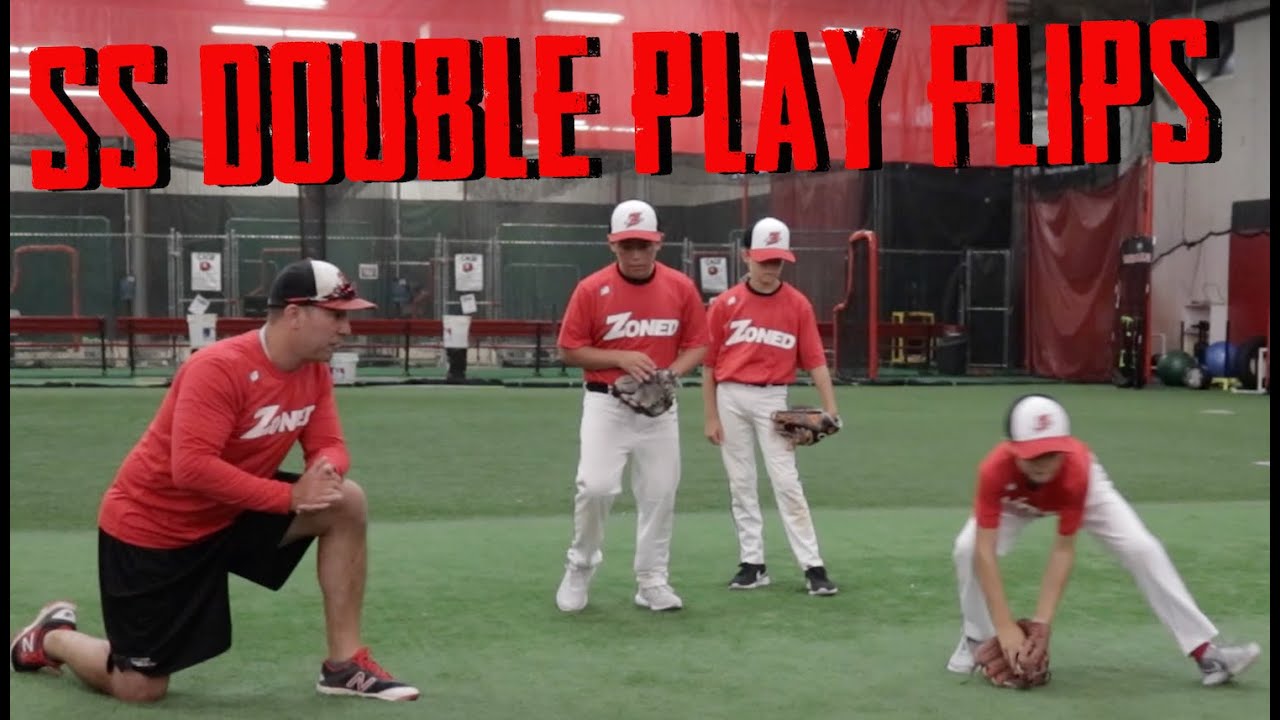
The Importance of Double Plays
Double plays are crucial because they give a team the opportunity to achieve two outs in a single play. This can drastically change the course of the game, especially in high-pressure situations. Consider a scenario where there are runners on first and second with no outs, but a double play is successfully executed. Suddenly, there are two outs with a runner on third. The defense is under less pressure and the likelihood of preventing runs is greater.
Responsibilities of Middle Infielders
Shortstops
Second Basemen
Shortstops and second basemen, the middle infielders, are the linchpins in executing double plays. They need to think quickly, have good footwork, and make accurate throws. They must work in harmony to successfully turn double plays. Knowing what their jobs are and practicing the skills they need are crucial to becoming proficient at this part of the game.
Crucial Skills for Middle Infielders
Basics of Footwork
Footwork is the bedrock of any competent infielder, and it’s particularly crucial for executing double plays. Correct footwork guarantees that players are in the correct spot to cleanly field the ball and make precise throws. Here are some basic footwork fundamentals for middle infielders:
|
Skill |
Description |
|---|---|
|
Ready Position |
Start with knees bent, weight on the balls of your feet, and glove out in front. |
|
Approach |
Move towards the ball with quick, controlled steps. Keep your body low and balanced. |
|
Pivot |
After fielding the ball, pivot on your back foot to align your body for the throw. |
|
Follow Through |
Complete the throw with a smooth follow-through, ensuring accuracy and strength. |
Practicing these footwork fundamentals regularly will help young players develop muscle memory and improve their overall fielding abilities.
Fast Hands
Fast hands are a must-have for middle infielders when it comes to pulling off double plays. The speed at which you can get the ball from your glove to your throwing hand could be the deciding factor between a successful double play and a wasted chance. Here’s how to improve your hand speed:
Try to use soft hands to cushion the ball and make a smooth transfer.
Work on making short, quick throws to increase hand speed and accuracy.
Do glove-to-hand drills to improve coordination and speed.
Consistent practice of these techniques will help players become more proficient and confident in their ability to turn double plays.
Throwing Precision
Throwing precision is key to successfully pulling off double plays. A single bad throw can disrupt the entire play and give the runners an opportunity to advance. As such, middle infielders must make a point to practice making precise throws even when under pressure. Below are some tips on how to enhance throwing precision:
Practicing regularly is crucial for young players. Learn more about the importance of practice in youth baseball.
Concentrate on the correct throwing techniques, including how to grip the ball, the angle of your arm, and the follow-through.
Practice throws from various angles and positions to mimic the situations you might encounter during a game.
Use throwing drills that stress the importance of accuracy, such as target practice or partner drills.
By regularly focusing on these areas, players can build the accuracy needed to successfully complete double plays.
Talking it Out on the Diamond
For middle infielders to pull off a successful double play, they must communicate effectively with one another. They need to talk fast and make sure they understand each other. Here are some ways to boost communication on the field:
Communicate verbally by shouting “two” to let your teammates know you’re going for a double play.
Develop hand signals for various plays and scenarios.
Work on communication during practice drills to foster trust and comprehension amongst players.
Good communication is key to middle infielders working well together and successfully completing double plays.
Double Play Drills for Shortstops
Shortstops are key players in double plays. They need to field the ball cleanly, think on their feet, and make accurate throws. Here are some drills to help shortstops get better at double plays:
How to Approach and Time the Ball
Knowing how to approach and time the ball is crucial for shortstops when they’re fielding ground balls and setting up double plays. Here are some tips to help you improve your approach and timing:
Work on fielding ground balls from a variety of angles and distances.
Focus on timing your approach to the ball to make sure your fielding motion is fluid.
Utilize drills that mimic real game situations to develop a good sense of timing and anticipation.
Catching Throws and Tagging Second Base
Catching throws and tagging second base are key skills for shortstops to have during double plays. Here are some tips to help you improve these skills:
For more on developing essential baseball skills, check out the importance of practice in youth baseball.
Train yourself to catch balls thrown from all sorts of directions and locations.
Improve your footwork to be able to swiftly step on the base and get ready to throw to first.
Run drills that focus on fast hand-offs and precise tagging.
Spinning and Throwing to First
Spinning and throwing to first are the last steps to successfully finish a double play. Here are some suggestions to better this vital part of the play: consistent arm action.
Work on spinning on your back foot to get your body in the right position for the throw.
Practice making fast, on-target throws to first base.
Use drills that mimic real game situations to increase your confidence and reliability.
By concentrating on these areas, shortstops can get better at making double plays and make a big difference in their team’s success. For more drills and techniques, check out this infield play course.
Catching a Short Toss from the Shortstop
Double plays often involve the second baseman catching a short toss from the shortstop. This requires fast reactions and seamless coordination. Here are some pointers for catching short tosses effectively:
Be in a ready position with your glove open to catch the ball.
Stay focused on the ball and be prepared for the throw.
Use a soft grip to absorb the impact and swiftly move the ball to your throwing hand.
Turning for Throw to First Base
Once the shortstop’s throw is fielded, the second baseman must turn swiftly to make the throw to first base. This turn is important for keeping balance and making sure the throw is accurate. Here are some steps to enhance your turn:
Practice pivoting on your back foot to align your body for the throw.
Work on quick, efficient footwork to complete the pivot smoothly.
Focus on maintaining a strong, balanced stance throughout the pivot.
“A smooth pivot and accurate throw can make the difference between a successful double play and a missed opportunity.”
Routine Drills for Consistency
Consistency is key when it comes to executing double plays. Routine drills help players build muscle memory and improve their overall performance. Here are some tips for youth baseball mentors to practice regularly:
Practicing fielding ground balls from a variety of angles and distances.
Working on quick glove-to-hand transfers.
Using game-like scenarios to improve timing and anticipation.
By including these drills in your practice sessions, you can build the consistency required to successfully execute double plays.
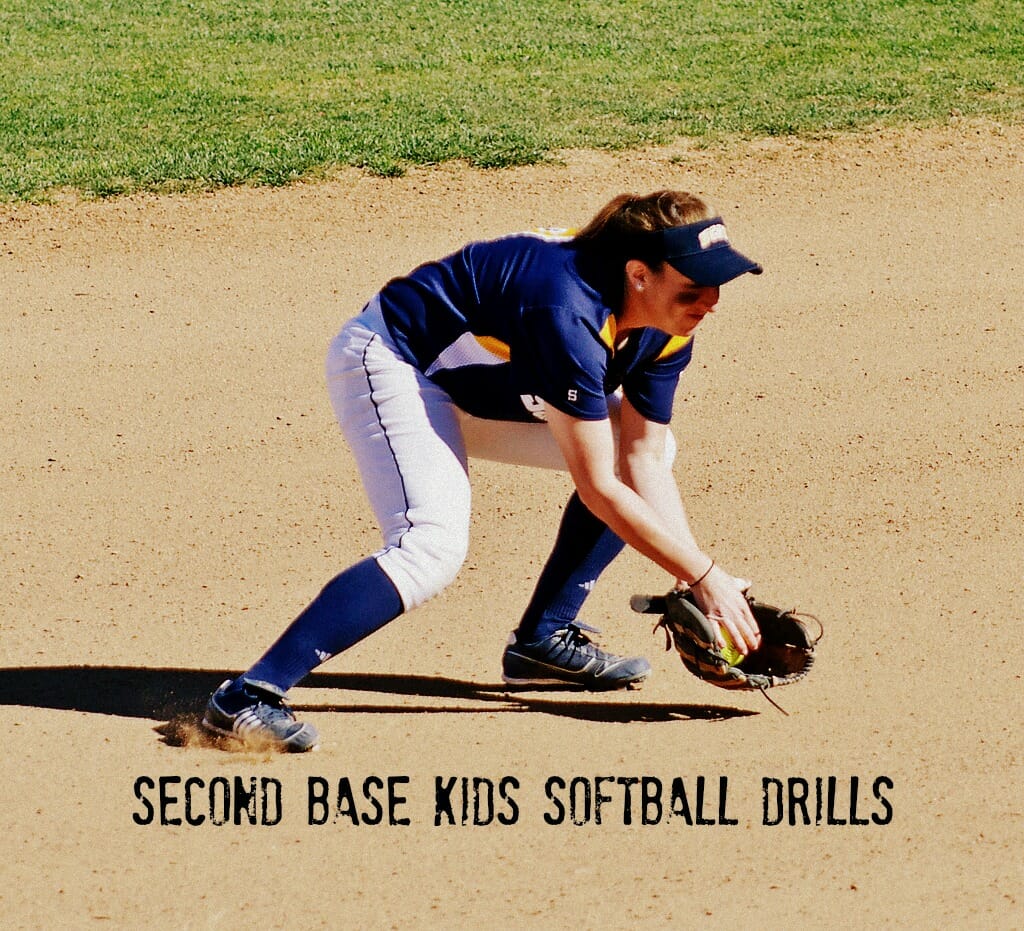
How to Make Double Plays More Effective
Double plays aren’t just about physical skills. You also need to think strategically and be aware of the situation. Here are some tips to help you get better at double plays:
How to Position and Depth Yourself
The way you position and depth yourself can significantly affect your ability to make double plays. Here are some suggestions on how to position yourself correctly:
Change your placement depending on the batter’s habits and the state of the game.
Remain crouched and prepared to move in any direction.
Speak with your team members to make sure you’re in the right place.
Interpreting the Ball and Batter
Interpreting the ball and batter is vital for predicting the play and making swift choices. Here are some suggestions for enhancing your interpretation abilities:
Keep an eye on the batter’s stance and swing to predict where the ball might end up.
Be aware of the pitch and its location.
Respond swiftly and move decisively in the direction of the ball.
Understanding When to Try for a Double Play
It’s not always the right time to try for a double play. Understanding when to attempt it and when to concentrate on getting one out is crucial. Here are some pointers to help you make that decision:
Take into account the state of the game, such as the score, inning, and number of outs.
Think about the speed of the runners and the chance of completing the double play.
Speak with your teammates to make sure everyone knows what to do.
Talking and Plan B
Good communication and having a Plan B are crucial for turning double plays. Here are some pointers on how to better communicate and prepare for various situations:
For more insights on coaching and improving player skills, check out these youth softball and baseball coaching tips.
Communicate your plans to your teammates using clear, verbal cues.
Develop hand signals for various plays and situations.
Always have a backup plan in case the initial play doesn’t go as planned.
Avoiding Common Mistakes
Even the most seasoned players can make mistakes when trying to execute double plays. Here are some common mistakes and how to steer clear of them:
Communication Breakdown
When communication breaks down, opportunities are missed and mistakes are made. Here are some tips to help improve communication:
Employ straightforward, vocal cues and hand signs.
Set up a communication rhythm during training.
Make sure everyone is aware of their duties and obligations.
Mistakes in Footwork
Incorrect footwork can result in missed opportunities and inaccurate pitches. Here are some suggestions for enhancing footwork:
Regularly work on the basics of footwork.
Concentrate on being quick and efficient in your movements.
Practice keeping your balance and staying stable.
Throws That Are Rushed or Inaccurate
Throws that are rushed or inaccurate can spoil an attempt at a double play. Here are some suggestions for improving the accuracy of your throws:
Concentrate on correct throwing techniques.
Work on making throws from a variety of angles and positions.
Use drills that stress precision and control.
Mistakes in Footwork
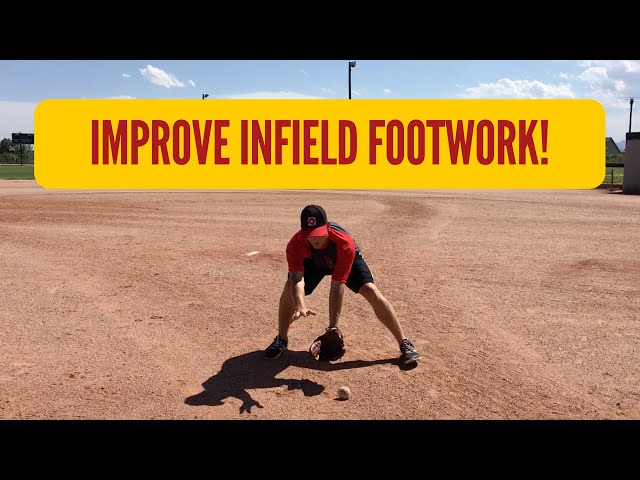
Mistakes in footwork are a common occurrence among young players who are learning to turn double plays. Incorrect foot placement can result in missed catches, bad throws, and even collisions. The secret to avoiding these mistakes is regular practice and the right technique. Focus on keeping a low, balanced stance and moving efficiently towards the ball. Regular practice of footwork drills can help players build the muscle memory required for smooth, accurate movements.
Quick or Off-Target Tosses
Young athletes frequently make the mistake of throwing too quickly or inaccurately during double plays. The tension of the moment can lead to hurried throws, which in turn can lead to mistakes. To improve their throwing precision, players need to concentrate on their technique, including how they hold the ball, the angle of their arm, and their follow-through. By practicing throws from a variety of positions and angles, players can gain confidence and familiarity with their skills.
Here are some pointers to enhance your throwing precision:
Pay attention to the right way to throw the ball, including how you hold it, the angle of your arm, and the way you follow through after the throw.
Try throwing from a variety of angles and positions to get used to what you might have to do during a game.
Do throwing drills that make you focus on being accurate, like aiming at a target or practicing with a partner.
By practicing these things regularly, players can get the accuracy they need to be good at double plays.
Unsuitable Glove Handling
Unsuitable glove handling can cause missed catches and messed up double plays. To prevent this, players should train to use soft hands to take in the shock of the ball and make a seamless transfer to their throwing hand. Drills that concentrate on glove-to-hand transfers can assist in developing coordination and speed, making sure that players are prepared to make fast, precise throws.
Wrapping up on Double Plays
Double plays are a critical element of youth baseball, and learning them can greatly influence a team’s success. By concentrating on footwork, swift hands, precise throws, and efficient communication, young athletes can cultivate the abilities required to successfully execute double plays. Regular practice and meticulousness will assist players in gaining self-assurance and enhancing their total game.
Don’t forget, the secret to success is practice and patience. Inspire young athletes to hone their skills on a regular basis and stand by them as they grow and improve.
How Double Plays Can Change the Game
Executing a double play can be a game-changer. When a team can get two outs in one play, it can swing the momentum their way and take some heat off their defense. Not to mention, pulling off a successful double play can give a team a big confidence boost, which can lead to them playing better overall.
Promoting Regular Practice and Patience
Young players should be urged to practice often and remain patient with their progress. Double plays are a skill that requires time and commitment to master, but the payoff is well worth the effort. Help your players by offering constructive criticism, applauding their achievements, and assisting them in learning from their errors.
Common Questions
What does a double play mean in baseball?
In baseball, a double play is a defensive move that results in two offensive players being put out in one continuous play. It usually starts with an infielder fielding a ground ball and throwing it to second base for the first out. The second baseman or shortstop then throws it to first base for the second out.
Why should middle infielders prioritize double plays?
Double plays should be a priority for middle infielders as they are typically the players who carry out these plays. To pull off a successful double play, shortstops and second basemen need to collaborate effectively to field the ball, make split-second decisions, and throw accurately. A well-executed double play can shift the game’s momentum and alleviate some of the defense’s stress.
Double plays can turn the tide of a game.
They alleviate the stress on the defense.
It’s usually the middle infielders who are in charge of making these plays.
By becoming proficient at double plays, middle infielders can greatly enhance their team’s chances of winning.
What can I do to enhance my footwork for double plays?
Enhancing your footwork for double plays means you need to practice the correct stance, balance, and movement. Here are a few pointers:
Begin in a crouched, stable position with your weight on the front of your feet.
Take short, fast steps to get to the ball as quickly as possible.
Work on turning on your back foot to get your body in the right position to throw the ball.
Try to stay balanced and steady for the entire play.
By practicing these basic skills regularly, you’ll build the muscle memory you need for precise, fluid footwork. For more detailed techniques, check out this infield play course.
What are the main drills for practicing double plays?
Main drills for practicing double plays include: consistent practice routines to ensure players develop muscle memory and quick reflexes.
Getting comfortable with fielding ground balls from various angles and distances.
Working on quickly transferring the ball from your glove to your hand.
Using game-like scenarios to improve your timing and anticipation.
Doing throwing drills that focus on accuracy and control.
By adding these drills into your practice regimen, you’ll be better equipped to execute double plays successfully.
What’s the best way to talk to my teammates during a double play?
Good communication is key to pulling off a double play. Here are some pointers:
Give your teammates a heads up with verbal cues about your next move.
Have a set of hand signals ready for different plays and scenarios.
During drills, make sure to practice communicating with your teammates to build trust and understanding.
Being a good communicator will help middle infielders work better as a team and increase their success rate in turning double plays.
What if I mess up during a double play attempt?
Even if you mess up during a double play attempt, it’s crucial to remain optimistic and take it as a learning opportunity. Here are a few steps you can follow:
Look back on what happened and figure out what needs to get better.
Work on the exact abilities you need to fix the error.
Keep your head in the game and stay upbeat when you try again.
Keep in mind, it’s normal to mess up when you’re learning. Use these moments to get better and hone your skills.
Do drills vary depending on the player’s level (beginner, young, advanced)?
Indeed, drills do vary depending on the player’s level:
Beginner: Focus on basic footwork, glove work, and throwing mechanics. Use simple drills that emphasize proper technique and build confidence.
Young: Introduce more complex drills that simulate game situations and develop timing and anticipation. Emphasize quick transfers and accurate throws.
Advanced: Use high-intensity drills that challenge players’ skills and improve their ability to perform under pressure. Incorporate advanced strategies and situational awareness.
By tailoring drills to the skill level of your players, you can help them develop the abilities needed to turn double plays successfully.
To wrap it up, perfecting the double play is a crucial skill for youth baseball players, particularly those in the middle infield. Players can develop the necessary skills to pull off double plays by focusing on footwork, quick hands, accurate throws, and clear communication. Regular practice, strategic thinking, and a positive attitude can help young players enhance their performance and help their team win.

Leave a Reply