What to Remember
- For powerful swings in baseball and softball, balance is key.
- Increased bat speed and hitting distance can be achieved through weight transfer.
- Common hitting mistakes can be prevented by practicing balance and weight transfer.
- Core strength is crucial in maintaining balance during swings.
- Young athletes should incorporate specific drills to improve their hitting skills.
Creating the Basis for Excellent Hits
Mastering the art of hitting in youth baseball and softball goes beyond just swinging the bat. It involves creating a strong basis that includes balance and weight transfer. These factors form the foundation of every excellent hit, ensuring that young athletes can fully exploit their potential at the plate. Grasping these principles not only enhances performance but also instills confidence in young players.
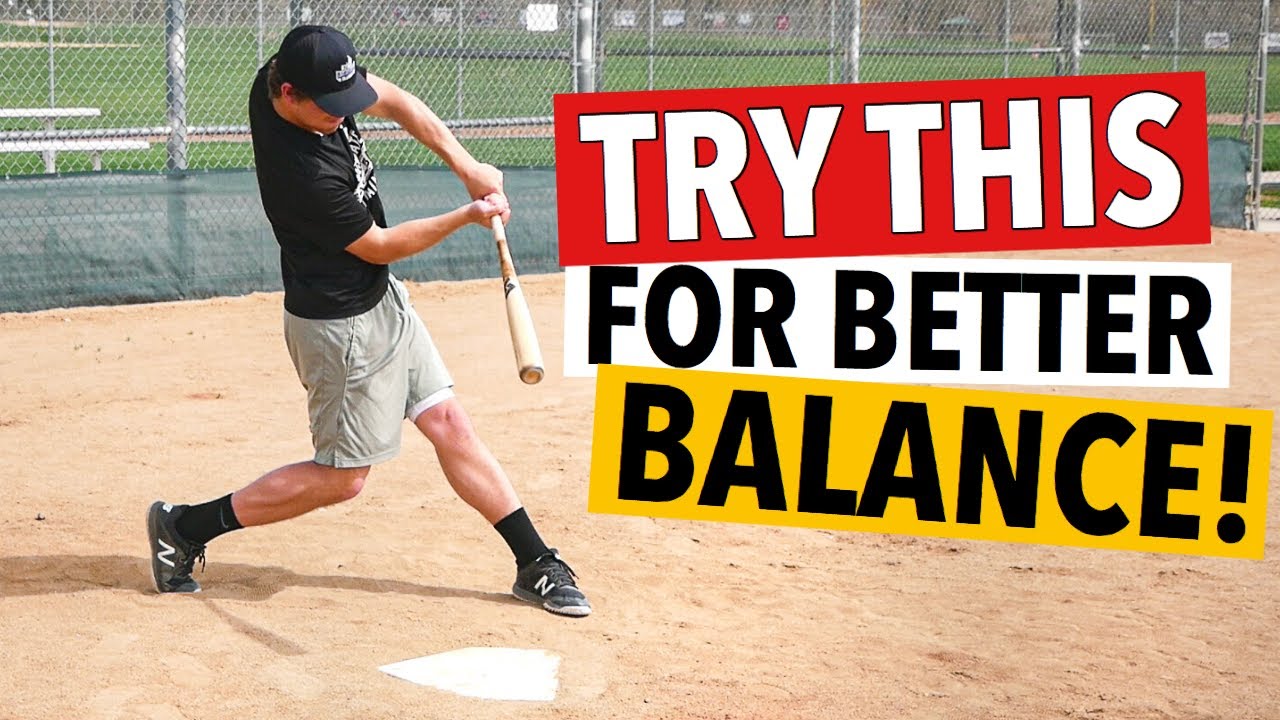
Why Balance is Key to a Strong Swing
Balance is a key element in every swing. Without it, even the strongest swings can lose their power. When a player is balanced, they have more control over their body and the bat. This control translates to more precise and stronger hits. Most importantly, being balanced allows players to adapt to various pitches, making them a more adaptable hitter.
The Importance of Weight Transfer in Hitting
“The swing’s power comes from the transfer of weight from the back foot to the front foot.”
Weight transfer is an essential aspect of hitting. It’s the process of moving your body weight from your back foot to your front foot as you swing. This action creates momentum, which is converted into bat speed and power. Without the right weight transfer, a swing can become less efficient, decreasing the likelihood of a good hit.
Perfecting Balance
Perfecting balance isn’t just about standing still; it’s about maintaining stability while moving. For young athletes, this can be challenging, but with the right techniques and practice, they can develop excellent balance. Learn more about effective hitting drills for youth that can help improve balance and weight transfer.
Balance Tips for Novices
For novices, paying attention to basic balance drills can be very beneficial. Start with standing on one leg for a few seconds and slowly increase the duration. This drill aids in building the muscles required for balance. Another drill is the “tightrope” walk, where players walk on a straight line, putting one foot directly in front of the other. For more on improving balance and coordination, check out these footwork drills for young hitters.
These drills help young players learn how to keep their balance, which is crucial for a steady swing. As they get more confident, they can begin to include these methods into their batting practice.
Typical Balance Errors and Their Fixes
- Swinging while leaning excessively forward or backward.
- Failing to keep the head steady and the eyes on the ball.
- Feet carrying uneven weight.
Fixing these errors means paying attention to posture and where the feet are. Players should be encouraged to keep their knees a bit bent and their weight balanced over their feet. They can use a mirror to practice and see and fix how they stand.
Workouts to Boost Balance
Implementing workouts such as yoga or Pilates can significantly boost balance. These activities concentrate on core power and stability, which are crucial for keeping balance during a swing. Furthermore, drills like the “one-leg balance drill” can assist players in practicing balance in a more dynamic environment.
The Significance of Core Strength for Balance
Think of the core as the body’s engine. It’s where all the power comes from. When the core muscles are strong, they help maintain balance and stabilize the body during a swing. Young athletes should be encouraged to do exercises that strengthen the core, like planks and sit-ups. Not only do these exercises improve balance, they also boost athletic performance overall.
Grasping the Concept of Weight Transfer
Weight transfer isn’t just about moving your weight around; it’s about doing so at the right moment and in the right way. To get the most out of their hits, young athletes need to grasp the mechanics of weight transfer.
- Begin with your weight on your back foot as you get ready to swing.
- During your swing, move your weight to your front foot.
- Make sure the transition is smooth to keep up the momentum.
Drilling these steps helps players build a smooth swing that produces power and speed. It’s crucial to stress that weight transfer should be natural and not pushed. Urge players to sense the shift in their body as they practice their swing. For more detailed techniques, check out our guide on footwork drills for young hitters.

How to Transfer Weight Effectively
Weight transfer when hitting comes down to timing and smoothness. A good weight transfer starts with loading your weight onto your back foot in the stance. This sets you up for a powerful swing. When you start the swing, your weight should smoothly move from your back foot to your front foot. This transfer needs to be seamless to keep your balance and power.
Young players should strive to keep their movements natural. If they think too much about the process, they can end up with swings that are stiff and mechanical, which can reduce their effectiveness. Having players practice weight transfer in slow motion can help them understand and feel the shift.
- Begin with your feet spread to the width of your shoulders to provide a solid base.
- Keep your knees a little bent to stay flexible.
- Concentrate on shifting your weight smoothly from the back to the front.
If players practice these methods on a regular basis, they will be able to naturally and effectively transfer their weight, improving their overall swing mechanics.
How to Spot Incorrect Weight Transfer
It’s important to be able to identify incorrect weight transfer so you can fix any errors. If a player is leaning too far back or forward while swinging, it’s a clear sign that their weight transfer is off and it can result in off-balance hits. If a player’s swing lacks power or bat speed, it’s also a sign that their weight isn’t being transferred properly.
When players stumble or lose balance after swinging, it’s a clear sign that they need to adjust their weight transfer. Coaches should give feedback and help players make the necessary corrections to their swings.
Exercises to Improve Weight Transfer
Exercises are a key part of teaching good weight transfer. One helpful exercise is the “step and swing” exercise. In this exercise, players take a small step with their front foot as they swing, highlighting the shift of weight from back to front. This action helps them to experience the weight transfer and build a stronger swing.
A great drill to try is the “mirror drill.” Players practice their swings while looking in a mirror. This gives them a visual of their weight transfer and lets them adjust as they go.
How Weight Transfer Affects Bat Speed
Weight transfer has a direct impact on bat speed, which is key to hitting the ball powerfully. When players transfer their weight effectively, they can generate more momentum, which leads to increased bat speed. This increased speed not only helps the ball go farther, but also allows players to respond to pitches more quickly. For more insights on improving your swing, check out these swing consistency tips.
Young athletes can significantly improve their hitting performance by focusing on improving weight transfer. They need to understand that even small improvements in weight transfer can lead to noticeable changes in bat speed and overall effectiveness at the plate.
Advice and Exercises for Youth Athletes
Training routines for youth athletes can be greatly enhanced by incorporating specific advice and exercises. These activities not only improve balance and weight transfer but also increase overall athleticism. For those interested in improving their hitting skills, check out these youth baseball hitting drills.
Players should be encouraged to regularly practice these drills, as the key to developing strong hitting skills is consistency. By focusing on balance and weight transfer, they can build a solid foundation for success in baseball and softball.

Practice and patience are the two most important aspects of mastering balance and weight transfer. Young athletes need to enjoy the process and take pleasure in the journey to improvement.
“Parents and coaches can play a significant role in helping young athletes as they hone these skills. Providing positive reinforcement and constructive feedback can assist them in staying motivated and committed to their training.”
Workouts to Improve Your Steps
The way you move your feet is a crucial part of hitting because it affects your balance and how you shift your weight. By doing workouts that focus on your steps, you can become faster and more nimble, which are important for hitting well.
A great exercise to use is the “ladder drill,” where players rapidly move their feet through a series of squares on the ground. This drill helps to enhance foot speed and coordination, both of which are essential for maintaining balance during a swing. For more footwork tips, check out these footwork drills for young hitters.
The “cone drill” is another useful exercise. In this drill, players move around cones placed on the ground, which improves their agility and teaches them to control their footwork. This helps them keep their balance during complicated movements.
- Perform ladder drills to increase the speed of your feet.
- Implement cone drills to boost your agility and control.
- Concentrate on foot movements that are swift and accurate.
Adding these drills to your training regimen can drastically enhance your footwork, resulting in improved balance and more efficient weight transfer when swinging. For more tips, check out these footwork drills for young hitters.
How to Do the One-Leg Balance Drill
The one-leg balance drill is a straightforward but potent exercise to enhance balance. Players execute this drill by standing on one leg, holding their posture, and focusing on a pretend target. This exercise fortifies the muscles necessary for balance and aids players in gaining stability during swings.
“Balancing on one leg tests the body’s ability to stay stable, which is crucial for performing strong and controlled swings.”
As players get better at the one-leg balance drill, they can add variations, such as closing their eyes or holding a lightweight bat. These variations make the drill harder and further improve balance abilities.
Coaches should urge players to include the one-leg balance drill in their regular practice schedule. Regular practice will result in noticeable enhancements in balance and hitting performance.
Drills for Split-Stance Balance
Another great method to improve balance and weight transfer are split-stance balance drills. In these drills, players take a split stance, with one foot in front and the other behind, mimicking the position during a swing. This stance tests their balance and gives them the opportunity to practice weight transfer.
Players can build the muscle memory required for efficient weight transfer by concentrating on maintaining balance in the split stance. These exercises also instruct players on how to adjust their equilibrium in response to different pitches, making them more versatile batters.
Conclusion
When young players grasp and apply the concepts of balance and weight transfer, they establish a solid base for successful hitting. These abilities not only enhance their performance, but also boost their self-assurance and passion for the sport. For further improvement, young hitters can benefit from specific footwork drills designed to refine their step and swing techniques.
When young athletes incorporate balance and weight transfer into their training, they will notice enhancements in their swing and overall batting skills. It’s important for coaches and parents to be there for them during this process, offering advice and motivation. For more insights, check out these youth baseball hitting tips to strengthen hips for better swings.
How to Incorporate Balance and Weight Transfer in Batting Practice
Players can enhance their balance and weight transfer skills during batting practice by focusing on certain drills and exercises. Coaches can design practice sessions that highlight balance and weight transfer, making sure that players grasp their significance.
By making these elements a part of their regular practice, young athletes will be able to develop a natural and effective swing that will help them reach their maximum hitting potential. With consistent practice and dedication, they will see noticeable improvements in their performance and their confidence at the plate. For more detailed drills, check out these hitting drills for baseball.
Ways to Improve
Feedback is the key to improvement. Coaches should always watch their players during practice and give them constructive feedback about their balance and weight transfer. This feedback will help players understand what they’re doing right and what they need to work on. It’s also important to let them know what they’re doing well because positive reinforcement can help boost their confidence.
Moreover, it is beneficial for players to evaluate their own performance. They can review videos of their swings to pinpoint areas that need improvement. This self-evaluation promotes a sense of responsibility for their progress, which motivates them to keep practicing their skills.
Monitoring Development Regularly
It’s important for young athletes to monitor their development to see how they’re improving. Coaches and players should set specific, measurable goals for balance and weight transfer. Regularly revisiting these goals helps players stay on track and motivated. It’s also a great way to acknowledge successes, no matter how small.
Keeping a practice journal is a great strategy. Players can keep track of their drills, feedback, and thoughts in this journal. Looking back at previous entries helps them see their progress and identify areas that still need improvement. This practice promotes ongoing improvement and goal setting.
Commonly Asked Questions
These are a few of the most frequently asked questions about balance and weight transfer in youth baseball and softball hitting. Knowing these principles can help young athletes increase their hitting performance.
How can I improve my balance for hitting?
Improving balance requires regular practice with exercises that challenge your stability. You can begin with basic drills like standing on one foot or walking in a straight line. As you get more comfortable, add more dynamic exercises to your routine, like the one-leg balance drill or split-stance balance drills. The key is consistency, so make sure to include these exercises in your practice regularly.
What are the signs that my weight transfer is off?
Some indicators of incorrect weight transfer are losing balance while swinging, decreased bat speed, or not having enough power. If you notice that you are leaning too much to the front or to the back, this could mean that you need to adjust your weight transfer. You can get feedback from your coaches and you can also watch videos of your swings to see if there are any problems. For more tips on improving your swing, check out these swing consistency tips.
Are there drills that are specifically designed for young players?
Yes, there are numerous drills that are specifically designed for young players to help them improve their balance and weight transfer. The “step and swing” drill, for example, is designed to emphasize weight transfer, while the “ladder drill” is designed to enhance footwork. The one-leg balance drill and the split-stance drills, on the other hand, are designed to focus on balance. These drills are not only fun and engaging, but they are also ideal for young athletes.
Young players can develop a strong foundation for effective hitting if they practice these drills regularly. Coaches should include these drills in their practice sessions to reinforce key skills.
What is the role of weight transfer in hitting distance?
Weight transfer plays a crucial role in hitting distance by creating momentum and bat speed. When players effectively transfer their weight, they generate more power, which allows the ball to travel a greater distance. Good weight transfer ensures that the swing is smooth and strong, optimizing the hitting potential.
By encouraging players to concentrate on weight transfer during practice, you can see a significant improvement in hitting distance. It’s crucial to highlight that even minor tweaks can have a significant impact on performance.
How frequently should these exercises be performed?
For the best outcomes, these exercises should be performed frequently, ideally multiple times a week. Regular practice aids in the reinforcement of the skills required for efficient balance and weight transfer. It’s crucial to incorporate these exercises into regular training regimens, making them a top priority for young athletes.
Consistent practice will help players develop muscle memory and improve their overall hitting performance. Coaches should motivate players to stick to their practice schedule and provide them with the necessary support.
Which muscles are crucial for maintaining balance while hitting?
The core muscles are essential in maintaining balance while swinging. A strong core provides stability and support, enabling players to perform powerful, controlled swings. The leg muscles also play a crucial role in providing a stable base and assisting in weight transfer.
Players can be encouraged to participate in exercises that strengthen these muscles. This will improve their balance and performance when hitting. Core-strengthening exercises, such as planks and sit-ups, are particularly beneficial.
Does poor balance have an effect on the swing?
Indeed, poor balance can have a detrimental effect on the swing. If players don’t have good balance, they may find it difficult to control their bodies and the bat, which can result in inaccurate and ineffective swings. Balance is necessary for maintaining stability and control during the swing.
Players can achieve more powerful and consistent swings by working on their balance. This not only improves their performance but also minimizes the risk of injury, as balanced swings put less stress on the body. For more on improving swing balance, explore youth baseball hitting drills that focus on weight transfer and distribution.
To wrap things up, balance and weight transfer are the building blocks of a good hit in youth baseball and softball. When young players understand and practice these skills, they’re setting themselves up for success at bat. This can lead to increased confidence and a deeper love of the game.

Leave a Reply