Important Points
- Knowing how to calculate a batting average is key to understanding a player’s hitting performance.
- Simple techniques such as stance and grip can greatly affect a player’s ability to hit.
- Timing the swing is key to making solid contact with the ball.
- Selecting the right bat can improve a player’s swing and comfort at the plate.
- Reading the pitcher’s patterns can help a player anticipate and adjust to different pitches.
How to Boost Batting Averages in Young Players
Boosting a young player’s batting average involves a combination of physical skills, mental preparation, and regular practice. It’s not just about swinging hard; it’s about making contact and understanding the game. Here are some important techniques that can help young hitters improve their batting averages.
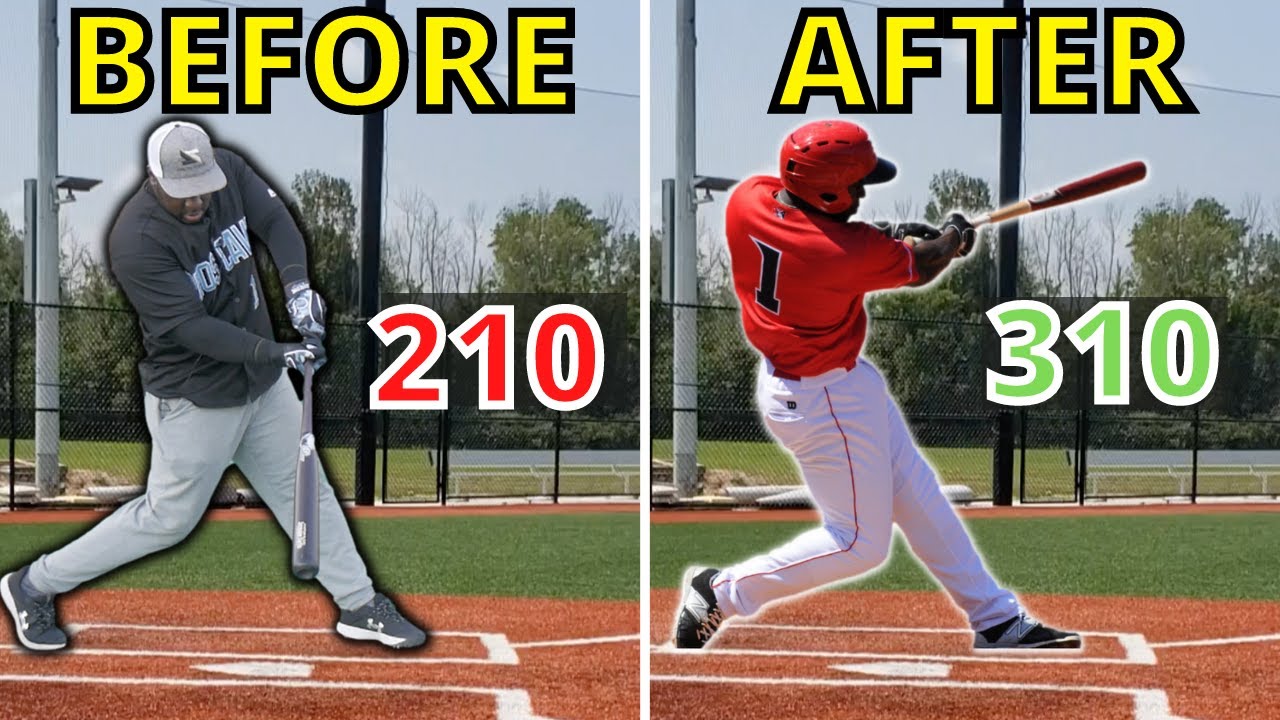
Grasping the Significance of Batting Average
As a critical baseball statistic, the batting average showcases the proportion of a player’s hits to their sum of at-bats. It provides a simple method to gauge a hitter’s plate performance. For budding players, concentrating on enhancing their batting average can result in superior overall performance and a boost in confidence.
Back to Basics Batting Techniques
Before we get into the nitty-gritty, let’s start with the basics. A good stance and grip are the building blocks of a great swing. A balanced stance gives you better weight distribution, and the right grip gives you better control over the bat.
Key Stance and Grip
Young players should position themselves with their feet at shoulder width, a slight bend in their knees, and their weight evenly distributed. This stance will give them stability and prepare them to pivot quickly when they swing.
How you hold the bat is just as important. You want to hold the bat with your fingers, not with your palms, and you want to line your knuckles up. Keeping a firm but relaxed grip will help you control the bat better and swing faster.
Swinging at the Right Time
In baseball, timing is key. Even the most powerful swing won’t get you a hit if you don’t time it right. That’s why young players need to practice timing their swings to match the speed and location of the pitch.
- Begin by observing the pitcher’s release point.
- Keep an eye on the ball as it nears the plate.
- Try swinging at various speeds to fine-tune your timing.
Working with a tee or soft toss can aid players in improving their timing. Concentrating on the release of the pitch and the path of the ball allows players to predict when the ball will arrive and adapt their swing accordingly.
Picking the Perfect Bat
All bats are not made the same, and the perfect bat can dramatically improve a player’s game. When picking out a bat, think about things like length, weight, and what it’s made of. A bat that’s too heavy can make a player’s swing slower, while one that’s too light might not give enough power.
The most crucial factor is that the bat feels good in the player’s hands. Young players should be encouraged to experiment with various bats during practice to find the one that works best for them.
Boosting Hand-Eye Coordination
Hand-eye coordination is a key ingredient to successful hitting. It helps players to track the ball and accurately connect with their swing. One method of enhancing this skill is by doing drills that emphasize watching the ball from the time it leaves the pitcher’s hand until it reaches the bat. Watching the seams of the ball can assist players in predicting its trajectory.
One successful technique is to train using smaller balls, like tennis balls, to boost concentration and accuracy. This kind of practice makes your eyes work more, which improves your skill at hitting the baseball.
Psychological Strategy for Regular Batting
Having a healthy mental state is just as crucial as physical condition when it comes to batting. Being confident, focused, and maintaining a positive attitude can greatly influence a player’s performance. Young batters should create routines that help them stay relaxed and focused when at the plate.

Using your imagination can be very powerful. Before taking their turn at bat, players should picture themselves hitting the ball successfully. This mental practice can boost self-assurance and lessen nerves.
Additionally, it is important to realize that not every at-bat will be a hit. Players should learn to let go of past mistakes and focus on the present moment. This attitude helps them stay calm and prepared for the next pitch.
- Stay in the now.
- Picture yourself hitting the ball successfully.
- Establish a regular routine before you bat to improve concentration.
Gaining Confidence and Concentration
Being confident when you’re up to bat can change everything. Players who trust in their skills tend to play better. Promoting positive thinking and setting goals that can be reached can aid in developing this confidence.
Concentration is just as vital. Distractions can result in subpar performance, so athletes should practice techniques to improve focus. Breathing exercises or counting breaths can help athletes find their center before they face a pitch.
Learning From Your Mistakes
Everyone makes mistakes, but they can be a great way to learn. After a bad at-bat, players should think about what they did wrong and how they can do better next time. This should be a positive experience, focusing on what they can do better instead of just thinking about how they failed.
Here’s an example: A young player might realize they’re frequently swinging too early. They can review video footage or get feedback from a coach to improve their timing during practice.
Players should listen to their coaches and teammates. They might have some helpful advice. Stay open to feedback, even if it’s critical. Use it to improve.
Preparation and Routines on Game Day
Being prepared is crucial for success on game day. Having a routine that is consistent can help players feel confident and ready. This routine could include a session for warming up, exercises for stretching, and visualization techniques.
When it’s time to play, athletes need to be sure they’ve gotten plenty of sleep and have had a healthy meal. Drinking enough water is also important because it impacts both physical ability and focus.
Workout Drills to Boost Batting Abilities
Practice is where athletes refine their abilities and build muscle memory. Regular workout drills can enhance various elements of hitting, from swing techniques to timing and coordination.
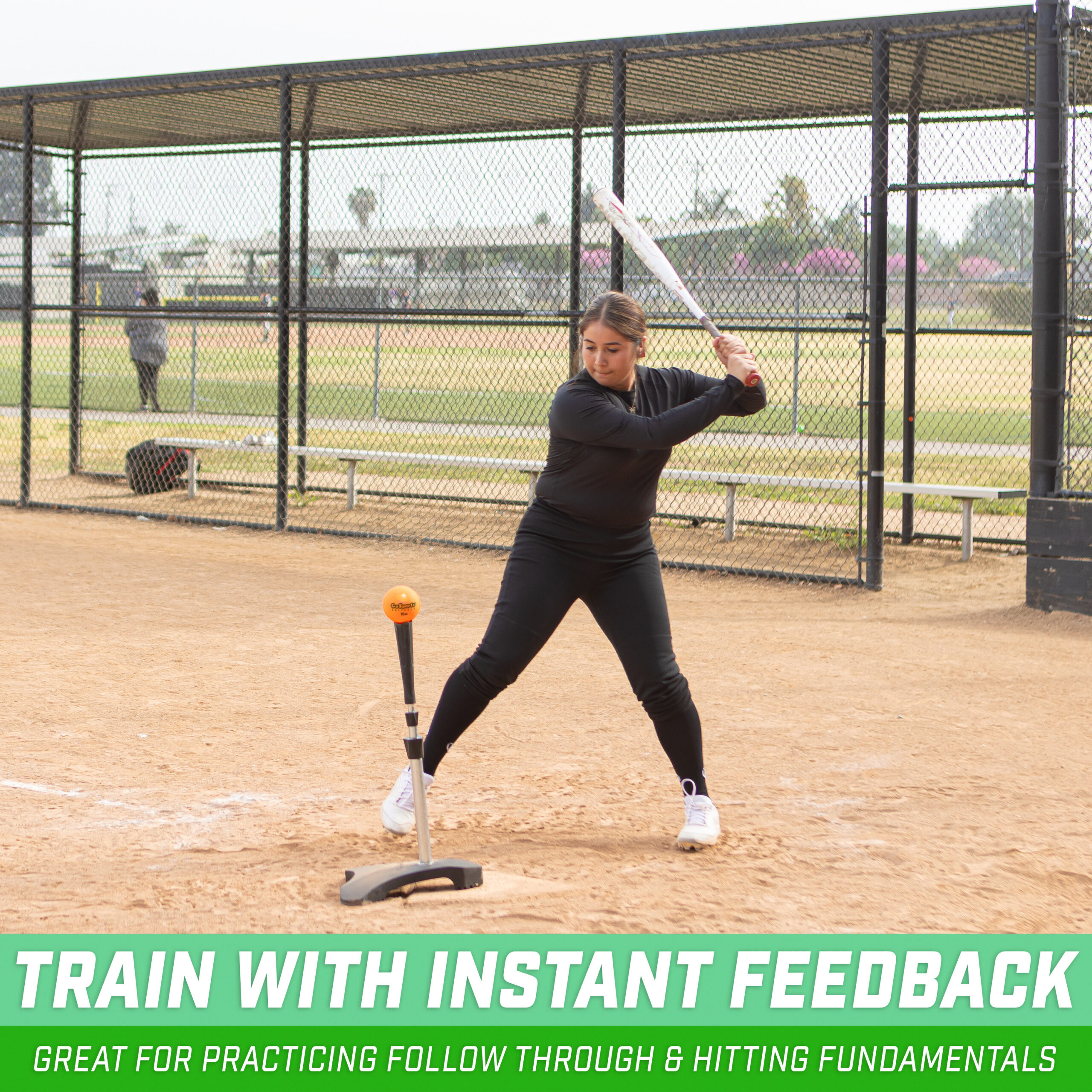
Keeping practice sessions interesting and challenging is key, and using a variety of drills is a great way to do this. Here are some drills that can help improve batting performance.
Using a Tee for Accuracy
Using a tee is a basic exercise that allows players to concentrate on hitting the ball solidly. By changing the tee’s height and location, players can practice hitting pitches in various parts of the strike zone. For more advanced techniques, consider exploring the Complete Hitter Program for team coaches.
This exercise gives players the chance to focus on their swing techniques without the stress of a moving pitch. It’s a great method to improve technique and boost confidence in making consistent contact.
Practice Makes Perfect: Soft Toss and Live Pitching Drills
Soft toss drills are a great way for players to get in a lot of practice swings. A coach or teammate gently tosses the ball to the player from the side, allowing them to work on their timing and coordination. Plus, they can adjust to different pitch speeds and angles.
Drills that involve live pitching are a fantastic way to recreate the conditions of a game. These drills can help players improve their reaction time and decision-making at the plate.
Developing Muscle Memory with Regular Practice
Regular practice is crucial to developing muscle memory. The more often a player swings, the more second nature it becomes. This allows players to concentrate on other parts of hitting, such as timing and identifying pitches.
Urge young players to regularly practice their swings, whether during formal training sessions or on their own. With regular practice, their performance will improve and they will become more confident at the plate. For more structured guidance, consider exploring The Complete Hitter Program for team coaches.
Wrapping Up: Pulling It All Together
Boosting a young player’s batting average takes a mix of physical skills, mental readiness, and regular practice. By zeroing in on essential techniques, like correct stance, grip, and timing, players can increase their hitting performance.
Moreover, fostering a robust mindset and participating in productive practice exercises can also enhance their development as batters. Through hard work and determination, young athletes can reach their objectives and experience triumph on the diamond. For more guidance, consider exploring youth baseball coaching tips to further develop essential skills.
Keep in mind, each player is different, and their progress will be different as well. Encourage young hitters to stay patient and committed to their growth. Over time and with effort, they’ll see improvements in their batting averages and overall performance.
For instance, a young player who had a hard time hitting the ball consistently was able to raise their batting average by concentrating on timing drills and visualization methods. As time passed, they became more confident, which led to improved performance in actual games.
Essential Skills Overview
Boosting a young batter’s average requires a solid grasp of basic skills and a tactical mindset when stepping up to the plate. Fundamental skills include keeping a balanced stance and holding the bat correctly, which give the player a stable foundation and better control. Swinging at the right time is key to hitting the ball well, and selecting the right bat can make the player feel more comfortable and improve the efficiency of their swing.
Moreover, batters should concentrate on deciphering the pitcher’s habits to predict and adapt to various pitches. Exercises to improve hand-eye coordination, like following the stitches on the ball, can help a batter make better contact with the ball. Mental readiness, such as visualizing the hit and using positive affirmations, is crucial in boosting self-assurance and concentration while batting.
Keep Practicing!
It’s no secret that in order to get better at anything, especially sports, you have to practice. This is particularly true for young baseball players. They should be practicing regularly and doing a variety of drills. Tee work, soft toss, and live pitching drills can help improve swing mechanics, timing, and coordination.
- Keep your practice routine steady.
- Concentrate on particular skills that need to be improved during every practice.
- Establish realistic objectives to monitor your improvement.
Players must stay patient and devoted to their growth. Progress may take time, but with determination and persistence, young hitters will see their batting averages and overall performance improve. Always remember, becoming a proficient hitter is a long race, not a quick dash.
Common Questions
When young athletes and their coaches are working to improve their batting averages, there are a few questions that often come up. Here are some of those common questions and their answers to help you in your journey.
What is a good batting average for a young player?
A good batting average for a young player can vary depending on the level of play and competition. Generally, a batting average around .300 is considered strong. However, the focus should be on consistent improvement and development rather than solely on statistics.
What can I do to help my kid improve their timing?
Improving timing takes practice and patience. Encourage your kid to watch the release point of the pitcher and follow the path of the ball. Drills like soft toss and live pitching can help them get used to different pitch speeds and angles. For more tips, check out this guide on youth baseball coaching tips.
Moreover, adding timing drills to practice sessions can improve their ability to predict the arrival of the ball and make contact at the right moment. For those looking to enhance their skills further, consider exploring the On-Time Hitter 2.0 program.
What are the typical errors young batters commit?
Typical errors committed by young batters include incorrect stance and grip, swinging too soon or too late, and not keeping their eye on the ball. Moreover, thinking too much when at bat can result in hesitation and poor performance.
By practicing and receiving feedback on these errors, young players can improve their hitting skills and become more consistent.
How frequently should young players practice hitting?
The frequency of practice depends on the player’s age, level of play, and schedule. Generally, young players should aim for several practice sessions each week, focusing on different aspects of hitting during each session.
Regular practice can build muscle memory and boost performance, but it’s equally important to balance practice with rest and recovery to avoid burnout. For more insights, consider exploring the Complete Hitter Program designed for team coaches.
Keeping practice sessions varied and fun helps keep players engaged and committed to their development. For more ideas on how to enhance your coaching strategies, explore these youth baseball coaching tips.
What is the impact of mental preparation on batting performance?
Mental preparation is key to achieving success at the plate. A player’s performance can be greatly influenced by their confidence, focus, and positive mindset. Visualization and positive self-talk are techniques that can help players to increase their confidence and decrease their anxiety. For more tips on enhancing your mental game, explore these youth baseball coaching tips.
Which bat should young hitters use?
Choosing the right bat for a young hitter should take into consideration their size, strength, and level of play. A bat that is the correct length and weight for the player will improve comfort and swing efficiency. Players should be encouraged to test out different bats to find the one that works best for them, and for more guidance, consider exploring the Complete Hitter Program for additional tips and techniques.
What impact do weather conditions have on batting techniques?
There are a number of ways in which weather conditions can influence batting techniques. For instance, when it’s windy, the trajectory of the ball can be affected, which means players have to alter their timing and the angle of their swing. In cold weather, it’s important for players to concentrate on keeping warm and ensuring they maintain their grip strength.

Leave a Reply