Summary
- Having a structured practice plan for youth baseball is vital for player development and team cohesion.
- Practice sessions should include warm-up, skill drills, and game simulations.
- Practice plans should be customized for different age groups and skill levels for best results.
- Keeping the balance between fun and learning is key to keep young athletes engaged and motivated.
- Efficient team defense routines are important for building a strong defensive foundation.
Creating Effective Practice Plans for Youth Baseball
When it comes to creating a practice plan for youth baseball, it requires careful planning and a strategic approach. The goal is to develop the necessary skills while instilling a love for the game. An effective practice plan not only enhances individual player performance but also improves team dynamics.

Why Structured Practice Plans Matter
Having a structured practice plan is crucial for youth baseball teams. It gives coaches a clear plan of action, making sure that every second of practice is used wisely. With a structured plan, coaches can teach everything from the basics to more complex strategies. This method reduces wasted time and increases the chances for learning.
Key Elements of a Practice
A comprehensive practice should incorporate a variety of elements. Every element plays a distinct role in the growth of the player and the unity of the team.
- Warm-Up: Start with dynamic warm-up exercises to prepare the players’ bodies and minds for the practice ahead.
- Skill Drills: Focus on specific skills such as hitting, fielding, pitching, and base running. These drills should be tailored to the players’ skill levels.
- Game Simulations: Incorporate scrimmages or game-like situations to apply skills in a realistic setting.
- Cool-Down: End with a cool-down period to prevent injuries and promote recovery.
Adaptation for Different Age Groups and Skill Levels
Every youth baseball team is unique, with players of varying ages and skill levels. Therefore, it’s important to adapt practice plans to meet the needs of your team. Younger players may require more basic drills and shorter practice sessions to maintain their attention. Older or more advanced players can handle more complex drills and longer sessions.

For instance, a practice plan for a team of 8-year-olds might include basic catching and throwing drills, while a plan for 12-year-olds could include more complex pitching mechanics and strategy discussions.
Striking a Balance Between Enjoyment and Education in Training Sessions
One of the most difficult aspects of coaching youth sports is ensuring that training sessions are both enjoyable and informative. Young athletes are more likely to remain interested and driven if they find their activities enjoyable. Introducing games and friendly contests into training can make learning more fun.
For example, transforming a fielding exercise into a game where players score points for precise throws can boost excitement and involvement. Always remember, the main objective is to foster a passion for the game while also improving abilities.
Establishing Effective Team Defense Routines
For a baseball team to be successful, it’s essential to have robust defensive skills. Establishing effective team defense routines can aid players in understanding their roles on the field and enhance the team’s overall performance.

Essential Elements of Team Defense
The effectiveness of a team’s defense is determined by communication, positioning, and anticipation. Every player must comprehend their roles and how they contribute to the overall defensive plan. This knowledge must be constantly practiced and reinforced.
Some important points to remember are found in this guide to improve fielding.
- Communication: Players must communicate with each other to coordinate plays and avoid confusion.
- Positioning: Proper positioning ensures that players are ready to make plays and cover their assigned areas.
- Anticipation: Players should anticipate the ball’s movement and react quickly to make plays.
Warm-Up and Conditioning
Starting each practice with a solid warm-up is crucial for preparing young athletes both physically and mentally. A dynamic warm-up routine should last about 10-15 minutes and include exercises that increase heart rate and enhance flexibility. Activities like jogging, jumping jacks, and arm circles are excellent for getting the blood flowing. Stretching major muscle groups is also essential to prevent injuries.
Specialized Training Areas for Concentrated Learning
Specialized training areas offer a successful method for guaranteeing that each player gets personalized attention during practice. When players are rotated through various areas, coaches can concentrate on particular skills such as batting, catching, or throwing. This strategy keeps players interested and gives coaches the opportunity to give instant feedback.
For instance, establish three stations: one for batting, one for catching ground balls, and another for pitching techniques. Split the team into small groups and have them rotate through each station every 10-15 minutes. This approach makes the most of practice time and guarantees all-around skill improvement.
Drills for Hitting, Pitching, Infield, and Outfield
Every component of baseball needs focused practice time. When practicing hitting, focus on correct stance, swing mechanics, and timing. Start with batting tees and soft toss to solidify fundamentals before progressing to live pitching.
When it comes to pitching practice, the emphasis should be on developing a consistent throwing motion and understanding pitch selection. Pitchers should be encouraged to focus on control and accuracy before they start working on increasing their velocity. Infielders need to practice their footwork, glove work, and making quick throws, while outfielders should focus on catching fly balls and making strong, accurate throws to bases.
Mock Games and Game-Like Practices
Mock games and game-like practices are crucial for putting skills to use in a real-game environment. They assist players in grasping game scenarios and enhancing their decision-making abilities. During these drills, inspire players to talk and back each other up on the field.
In addition to this, scrimmages allow coaches to see what players are good at and what they need to work on. Use this time to correct errors and reinforce good habits. The aim is to create a situation that is as close to a real game as possible, so that players can learn and improve.
Getting the Most Out of Practice
To make practice as efficient as possible, it needs to be well-organized and have a clear purpose. Every minute matters, so having a detailed plan and sticking to it is crucial. This includes setting goals for each practice and making sure that all drills and activities support those goals.

Being able to manage your time effectively is crucial. Make sure to transition from one drill to the next in a smooth manner to reduce any unnecessary downtime. You can use a whistle or a timer to keep the players on track and to keep the pace of the practice brisk. This will not only help to keep the practice moving along smoothly, but it will also help to keep the players engaged and focused.
Advice for Managing Time and Transitions
Get better at managing time by having equipment ready and stations set up before practice starts. Get assistant coaches or parent volunteers to assist with setting up and transitioning. Make sure to tell the players about the schedule so they know what’s coming and can transition from one activity to another quickly.
Maintaining Player Interest and Drive
Interest and drive are essential for a productive practice. Keep drills diverse and demanding to sustain attention. Use positive reinforcement to inspire effort and development. Celebrate small successes and provide constructive criticism to aid player advancement.
Tracking Player Development and Modifying Plans
It’s important to consistently evaluate your players’ progress to make sure your practice plans are serving their needs. Pay attention to their performance during drills and scrimmages to pinpoint their strong suits and areas that need work. Then, modify your practice plans as needed to fill in any skill or knowledge gaps.
- Monitor the performance of each player and the team as a whole over a period of time.
- Establish quantifiable objectives for improving skills.
- Modify the intensity and focus of practice based on how much progress has been made.
Coaches can create the most conducive environment for player development and team victory by consistently assessing and modifying practice plans.
Establishing a Solid Defense
It’s often said that defense wins games, and for a youth baseball team, establishing a solid defense is key. This means teaching players the basics of fielding, positioning, and communication.
First and foremost, stress the significance of cooperation and trust on the field. Every player should understand their position and how to back up their teammates. This instills confidence and unity, resulting in improved defensive play.
Grasping the Importance of Defense
Depending on what’s happening in the game, defensive priorities can change. Players need to know when they should be focusing on getting outs as opposed to stopping runs. Teach them to think ahead about what play might be coming and to make intelligent choices based on what’s going on in the game.
For instance, when there are runners on base, the key focus could be to stop a run from scoring instead of attempting a double play. Once players grasp these priorities, they can make more informed decisions and carry out plays more efficiently.
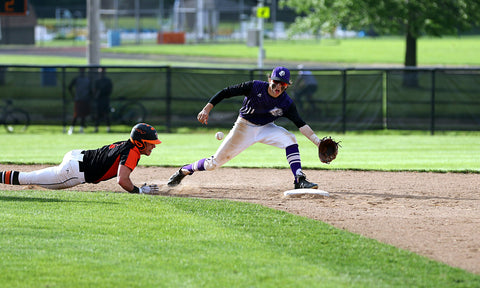
Incorporating Defensive Drills into Practice
Defensive drills need to be an integral part of practice. Concentrate on drills that emphasize crucial skills such as fielding ground balls, catching fly balls, and making precise throws. Utilize game-like situations to assist players in contextualizing these skills.
Include drills that force players to think on their feet and react in high-pressure situations. This will get them ready for the fast pace of actual games and enhance their performance in high-stakes moments.
Methods for Feedback and Correction
As a coach, it’s important to provide feedback to your players. Make sure to be specific and constructive when you’re correcting them. Highlight the things they did well and the things they need to work on. Demonstrations can be a great way to show them the correct techniques and help them learn.
Encourage players to ask questions and seek clarification if they’re unsure about something. This fosters a positive learning environment and helps players feel supported in their development.
Final Thoughts on Developing Young Athletes
Developing young athletes is about more than just teaching them the mechanics of baseball. It’s about nurturing their passion for the sport, building their confidence, and instilling values that will benefit them both on and off the field. A well-rounded approach to coaching can have a lasting impact on a child’s life.
As coaches, we are more than just instructors on the field. We are mentors, examples, and encouragers. The way we act and the attitudes we have can greatly affect how young players view the game and their role in it. By creating a positive and supportive atmosphere, we are promoting growth and a lifelong passion for the sport of baseball.
Keep in mind that the end goal isn’t just to mold excellent players, but to develop well-rounded individuals who value teamwork, persistence, and good sportsmanship. These are the real wins in youth sports.
Stimulating Development and Enthusiasm for the Sport
Boosting enthusiasm for baseball requires making practices fun and fulfilling. Motivate players to establish individual objectives and applaud their accomplishments, regardless of their size. Foster a climate where exertion is prized as much as talent, and where errors are viewed as chances to grow and enhance.
Get the kids excited about baseball by teaching them about the history of the game and telling them stories about legendary players. This way, they’ll feel more connected to the baseball community and understand their place in the ongoing narrative of the sport.
How Coaches Influence Player Growth
Coaches are instrumental in molding a player’s growth. They do this by offering precise direction, positive criticism, and relentless encouragement, allowing players to maximize their abilities. It’s vital to adapt coaching techniques to suit each player, acknowledging that everyone has a unique learning style.
Alongside physical abilities, mentors ought to focus on improving their players’ mental and emotional strength. They should urge them to persevere through difficulties and keep a positive attitude, even when confronted with disappointments. This strength will be beneficial to them in all aspects of their lives.
Common Questions
Coaching youth baseball can be confusing with so many drills to choose from and team management strategies to consider. This article will answer some of the most frequently asked questions to help you coach your team effectively.
What is the ideal frequency for defensive practice in youth teams?
Defense is a crucial part of baseball, and it requires consistent practice to get better. It would be best if youth teams can allocate at least one practice session each week to focus on defensive skills. Additionally, they should also integrate defensive drills into their other practice sessions.
Practice makes perfect. Regular defensive drills allow players to create muscle memory and develop confidence in their skills. This readies them for real-game scenarios and ensures they can successfully carry out plays.
Change the number of defensive practices according to what the team needs and the upcoming game schedule. If defense is a specific area that the team is weak in, they might need to practice more. For guidance, consider incorporating youth baseball defensive drills to improve fielding skills.
What are the essential defensive drills for beginners?
- Ground Ball Drills: Instruct on the correct fielding techniques and footwork.
- Fly Ball Drills: Concentrate on tracking and catching balls in the air.
- Throwing Accuracy Drills: Enhance throwing mechanics and precision.
- Relay Drills: Exercise fast and efficient relay throws between players.
- Positioning Drills: Guide players on where to position themselves and how to move around the field.
These drills provide the basis for strong defensive skills. They should be practiced consistently and modified as players’ skills progress.
Once players master the basics, it’s time to introduce more complex drills that test their decision-making and reaction times. This gradual progression helps develop versatile defenders.
Keep in mind, the objective is to make defense a reflex for players, so they can react intuitively during games.
What can coaches do to keep players interested during practice?
Coaches can mix up the activities and add in fun and competitive elements to keep players interested. They can use games and challenges to help players practice their skills in a fun and engaging way. They can also encourage players to set personal goals and monitor their progress to give them a sense of achievement.
Moreover, encourage players to participate in planning parts of the practice. If they’re allowed to propose drills or activities, they might become more invested and excited. Always give positive feedback and acknowledge effort and progress. For more tips, check out these effective team defensive work strategies.
What should a 90-minute practice plan consist of?
A 90-minute practice should be organized but also adaptable to meet the needs of the team. The main components should include:
- Warm-Up: Spend 10-15 minutes on dynamic exercises and stretching.
- Skill Stations: Dedicate 30-40 minutes to work on specific skills such as hitting, pitching, and fielding.
- Game Simulations: Allocate 20-25 minutes for scrimmages or situational play.
- Cool-Down: Use 5-10 minutes for stretching and team discussion.
This format guarantees a well-rounded practice that covers all necessary areas while maintaining player engagement and focus.
How do we gauge the success of a practice plan?
Here are some ways to determine if a practice plan is working:
- Player Progress: Keep an eye on how skills and performance improve over time.
- Team Execution: Evaluate how effectively the team carries out plays in games.
- Player Involvement: Keep track of players’ excitement and involvement in practice.
- Feedback: Collect thoughts from players and assistant coaches to pinpoint areas that need work.
Consistently checking in on these elements can assist you in fine-tuning your practice plans to better fit what the team requires. For additional tips on player development, consider exploring bunting technique improvement methods.
Be ready to make changes based on what you see and hear, so stay adaptable and open to modifications. For more guidance on improving your coaching skills, consider exploring our Little League baseball coaching tips.
Is there a difference in practice plans for weeks with games and weeks without?
Indeed, practice plans should be tailored to fit the team’s schedule. During weeks with games, the focus should be on fine-tuning strategies and addressing any shortcomings that have been noted in previous games. Rest and recovery should be prioritized to ensure players are ready for competition.
During off weeks, allocate additional time to honing skills and conditioning. Use this as a chance to bring in new drills and strengthen the basics without the stress of impending games.
How can we better our communication on the field?
Good communication is key to successful team defense. Inspire players to use clear, loud voices when calling plays or directing teammates. Practice communication drills where players must verbally coordinate their actions. For more tips, check out these effective team defensive work practices.
In addition, it’s crucial to develop a shared language for various scenarios so that everyone is on the same page. Continually emphasize the importance of communication during practice sessions and games.
Where can I find practice plan templates?
There are several online resources that offer customizable practice plan templates. For instance, the Marietta Baseball Academy website has a comprehensive guide and pre-planned practice sessions. Coaching books and instructional videos can also provide useful tips and ideas.
Use these tools to create organized and successful practice plans that meet your team’s specific needs. Don’t be afraid to ask other coaches for tips and ideas too.

Leave a Reply