Important Points
- Begin by volunteering and learning the basic duties of a Little League coach.
- Patience, communication, and leadership skills are essential qualities for a successful coach.
- Arranging practice sessions and establishing clear goals are key to a successful season.
- Teamwork, positioning, and sportsmanship should be the focus of in-game strategies.
- Creating positive relationships with players and parents encourages a supportive team atmosphere.
Embarking on Your Little League Coaching Journey
Coaching Little League baseball is not just about teaching kids to hit a ball. It’s about motivating young athletes and establishing a fun, educational environment. Whether you’re an experienced player or new to the game, the first step is to volunteer and understand the responsibilities of the role.
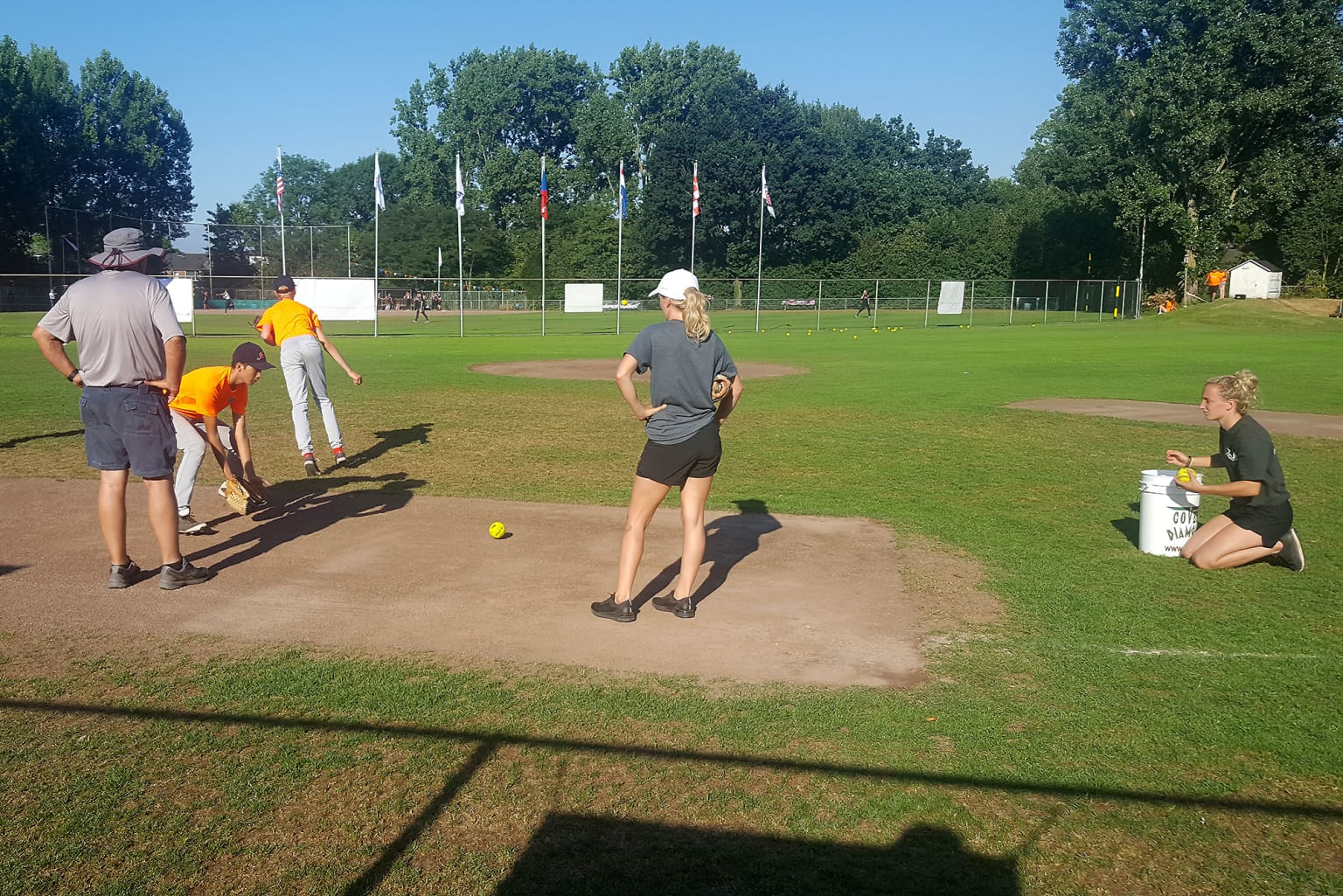
Beginning Your Journey as a Volunteer
Usually, your journey to becoming a Little League coach begins with volunteering at a local organization. Most of these leagues depend on parents and community members to take on coaching roles. Make sure you understand what you’re getting into – ask about the time commitment and any special requirements.
When you’re officially a coach, get to know the rules and regulations of the league. Every league can have slightly different rules, and knowing these will help you set clear expectations for your team. Keep in mind, coaching is just as much about leadership as it is about teaching baseball skills.
Knowing What’s Expected of You
Your main job as a coach is to make sure each player is enjoying themselves while also learning the game. This involves fostering a safe and positive space where children can grow their abilities. Plus, you’ll have to be good at communicating with both the players and their parents. If you set clear expectations at the start of the season, it can prevent confusion down the line.
Another key aspect to remember is to instill a sense of good sportsmanship. Encourage your players to be supportive of their teammates and respectful of their opponents. Most importantly, remind them that it’s not all about winning; the main goal should be to play the game to the best of their ability and to enjoy the process.
Why a Positive Attitude Matters
Coaching kids is no easy task, but it’s important to keep a positive attitude. Kids look to their coaches as role models, so show them how to handle both wins and losses with grace. Celebrate even the smallest victories and encourage your players to always strive for improvement, no matter what the scoreboard says.
Having a good attitude can also assist in conflict resolution. Disputes can occur, either among players or with parents. Approach these situations with a calm demeanor and an open mind, with the goal of finding solutions that benefit the entire team.
What Makes a Great Coach
No matter what their individual coaching style may be, there are a few key traits that all successful coaches have in common. Patience, the ability to communicate effectively, and a deep knowledge of the game are just a few of the characteristics that can make or break a coach.

The Importance of Patience and Communication
When coaching young athletes, patience is key. Kids are still learning and will make mistakes. Instead of getting frustrated, encourage them to learn from their mistakes and try again. Communication is just as important. Be clear and simple when explaining drills and strategies, and always be open to questions.
Make sure you are frequently communicating with your players so that they know what they need to be doing. This is a great way to build a relationship with your team and make sure everyone is on the same page. For more insights, check out these youth baseball coaching tips.
Establishing Objectives and Standards
Establishing objectives is key to a successful Little League season. Begin by determining what you want your team to accomplish, both on an individual and group level. This could entail improving batting averages, mastering new fielding strategies, or just enjoying the game and forming bonds. Make these objectives known to your players and their parents. When everyone is aware of the goals, it makes it simpler to collaborate to achieve them. For more tips on improving your coaching skills, check out our youth baseball coach training guide.
Aside from setting goals, be sure to lay down the rules for behavior and effort. Make it clear to your players what you expect in terms of attendance, participation, and sportsmanship. This helps create a structured environment where kids know what they need to do to succeed.
Building a Positive Atmosphere
A positive atmosphere is one where players feel appreciated and motivated. It’s important to recognize each child’s individual contributions to the team, whether they’re a leading pitcher or a supportive teammate. Ensure every player has an opportunity to participate and learn.
Urge your players to back each other up both on the field and off of it. Team-building activities, such as group warm-ups or post-game snacks, can help to strengthen relationships and boost team morale. Keep in mind, a team that works well together is more likely to be successful. For more ideas, consider exploring baseball practice drills that focus on teamwork and cooperation.
Moreover, always maintain open communication with your players. Inspire them to express their ideas and worries, and be open to their input. This not only establishes trust but also enables you to customize your coaching to better meet their requirements.
Practical Game-Time Tactics
When the game begins, your job as a coach changes to making tactical choices that can affect the result. Even though victory isn’t everything, showing children how to play intelligently and cooperate is a useful skill.
Choosing the Right Lineup and Player Positions
Putting together the right lineup and placing players in the right positions is crucial for a successful game plan. When deciding on positions, think about what each player excels at and what they struggle with. For example, a player with a powerful arm could be a great fit for the outfield. On the other hand, a player with fast reflexes might do well at shortstop.
Switch players between positions to provide them with a more comprehensive experience. This not only assists them in acquiring new abilities, but it also keeps them interested and enthusiastic about participating. Keep in mind that the objective is to get the most out of each player while keeping the team balanced.
Also, it’s crucial to adjust your approach depending on the other team. Keep an eye on their players and modify your lineup as needed. This adaptability can give your team an advantage and show your players the significance of adjusting to various circumstances.
On-the-Spot Decision Making
Being able to make on-the-spot decisions during a game requires a clear head and quick thinking. Your decisions, whether it’s to sub out a player or call for a bunt, can change the course of the game. Always stay focused and trust your gut, but also be open to suggestions from your assistant coaches or even the players themselves.
Promoting Positive Sportsmanship
Positive sportsmanship is the cornerstone of Little League baseball. Inspire your players to honor the umpire’s rulings, applaud their rivals, and uplift their team members. This mindset not only enhances the enjoyment of the game but also imparts essential life skills.
Set a good example. If you show respect to the other team and the officials, your players will probably do the same. Deal with any unsportsmanlike conduct immediately and use it as a teachable moment.
Moreover, always remind your team that the game is not just about winning. Stress the importance of exerting effort, improving, and enjoying the game. This point of view can help them handle both wins and losses gracefully.
Creating Constructive Connections
Establishing solid connections with your team members and their parents is crucial for a triumphant season. These relationships build a positive atmosphere where everyone feels important and respected.

The first step to establishing these relationships is to communicate effectively. Keep parents in the loop about the team’s schedule, objectives, and any changes. This openness fosters trust and encourages their participation.
For instance, you could hold a meeting before the season begins to introduce yourself, talk about your coaching philosophy, and answer any questions. This will help to set a positive tone for the season and establish open lines of communication from the beginning.
In addition, be accessible and receptive to feedback. Motivate parents to express their ideas and worries, and be prepared to make changes when needed. This cooperation can improve the overall experience for all participants. For more tips on improving your coaching skills, check out these guides for coaching players.
Talking to Your Team and Their Parents
It’s important to make sure your team understands what you’re saying. Speak clearly and show them how to do things. Let them ask questions and give them helpful advice to make them better players.
Keep parents in the loop by being open and taking the initiative. Regularly update them on how the team is doing and any events that are coming up. This keeps them involved and helps to build a good relationship.
Handling Disputes with Tact
Disputes may come up over the course of the season, either among players or involving parents. Handle these situations with a cool head and in a professional manner. Hear everyone out and strive for an equitable solution that’s in the best interest of the team.
Building a Strong Team Culture
A strong team culture is what keeps a team united. Make sure to remind players to cheer each other on and to be happy for each other’s victories. Plan activities that will help the team bond, like going on group trips or having meals together as a team.
First and foremost, foster a positive and inclusive environment where everyone feels welcome and valued. This will not only create a sense of belonging but also motivate players to give their best effort.
Lastly, bear in mind that as a coach, your demeanor and conduct establish the mood for the team. Be an encouraging mentor, and your players will likely emulate your example. For more insights, you can explore this Quora discussion on managing a little league team.
For instance, set up a fun day at a nearby park for team-building. Plan entertaining games and activities that promote teamwork and communication. This allows the players to get to know each other better and fosters camaraderie.
Conclusion: The Satisfaction of Coaching
Coaching Little League baseball is a gratifying experience that goes beyond teaching the fundamentals of the game. It’s about molding young minds, character development, and nurturing a passion for sports. As a coach, you have the chance to make a positive influence on your players, teaching them lessons that reach far beyond the baseball diamond.
Keep in mind that the aim is not merely to win matches but to establish a nurturing and fun environment where children can learn and develop. By emphasizing teamwork, sportsmanship, and personal growth, you will assist your players in becoming better athletes and people. Cherish the journey and the happiness that comes from being a part of your players’ lives. For more insights, explore how to manage a little league team.
Common Questions
If you’re a new coach in Little League, you’re likely to have a lot of questions. Here are some frequently asked questions and their answers to help you on your coaching path.
Who is eligible to play Little League baseball?
Little League baseball is generally open to children between the ages of 4 and 16. Leagues often divide players into age-specific divisions to make sure that kids are playing with others who are at a similar level of skill and physical maturity. Be sure to contact your local league to find out about their specific age divisions and eligibility rules.
How many hours per week should I expect to spend coaching?
Coaching is a commitment and you should be prepared to spend a few hours each week on it. This includes time spent planning and running practices, going to games, and talking to parents and players. On average, you might find yourself spending between 5 to 10 hours per week on coaching-related tasks.
What resources are there for new coaches?
There are numerous resources that can help new coaches excel. Little League International provides coaching clinics, online resources, and instructional videos. Also, consider asking experienced coaches in your area for advice and mentorship.
For example, the Little League University website offers useful resources such as practice plans, drills, and coaching tips specifically designed for various age groups.
These resources can be used to enhance your abilities and self-assurance as a coach.
What should I do about parents who are too competitive?
It can be tough to manage parents who are overly competitive, but it’s crucial to respond to their issues while keeping player development and fun as the main focus. Here are some suggestions:
- At the start of the season, make sure everyone understands the importance of good sportsmanship and having fun.
- Stay in touch with parents on a regular basis to keep them in the loop and engaged.
- If problems come up, handle them calmly and in private, always keeping the league’s values and objectives in mind.
By promoting open dialogue and establishing clear rules, you can handle these situations successfully.
What can I do if a kid isn’t having fun?
If a kid isn’t having fun, it’s important to figure out why and address their issues. Here are some steps you can take:
- Have a conversation with the child and their parents to grasp their sentiments and any unique problems.
- Encourage the child to experiment with different positions or roles to find what they like.
- Concentrate on making practices and games enjoyable, with a variety of activities and drills.
By demonstrating empathy and making changes, you can assist the child in rediscovering the joy of playing baseball.
What can I do to make practices enjoyable and interesting?
Making practices enjoyable and interesting is critical for keeping players interested and excited. Think about using a combination of drills, games, and challenges to keep things fun. Use positive reinforcement to motivate players and recognize their accomplishments, even if they’re small. This strategy not only helps enhance skills but also fosters a positive and fun environment.
What are the most typical blunders made by rookie coaches?
- Putting too much emphasis on victory instead of player growth.
- Not effectively communicating with players and their parents.
- Overlooking the need for a structured and organized practice schedule.
- Not rotating players through various positions.
By avoiding these frequent errors, you can become a more efficient and successful coach. For more insights, explore kids baseball practice drills and tips.
What are some ways to foster teamwork in young players?
It’s important to foster a sense of teamwork in order to build a strong and successful team. Here are a few ways you can encourage this:
Here are some tips for coaching a Little League baseball team:
- Plan activities that encourage team bonding outside of regular practices and games.
- Teach your players the importance of being supportive and positive towards their teammates.
- Recognize and reward team successes instead of only highlighting individual achievements.
By promoting a team culture of camaraderie and respect, you can help your players develop valuable teamwork skills that will serve them well both on the field and in other areas of life.
Of course, you can’t just jump into coaching Little League Baseball without some preparation. You’ll need to understand the game, learn how to communicate with your players, and develop a coaching philosophy. Here are some tips to help you get started:
- Understand the game: Before you can teach your players how to play, you’ll need to understand the game yourself. This means knowing the rules, understanding the strategies, and being able to explain them in a way that your players can understand.
- Communicate effectively: Communication is key in any coaching role. You’ll need to be able to explain complex concepts in a way that your players can understand, and you’ll also need to be able to listen to your players and understand their needs and concerns.
- Develop a coaching philosophy: Your coaching philosophy is your guiding principle as a coach. It’s what you believe about the game, about coaching, and about your players. Your philosophy will guide your decisions and actions, and it will also influence how your players see you and respond to you.
Coaching Little League Baseball can be a rewarding experience, but it can also be challenging. By understanding the game, communicating effectively, and developing a coaching philosophy, you can set yourself up for success and help your players develop their skills and love for the game.

Leave a Reply