Main Points
- Regular practice with basic hitting drills forms a strong base for beginner baseball players.
- Correct grip and stance are vital for making consistent contact with the ball.
- Tee drills and soft toss exercises enhance timing and accuracy in hitting.
- Learning and practicing opposite field hits broadens a player’s hitting abilities.
- Adding varied drills into practice routines improves overall baseball skills.
Significance of Efficient Baseball Hitting Drills for Beginners
As a beginner in baseball, it’s crucial to concentrate on the basics. Efficient hitting drills are not just about swinging the bat; they are about establishing a solid base for future achievement. These drills assist beginners in developing muscle memory, enhancing their timing, and comprehending the mechanics of a good swing. As a result, regular practice with the appropriate drills can have a significant impact on a player’s growth.
Imagine hitting drills as the foundation of your baseball abilities. Each drill hones in on a different part of hitting, be it grip, stance, or timing. By focusing on these areas one at a time, you can slowly piece them together to create a full and efficient swing. This organized method enables beginners to advance at a steady pace and prevent them from feeling inundated.
Establishing a Solid Groundwork
Establishing a solid groundwork in baseball begins with mastering the essentials. Before you even approach the plate, you need to learn how to grip the bat correctly and position your body. A proper hold and stance set the groundwork for everything else in hitting. If these basics are off, it becomes much more difficult to make consistent contact with the ball.
“Adopt a 45-degree offset stance and aim to hit the ball to the opposite field. This will help you learn to swing away from your body rather than around it.”
After you’ve got the basics down, you can progress to more advanced drills. These could include exercises that concentrate on timing, identifying pitches, and hitting to various parts of the field. Each drill is a building block, allowing you to acquire a broad range of skills.

The Benefits of Regular Contact
One of the most crucial skills a batter can have is consistently hitting the ball. It doesn’t matter how strong your swing is if you can’t hit the ball consistently. Regular contact results in more hits, better batting averages, and increased confidence when batting. Plus, it makes you a more valuable member of your team. For those looking to improve their skills, consider exploring digital batting courses to boost your average and power.
If you want to get better at making consistent contact, you should concentrate on drills that stress timing and accuracy. Tee drills are an excellent starting point because they let you work on your swing in a controlled setting. You can work on hitting the ball squarely and consistently without having to worry about a moving pitch.
Getting to Know Opposite Field Hits
Being able to hit to the opposite field is a skill that can make you a standout hitter. It shows that you can take pitches on the outer half of the plate and hit them hard. This skill makes you a more well-rounded hitter and keeps the defense on their toes, as they can’t anticipate where you’ll hit the ball. For more tips on improving your fielding skills, check out this guide on defensive situations.
Mastering the ability to hit to the opposite field takes time and practice. It’s not as simple as just swinging a little later; you have to adjust your stance, timing, and approach. There are drills that can help you hone this skill by focusing on the mechanics of hitting to the opposite field.
Improving Contact Consistency with Hitting Drills
We’ve talked about the importance of making consistent contact and hitting to the opposite field. Now let’s get into some specific drills you can do to improve these skills. Remember, you get out what you put in. The more you practice these drills, the better you’ll get.
Understanding the Importance of Grip and Stance
Consider your grip and stance as the groundwork of your swing. If your grip isn’t right, it will be difficult to control the bat and make a solid hit. Likewise, a good stance helps you keep your balance and produce power in your swing. For those looking to further enhance their skills, exploring digital batting courses can provide additional insights and techniques.
|
Grip |
Stance |
|---|---|
|
For a better control, hold the bat with your fingers, not your palms. |
Stand with your feet shoulder-width apart and knees slightly bent. |
|
Ensure a natural wrist movement by aligning your knuckles. |
Keep your weight balanced between both feet. |
You don’t need a field or even a ball to practice your grip and stance. You can work on these fundamentals at home by simply holding a bat and getting into your stance. Focus on feeling comfortable and balanced, as this will translate into better performance at the plate.

Consistency Focused Tee Drills
Every hitter’s practice routine includes tee drills. They give you the chance to work on your swing mechanics without the stress of a moving pitch. Start by setting the tee at waist height and practice hitting the ball squarely. Focus on making consistent contact and aim to drive the ball straight up the middle.
Once you’re feeling more at ease, change up the tee’s height and placement. This lets you get used to hitting a variety of pitch locations and become a more versatile hitter. Keep in mind, the aim is to consistently hit the ball well, so don’t rush. Concentrate on your technique.
The Game-Changing Power of Opposite Field Hits
When a hitter can develop the ability to hit with power to the opposite field, it changes the game. This skill shows that you can handle pitches on the outside part of the plate and drive them with authority. It makes you a more difficult hitter for pitchers and defenses to deal with because they can’t just pitch you inside to jam you. They have to respect your ability to hit to all fields, which can open up more opportunities for hits.
For power in the opposite field, you need to focus on your timing and mechanics. When you can hit the ball to the opposite field with power, you are a more versatile and threatening hitter. This is particularly important in situations where the defense shifts heavily to one side because it allows you to take advantage of the gaps they leave open.
- Work on hitting pitches that are on the outside half of the plate.
- Concentrate on keeping your hands inside of the ball.
- Implement drills that stress swinging through the ball instead of around it.
Keep in mind that hitting to the opposite field isn’t just about power. It’s about utilizing the pitcher’s speed to your benefit and making contact at the correct point in your swing. By using drills that emphasize these points, you’ll begin to see progress in your ability to hit to the opposite field.
Opposite field power is not only a great way to increase your versatility, but it can also lead to more extra-base hits. When you can drive the ball into the gaps, you’ll have more opportunities to stretch singles into doubles and doubles into triples. This not only boosts your stats but also helps your team by putting you in scoring position more often.
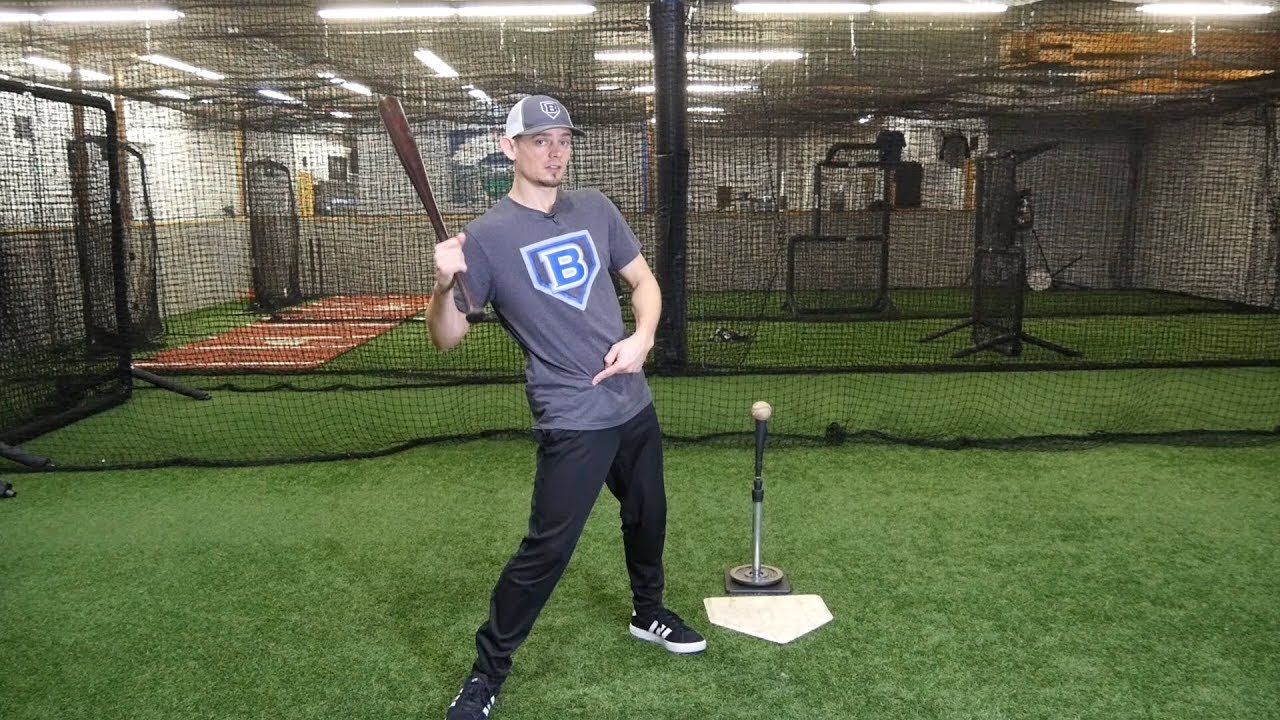
Open Stance Drill for Opposite Field
The open stance drill is an excellent method for practicing hitting to the opposite field. When you start with an open stance, it helps your body to stay back and allow the ball to travel deeper into the hitting zone. This allows you to make contact later in your swing, which is crucial for hitting the ball to the opposite field.
Where to Place the Tee for Opposite Field Practice
Where you place the tee is very important when you’re practicing opposite field hits. You should place the tee a little bit back in your stance and on the outer half of the plate. This will help you to let the ball travel and hit it to the opposite field. Make sure to focus on staying inside the ball and driving it with authority.
Begin with slow, deliberate swings to understand the mechanics. As you gain confidence, ramp up the speed and power of your swings. The aim is to make solid contact consistently and hit the ball to the opposite field.
Front Toss Drills for Skill Reinforcement
Front toss drills are a great method to reinforce the skills you’ve learned from tee drills. This drill introduces a moving ball, which adds a level of difficulty and realism to your practice. Stand a few feet in front of the batter and toss the ball underhand, aiming for the outer half of the plate. For more advanced techniques, consider exploring the opposite field hitting drill to enhance your batting skills further.
Advise the batter to hold back and allow the ball to travel. Concentrate on making solid contact and hitting the ball to the opposite field. This drill can be used to improve timing and pitch recognition, as it helps to recreate conditions similar to those found in a game.
Keep in mind, practice is key. Regularly repeating these drills will build the muscle memory and self-assurance you need to effectively hit to the opposite field. Keep pushing yourself by changing the speed and place of the tosses to mimic different pitch types.
Adding Drills to Practice Routines
Adding these drills to your practice routine is crucial for ongoing improvement. A comprehensive practice schedule ensures that you’re focusing on all facets of your game, from grip and stance to timing and power. By devoting time to each drill, you’ll grow into a more well-rounded hitter.
Well-rounded Training Plans
Well-rounded training plans incorporate a variety of drills that target different skills. Designate time for each drill according to your current strengths and areas for improvement. For instance, if you’re having difficulty with opposite field hits, devote more time to the open stance and tee placement drills.
Merging Drills for All-Around Skills
Blend various drills to create a well-rounded practice session. Begin with grip and stance basics, then transition to tee drills for consistency. Follow up with opposite field drills, and end with front toss to tie everything together. This method makes sure that you’re working on both basic and advanced skills.
Customizing Practice for Each Player
All players are unique, so you need to tailor your practice sessions to fit each individual. If a certain drill isn’t helping you, change it or try a different one. Pay attention to how your body feels and adjust the intensity and length of each drill to avoid exhaustion and injuries. For additional resources, explore some baseball training apps that can help customize your practice.
Wrapping Up on Nurturing All-Around Batters
Turning into an all-around batter requires time, patience, and commitment. By concentrating on consistent contact and opposite field hits, you’re preparing yourself for victory. Keep in mind that enhancement doesn’t occur immediately, but with persistence, you’ll witness advancement.
Monitor your improvement and take time to enjoy your minor accomplishments. Whether you’re consistently connecting with the ball during practice or you’ve just hit your first opposite field double in a game, each success is a stride towards becoming a better hitter. For more tips on improving your skills, check out these digital batting courses.
Remember to have fun. Baseball is a game, and it should be enjoyable. Take the challenges in stride and use them as motivation to keep pushing yourself to get better.
Keeping Tabs on Your Progress and Being Patient
Keep a record of your progress by maintaining a diary of your practice sessions. Write down which drills you concentrated on, how you felt during practice, and any improvements you observed. This will help you spot trends and areas that require more work. For more on enhancing your practice, explore youth hitting drills to boost your skills.
Don’t be too hard on yourself. Progress isn’t always linear, and there will be bumps in the road. Use these as teachable moments and stay true to your objectives. With grit and resolve, you’ll transform into the versatile hitter you aim to be. For more on developing mental toughness, check out our guide on unlocking the secrets to mental toughness.
Why you should mix up your drills
Don’t just stick to the same old drills. Mixing things up can improve your game in ways you might not expect. Trying a variety of drills can help you become a more well-rounded player, and it can also keep things interesting. You’ll be forced to work on different skills, from hitting for power and accuracy to improving your timing and strategic thinking.
Regularly practicing a variety of drills helps you develop muscle memory and mental toughness. This not only equips you for different game scenarios, but it also lowers the risk of injury by promoting balanced growth. Furthermore, varied practice sessions make training more enjoyable and prevent burnout because you’re always learning and getting better.
Common Questions
As you strive to improve your batting skills, you may have some questions about the process. Here are answers to some typical questions that beginners often have, including tips on opposite field hitting drills that can enhance your performance.
What’s the recommended practice frequency for beginners?
For beginners, it’s recommended to do hitting drills about three to four times a week. Being consistent is crucial for building muscle memory and improving your skills. But remember to balance out your practice with enough rest to avoid fatigue and overuse injuries.
Begin with brief sessions and slowly increase the length and intensity as you get more comfortable with the drills. Pay attention to your body and modify your practice schedule as necessary to ensure you’re getting the most out of each session.
How can I enhance my consistent contact?
Enhancing your consistent contact means you need to concentrate on the basics of your swing. Start by making sure your grip and stance are correct, because these are the basis of your swing. Then, you can use tee drills to practice making solid contact with the ball.
- Concentrate on striking the ball directly on the bat’s sweet spot.
- Ensure your gaze is locked on the ball during your entire swing.
- Implement soft toss drills to enhance your timing and accuracy.
Perfecting these techniques will make you more reliable in making contact and hitting the ball effectively.
What makes opposite field hitting crucial in baseball?
Opposite field hitting is crucial as it proves that you can manage pitches on the outer half of the plate. This ability makes you a more flexible hitter and keeps the defense on their toes. By being capable of hitting to all fields, you become a more rounded player and can take advantage of defensive shifts.
How can I tell if my stance is right?
Start by standing with your feet shoulder-width apart and your knees slightly bent to check if your stance is right. Your weight should be evenly distributed between both feet, allowing you to pivot and generate power in your swing. For additional tips on enhancing your swing, explore how to increase your bat speed.
Ensure your alignment is correct by ensuring your lead shoulder is pointing in the direction of the pitcher. Your head should be level, and your eyes should be focused on the pitcher. Practicing in front of a mirror or recording your stance can help you make adjustments and ensure proper alignment. For additional tips, check out these youth pitching tips and drills.
What gear do I need for these exercises?
For these exercises, the fundamental gear includes a baseball bat, a tee, and baseballs. You’ll also need a partner to help you with soft toss and front toss drills. A net or backstop can also be useful for gathering balls and keeping them from rolling away during practice.
Can I do these drills by myself?
Yes, you can do many of these drills by yourself, especially the tee drills and practicing your grip and stance. For drills that need a partner, like soft toss and front toss, you might want to think about using a batting cage or a pitching machine to get a similar experience.
Practicing on your own lets you work on specific parts of your game at your own speed. It also gives you a chance to self-evaluate and get better without the stress of having to perform in front of others. For more insights, check out this opposite field hitting drill.
Can players of all ages benefit from these drills?
Yes, players of all ages, from novices to seasoned pros, can benefit from these drills. While the focus and intensity of the drills may need to be adjusted based on the player’s skill level, the basic principles are the same. You can modify the difficulty and complexity of the drills to suit the player’s abilities and objectives.
When can I expect to see progress?
Each player is unique, so the time it takes to see progress can vary based on things like innate skill, how often you practice, and your level of commitment. However, if you practice regularly, you should start to see significant progress within a few weeks to a couple of months. For those looking to enhance their skills further, consider exploring digital batting courses that can help boost your average and power.
Keep in mind that patience and dedication to your practice routine are key. Keep tabs on your progress and rejoice in the small wins. Always remember that improvement is a process that happens over time, and every step you take is a step towards becoming a better hitter.

Leave a Reply