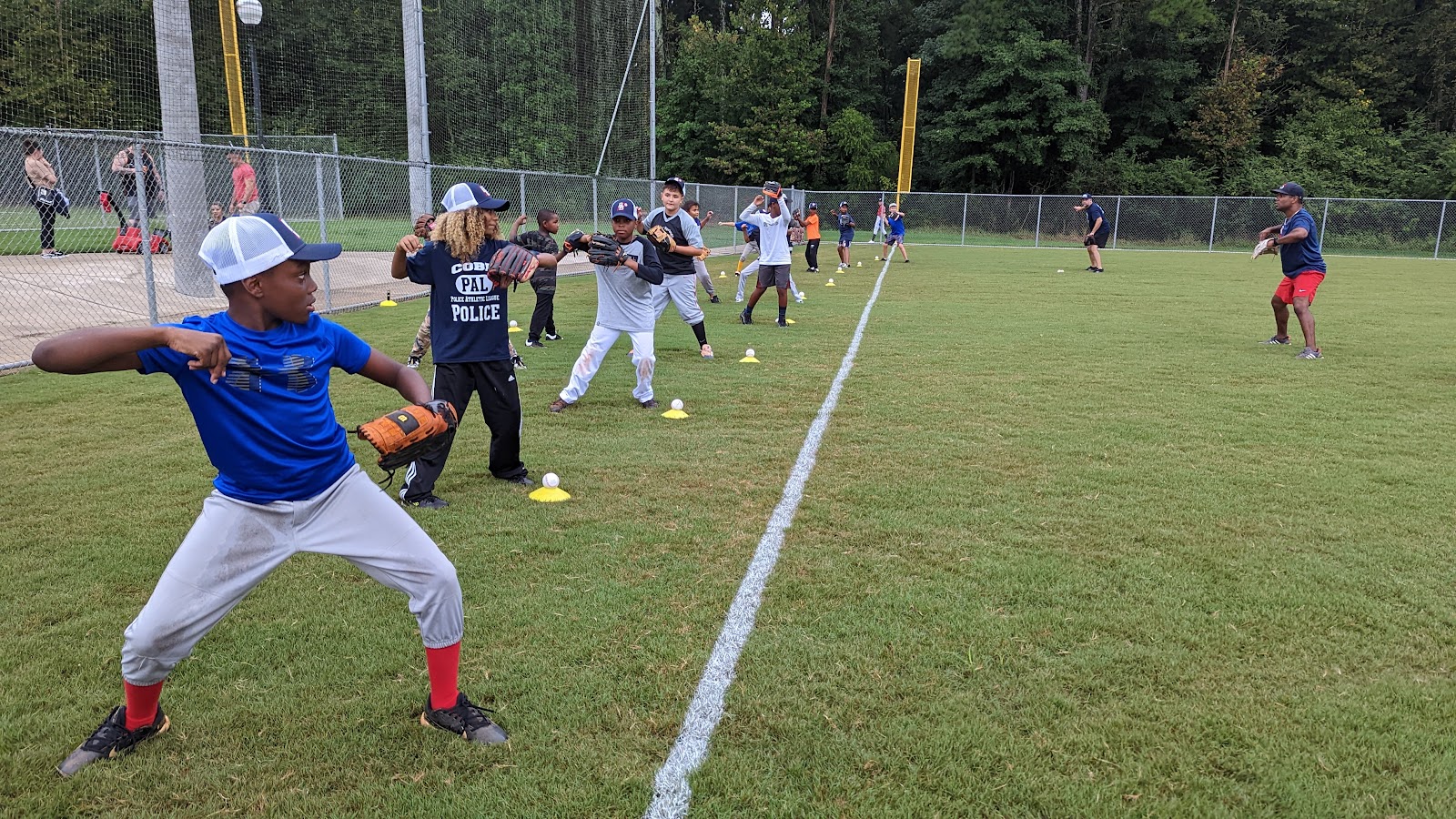
Begin with the fundamentals: Before moving on to pitching, teach children how to play catch correctly.
Concentrate on proper mechanics to prevent injuries and establish a solid foundation.
Use enjoyable and effective exercises like the Balance Beam and Towel Slap to enhance abilities.
Stress the importance of mental readiness and self-assurance on the mound.
Make sure young pitchers get enough rest and avoid overuse to stay healthy in the long run.
Creating a Strong Foundation for Youth Baseball Pitching
Every exceptional pitcher begins with a solid foundation. It’s not just about throwing the ball quickly; it’s about developing the appropriate abilities and techniques that will benefit a young athlete throughout their baseball career. Understanding the basics is crucial, and it all starts with the fundamentals of playing catch. Believe it or not, this simple activity is the first step to becoming a skilled pitcher. Before moving on to more advanced pitching drills, make sure young athletes are comfortable and proficient with their throwing mechanics.
Essential Components of Pitching Skill Development
Think of developing pitching skills as if you were building a house; a strong foundation is necessary to support everything else. This means emphasizing correct throwing mechanics, balance, and strength. It’s crucial to teach kids to use their whole body, not just their arms. Encourage them to practice often and focus on their form. As they get older, their skills will naturally get better, but starting with the right techniques will make a world of difference.
Why Proper Mechanics Matter for Young Athletes
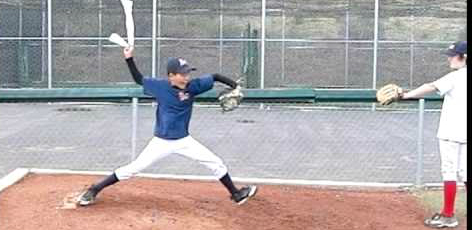
It’s crucial for young pitchers to learn the right mechanics to avoid injury and boost their performance. Bad habits can result in shoulder or elbow problems that can seriously hinder their progress. That’s why it’s so important to teach them how to throw correctly from the beginning. Pay attention to arm placement, shoulder rotation, and body balance. All of these factors combine to create a strong, safe pitching motion.
The Importance of Confidence When Pitching
When it comes to pitching, confidence is just as vital as physical ability. The mound can be a scary place, especially for young players. Remind them to have faith in their skills and to keep their heads up, even when they mess up. Confidence can boost their performance and help them deal with the stress of the game. After all, a pitcher who believes in themselves is usually a winning pitcher.
Crucial Pitching Advice for Young Athletes
With the basics covered, let’s delve into some crucial pitching advice. This advice will assist young athletes in enhancing their game and finding joy in the learning process. Keep in mind, the aim is to keep practice enjoyable and captivating while concentrating on developing skills.
How to Warm Up and Stretch
Before you start any practice or game, make sure you warm up correctly. Warming up gets your body ready for physical activity and helps prevent injuries. Encourage young pitchers to start with some light jogging or jumping jacks to get their blood flowing. Follow this with dynamic stretches that focus on the arms, shoulders, and legs. These stretches should mimic the movements they will use while pitching, like arm circles and lunges.
In addition, always stress the significance of stretching post-practice. It aids in avoiding muscle discomfort and preserving flexibility. Make it a habit, and it will quickly become a standard part of their training.
Learning the Right Grip and Stance
Knowing how to grip the baseball the right way is key to good pitching. Show your young players how to hold the ball with their fingertips, not their palm, and to change their grip based on the kind of pitch they want to make. The grip will change the speed and direction of the ball, so it’s very important to do it correctly.
After that, pay attention to the position. A balanced position lays the groundwork for a powerful throw. Encourage throwers to keep their feet shoulder-width apart and distribute their weight evenly. This posture allows them to generate more force and maintain control throughout their delivery.
Keeping Your Cool and Staying Focused
It takes a lot of mental strength to be a pitcher. You can help young players develop ways to stay cool under pressure and keep their focus while they’re on the mound. Show them how to take deep breaths and picture their pitches before they throw. Remind them to concentrate on one pitch at a time and not let the overall game situation stress them out. For more tips on mental toughness, check out our guide on unlocking the secrets to mental toughness.
Also, inspire them to create a pre-pitch routine. This routine could involve fixing their hat, inhaling deeply, or shaking their arms. Having a routine helps them remain composed and focused, even when under pressure.
Fortune Kneel Drill for Arm Motion
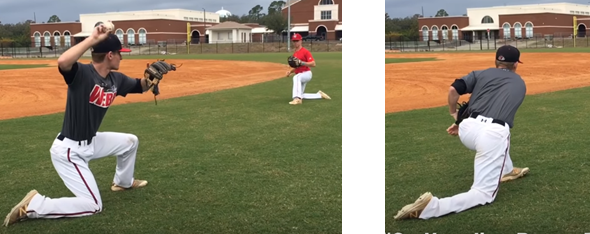
The Fortune Kneel drill is a great way for young pitchers to work on their arm motion and accuracy. This drill removes the lower body from the equation, allowing pitchers to concentrate solely on their arm mechanics without worrying about footwork. To do this drill, have the pitcher kneel on one knee, with the other foot flat on the ground. The knee on the ground should be in line with the target, and the pitcher should keep their body upright.
At this stage, the pitcher should begin practicing throwing the ball with a focus on the path of the arm and the follow-through. Encourage them to keep their elbow level with their shoulder and their wrist firm. The Kneel of Fortune drill is a great tool for teaching pitchers the importance of a smooth, controlled arm motion, which is crucial for throwing accurate and powerful pitches.
Single-Leg Strength with the Flamingo Drill
Balance is key for a pitcher, and the Flamingo Drill is a great way to develop single-leg strength and stability. To begin, the pitcher should stand on one leg with their other leg bent at the knee, similar to a flamingo. The aim is to keep balance while performing a pitching motion.
Start by having the pitcher perform their wind-up and delivery while standing on one leg. This drill tests their balance and requires them to use their core muscles. It also helps enhance their skill in shifting weight efficiently during a pitch. As pitchers get better at the Flamingo Drill, they can make it harder by closing their eyes or holding a lightweight in their throwing hand.
Using the Towel Slap to Improve Pitch Timing
With the Towel Slap drill, pitchers can work on their pitch timing and follow-through in a unique way. This drill only requires a towel. The pitcher should hold the towel like they would a baseball and then perform their pitching motion. For more drills to enhance your skills, check out these baseball pitching drills for kids.
When you finish the motion, you should be aiming to “slap” the towel against a target or the ground. This drill stresses the importance of following through completely and helps pitchers develop a sense of timing. It’s a fantastic way to work on pitch mechanics without the strain of throwing a baseball over and over again.
Perfecting Your Aim and Control
“Aim and control are the backbone of a successful pitch. The Perfecting Your Aim drill is designed to improve these skills by challenging pitchers to hit specific targets within the strike zone.”
Make a goal, like a strike zone drawn on a wall or a net with marked areas. Have the pitcher stand at a comfortable distance and try to hit the goals with their pitches. Encourage them to mix up their pitches, aiming for different spots within the strike zone.
This exercise aids pitchers in honing their accuracy and learning to modify their pitches based on the target. They will eventually gain improved control and the capacity to regularly hit their marks during a match.
Keeping Young Players Safe and Healthy
While learning the game is crucial, the long-term health and safety of young pitchers is even more important. Pitching can be tough on the arm, so it’s essential to take measures to avoid injuries and encourage healthy development.
The Significance of Rest and Recovery
Rest and recovery are crucial parts of a young pitcher’s training regimen. After a day of pitching, the muscles and tendons require time to repair and fortify. Encourage young athletes to let their arms rest for at least 24 hours following a pitching session. Including rest days in their schedule aids in avoiding overuse injuries and guarantees they remain energized for future practices and games. For additional training resources, explore some of the best baseball training apps for kids to help sharpen their skills.
Keeping Track of Pitching to Avoid Injuries
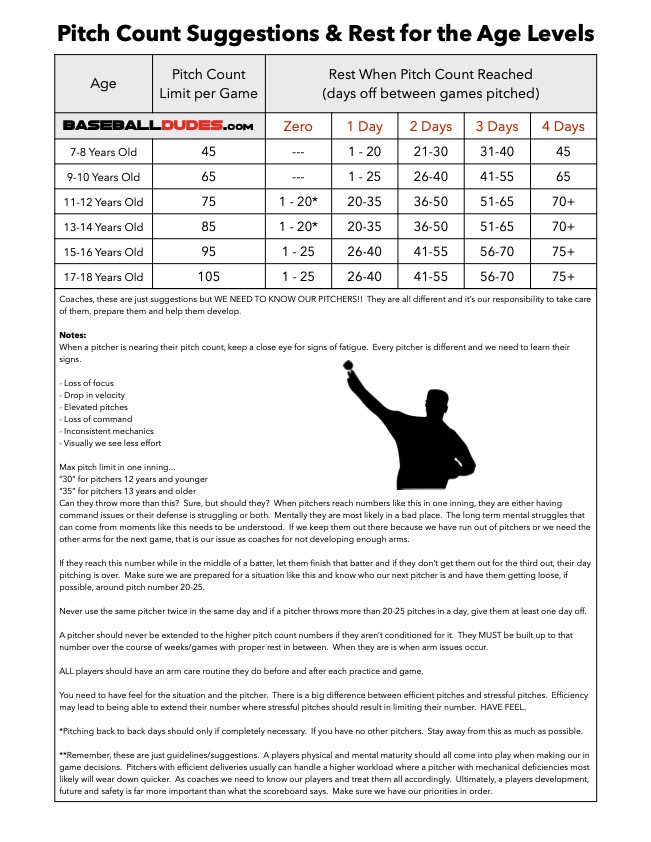
Young pitchers need to be protected from injury, and one of the ways to do this is by keeping track of their pitching. Set up guidelines for the number of pitches they can throw based on how old they are and how much experience they have. For instance, a 10-year-old should not throw more than 75 pitches in a game. Counting pitches can help avoid overuse and give them enough time to recover.
Promoting a Well-rounded Training Regimen
Long-term development hinges on a comprehensive training regimen. Urge youth pitchers to participate in a variety of physical activities that boost their overall athleticism. Strength training, cardiovascular exercises, and flexibility workouts all play a part in a well-rounded regimen. This method not only enhances their pitching performance but also minimizes injury risk by strengthening supporting muscles and improving overall fitness.
Off the Pitch: Developing a Strong Mindset and Drive
Being a pitcher is not just about physical strength and skill. It’s also about mental strength and determination. Young pitchers need to develop mental toughness and motivation in order to excel. By developing a positive mindset and resilience, they can confidently handle the pressures of the game.
Helping Young Pitchers Develop Resilience
Resilience is the capacity to recover quickly from difficulties and keep moving forward. Inspire young pitchers to see errors as chances to learn. Show them how to concentrate on the process rather than the result. By developing resilience, they will be better prepared to tackle obstacles and keep enhancing their abilities.
Establishing Objectives and Monitoring Improvement
Establishing objectives is an essential aspect of any young athlete’s growth. It provides them with something to work towards and a method to assess their improvement. Motivate young pitchers to establish both immediate and future objectives. Immediate objectives could include perfecting a new drill or enhancing precision, while future objectives could include joining the team or boosting pitch speed.
Monitoring improvement is also crucial. Maintain a record or diary of training sessions, matches, and accomplishments. This enables young pitchers to understand how much they’ve progressed and which areas still need to be addressed. Applaud their victories and utilise obstacles as teaching moments.
Establish attainable and precise objectives.
Monitor improvement on a regular basis to maintain inspiration.
As abilities develop, modify objectives.
Establishing objectives and monitoring improvement allows young pitchers to remain concentrated and inspired on their path to becoming accomplished athletes.
Nurturing a Passion for the Sport
Behind every successful athlete is a deep-seated passion for the game. Nurturing this passion is key for youth pitchers. Inspire them to love every part of baseball, from training to competing. Reinforce that errors are part of growing and that the thrill of the game is what really counts.
Common Questions
Parents and coaches alike frequently have questions about how to best guide their young pitchers. Here are some typical questions and advice to help you understand the world of youth baseball pitching.
At what age should children begin pitching?
Children can start learning how to pitch when they are around 8 or 9 years old. Typically, by this age, they have developed the coordination and strength needed to start learning basic pitching mechanics. However, each child is unique, so it is important to determine their individual readiness. For those interested in improving skills, here are some baseball training apps for kids that can help sharpen their abilities.
How can young pitchers throw faster?
To throw faster, young pitchers need to improve their mechanics and strength. Start by teaching them the right technique. This will set the stage for speed. After they have a good handle on mechanics, you can start strength training. Focus on the core and legs. These muscles are key for power. For more insights on improving speed, check out these tips and drills.
Moreover, engage in long toss drills to gradually enhance arm strength and speed. Regular training and patience are crucial for effectively boosting your throw speed.
How can you tell if a young pitcher might be injured?
Knowing how to spot potential injuries in young pitchers can prevent them from becoming serious, long-term problems. Some common signs to look for are ongoing pain in the shoulder or elbow, a decrease in performance, or trouble with everyday activities. If a young pitcher says they’re in pain or uncomfortable, they need to take a break and get checked out by a professional if the symptoms don’t go away.
What’s the ideal practice frequency for a youth pitcher?
It’s important for youth pitchers to practice on a regular basis, but without overdoing it. The sweet spot is usually around 2-3 pitching practices per week, with rest days in between to give the body a chance to recuperate. Make sure to mix in other types of physical activity to encourage all-around athletic growth.
Moreover, it’s important to make sure that practice sessions are concentrated and meaningful. Practicing well is more valuable than practicing a lot.
Work out 2-3 times a week.
Take days off to rest and recuperate.
Engage in other physical activities for well-rounded fitness.
Keeping a balanced practice schedule is important for young pitchers to develop their abilities and avoid injuries.
What pitches should a beginner pitcher start with?
First-time pitchers should start with the basics, like the fastball and changeup. These pitches are easier to learn and help build a solid foundation. Once they’ve got these down, they can slowly start to learn more advanced pitches like the curveball, but only when they have the strength and control to do so.
How can I help my child handle the stress of pitching?
Pitching can be a high-pressure situation, especially during games. You can help your child handle this stress by promoting a positive attitude and reminding them that errors are a part of the learning process. Teach them calming techniques like deep breathing or visualization to use when they start to feel overwhelmed. For additional support, consider exploring baseball training apps for kids that can provide structured practice and confidence-building exercises.
Moreover, concentrate on the journey, not the destination. Highlight hard work and progress over victory or defeat.
Promote a can-do attitude.
Show them how to relax.
Emphasize trying hard and getting better.
Helping your kid handle pressure will make pitching more fun and improve their performance.
Do kids need private pitching coaches to improve their skills?
While private pitching coaches can be helpful, they aren’t a must-have for every young pitcher. Many skills can be honed during team practices and through self-led drills. That said, if your child is particularly keen on pitching or needs some extra support, a private coach can offer tailored advice and guidance. For additional insights, consider exploring this guide on improving fielding skills to complement their pitching practice.
At the end of the day, the choice to hire a private coach depends on your kid’s needs and your available resources. Keep in mind, the most crucial aspect is nurturing a love for the game and supporting your child’s growth.


Leave a Reply