Important Points
- Mastering the basics of fast pitch mechanics is essential for young pitchers to succeed.
- Gripping the ball correctly is crucial for control and speed.
- Proper stance and body alignment prevent injuries and improve accuracy.
- Confidence and focus on the mound can significantly impact performance.
- Age-specific adjustments help cater to the unique needs of 8U-12U players.
Crucial Techniques to Enhance 8U-12U Fast Pitch Softball Pitching
When it comes to fast pitch softball, mastering the fundamentals can make all the difference. Young athletes, especially those between 8U-12U, need to focus on the core techniques that will set the foundation for their pitching journey. Whether your child is just starting or looking to refine their skills, understanding these techniques is key to unlocking their full potential.
- Work on getting a firm hold of the ball.
- Keep your stance steady for improved control.
- Practice your footwork for fluid movements.
- Regular practice is key to developing muscle memory.

These tips will help young pitchers improve their game and gain confidence on the field. Now, let’s talk about the importance of proper pitching mechanics and why they are key to success.
The Significance of Proper Pitching Mechanics
Correct pitching mechanics are the key to success for any fast pitch softball player. They help to prevent injuries, improve accuracy, and increase the speed of the pitch. Above all, they provide a strong base for young athletes to build upon as they grow and develop their skills.
For example, keeping a steady pitching motion aids athletes in building muscle memory, which is crucial for throwing pitches accurately. Moreover, paying attention to mechanics guarantees that athletes use their whole body correctly, lowering the chance of overuse injuries that can happen when the arm is overused. For more advanced techniques, consider exploring advanced pitching techniques to further develop young pitchers.
Adapting Training for Different Age Groups
Young pitchers have special requirements that need to be met to ensure they are successful. Their bodies change as they get older, and their training methods should evolve as well. It’s crucial to adapt pitching techniques and drills to the specific age group of the player.
For instance, 8U players may need to work on improving their basic coordination and balance, while 12U players may need to work on improving their speed and accuracy. It’s important for coaches and parents to recognize these differences and adjust their teaching methods accordingly. For more insights, check out these advanced pitching techniques for developing young players.
Building Self-Assuredness and Concentration on the Pitching Mound
Self-assuredness is crucial for a young pitcher’s success. A self-assured player is more likely to excel under pressure and maintain concentration during games. Promoting positive self-talk and setting attainable goals can help increase a young athlete’s self-assuredness.
Teaching players to remain focused while on the mound is also essential. Distractions can cause errors, so honing in on concentration techniques can be a game-changer. Help players create a pre-pitch routine to keep them grounded and prepared for each pitch.
Basics of Fast Pitch Softball Techniques
We’ve already discussed the significance of proper techniques. Now, let’s explore the specific components of successful fast pitch softball techniques. With a better understanding of these basics, young pitchers can enhance their skills and have more fun playing the game.
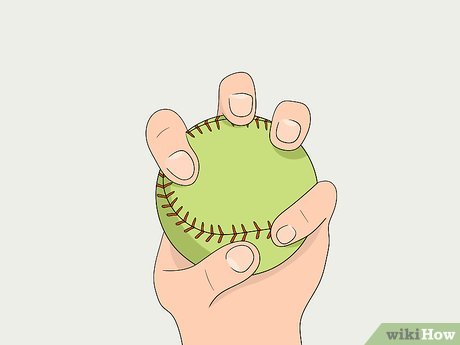
How to Hold the Ball: Techniques for Better Control
Holding the ball correctly is important for getting control and speed. A good grip makes sure that the pitcher can let go of the ball smoothly and consistently. Here are some ideas for getting the grip right:
- For better control, hold the ball with your fingertips instead of your palm.
- Maximize speed by using a four-seam grip for fast pitches.
- Try out different grips to find what feels the most comfortable for you.
By regularly practicing these techniques, young pitchers can develop the control they need to shine on the field.
Getting the Right Stance and Body Alignment
Having the right stance and body alignment is crucial to good pitching mechanics. This helps the pitcher to keep their balance and generate the power they need throughout the pitch. It also helps to prevent injuries by spreading the stress across the muscles and joints in the body.
Urge young players to concentrate on keeping their feet shoulder-width apart and their weight centered. This position offers a stable base for the pitching motion and allows for smooth transitions between each phase of the pitch.
Upper Body Strength Kneeling Drill
The kneeling drill is a great way to help young pitchers build upper body strength. It isolates the upper body, which can help improve arm strength and throwing mechanics. In this drill, the pitcher kneels on one knee, keeps their back straight and eyes on the target, and then practices throwing the ball with a full arm motion, focusing on the follow-through.
This drill, by taking out the lower body movement, allows players to focus on their arm action and build the muscle memory necessary for a strong pitch. With regular practice, you’ll see noticeable improvements in strength and accuracy.
Helmet Hitting Drill for Precision
Help your young pitcher to improve their precision with the fun and interactive “Helmet Hitting” drill. Position a helmet or another target at the desired distance and have your pitcher try to hit it with their pitch. This drill promotes concentration and accuracy, as players need to adjust their aim and technique to consistently hit the target.
Gradually increase the distance or change the target size as pitchers become more accurate to keep the challenge engaging. This drill not only improves accuracy, but also builds confidence as players see their progress.
Using the Tee Hitting Drill to Perfect Technique
For young pitchers looking to perfect their technique, the tee hitting drill is an invaluable tool. This adaptable exercise allows players to practice pitching at different heights and angles by adjusting the tee, helping to improve their overall performance.
This exercise encourages pitchers to concentrate on their release point and modify their mechanics to achieve the desired pitch result. With regular practice of this drill, pitchers can improve their control and consistency when pitching.
Flexibility Exercises for Range of Motion
Flexibility is a key component of a pitcher’s performance, as it allows for a wider range of motion and lowers the chance of injury. Adding flexibility exercises to a young pitcher’s routine can help them reach their full potential and enhance their overall game. Additionally, incorporating softball drills can further improve their skills and performance.

Dynamic stretching, yoga, and resistance band workouts are all great ways to get pitchers moving. Make sure they pay special attention to their shoulders, hips, and core, as these areas are key for generating power and maintaining balance during the pitching motion.
Finding the Right Support and Resources
As young athletes develop their skills, finding the right support and resources can make all the difference in their success. From working with a pitching coach to utilizing online communities, there are many ways to enhance a player’s development and ensure they reach their full potential.
Collaborating with a Pitching Coach
A skilled pitching coach can offer priceless advice and encouragement for budding athletes. They can provide customized teaching, pinpoint areas that need enhancement, and create a bespoke training program to aid players in achieving their objectives. When choosing a coach, seek out someone with a background in working with youth athletes and a consistent history of triumph. For more advanced guidance, explore advanced pitching techniques that can further develop young pitchers.
Choosing the Right Camp
Softball camps are a great way for young pitchers to learn new techniques, meet other players, and experience different coaching styles. When choosing a camp, you should consider the qualifications of the coaching staff, the focus of the camp, and the facilities. Camps that offer a balance of skill development, game play, and fun activities are usually the best for young athletes. For more insights on training, check out these innovative training techniques.
Using the Internet to Your Advantage
With the internet at our fingertips, there are countless online resources and communities that can help young pitchers. Websites, forums, and social media groups can offer tips, drills, and advice from seasoned players and coaches. Young athletes should be encouraged to use these resources and connect with others who love the game as much as they do.
- Get involved in fast pitch softball communities on the internet.
- Use tutorial videos to pick up new moves and practice routines.
- Reach out to fellow players and coaches for encouragement and inspiration.
These resources can help young pitchers keep improving and honing their skills, even when they’re not at practice.
Fixing the Flaws: Typical Errors and Their Solutions
While young pitchers are honing their craft, they might stumble upon typical errors that could slow their development. Recognizing and rectifying these mistakes is vital for ongoing advancement and triumph on the diamond. Let’s delve into some typical errors and how to tackle them efficiently.

How to Spot and Fix Over-Rotation
If a pitcher’s body spins too much while they’re throwing, they’re over-rotating. This can make their pitches less accurate and harder to control. You can help pitchers stop over-rotating by reminding them to keep their core steady and their front shoulder pointed at their target. Drills that work on body control and balance can also help with over-rotation. For more advanced techniques, you can explore advanced pitching techniques that focus on improving control and accuracy.
Handling Stress and Managing High-Pressure Scenarios
Stress and high-pressure situations can negatively affect a young pitcher’s performance, causing errors and a lack of self-assurance. To assist players in handling these emotions, encourage them to establish a routine before each pitch to help them stay centered and relaxed. Visualization methods and deep breathing exercises can also be useful for managing tension and staying composed on the mound. For more advanced techniques, consider exploring advanced pitching techniques to enhance their skills further.
Steering Clear of the ‘Flying Softballs’ Error
A frequent error that young pitchers make is releasing the ball either too early or too late, leading to a ‘flying softball’ that doesn’t have the power or accuracy it should. To fix this, work on creating a consistent release point and making sure the pitcher’s arm follows through smoothly. Practice with a coach or use video analysis to spot and fix any inconsistencies in the release.
By fixing these common errors and using the solutions given, young pitchers can keep getting better and have fun on the field.
Conclusion on Youth Fast Pitch Development
It takes patience, dedication, and the right resources to develop young athletes in fast pitch softball. By concentrating on core techniques, addressing common errors, and providing the necessary support, young pitchers can excel on the field. For more advanced strategies, consider exploring advanced pitching techniques that can further enhance their skills. Always remember that the journey is just as important as the destination, and every practice session is a chance for improvement.
We are parents, coaches, and mentors, and our job is to guide and inspire these young athletes. We are here to help them build a solid foundation in both skills and character. Let’s celebrate their successes, learn from the challenges, and foster a love for the game that will last a lifetime.
Building a Community of Encouragement and Development
Forming a community of support is key to the growth of young pitchers. Promote open dialogue among players, coaches, and parents to cultivate a positive atmosphere where everyone feels appreciated. Plan team-building exercises and occasions to solidify relationships and build enduring friendships.
Striking a Balance Between Enjoyment and Competition
Although competitiveness is a crucial aspect of sports, it’s essential to strike a balance with enjoyment. Make sure that young players relish their time on the pitch and are not bogged down by stress. Motivate them to establish individual objectives and rejoice in their advancement, regardless of the game’s result.
- Set up fun games and practice matches to keep the mood enjoyable.
- Highlight the significance of working together and playing fair.
- Urge players to cheer for each other and recognize each other’s successes.
By keeping this balance, youth athletes can foster a positive relationship with the sport and continue to find joy in it for many years. For additional tips on engaging young players, check out these indoor baseball drills designed for ages 8-12.
Common Questions
When young pitchers and their families are just starting out in this exhilarating sport, they often have questions about the game and how to succeed in it. Here are some common questions and their answers to help you on your journey.
At what age should my kid start learning how to pitch in fast pitch softball?
Kids can start learning how to pitch as young as 8 years old. At this age, they can begin to develop basic skills and grasp the fundamentals of pitching. However, it’s critical to adjust the training to their individual development and make sure they aren’t being pushed too hard too soon. For more on enhancing young players’ skills, explore these indoor baseball drills designed for ages 8-12.
What’s the recommended practice frequency for young pitchers?
Like with any sport, practice makes perfect. Young pitchers should strive to practice at least 2-3 times a week, each time honing in on a different pitching skill. This approach allows them to develop their skills without risking burnout or overuse injuries. For more advanced techniques, check out these advanced pitching techniques to help young pitchers improve their game.
Can both girls and boys play fast pitch softball?
Yes, they can! Fast pitch softball is a game that can be played and enjoyed by both girls and boys. It provides a chance for all gender players to hone their skills, compete, and enjoy themselves. Encourage your kid to try out the game and find what they love about it.
What gear do young pitchers need for practice and games?
Young pitchers need a few necessary pieces of gear to succeed. These include a glove, a softball, cleats, and comfortable athletic clothing. As they progress, consider investing in protective gear such as a pitching mask and knee pads to ensure their safety on the field.
Furthermore, using practice aids such as a pitching net or target can enhance their skills outside of team training sessions.
What can I do to assist my child in increasing their pitching speed?
Boosting pitching speed involves a mix of strength training, correct mechanics, and consistent practice. Motivate your child to enhance their core and upper body strength with exercises such as push-ups and planks. Also, concentrate on improving their pitching mechanics to guarantee they are utilizing their whole body effectively.
Lastly, by consistently practicing speed drills, young pitchers can slowly but surely increase their speed over time.
Why is a bent elbow whip important when pitching?
A bent elbow whip is key to producing speed and power in a pitch. This method lets pitchers increase their arm speed and effectively transfer energy from their body to the ball. By keeping a bent elbow throughout the pitching motion, young athletes can gain better control and speed in their pitches.
Can I find more practice tips online?
Absolutely! There are tons of online resources for young pitchers who want to get better. Websites, YouTube channels, and social media groups are full of instructional videos, drills, and advice from seasoned players and coaches. Encourage your child to look into these resources and add new techniques to their practice routine.
What qualities should I look for in a pitching coach for my child?
When you’re looking for a pitching coach, you want someone who has experience working with young athletes and has a history of successful coaching. A good coach should be patient, know their stuff, and be able to talk to young players in a way they’ll understand. You might also want to ask other parents or players for their recommendations to find a coach who fits with your child’s needs and goals.

Leave a Reply