Main Points
- Indoor baseball drills can effectively improve both hitting and fielding skills for kids aged 8-12.
- Maximizing limited indoor space involves creativity and strategic use of available resources like cones and tees.
- Soft toss drills and using a tee are essential for enhancing precision and timing in hitting.
- Fielding drills such as the triangle cone drill and wall ball exercises help sharpen defensive skills.
- Incorporating a variety of drills keeps practice sessions engaging and productive.
Start Training Effectively Indoors
When the weather isn’t cooperating, or you simply don’t have access to an outdoor field, indoor baseball drills become a fantastic alternative. They offer a way to keep skills sharp and spirits high, even when space is limited. Indoor training can focus on the fundamental skills of baseball, such as hitting and fielding, allowing young athletes to make significant progress.
Getting the Most Out of Your Indoor Space
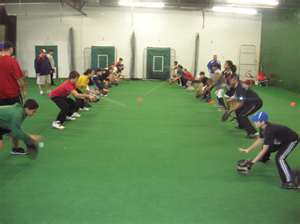
Space can be a big issue when you’re practicing indoors. But, don’t let that stop you! The key is to think outside the box. No matter if you’re in a gym, your basement, or even your garage, you can set up great drills with just a few pieces of equipment.
Marking boundaries or zones with cones can help keep the practice area organized. Also, using soft baseballs or wiffle balls indoors can help prevent any damage or injuries. So, using what you have on hand can help make sure that practice sessions are both effective and safe.
Emphasizing Essential Skills: Hitting and Fielding
Indoor drills offer a special chance to concentrate on certain skills that may not get as much focus when practicing outdoors. Hitting drills can stress accuracy and timing, while fielding drills can improve quickness and response time. By dividing these skills into smaller parts, players can practice their technique in a regulated setting.
Essential Indoor Drills for Boosting Batting Abilities
Being able to hit the ball is a crucial aspect of baseball, and there are numerous methods to practice this skill indoors. The objective is to keep or enhance your timing, hand-eye coordination, and swing techniques. Here are some useful drills that can be done inside.

Soft Toss Drills
Soft toss drills are great for improving hand-eye coordination and swing mechanics. They don’t require a lot of space and are easy to set up. For more tips on enhancing your skills, check out these baseball training apps for kids.
- Position yourself approximately 10 feet from a net or wall.
- Have a partner gently throw a ball to you underhand.
- Concentrate on making a solid hit on the ball, aiming to send it back towards the net or wall.
These exercises reinforce the correct swing path and timing. Because the toss is controlled, players can focus on their technique without the stress of a live pitch.
Practicing with a Tee
Practicing with a tee is also a great way to practice hitting indoors. It lets players concentrate on their stance, grip, and swing mechanics without having to worry about timing a pitch. Adjust the tee to different heights and positions to mimic various pitches.
For instance, place the tee at the level of your waist and practice hitting line drives. Then, lower the tee to practice hitting ground balls. By changing the tee’s position, players can practice hitting different types of pitches, which will make them more versatile hitters.
Ghost Hitting Drills
Ghost hitting drills are a way to practice your swing without the ball. This drill is great for working on swing mechanics and building muscle memory. Stand in your batting stance and do a full swing, paying attention to balance and follow-through.
Here, the power of visualization is key. Picture the ball flying towards you and see yourself making contact with it. This mental exercise can be incredibly powerful in enhancing your real-life batting skills.
The 120 Swings Drill
The 120 swings drill is an all-encompassing drill that works to build stamina and consistency in hitting. The objective is to take 120 swings in one go, with an emphasis on maintaining technique and strength all the way through. Here’s how to do it:
- Split the swings into 20-swing sets.
- Take a brief pause between sets to keep up concentration and stamina.
- Switch between various swing types, like full swings, bunts, and check swings.
This drill not only develops physical stamina but also mental resilience, as players have to focus on each swing to make sure they’re practicing effectively.
Best Fielding Drills for Kids
Fielding is just as crucial as hitting, and indoor drills can significantly enhance a player’s defensive abilities.

Triangle Cone Exercise
The triangle cone exercise is a great way to work on footwork and agility. Arrange three cones in the shape of a triangle. The kid begins at one cone and swiftly shuffles to the next, making sure to keep a low, balanced stance. For more drills to enhance fielding skills, check out this guide on fielding drills for kids.
This exercise imitates the rapid movements needed in an actual game, training players to respond quickly to ground balls and line drives. By practicing these movements indoors, players can build the muscle memory necessary for successful fielding.
Safe Implementation of Pitching Drills
Pitching is an integral part of baseball, and it can be practiced safely and effectively even indoors. The objective is to concentrate on control and mechanics without the need for a full pitching mound or long distances. By focusing on particular movements, young pitchers can improve their skills in a limited space. For more ideas on how to practice indoors, check out these indoor baseball drills.
Breaking Down Movements for Indoor Practice
When it comes to indoor pitching practice, it’s key to separate the action into smaller parts. Begin with the wind-up and pay attention to balance and posture. If you have a mirror, use it to make sure the body stays straight during the action. Then, move on to the stride, focusing on keeping a steady and smooth motion.
When they feel ready, kids can start to incorporate their arm movements. They can rehearse their throwing motions without letting go of the ball to perfect the path of their arm and the follow-through. This exercise helps pitchers build up muscle memory for each stage of their delivery. This way, they can be consistent and accurate when they start to pitch at full speed.
Enhancing Technique with Stationary Drills
Stationary drills are perfect for enhancing technique when you don’t have a lot of room. These drills focus on repetition and building muscle memory. For instance, you can use a wall to practice the throwing motion. Stand a short distance away and concentrate on the movement of the arm, making sure the elbow remains at the right height and the wrist snaps correctly.
The towel drill is another great exercise. Instead of a baseball, hold a towel and make the pitching motion, snapping the towel at the end. This exercise underlines the importance of following through and helps pitchers to grasp the right release point. For more ideas on improving your pitching technique, check out these indoor baseball drills.
Creating a Comprehensive Indoor Baseball Practice Plan
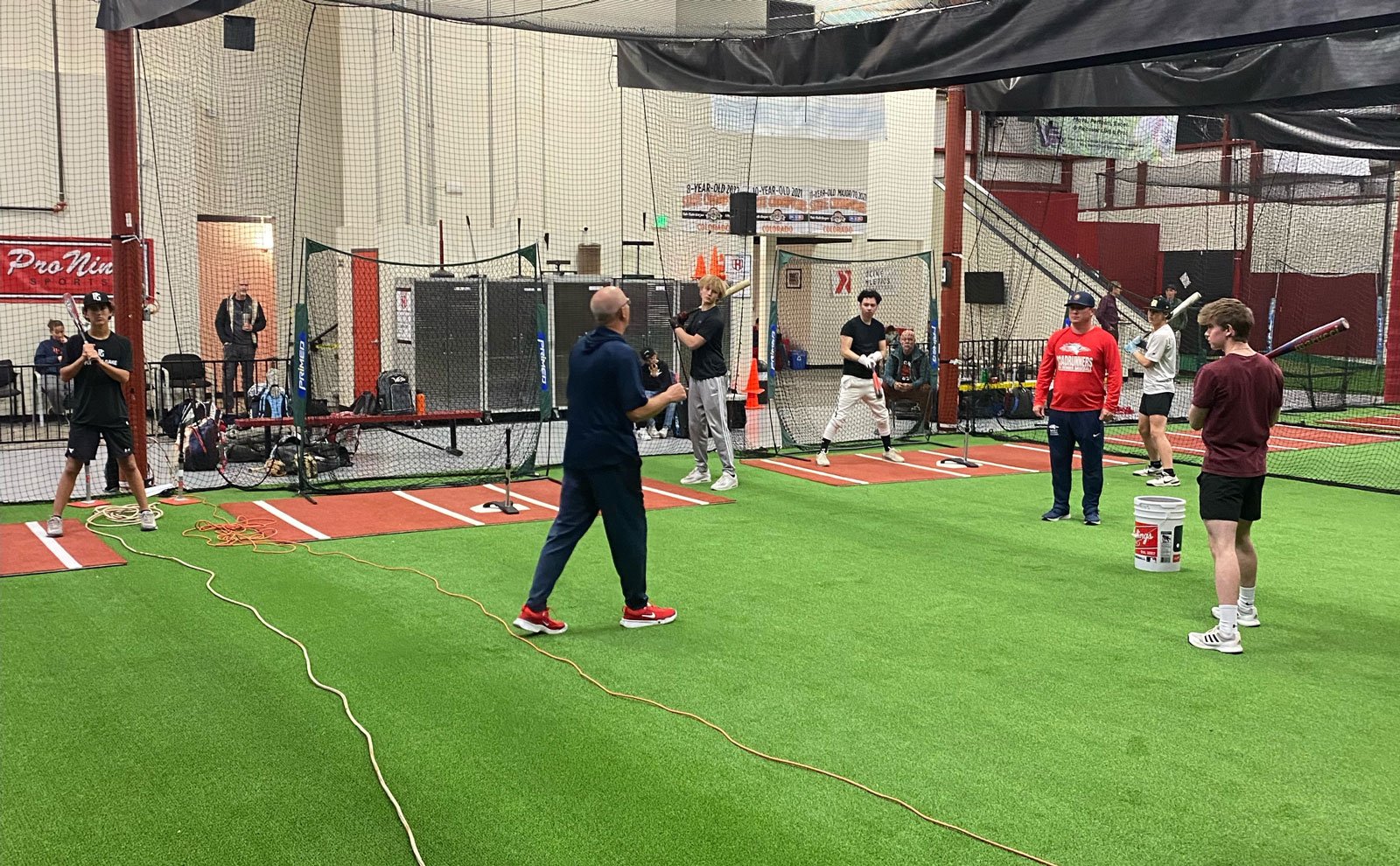
Indoor training is most effective when there is a structured practice plan in place. This guarantees that all areas of the game are addressed and that players stay interested and inspired. A comprehensive plan includes drills for hitting, fielding, and pitching, in addition to warm-ups and cool-downs.
Planning Timed Drills—12, 24, and 60 Minutes
If you’re looking to have a well-rounded practice, you might want to break it down into timed sections. Here’s a possible breakdown:
The following is a suggested practice routine:
- 12 minutes: Start with a warm-up, including dynamic stretches and some light cardio.
- 24 minutes: Move on to hitting drills. Rotate between soft toss, tee work, and phantom swings.
- 24 minutes: Next up are fielding drills. Use the triangle cone drill and wall ball exercises.
- 60 minutes: Finish with a full practice. This should integrate all skills and end with a cool-down.
This structure ensures that players get a balanced workout, covering all key areas of the game. It also keeps sessions dynamic and prevents monotony.
Finding a Balance Between Batting, Catching, and Throwing
It’s crucial to create a practice schedule that covers all the bases – pun intended. Make sure you dedicate time to each skill, so that your players can grow in all areas of the game. Keep things interesting by changing up the drills every so often. This will keep your players engaged and motivated to keep getting better.
Including Warm-ups and Cool-downs
Warm-ups and cool-downs are essential parts of any practice. They get the body ready for physical activity and help avoid injuries. Begin each practice with dynamic stretches and light aerobic exercises to raise heart rate and muscle flexibility.
Finish up with some static stretches to cool down and help prevent muscle soreness. Making these routines a part of your practice plan will help keep players healthy and ready for the next practice.
Reframing Indoor Practice
Indoor practice can often be viewed as a hindrance, but with the right perspective, it can be seen as a chance for growth. Concentrating on certain skills and exercises allows players to make great strides in a controlled setting. Indoor practice fosters innovation and flexibility, which are crucial characteristics for any sports player.
Correcting Misconceptions About Baseball Training
There’s a common misconception among some players that indoor training is not as beneficial as practicing outdoors. It’s important to change this perspective by highlighting the advantages of concentrated skill improvement. Indoor training sessions provide the opportunity to pay close attention to mechanics and form, which can sometimes be neglected during larger outdoor practices.
Transforming Constraints into Advantages
Having less space can actually be a great way to get creative with your drills. This could be a chance to try out some new exercises and challenges that you wouldn’t be able to do outside. By transforming limitations into opportunities, players learn how to adapt and succeed in any environment. For inspiration, check out these indoor baseball drills that every player should know.
Indoor training can be a great opportunity to hone skills and establish a solid base for outdoor games. When used correctly, it can be a potent instrument in the growth of a young athlete.
Maximizing Your Space
It’s important to use whatever space you have to its fullest potential when training indoors. Whether you’re in a tiny gym, a garage, or even your living room, there are ways to make the most of it for effective practice sessions. For instance, using baseball training apps for kids can help sharpen skills even in limited spaces.
Think about utilizing common household items such as chairs or boxes to establish drills. Soft balls or wiffle balls are ideal for reducing potential damage while still allowing players to safely hone their skills. By using what you have, you can create a dynamic and effective practice setting. For more ideas on drills, check out these beginner baseball hitting drills.
Using a Standard Basketball Court for Practice
Should you have a standard basketball court available, it can serve as a great area for baseball drills. Utilize the court lines to establish bases or designate fielding drill boundaries. The open area facilitates larger drills like base running or practicing long throws.
Using bigger spaces like basketball courts can shake up your indoor practices and give a new setting for players to adjust to.
Choosing the Right Indoor Batting Cage
Indoor batting cages are the perfect tool for concentrated hitting training. They offer a secure, regulated space for players to improve their swing techniques and timing. If a fixed batting cage isn’t feasible, think about using movable nets that can be assembled and disassembled quickly.
These choices provide adaptability and ease, letting players practice their hitting indoors effectively. Purchasing a batting cage or a portable net can greatly improve your indoor training regimen.
With a little creativity and resourcefulness, you can turn any indoor space into a productive and engaging baseball training ground. This way, your players can continue to improve their skills, even if they don’t have a lot of space to work with.
Practicing with Indoor Batting Nets
Indoor batting nets are a fantastic tool for practicing baseball indoors. They offer a secure, manageable space for players to concentrate on their batting skills. These nets are simple to install and can be utilized in a variety of indoor locations, from sports halls to basements. By replicating actual game situations, players can improve their swing techniques and timing without the fear of causing harm or injury. For additional training resources, explore some baseball training apps for kids to further enhance skills.
Conclusion: Keep the Fun Going
It can be a bit tricky to keep young athletes motivated during indoor training, but it’s crucial for their growth. Adding fun and competitive elements to practice sessions can keep their interest piqued. It’s also vital to set attainable goals and celebrate little wins. For more ideas, check out these beginner indoor baseball practices. This method keeps players involved and promotes ongoing improvement.
How to Make Indoor Drills Exciting and Competitive
If you want to make indoor drills more fun, you can add some friendly competition and challenges. You could, for instance, set up a hitting contest where players can earn points if they hit specific targets. You could also set up relay races or timed fielding drills to make things more exciting. These types of activities can make practice more fun and can also help to build a sense of team spirit and friendship between players.
Monitoring Improvement with Baseball Scoring Apps
Baseball scoring apps are a great tool for keeping track of progress and setting goals for young athletes. These apps give players and coaches the ability to keep an eye on performance measures like batting averages, fielding percentages, and pitching stats. By consistently checking these stats, players can see where they need to get better and set clear goals to strive for. This method of using data helps keep players driven and zeroed in on their growth.
Commonly Asked Questions
Which indoor baseball drills are most effective for children aged 8-12?
The most effective indoor baseball drills for children aged 8-12 are soft toss drills, tee work, phantom swings, triangle cone drills, and wall ball exercises. These drills are designed to enhance hitting, fielding, and overall coordination in a safe indoor setting.
How do I arrange a triangle cone drill inside?
When arranging a triangle cone drill inside, position three cones to form a triangle. The child begins at one cone and swiftly shuffles to the subsequent cone, concentrating on keeping a low, balanced position. This drill enhances footwork and agility, which are crucial for successful fielding. For more indoor practice ideas, check out these indoor baseball drills.
Make sure the cones are properly spaced out for the space you have, leaving enough room for safe and effective movement.
What gear is necessary for indoor batting practice?
Indoor batting practice requires a batting tee, soft balls or wiffle balls, and a net or wall to hit against. A portable tensioned batting net is a great investment for safe and controlled practice. These tools let players work on their swing mechanics and timing without worrying about causing damage or getting hurt.
What can I do to keep kids interested in indoor practice?
In order to keep kids interested in indoor practice, you can add elements of fun and competition such as hitting competitions, relay races, and drills that are timed. It also helps to set goals that can be achieved and to celebrate small victories to keep motivation and enthusiasm high. For more ideas, check out these beginner baseball hitting drills.
Moreover, mixing up the drills and activities keeps practice sessions interesting and new.
Is it possible to practice pitching indoors effectively?
Indeed, it is possible to practice pitching indoors effectively by concentrating on mechanics and control. Use static drills to focus on specific movements, such as the wind-up, stride, and arm action. The towel drill is a tool that helps pitchers develop muscle memory and improve form without the need for a lot of space.
How can I work with a small indoor area?
Don’t let a small indoor area limit your practice. Think outside the box and use what you have. Cones can help you mark off areas, soft balls can keep your space safe, and portable nets can give you a spot to practice hitting. You can even use common household items like chairs or boxes to set up drills. With a little creativity, you can turn any space into a great training area.
Think about utilizing bigger spaces such as gymnasiums or basketball courts when they are accessible, as they offer more space for extensive drills.
Do indoor batting cages really help young players?
Yes, indoor batting cages are a great tool for young players. They provide a safe, controlled space for concentrated hitting practice. It’s a place where players can focus on their swing mechanics and timing without worrying about breaking anything or hurting anyone. If you don’t have access to a permanent batting cage, portable nets can be a good alternative.
Why are warm-ups necessary for indoor drills?
Warm-ups are essential for indoor drills because they get the body ready for physical activity and help avoid injuries. Dynamic stretches and light aerobic exercises boost heart rate and muscle flexibility, ensuring players are prepared for practice. Finishing sessions with static stretches helps in cooling down and lessening muscle soreness.

Leave a Reply