Important Points
- It is vital for young pitchers to start learning advanced techniques early to establish a solid foundation for their future performance.
- Good pitching mechanics are essential to prevent injuries and improve pitching efficiency.
- Learning and practicing different pitch types can provide young pitchers with a competitive advantage.
- Regular practice and feedback are critical to mastering advanced pitching skills.
- Incorporating strength and conditioning into training can enhance a young pitcher’s performance and help prevent injuries.
The Importance of Advanced Pitching Techniques for Young Pitchers
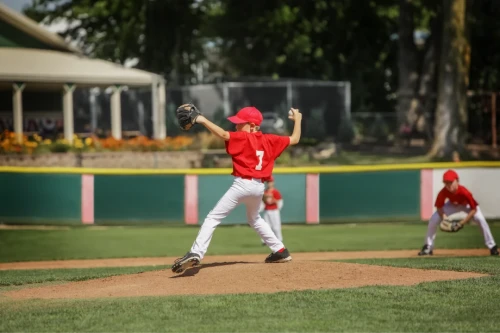
When it comes to developing young pitchers, incorporating advanced pitching techniques at an early stage can be a game-changer. Most importantly, it establishes a robust foundation that these young players can build on as they grow and progress. These techniques not only help in improving their skills but also equip them for more competitive levels of the game.
Creating a Solid Base
For budding pitchers, learning and applying advanced methods is akin to erecting a building on a robust base. If the foundation is weak, the building is at risk of collapsing. Similarly, in pitching, mastering the fundamentals and slowly adding advanced techniques guarantees that the pitcher is ready for whatever comes their way.
The Advantages of Starting Advanced Techniques Early
There are many advantages to starting advanced pitching techniques at a young age. The first advantage is that it allows pitchers to develop the muscle memory needed for correct pitching mechanics, which is vital for their future success. The second advantage is that it helps pitchers better understand the game and adapt to different situations during a game. The last advantage is that it gives them a confidence boost as they gain a competitive edge over their peers.
Long-Lasting Performance Benefits
In addition to the instant perks, advanced pitching techniques provide long-lasting benefits. As young pitchers mature and sharpen their skills, they find themselves better prepared to deal with the demands of more advanced competitions. This not only boosts their performance but also minimizes the chance of injuries, as they have already learned the right techniques and mechanics.
For instance, a young pitcher who understands the significance of balance and follow-through in their pitching motion is likely to have fewer arm injuries than those who don’t pay attention to these elements.
Understanding the Basics of Advanced Pitching Techniques
Both pitchers and their coaches need to understand the basic components of advanced pitching techniques. By mastering these techniques, young pitchers can greatly enhance their skills and performance during games. For more insights, check out these youth pitching tips and drills.
Let’s take a closer look at these elements and see how they can help a pitcher succeed. For those interested in learning more about pitching, check out these youth pitching tips and drills.
Understanding the Different Types of Pitches
What makes pitching so thrilling is the wide range of pitches a player can master. From fastballs and curveballs to sliders and changeups, the list goes on. Each one of these pitches requires a unique grip, arm angle, and release point. If a young pitcher can get a handle on these, they’ll have a leg up on the competition.
It’s important for young pitchers to master the basics, like the four-seam fastball, before moving on to more advanced pitches. This way, they have a solid understanding of the basic mechanics before they start playing around with different grips and spins.

The Significance of Correct Techniques
Correct pitching techniques are crucial for any pitcher who wants to succeed. They not only improve performance but also prevent injuries. As a result, young pitchers should concentrate on maintaining a consistent pitching motion, from the wind-up to the follow-through.
Balance, stride length, and arm angle are all critical components of good pitching mechanics. Focusing on these elements can help pitchers increase their speed and precision while reducing the likelihood of injury.
Adjusting Tactics According to Game Circumstances
Advanced pitching is about more than just physical skill; it’s also about tactics. Young pitchers need to learn how to adjust their pitching style to suit the circumstances of the game. This involves understanding the strengths and weaknesses of the opposing batters and choosing their pitches accordingly.
For example, a pitcher may decide to throw a fastball when up against a batter who is known to have difficulty with fast pitches. Conversely, a changeup might be a better choice when facing a power hitter who is good at hitting fastballs.
Helpful Tips for Coaching Young Pitchers
Coaching young athletes to master advanced pitching techniques demands patience, consistency, and a well-planned strategy. Here are some helpful tips for coaches and parents to assist young pitchers on their path to mastering these skills.
The Importance of Regular Practice
Mastering advanced pitching techniques is all about regular practice. Just like learning to play an instrument, pitching requires repeated practice to build muscle memory and improve performance. Young pitchers should aim to practice regularly, focusing on different aspects of their pitching mechanics each time.
Furthermore, diversifying practice is critical. Rather than doing the same drill repeatedly, include a variety of exercises that focus on different aspects of pitching, like balance, arm strength, and precision. This makes practice more interesting and aids pitchers in developing a comprehensive set of skills.

Understanding and Applying Advice
Advice is critical for young pitchers who are working to enhance their skills. Coaches and teammates can offer perspectives that a pitcher may not see on their own. It’s crucial for young athletes to understand this advice and be willing to make changes in their technique.
After you get feedback, the next thing to do is to put it into action. This involves using the tips you’ve been given while you’re practicing. As time goes on, these little tweaks can lead to big changes in how well a pitcher does.
Building Mental Resilience
When it comes to pitching, mental resilience is just as critical as physical prowess, yet it’s frequently neglected. Young pitchers must learn how to remain cool and collected under high-stress situations. This includes developing techniques to handle stress and keep their focus during matches.
Building mental toughness can be achieved through visualization techniques. Pitchers can picture themselves on the mound, executing perfect pitches and dealing with difficult situations before they even step foot on the field. This mental practice can increase their confidence and get them ready for actual game situations.
Combining Strength and Conditioning
Strength and conditioning are essential elements in the development of a pitcher. By including workouts that focus on the muscles used in pitching, young players can enhance their speed, stamina, and overall performance. Strength training also aids in injury prevention by ensuring that the body is adequately equipped to manage the physical requirements of pitching.
A pitcher’s training routine should include exercises like resistance band workouts, plyometrics, and core strengthening. Not only do these exercises improve physical abilities, but they also contribute to a pitcher’s overall athleticism. For more insights, check out this guide on how to become a baseball player.
Keeping Fit and Avoiding Harm
For budding pitchers, it’s crucial to stay fit and avoid injuries. Pitching puts a lot of strain on the arm, shoulder, and elbow, so preventing injuries is a top concern. By concentrating on the right techniques and keeping a balanced training schedule, young pitchers can reduce their chances of getting hurt.
It’s not all about technique. Rest is key. Overuse is a common cause of injuries in young athletes, so it’s important to ensure they have adequate time to recover between games and practice sessions. For more insights on maintaining a healthy balance in training, check out this guide on coaching young athletes.
Importance of Warming Up and Cooling Down
Warming up and cooling down are critical for avoiding injuries. The warm-up gets the muscles and joints ready for the rigors of pitching, and the cool-down helps with recovery and lessens muscle stiffness.
Every practice or game should start with dynamic stretching and light cardio exercises for young pitchers. They should then cool down with static stretching and gentle movements to help their bodies transition to a resting state. For more insights on improving pitching skills, check out these youth pitching tips.
The Significance of Sufficient Rest and Recuperation
Rest and recuperation are just as critical as training. Without sufficient rest, young pitchers run the risk of injuries from overuse and exhaustion. As a result, it’s crucial to create a schedule that includes days off and restrictions on the number of pitches.

Urging pitchers to pay attention to their bodies and take time off when necessary can avert lasting harm and guarantee they stay in good health throughout their careers.
Identifying and Dealing with Common Areas of Pain
It’s important to notice early indications of pain or discomfort to avoid serious injuries. Young pitchers need to be taught about common areas of pain like the elbow, shoulder, and lower back, and should be encouraged to voice any discomfort they may be feeling.
It is crucial for coaches and parents to keep an eye on young athletes for any indications of injury. If the pain continues, it’s necessary to get medical attention as soon as possible to avoid additional harm.
- Stress the importance of sharing any feelings of pain or discomfort.
- Keep track of the number of pitches and make sure there is enough rest time between sessions.
- Concentrate on the right mechanics to lessen the strain on the body.
By adhering to these suggestions, young pitchers can have a successful and healthy baseball career.
Wrapping Up: Nurturing Youth Pitchers with Advanced Techniques
Equipping young pitchers with advanced techniques is an enriching journey that calls for commitment, patience, and a tactical approach. By zooming in on the fundamental aspects of pitching, encouraging regular practice, and putting health and safety first, we can aid young sportspeople in realizing their maximum potential. For more insights, check out these youth pitching tips and drills.
Once they have these skills down, young pitchers will not only get better at their game but also grow more confident and resilient, whether they’re on the field or off.
Conclusion on Mastery and Growth
Mastering pitching is a process, not an end goal. It demands ongoing learning, adjustment, and development. By instilling these values in young pitchers, we are preparing them for success, not only in baseball but in life. For more insights, explore our guide on coaching kids to become pro players.
Urge them to take on challenges, learn from their mistakes, and applaud their accomplishments. With the appropriate encouragement and advice, young pitchers can accomplish amazing things and develop a lifelong passion for the game.
Commonly Asked Questions
- What are the advantages of teaching advanced techniques to young pitchers?
- How frequently should a young pitcher practice advanced techniques?
- When should a pitcher start learning different pitch types?
- What is the role of a coach in developing a young pitcher’s skills?
- How can young pitchers enhance their mental game?
- What are the symptoms of overuse injuries in young pitchers?
- How does strength training help a young pitcher?
- What are the safe pitch limits for young pitchers to prevent injury?
What are the advantages of teaching advanced techniques to young pitchers?
Teaching advanced techniques to young pitchers has many advantages that go beyond just enhancing their pitching skills. First, it aids in the development of a solid foundation for correct pitching mechanics, which is critical for minimizing the chance of injuries. Second, young pitchers gain a more thorough understanding of the game, enabling them to make tactical decisions on the mound. In addition, mastering advanced techniques boosts their confidence, as they feel more prepared and capable of handling competitive situations.
Additionally, mastering these techniques at an early age can give young pitchers an advantage over their peers because they have a wider range of pitches and strategies they can use. This not only improves their performance but also makes them more valuable team players.
Ultimately, advanced techniques instill discipline and a strong work ethic in young pitchers. The process of learning and perfecting these skills requires dedication, patience, and perseverance, qualities that are beneficial both on and off the field.
What is the recommended frequency for young pitchers to practice advanced techniques?
It is recommended that young pitchers practice advanced techniques on a regular basis to strengthen their muscle memory and enhance their skills. They should aim to have multiple practice sessions each week, with each session focusing on different aspects of their pitching mechanics. It is crucial to find a balance between practicing and resting to ensure that the pitchers have ample time to recover and prevent overuse injuries. For more insights, check out this guide on coaching kids to become better players.
When is the right time for a pitcher to start learning different types of pitches?
The right time for learning different types of pitches can be different for each pitcher, depending on their development and skill level. Usually, young pitchers can start to learn different types of pitches when they are around 10 to 12 years old, after they have learned the basic pitching mechanics. It is important to introduce new pitches slowly and make sure that the pitcher is comfortable with their mechanics before they start learning more complicated pitches.
How do coaches assist in the development of young pitchers’ abilities?
Coaches are essential in the development of young pitchers’ abilities, providing direction, feedback, and encouragement. They assist pitchers in learning and applying correct mechanics, developing strategic thinking, and increasing self-assurance. Coaches also devise structured practice plans that focus on areas needing improvement and track the pitcher’s progress over time.
What can young pitchers do to strengthen their mental game?
Strengthening the mental game is an important aspect of a young pitcher’s development, as it enables them to remain concentrated and composed under stress. Techniques such as visualization, positive self-talk, and mindfulness can help a pitcher become mentally stronger. Encouraging young athletes to set goals, rise to challenges, and learn from their mistakes also helps their mental growth.
How can you tell if a young pitcher is suffering from overuse injuries?
When a young pitcher is suffering from overuse injuries, they often experience ongoing pain or discomfort in their arm, shoulder, or elbow. Other symptoms can include a drop in performance, feeling tired, and struggling to throw pitches. Coaches and parents should keep an eye out for these signs and take steps to address them if they appear, such as lowering the number of pitches or getting medical help. For more tips on coaching young athletes, check out our guide on coaching kids to become pro players.
Furthermore, it’s crucial to teach young pitchers to speak up about any pain or discomfort they’re feeling as soon as possible. This can help prevent these minor issues from turning into major injuries.
- Constant discomfort in the arm or shoulder
- Exhaustion and reduced performance
- Struggling to make pitches
What are the advantages of strength training for a young pitcher?
Strength training is beneficial for young pitchers because it boosts their overall athleticism, speed, and stamina. Strength training focuses on the muscles used in pitching to increase a pitcher’s strength and control. It also helps to avoid injuries by ensuring that the body is ready for the physical strain of pitching.
Adding workouts like resistance band training, plyometrics, and core strengthening to a pitcher’s training routine can drastically enhance their mound performance. For more tips on improving pitching skills, check out these youth pitching tips and drills.
How many pitches can a young pitcher throw safely without getting injured?
The number of pitches a young pitcher can safely throw without getting injured depends on their age and skill level. It’s crucial to adhere to the guidelines and recommendations set forth by organizations such as Little League Baseball. These guidelines usually specify the maximum number of pitches per game and week, as well as the recommended rest periods between pitching sessions. For more detailed tips, check out these youth pitching tips and drills.
Developing young pitchers requires a focus on both physical and mental aspects of the game. Coaches should emphasize proper mechanics, arm care, and mental toughness. Additionally, incorporating indoor baseball drills can be beneficial for improving their skills during the off-season or in adverse weather conditions. These drills not only help in refining their techniques but also in maintaining their fitness levels.

Leave a Reply