Baseball is not just a game; it’s an experience that instills discipline, collaboration, and perseverance. Whether you’re a budding player or a coach aiming to motivate, knowing the route to becoming a baseball player is vital. Let’s explore the key components that lead to triumph on the diamond.
Main Points
- Start early and develop basic skills through youth baseball programs.
- Coaching is crucial in developing a player’s skills and confidence.
- Consistent practice and commitment are essential to improve batting, pitching, and fielding.
- Understanding the different baseball levels aids in career planning.
- Combining fun with skill development ensures a satisfying baseball experience.
The Path to Becoming a Baseball Player
The path to becoming a baseball player begins with a love for the game. It’s not just about hitting home runs or striking out batters; it’s about growing as a player and as a person. Most importantly, it requires commitment, practice, and guidance from experienced coaches.
What it Means to Coach Youth Baseball
Coaching youth baseball is the lifeblood of player advancement. Coaches act as role models who steer young players in mastering the basics of the game and honing their abilities. They foster a supportive atmosphere where players can discover their capabilities and gain self-assurance.
Coaches need to concentrate on teaching the basics, such as the correct stance for batting, the mechanics of throwing, and the techniques for fielding. They also need to stress the importance of teamwork and sportsmanship, as these values are key to the sport itself and to personal development.
The Significance of Improving Skills and Training
Improving skills is the key to becoming a successful baseball player. Regular practice sessions help players to sharpen their abilities and work on their weak points. Coaches can create drills that focus on certain skills, such as:
- Swing and hand-eye coordination improvement through batting drills.
- Accuracy and velocity enhancement through pitching exercises.
- Quick reflexes and agility development through fielding practice.
Training should be fun and structured, pushing players to their limits while they enjoy the process. Remember, consistency in training is the key to gradual improvement and success. For more on developing defensive skills, explore these baseball infield fielding drills.
Coaching Kids: Laying the Groundwork
When it comes to coaching kids, it’s not just about teaching them the rules of the game. It’s about laying the groundwork for the skills they’ll need throughout their baseball career. Let’s look at how to start with the basics and create practice sessions that really work.

Getting Started with Baseball Basics
When teaching children about baseball, it’s best to start with the basics. Break down the rules of the game into easy-to-understand terms and show them how to throw, catch, and hit. Keep them interested and eager to learn by incorporating fun games and activities.
For instance, a basic game of catch can instruct kids on the correct way to hold and toss a baseball. Inspire them to train frequently, underlining that enhancement comes with time and dedication.
Planning Productive Practices
One of the most important aspects of player development is planning productive practices. It’s crucial to begin each practice with a warm-up to help prevent injuries and to get players ready for more strenuous activities. After warming up, concentrate on the specific skills that need to be improved, such as infield fielding drills.
Keep practices interesting and lively by including a range of drills. Change up the activities so that players can work on different skills during each practice. Most importantly, give them helpful feedback and encouragement to help them improve.
Instilling the Values of Teamwork and Sportsmanship
Baseball is a sport that requires a team effort, and it’s essential to teach kids the importance of teamwork. Encourage them to communicate well with their teammates and to support each other, both on the field and off. Emphasize the importance of good sportsmanship, including respecting their opponents and gracefully accepting the results of the game.
Moreover, set up activities that help to build the team spirit and create a positive atmosphere within the team. If players can get along and work well with each other, they are more likely to achieve success and have fun playing the game.
Handling Game Circumstances
Once players have gained some experience, start introducing them to different game circumstances. Show them how to make snap decisions, like when to steal a base or try for a double play. Use scrimmage games to mimic real game conditions and help players use their skills in a competitive environment.
Coaches should also concentrate on strategy and tactics, teaching players about different plays and formations. This understanding will provide them with a competitive advantage and increase their confidence during real games.
Coming up, we’ll be taking a more detailed look at the crucial skills that every budding baseball player needs to have, including how to get better at batting, pitching, and fielding. So, don’t go anywhere because we’ve got plenty more tips and tricks to help you become a master of the baseball diamond.
Perfecting the Art of Pitching
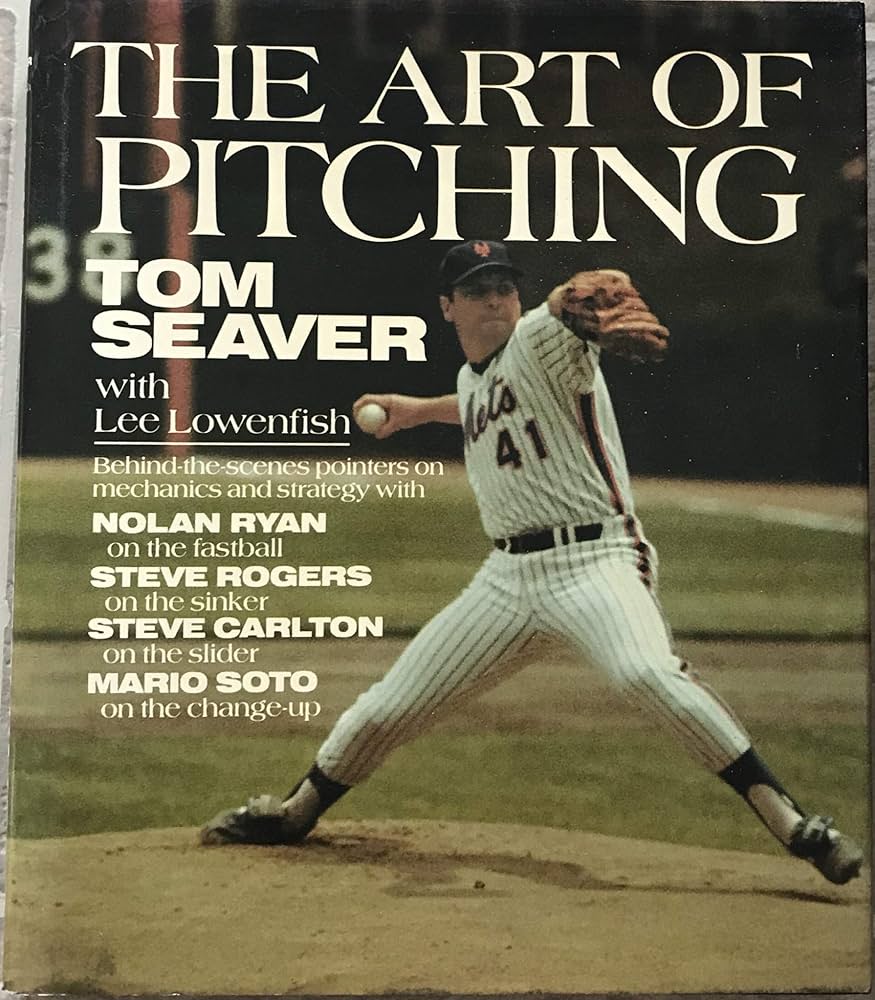
In baseball, pitching is a key skill that demands accuracy and control. To perfect their pitching mechanics, players need to concentrate on the right grip, stance, and delivery. A good grip makes sure the ball is thrown accurately, while the stance gives stability and strength.
It’s important for players to regularly work on their wind-up and follow-through, as these are key components of a good pitch. Coaches can assist by breaking down a player’s form and providing tailored advice. As the old saying goes, practice makes perfect, and with consistent effort, you’re sure to get better.
Catching and Throwing Tips
Defensive skills are a key part of baseball, as they contribute to the team’s overall defense. To get better at catching and throwing, players need to work on their speed and flexibility. Regular practice of catching and throwing drills will help them respond faster in a game.
It’s important for coaches to teach players about different defensive plays, like double plays and cut-off throws. Knowing these strategies will help players make smart choices during games, which will make them better players overall. Coaches can utilize infield fielding drills to enhance these skills in young athletes.
Also, talking is important in defense. Players need to learn to talk well with their teammates, making sure everyone works together during plays. Regular practice games can help make it feel like a real game, which lets players use their skills and strategies in a game-like setting.
Improving Quickness and Nimbleness
Being quick and nimble is key to being a good baseball player because it allows players to move around the field quickly and respond to what’s happening in the game. To improve these skills, players should do drills that involve running fast, moving side to side, and changing direction quickly.
Speed and agility are two crucial components of a successful baseball player. Some of the best ways to improve these skills are through agility ladders, cone drills, and shuttle runs. Coaches should encourage their players to include these exercises in their regular training regimen, as they can provide a significant advantage on the field.
How to Become a Professional Baseball Player
- Gain experience and improve your skills by participating in youth leagues.
- Learn from seasoned coaches by attending baseball camps and clinics.
- Showcase your talent and gain exposure by joining high school and college teams.
- Gain professional experience by considering playing in minor leagues.
- Stay committed to training and continuously improving your skills.
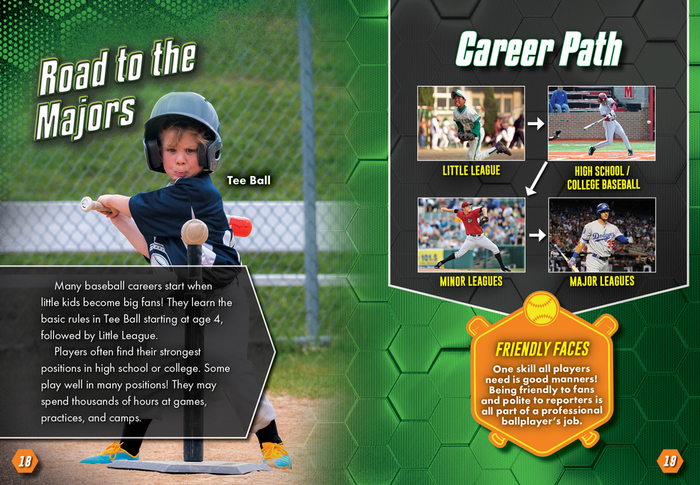
Knowing how to become a professional baseball player means understanding the different levels of play. Players usually start in youth leagues where they learn the fundamentals and hone their skills. As they advance, they may join high school and college teams, which provide opportunities for talent showcasing and exposure.
Attending baseball camps and clinics can also be advantageous, as they provide players with the opportunity to learn from seasoned coaches and enhance their abilities. Players need to stay committed to their training, as it is through regular effort that they can reach the professional level.

Grasping the Various Levels of Baseball
Baseball is organized into a number of different levels, each presenting its own set of challenges and opportunities. Youth leagues are the bedrock of this structure, where players are introduced to the basics of the game and begin honing their skills. High school and college teams provide a stage for players to show off their abilities and get noticed.
If you’re shooting for the big leagues, playing in the minors can provide some much-needed practice and skill refinement. Knowing the ins and outs of these leagues can help you set achievable goals and map out your path to baseball success. For those looking to improve their skills, exploring mental toughness in baseball can be a game-changer.
Elite training programs aim to increase strength, stamina, and skills specific to baseball. Strength training helps build power and decrease the chance of injury, while stamina exercises increase endurance. Drills that focus on specific baseball skills, like batting practice and fielding exercises, assist players in honing their abilities.
It’s essential for coaches to create all-inclusive training plans that are tailored to each player’s unique needs. This guarantees that players receive the mentoring and encouragement they need to succeed. Regular check-ins can assist in monitoring progress and pinpointing areas that need work.
The Role of Showcases and Exposure
For those looking to make it to the big leagues, getting your name and skills out there is key. Scouts and recruiters are more likely to notice you if you’re playing in showcases and tournaments, where you can strut your stuff and make a name for yourself.
Players might also want to think about putting together highlight reels that show off their skills and accomplishments. These can be shown to coaches and scouts, increasing their visibility and improving their chances of being recruited.
Understanding College Recruitment
College recruitment is an important phase in a player’s path to the major leagues. To make it through this phase, players should look into potential colleges and make contact with their coaches. Establishing a connection with college coaches can boost the chances of recruitment and offer helpful information about the college baseball scene.
Keeping your grades up is also important, because it shows you’re disciplined and dedicated. Juggling schoolwork with sports can be tough, but it’s important if you want to get recruited by a college team.
The Ups and Downs of Pursuing a Baseball Career
Choosing baseball as a career is a path filled with both trials and triumphs. Players will have to face hurdles like injuries, fierce competition, and the constant pressure to excel. Despite these, the thrill of playing the sport at a professional level and the fulfillment of realizing one’s dreams make the entire journey worth it. For those looking to enhance their mental resilience, exploring mental toughness techniques can be a game-changer.
Conquering Typical Hurdles
Baseball players often grapple with injuries, competition, and the stress of performance. To tackle these hurdles, they must prioritize their physical health, build mental toughness, and lean on their coaches and teammates for support.
Through appropriate conditioning and rehabilitation, injuries can be taken care of. Competition should be viewed as a chance to improve. Having mental resilience allows players to remain concentrated and driven, even in tough times.
The Perks of Going Pro
Going pro in baseball is a thrilling adventure, filled with intense competition, the bonding of a team, and the chance to be a role model for others. It’s a dream come true for many, and being able to make a living doing what you love is an amazing feeling.
Although the path to becoming a professional baseball player is difficult, the benefits make it worth the effort. With commitment, determination, and the right mentorship, hopeful players can make their dreams come true.
Final Thoughts
Embarking on the journey to become a baseball player is no easy feat. It is a path filled with ups and downs, requiring a steadfast commitment, resilience, and a deep love for the game. Starting at a young age and honing fundamental skills can set players on a trajectory towards success. Coaches are instrumental in guiding and motivating players, aiding in the development of their skills, and nurturing their passion for baseball. Whether your goal is to play professionally or simply to revel in the joy of the game, the life lessons gained on the diamond are priceless and enduring. For those looking to improve their skills, exploring indoor baseball drills can be a great starting point.
Wrapping Up on Coaching and Playing Baseball
Coaching and playing baseball are two sides of the same coin. As a coach, you have the opportunity to motivate and mentor young athletes, creating a nurturing space for them to learn and excel. As a player, facing the trials and triumphs of the game will lead to personal and athletic growth. Baseball instills discipline, teamwork, and resilience—traits that serve players well both on and off the diamond. Remember, the journey is as important as the end goal, and the life lessons learned through baseball are what make it truly enriching.
Common Questions
When should children begin playing baseball?
Children can begin playing baseball as young as 4 or 5 years old. At this age, they can participate in T-ball leagues, which offer a fun and exciting introduction to the basic rules and skills of the game. Starting at a young age allows kids to build fundamental skills and develop a passion for the sport.
“T-ball is an excellent method for children to grasp the basics of baseball in a nurturing and non-competitive setting.”
As kids grow up, they can move on to more advanced leagues like Little League and youth baseball teams, where they can continue to grow their skills and understanding of the game.
What is the recommended practice frequency for young players?
Young players should strive to practice baseball a minimum of 2 to 3 times a week. Regular practice is key to solidifying skills and enhancing performance. However, it’s crucial to strike a balance between practice, rest, and other activities to avoid burnout and keep the sport enjoyable.
How can I motivate my child in sports?
When it comes to motivating your child in sports, you want to create a positive and supportive environment. Help them set goals that are within their reach and celebrate their progress. Give them constructive feedback and prioritize effort over results. Above all, make sure they’re having fun and enjoying the game.
What’s the best way for a coach to balance fun and skill development?
A coach can balance fun and skill development by being creative and flexible. They should include games and activities that teach skills in a fun way. They should also change up the drills to keep practices interesting and dynamic. They should promote teamwork and friendly competition, and always put the players’ enjoyment and growth before winning.
What makes a baseball player successful?
There are several key qualities that a successful baseball player will have, including mastering youth baseball hitting techniques.
- Strong work ethic and dedication to practice.
- Excellent hand-eye coordination and agility.
- Ability to work well in a team and communicate effectively.
- Mental toughness and resilience under pressure.
- Passion for the game and a positive attitude.
When should a player consider pursuing baseball professionally?
- When they have consistently excelled in high school and college baseball.
- When they have received interest or offers from scouts or professional teams.
- When they are committed to rigorous training and development.
- When they have the support of coaches and mentors who believe in their potential.
Deciding to pursue baseball professionally is a significant commitment and should be considered carefully. Players should assess their skills, dedication, and passion for the game before making this decision.
Are there scholarships for young baseball players?
Yes, there are many scholarships for young baseball players, particularly those who want to play at the college level. Many colleges and universities offer athletic scholarships to skilled players. In addition, organizations like Little League and the Baseball Tomorrow Fund offer financial aid to young athletes.
What can parents do to help their kids in sports?
Parents can help their kids in sports by being involved and supportive. Go to games and practices, provide rides, and celebrate accomplishments. Give emotional support and help kids balance sports with school and other activities. Keep in mind, your excitement and support can greatly affect your child’s fun and success in sports.
Baseball is not just a game, it’s a path of development and education. As a player, coach, or parent, you play an important role in shaping the experience and future of young athletes. Welcome the difficulties and celebrate the wins, and you’ll discover that the lessons learned on the baseball field go well beyond the game itself.

Leave a Reply