Summary
Building strong lower body mechanics is crucial for improving pitching speed and accuracy.
Correct lower body development minimizes the risk of injuries, particularly in the shoulder and elbow.
Workouts such as squats, lunges, and plyometric drills are essential for strengthening a youth pitcher’s lower body.
Effective pitching methods, including the right grip and a consistent delivery, boost performance.
Frequent practice and technique refinement are needed for young pitchers to progress and excel.
The Importance of Lower Body Development for Youth Pitchers
Lower body development is a game changer for youth pitchers. It’s not just about throwing the ball quickly, it’s about doing it efficiently and safely. Many young athletes neglect the importance of their legs, focusing instead on arm strength. But the reality is, the power of a pitch comes from the ground up.
Effects on Speed and Accuracy
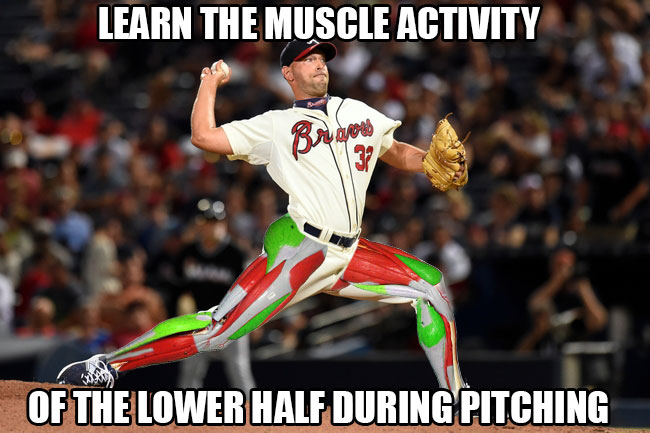
If a pitcher uses their lower body efficiently, they can substantially boost their speed. The legs and hips create power that moves from the core to the arm. This domino effect not only increases velocity but also enhances accuracy. Picture attempting to throw a ball without employing your legs; it would be far less forceful and exact.
In addition, a well-coordinated lower body movement helps maintain balance and stability on the mound. This stability allows pitchers to repeat their delivery consistently, which is crucial for control. Consistent mechanics lead to more strikes and fewer walks, making the pitcher more effective.
Avoiding Injuries
For young pitchers, injuries can be a major hindrance, but good lower body mechanics can help avoid them. When pitchers use their legs and hips to generate power, it puts less stress on the arm, especially the shoulder and elbow joints. This decrease in arm strain helps reduce the likelihood of common pitching injuries.
In addition, good lower body mechanics aid in maintaining proper body alignment during the pitch. This alignment helps distribute the forces of pitching evenly across the body, which can help prevent injuries. So, building lower body strength isn’t just about improving performance—it’s also about staying in the game longer.
Laying the Groundwork
For any young athlete, it’s crucial to start with a solid foundation. In the case of pitchers, this involves cultivating a robust lower body and mastering the basic mechanics. This groundwork enables them to learn and refine more complex skills as they advance. It’s akin to erecting a building; a sturdy base is necessary to uphold everything that follows.
Young pitchers who concentrate on developing their lower bodies from the start are setting themselves up for success. They learn how to use their whole body to their advantage, resulting in more powerful and efficient pitches. This foundation also makes it easier for them to add more complex techniques as they continue to play and grow in the sport.
Lower Body Workouts That Work for Youth Pitchers
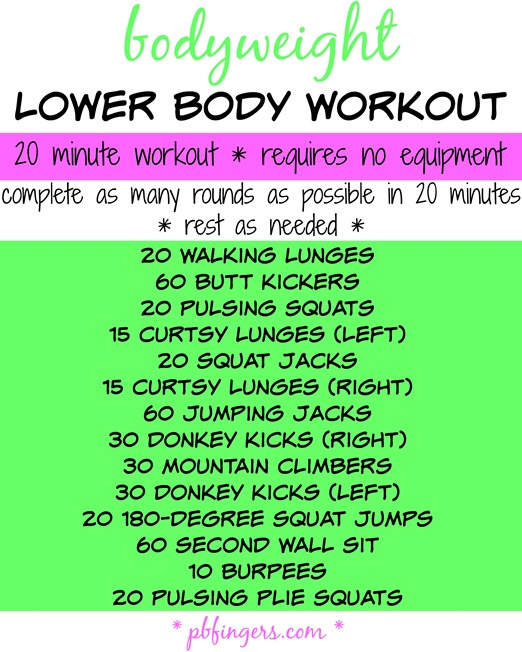
Young pitchers looking to strengthen their lower body should focus on exercises that target the legs and hips. These exercises help build the explosive power and stability they need for successful pitching. Here are some of the best exercises for young pitchers.
Lunges and Squats
Lunges and squats are basic exercises for developing strength in the lower body. They work the hamstrings, quadriceps, and glutes, which are key muscles for producing force in a pitch. These exercises also enhance coordination and balance, which are vital for keeping correct mechanics on the mound.
When doing squats, good form is key. Your feet should be shoulder-width apart, your chest should be up, and your back should be straight. Lower your body as if you were sitting down in a chair, and make sure your knees don’t go past your toes. For lunges, step forward with one foot and lower your hips until both knees are bent at a 90-degree angle. Make sure to switch legs so you get an even workout. To enhance your performance, focus on leg strength as it plays a crucial role in effective pitching.
Building Strength with Calf Raises and Stability Workouts
Though they may seem basic, calf raises are a great way to build strength in your lower legs. This strength can then translate into better push-off power from the mound, which can help you throw faster. To do a calf raise, stand with your feet hip-width apart, then slowly rise up onto your toes and lower back down.
Balance exercises, like standing on one leg or using a balance board, are also important. They help a pitcher improve their ability to stay balanced throughout the pitching motion. These exercises work the muscles that help you stay stable, which are important for controlling body movements and preventing falls or stumbles. For more insights on enhancing stability and control, check out these coaching tips for young players.
Explosive Plyometric Drills
Explosive plyometric drills are designed to develop power and speed. These exercises involve fast, forceful movements that resemble the explosive nature of pitching. Box jumps, jump squats, and lateral bounds are great plyometric exercises for young pitchers.
These exercises not only increase power but also enhance the pitcher’s capacity to effectively channel energy from the lower body to the upper body. This energy channeling is key to maximizing pitching speed and efficiency. As with any workout, correct form and technique are essential to avoid injuries and get the most out of the exercise.
Why the Arm Path Matters
The arm path is crucial to good pitching mechanics. It’s the path the arm takes from the beginning of the windup to the release of the ball. A smooth, efficient arm path lets pitchers throw the ball as fast and accurately as possible, while also reducing strain on the shoulder and elbow.
Young pitchers need to keep their arm movements relaxed to achieve an efficient arm path. If their arm is tense, they are more likely to throw the ball inconsistently and injure themselves. Coaches should concentrate on drills that encourage a free arm swing, making sure that the hand remains behind the ball and completes the movement correctly after letting go of the ball.
Building a Reliable Pitching Technique
When it comes to pitching, being consistent is crucial. A reliable pitching technique involves repeating the same movements each time. This leads to more strikes and fewer walks. To accomplish this, pitchers need to develop muscle memory through repetition and practice.
Here are some tips for young pitchers:
Begin in a balanced position on the mound, with your feet shoulder-width apart.
Make sure to transition smoothly from the windup to the stride, keeping your eyes on the target.
Keep a strong front leg to brace against, which aids in transferring energy through the pitch.
Follow through all the way, with your throwing hand ending near your opposite knee.
These steps help pitchers keep their mechanics and deliver the ball effectively. Regular practice of these elements will help ingrain them into the pitcher’s routine, resulting in a more consistent performance on the field.
Exercises to Boost Lower Body Techniques
Boosting lower body techniques is crucial for youth pitchers who want to improve their performance. Certain exercises can assist young athletes in building the strength, balance, and coordination necessary to successfully deliver pitches.
Adding these drills to regular practice can greatly improve a pitcher’s ability to use their lower body effectively. Let’s look at some of the best drills to improve these mechanics.
3X Before Front Foot Strike Drill
The 3X Before Front Foot Strike Drill is a technique that instructs pitchers on using their lower body to create power. The drill is centered around the timing and coordination needed to throw a successful pitch. It underscores the significance of the front foot strike in the pitching process.
This drill begins with a balanced stance and three quick steps forward, with the focus on landing with the front foot firmly planted. This action is similar to the stride phase of pitching and helps pitchers understand how to use their legs to propel the pitch forward.
Exercises for Crossover Steps
Exercises for Crossover Steps are fantastic for enhancing a pitcher’s coordination and leg power. These exercises require one leg to cross over the body, which aids in balance development and effective weight transfer during a pitch.
Start off by standing with your feet close together. Then, step forward and across your body with your right foot, and then bring your left foot to meet it. Do this repeatedly, switching feet each time. This exercise helps pitchers improve their agility and stability, which are key to maintaining good pitching mechanics.
How to Strengthen Your Core
For pitchers, having a strong core is essential because it connects the lower body to the upper body. A strong core guarantees that the energy created by the legs is efficiently transferred through the torso and into the arm.
Planks, Russian twists, and medicine ball throws are all great exercises for developing core strength. They work the abs and obliques, helping the pitcher to stay balanced and in control during the pitching motion.
Advice for Training Young Pitchers
Training young pitchers demands a calm demeanor, a well of knowledge, and a knack for motivating young players. As a trainer, your job is to help them hone their talents and nurture their passion for the sport. Here are a few pointers to assist you in performing this task effectively.
Boosting Confidence and Concentration
Confidence is a key to a pitcher’s success. Encourage your players by emphasizing their strengths and acknowledging their improvements. Use positive reinforcement to boost their self-confidence, and remind them that errors are part of the learning process.
Teaching the Importance of Patience and Discipline
Pitching is a skill that requires both discipline and patience. It’s essential to help your players understand that they won’t see improvements overnight. It requires time and consistent practice. Encourage them to set achievable goals and to work towards them consistently. This mindset will not only help them on the field but also in other areas of their life. For more insights, explore coaching tips for young players.
Tracking Development and Modifying Approaches
Consistently evaluate your players’ development and offer positive criticism. Utilize video analysis to assist them in visualizing their techniques and pinpointing areas that need improvement. Be willing to modify approaches based on each player’s individual strengths and weaknesses.
Creating a positive and encouraging environment can enable young pitchers to hone their abilities and achieve their maximum potential. Bear in mind, your impact as a coach goes beyond the game, molding their character and work ethic for the future.
Wrapping Up Thoughts on the Development of Youth Pitchers
Helping a young pitcher grow is a journey that is both difficult and fulfilling. By emphasizing the development of the lower body, efficient pitching techniques, and supportive coaching, you can guide your athletes towards victory. These basic skills don’t just improve their performance on the mound, they also give them important life skills like discipline, persistence, and teamwork.
Merging Techniques and Development
It’s essential for young athletes to combine lower body techniques with their overall pitching development. When pitchers learn to merge strength, mechanics, and mental focus, they form a complete approach to pitching. This merging allows them to perform at their peak and adjust to varying game situations.
By paying equal attention to the physical and mental game, young pitchers can build resilience and learn to handle pressure. This all-around development will prepare them for the challenges they’ll face as they move up the ranks in baseball. For more insights, check out this article on youth pitching mechanics and drills.
Skills That Last a Lifetime
Learning to pitch doesn’t just benefit a young person on the baseball field. The discipline, focus, and teamwork that come from pitching can be applied to many other aspects of life. Whether it’s in school, other sports, or their future careers, these skills are critical for success.
Young athletes can develop a strong work ethic and a positive attitude towards challenges by learning from their experiences in pitching. These are skills they will use for the rest of their lives, and they will help them become well-rounded individuals who can achieve their goals in any area. For more insights, explore young player development coaching tips.
Common Questions
Parents and coaches tend to have a lot of questions about how to best develop young pitchers. Here are some of the most frequently asked questions and their answers to help you better support your athlete.
Grasping these critical points can assist you in making educated choices about training and development for young pitchers.
At what age should young pitchers start training their lower body?
Young pitchers can start training their lower body when they are about 8 to 10 years old, with a focus on simple exercises that help them develop coordination and balance. As they get older, they can start doing more advanced strength training, but always with a focus on maintaining good form and technique.
It’s crucial to adapt the training to the individual athlete’s maturity and physical development, slowly ramping up the intensity as they advance. For more tailored approaches, consider exploring tailored training for different age groups.
How frequently should youth pitchers rehearse their drills?
Youth pitchers should rehearse their drills roughly 2 to 3 times weekly, ensuring sufficient rest and recuperation. Regularity is vital, but it’s also essential to prevent overexertion, which can result in exhaustion or harm.
What are some frequent errors made by young pitchers?
Regular errors include depending too much on arm power, disregarding lower body techniques, and failing to keep a consistent delivery. Coaches should concentrate on instructing correct form and motivating pitchers to use their whole body when pitching.
Is it true that lower body strength can help prevent injuries in pitchers?
Indeed, lower body strength is crucial in preventing injuries. When pitchers generate power from their legs and hips, they are able to reduce the strain on their arms, especially the shoulder and elbow joints. This transition in power generation helps shield against typical pitching injuries. For more insights, you can explore the importance of focusing on leg strength to enhance performance and reduce arm strain.
Furthermore, a strong lower body can help with overall body alignment, which can reduce the risk of injury.
How can I tell if my pitching mechanics need to be better?
Indications that pitching mechanics need to be better are inconsistent performance, often feeling sore or in pain, and having trouble keeping control. Video analysis can be a helpful tool for spotting mechanical mistakes and areas to make better. For tailored training, consider exploring coaching strategies for different age groups.
It’s also beneficial to seek advice from an experienced coach or trainer, as they can offer helpful tips and direction for improving your technique.
How important is flexibility in pitching?
Flexibility is crucial for pitchers because it permits a complete range of movement and aids in the prevention of injuries. The ability to perform their mechanics smoothly and effectively is made possible by flexible muscles and joints, resulting in improved performance.
Adding regular stretching and mobility workouts to a training routine can increase flexibility and aid in overall pitching development.
Youth pitchers must focus on developing their lower body to enhance their pitching performance. Proper training can significantly improve strength and stability, which are crucial for executing powerful and precise pitches. For more insights, check out this article on training the lower body for youth pitching.

Leave a Reply