Main Points
- Improving bat control is essential for 12 year olds to enhance their hitting skills.
- Using a tee can help build strength and increase hitting power.
- Infield drills should focus on improving footwork and glove positioning for faster transitions.
- Baserunning drills can help improve speed and technique, especially for stealing bases.
- Regular practice and game scenarios can increase confidence and situational awareness.
Baseball Drills to Improve Skills for 12 Year Olds
Baseball is more than just a sport; it requires skill, strategy, and practice. For 12 year olds, mastering the basics can lead to becoming an excellent player. The right drills can not only enhance skills but also boost confidence and teamwork. Let’s explore some drills that can significantly improve a young player’s game.

Drills to Enhance Batting Skills
There’s nothing quite like the thrill of batting in baseball. It’s more than just swinging the bat, though. It requires accuracy, perfect timing, and control. To help build these skills, there are a few drills we should concentrate on.
Boosting Bat Control
Having good bat control is key to being a reliable hitter. It means being able to guide the bat through the strike zone accurately. A great drill for this is the “Tennis Ball Toss.” Here’s how you do it:
- Get into your usual batting stance.
- Let a partner throw a tennis ball underhand to you.
- Try to hit the ball with the bat’s sweet spot.
- Keep doing the drill, slowly increasing the speed of the throw.
This drill is good for players to work on their hand-eye coordination and to make sure they’re not swinging too hard, which can cause them to hit the ball wildly. For more tips on improving your batting skills, check out this guide on how to get better at hitting in baseball.
Boosting Power with Tee Drills
Don’t underestimate the power of a tee. It’s not just for newbies. It’s a great way to boost power and perfect your swing. The “Tee Drill” is simple but it works: check out these baseball drills to help improve your game.
- Adjust a tee to be at the player’s waist height.
- Put a baseball on the tee.
- Concentrate on hitting the ball with a level swing.
- Highlight follow-through to increase power.
With repeated practice with a tee, players can focus on their form and develop muscle memory, which is key for consistent hitting.
Realistic Batting Practice
Practicing batting should mirror real game situations. This can be achieved through “Target Practice.”
- Place cones or markers in the outfield as targets.
- During batting practice, try to hit the ball to these targets.
- Change the positions of the targets to encourage hitting the ball in various directions.
This drill is not only good for improving accuracy but it also teaches players how to place their hits strategically, which is a very useful skill in actual games. For more on enhancing your game, check out these effective home hitting drills.
“It’s not enough to practice, you have to practice perfectly.” – Vince Lombardi
Becoming a Pro Infielder: Fielding Drills
Fielding requires instant reflexes and exact motions. Infielders must be nimble and prepared to respond in an instant. Here are a few drills to help improve these abilities.

Mastering Footwork and Agility
Proper footwork is the cornerstone of successful fielding. The “Ladder Drill” is a great way to boost agility:
- Place an agility ladder flat on the ground.
- Encourage players to move through the ladder with fast, light steps.
- Emphasize the importance of balance and keeping their head up.
Running this drill regularly will improve foot speed and coordination, which are key for infield play.
Quick Transitions: Glove Positioning
For infielders, quick transitions from catching to throwing are essential. The “Quick Hands Drill” can help with this:
- Get ready by holding your glove out in front of you.
- Let a partner roll balls in your direction.
- Concentrate on scooping up the ball and swiftly moving into a throwing stance.
This exercise helps you understand the importance of having gentle hands and fast reactions, which are necessary for making infield plays.
By focusing on these basic skills through specific drills, a young player’s game can be revolutionized, providing them with the self-assurance to perform when it matters most. Above all, regular practice and commitment are the secrets to getting better at hitting in baseball.
Improving Quick Starts and Stops
Being able to start and stop quickly is a critical skill in baseball, especially when it comes to running the bases. The “Stop and Go Drill” is a fantastic way to hone this ability. For more innovative techniques, check out these fielding drills and techniques.
- Have the players stand in a line at first base.
- When the coach gives the signal, the players run as fast as they can to second base.
- When the coach gives a second signal, the players have to stop in their tracks and hold their position.
- After a short pause, the coach signals for the players to continue running to third base.
This drill is designed to help players learn how to control their speed and make quick stops, which is key for avoiding tags and making safe plays.
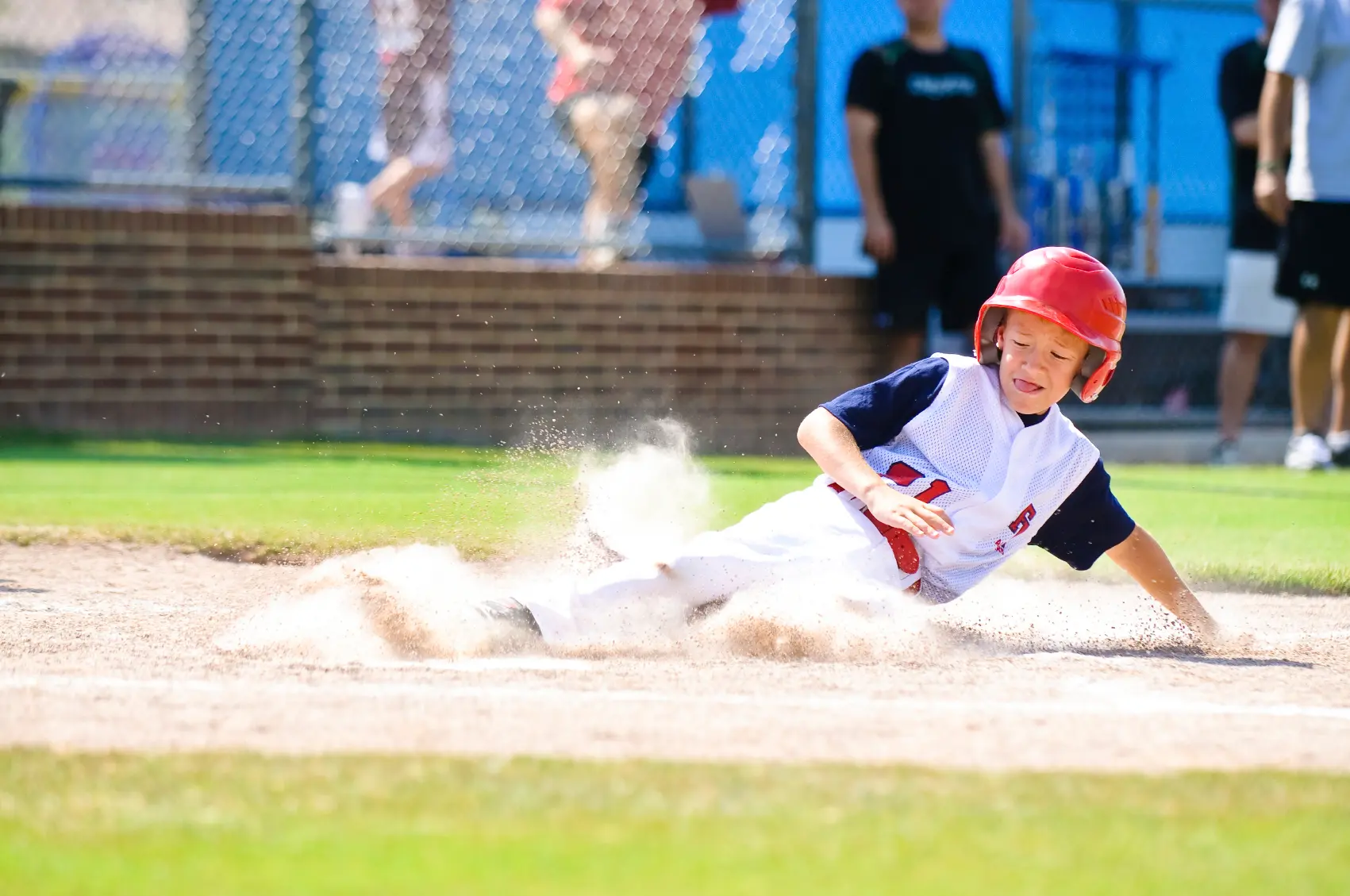
Perfecting the Slide Drills
Sliding is a key skill for safe base running, particularly when attempting to dodge a tag. The “Slip and Slide Drill” can assist players in mastering this technique. For more ways to improve your game, explore innovative fielding drills that can enhance your overall performance.
- Create a sliding practice area by using a wet tarp or a grassy area.
- Encourage players to practice both feet-first and head-first slides.
- Emphasize on the importance of staying low and using their legs or hands to control their slide.
This drill will not only help to improve their sliding technique but will also build their confidence which will allow them to make more aggressive plays when needed. For more tips on enhancing baseball skills, check out these innovative fielding drills.
Stealing Bases: It’s More Than Just Speed
Stealing bases requires more than just speed; it requires timing and the ability to read your opponent. The “Read and React Drill” is designed to help players develop these skills:
- Place players on first base.
- Get a pitcher to pretend to throw a pitch without letting go of the ball.
- Players should look for signs, like the movement of the pitcher’s foot, to determine when to steal.
This drill teaches players to predict what the pitcher will do, which improves their chances of stealing bases. For more drills to enhance your game, check out 23 baseball drills that can help kids improve their skills.
Improving Outfield Coordination and Catching Skills
Outfielders are the last line of defense. They are tasked with catching fly balls and preventing runs from scoring. Coordination and communication are important skills for an outfielder. Here are some drills to help improve those skills.
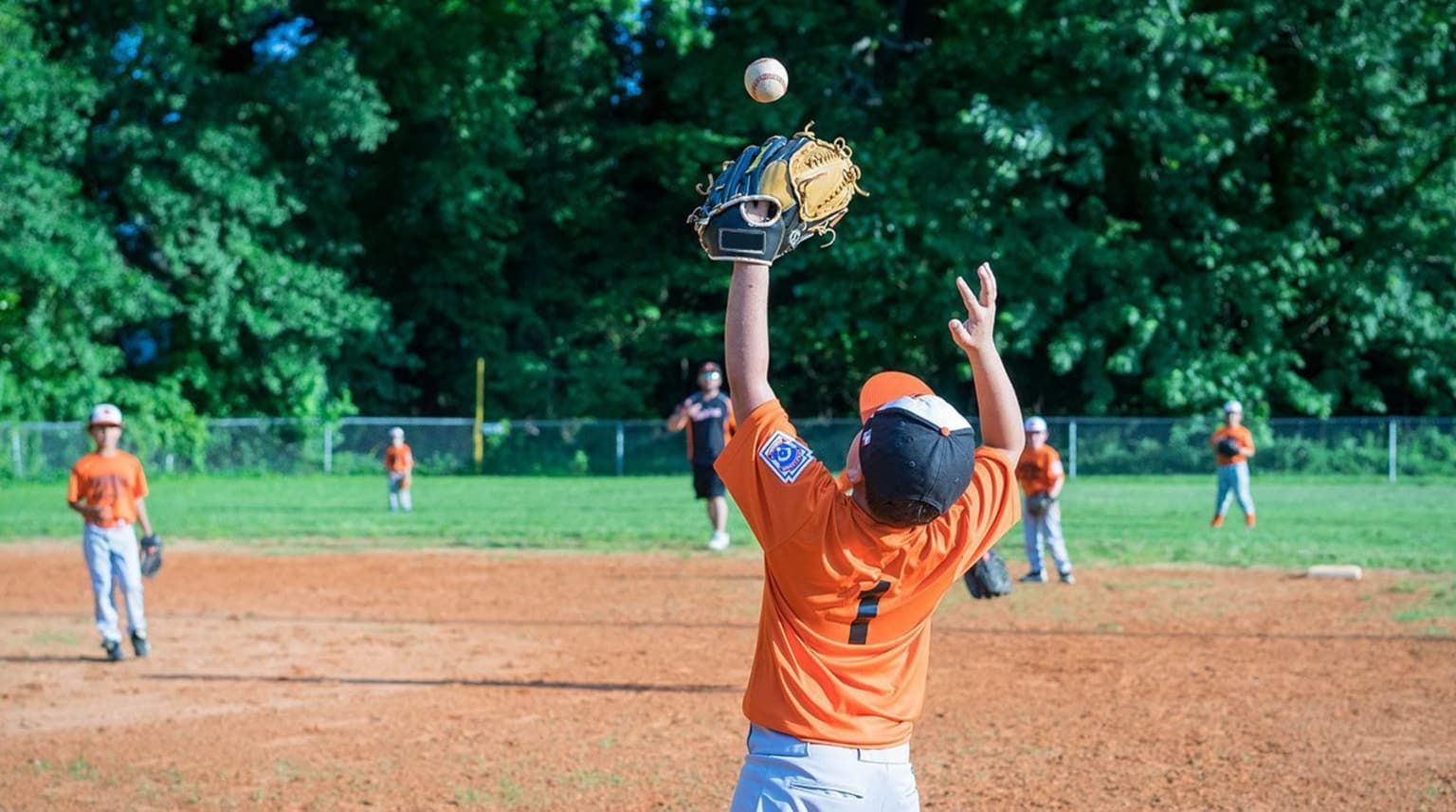
Mastering the Drop Step
“The drop step is essential for outfielders to cover more ground and catch fly balls.” – Coach Riley
Coach Riley recommends the “Drop Step Drill” for mastering this:
- Players should begin in a ready stance.
- At the coach’s command, execute a drop step by moving one foot backwards and rotating the body.
- Train to move in both directions to imitate running after a fly ball.
This exercise assists players in responding rapidly to balls hit above their heads, enabling them to cover a larger area effectively.
Mastering the drop step can greatly enhance an outfielder’s capacity to make challenging catches. It also aids in building the agility necessary to respond quickly to unforeseen plays.
Catching High and Low Balls
Learning to catch balls thrown at different heights involves using different techniques. The “High and Low Drill” is a great way to help players adjust:
- Get a coach or a friend to toss balls at different heights.
- Work on catching high balls with your glove over your head and low balls with your glove close to the ground.
- Work on making the transition between high and low catches as smooth as possible.
This drill will help players get better at making quick adjustments, which will make them more reliable when they’re playing in the outfield.
Talking and Making Choices
Good talking is key in the outfield to stop crashes and make sure catches are made. The “Call It Drill” works on this:
- Place two players out in the field.
- Let a coach smack some fly balls between them.
- Each player must shout out to claim the ball, showing who will catch it.
This drill highlights the need for good communication and fast choices, both of which are key to successful teamwork.
Boosting Self-Esteem and Game Scenario Recognition
Having self-esteem on the field can change a player’s game. By recreating actual game situations, players can develop scenario recognition and confidence.
Practice Game Situations
Practicing game situations during practice gets players ready for real games. The “Scenario Drill” is a great way to do this:
- Create various game situations, like having the bases loaded or being two outs away.
- Get the players to respond to these situations, acting as they would in a real game.
- After each situation, talk about strategies and choices to reinforce what they’ve learned.
Using this method, players learn to think quickly and use their skills when under pressure, which increases their self-assurance.
Team Feedback Time
Having teammates give feedback can be a great way to improve. Arrange for “Feedback Rounds” after practice:
- Get the players into a circle formation.
- Encourage them to give each other constructive criticism and praise.
- Focus on positive reinforcement and pinpointing areas that need improvement.
These sessions will foster a supportive team environment and allow the players to learn from each other’s experiences.
Strategy Talks Guided by Coaches
Coach-guided strategy talks can greatly improve a player’s comprehension of the game. These sessions go beyond mere tactics; they are about grasping the reasoning behind each move. Coaches can dissect plays, clarify their choices, and assist players in viewing the game from a fresh angle. This can be especially useful for young players who are still getting to grips with the complexities of baseball.
Common Questions
Parents and coaches of 12 year old baseball players often have a lot of questions about drills. Answering these can help make sure that the kids are getting the most from their practices. For those looking to improve their players’ skills, check out these fast fix baseball drills that can be incorporated into practice sessions.
What skills should young baseball players learn first?
Throwing, catching, and hitting are the key skills that young baseball players should master first. These are the basics of baseball. Once they’ve mastered these, they’ll find it easier to pick up more advanced techniques.
What’s the recommended frequency for 12 year olds to practice baseball drills?
It’s all about being consistent. It’s best if young players can practice baseball drills about 2-3 times per week. This frequency is ideal because it allows them to build muscle memory and enhance their skills without feeling too stressed or exhausted. For more information on improving youth players’ skills, you can explore coaching youth players effectively.
What gear do you need for these drills?
You’ll need the basics: a glove, bat, helmet, and baseballs. For some drills, a tee, cones, and agility ladders might come in handy. Having the right gear means players can practice both effectively and safely.
What role can parents play in their kid’s baseball training?
Parents can be a pillar of support by being present at matches and training sessions, assisting with drills at home, and motivating their kid to practice frequently. It’s crucial for parents to maintain a positive and supportive attitude, emphasizing effort and progress rather than just results.
Why should young players practice specific hitting drills?
Practicing hitting drills allows young players to enhance their bat control, timing, and power. By concentrating on particular elements of hitting, players can create a more consistent swing and learn how to hit the ball more effectively in various scenarios.
What makes footwork so important in fielding drills?
Footwork is vital because it impacts a player’s stability, speed, and playmaking ability. Proper footwork enables players to place themselves in the right position, respond rapidly to the ball, and transition seamlessly from fielding to throwing. For more insights, explore these innovative fielding drills and techniques.
How can players make better decisions during a game?
Experience and practice are the keys to improving decision-making. Players can get better at making decisions by putting themselves in game situations, getting feedback from their coaches, and talking about strategies with their teammates. The more they play, the better they’ll get at making quick, smart decisions.
How important is teamwork in baseball training?
Teamwork is the lifeblood of baseball. Training as a team allows players to learn how to communicate, trust one another, and collaborate to reach shared objectives. It cultivates a feeling of fellowship and guarantees that players are ready to back each other up during matches. For more insights on improving team dynamics, check out these team management tips.
Young players can improve their skills and excel in the field by focusing on these aspects of baseball practice. Consistent practice, supportive coaching, and a positive team environment are essential for fostering a love for the game and a commitment to improvement.
You haven’t provided any content to rewrite. Please provide the content you’d like me to rewrite.

Leave a Reply