Main Points
- Fielding drills boost players’ defensive abilities, enhancing their catching, throwing, and reaction speed.
- Employing advanced equipment like fielding paddles and rebound nets can greatly enrich training sessions.
- Technology, including wearable performance monitors and video analysis, is pivotal in contemporary training.
- Regular practice with diverse drills is vital for fostering confidence and agility in players.
- Adapting drills to suit various skill levels ensures ongoing progress and engagement.
The Importance of Innovative Fielding Techniques
Fielding is a fundamental aspect of any baseball or softball match. It’s not just about catching a ball; it’s about doing so with accuracy, speed, and assurance. Innovative fielding techniques are important because they enable players to excel on the field. These techniques enhance a player’s capacity to react swiftly and make intelligent choices under stress. Above all, they help establish a strong basis for defensive skills.
Effects on Defensive Ability
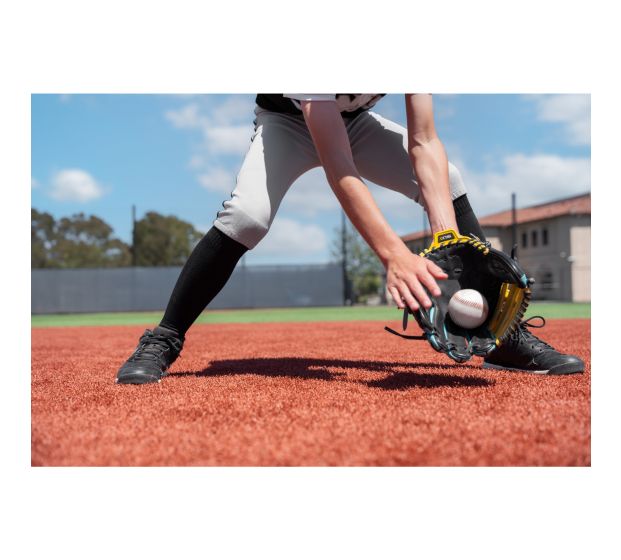
By practicing new and innovative fielding drills, players can greatly improve their defensive ability. These drills work to improve hand-eye coordination, footwork, and overall quickness. Players are taught to anticipate the ball’s direction and position themselves properly. This not only increases the likelihood of successful plays, but also boosts the player’s confidence while on the field.
Boosting Self-Assurance and Nimbleness
Self-assurance is vital in sports. When athletes feel self-assured, they perform at their best. Fielding exercises help athletes cultivate this self-assurance by giving them the opportunity to rehearse and refine their skills in a controlled setting. Additionally, these exercises enhance nimbleness, empowering athletes to move rapidly and effectively during matches. Nimbleness is essential for fielders who must traverse vast spaces swiftly and execute accurate movements to catch or toss the ball.
Moreover, consistent practice using innovative techniques increases a player’s comfort with their skills. This allows them to understand their strong points and areas that need improvement, which in turn, helps them to perform at their best.
Success Stories from the Field
Imagine a young baseball team that had a hard time with defense. Their coach decided to try some new fielding drills. In just a few weeks, the team got much better. They made fewer mistakes, threw more accurately, and fielded better overall. You could see the change in the way they played, and they started winning more games and getting noticed for their defense.
Top Fielding Drills for Optimal Results
For fielding practice to be effective, you need to select drills that focus on particular abilities. These drills need to be difficult but doable, pushing players to get better while keeping them interested.
Perfecting Infield Skills
For infielders, quick footwork and great hand-eye coordination are key. These drills can help infielders improve their skills:
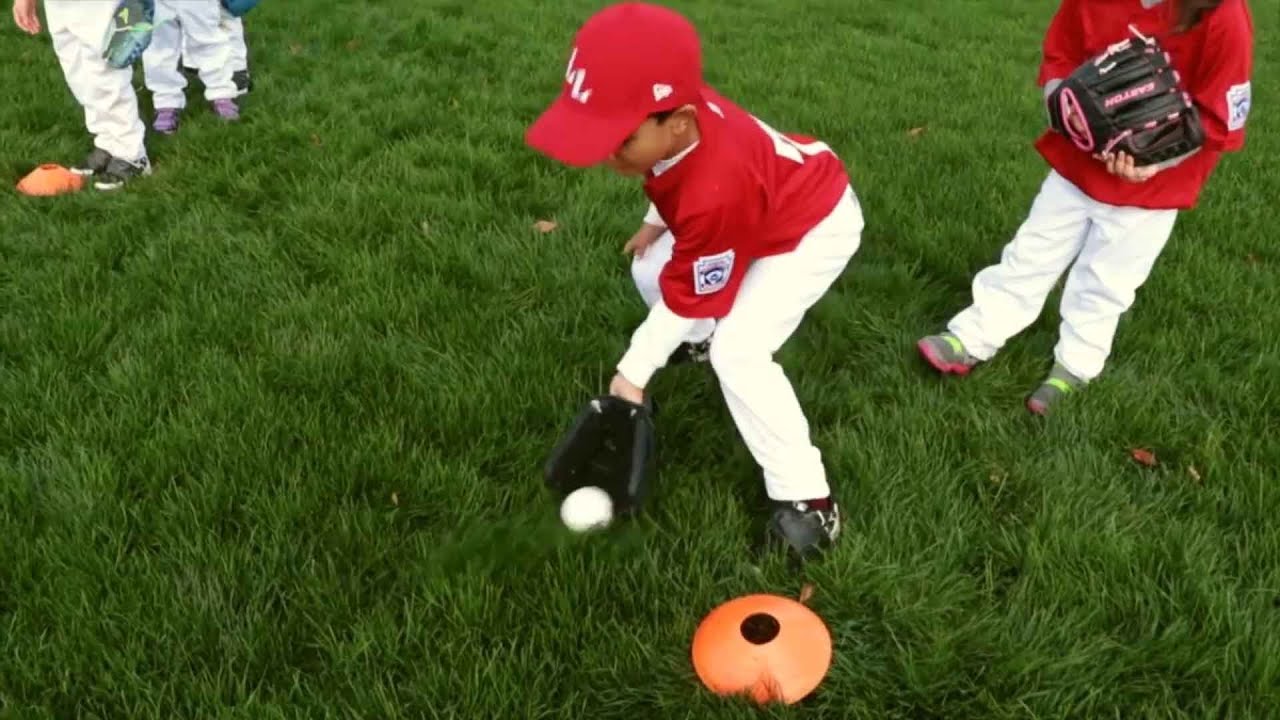
- Alligator Drill: This exercise teaches players how to field ground balls using both hands, similar to an alligator snapping its jaws shut. It focuses on the proper positioning of the hands and quick reflexes.
- Four-Corner Drill: Players improve their throwing accuracy by tossing the ball between four cones set up in a square. This exercise also boosts communication and teamwork.
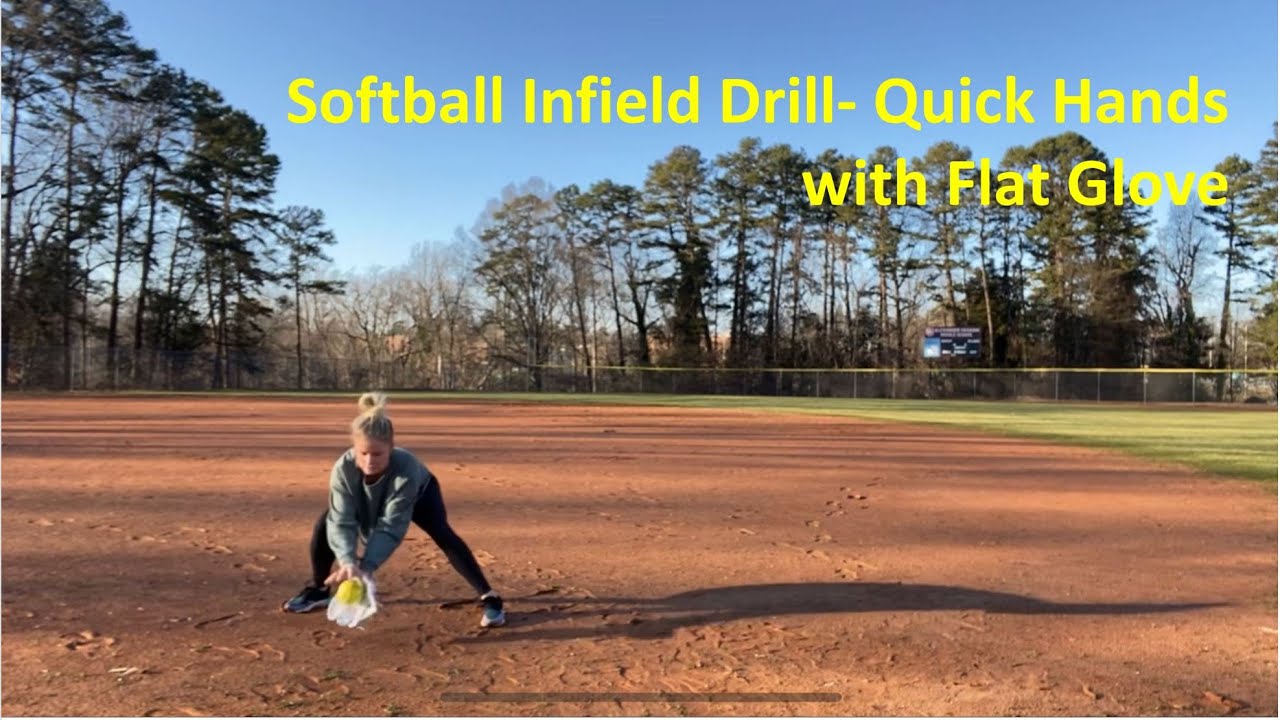
- Quick Hands Drill: Infielders practice catching and releasing the ball quickly to enhance their reaction time and preparedness for double plays.
Techniques for Outfield Precision
Outfielders need to be skilled at tracking and catching fly balls. They also need to have strong arms for making long throws. Here are some techniques to help improve these skills:
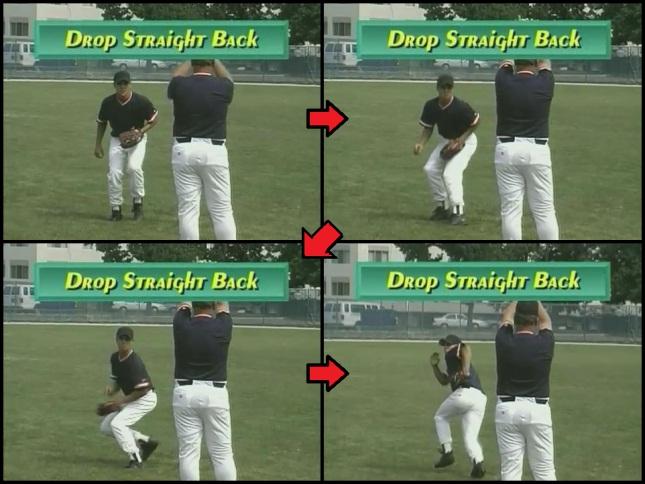
The Drop Step Drill is a great way to teach outfielders how to move quickly in any direction. This drill helps players practice taking a quick step back and positioning themselves to catch fly balls. The Long Toss Drill is another great drill that helps strengthen their throwing arms by having them throw the ball over long distances with precision.
One more drill that works well is the Relay Throw Drill. This drill helps outfielders work on their team skills and aim. They practice throwing to the cutoff men, which helps the ball get to the infield quickly and in the right place.
High-Tech Equipment: Fielding Paddles and Domes
When it comes to fielding, having the right equipment can make all the difference. Fielding paddles and domes are cutting-edge tools that help players sharpen their skills. Fielding paddles are flat gloves that are designed to enhance hand-eye coordination and ensure that players use both hands when fielding ground balls. This equipment forces players to concentrate on technique rather than relying on the deep pocket of a traditional glove. For more insights, explore these baseball infield fielding drills to improve your game.
Conversely, fielding domes are compact, circular barriers that improve footwork and agility. Athletes train by maneuvering around these domes, boosting their capacity to swiftly and effectively alter their course. This is essential for infielders who must respond to erratic bounces and outfielders pursuing fly balls.
Practicing Solo with Rebound Nets
Rebound nets are an excellent resource for players who want to practice fielding solo. The nets are designed to rebound the ball back to the player, mimicking real-game situations. Players can practice catching, throwing, and fielding ground balls without needing a partner. For more tips on improving your skills, check out these indoor baseball drills.
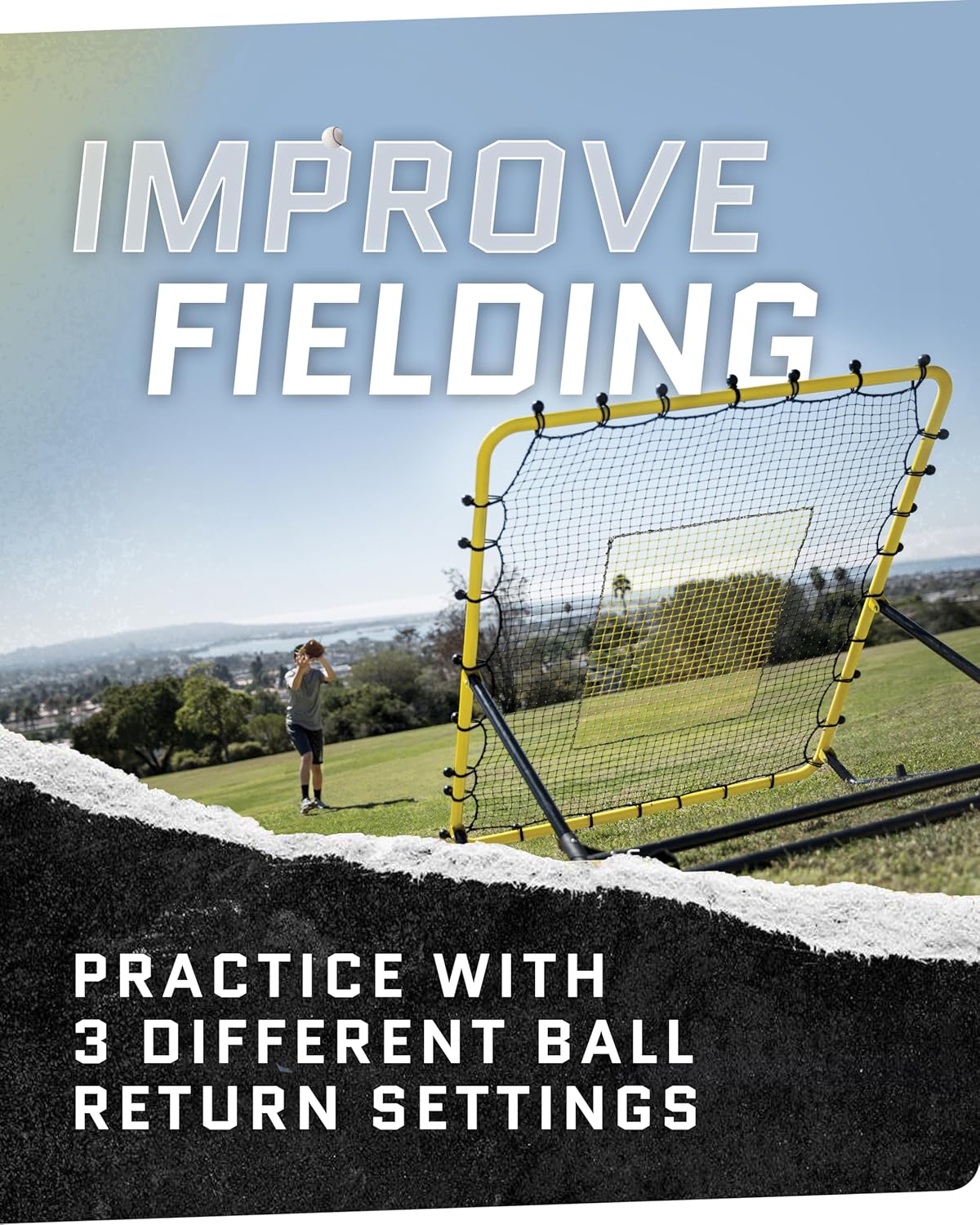
Rebound nets are a great addition to any training routine. They can be adjusted for angle and distance, so players can simulate different types of hits. This flexibility makes them a great tool for skill development, offering countless opportunities for improvement.
Using Technology in Practice
Technology is becoming increasingly important in sports training in the modern world. Including technology in fielding drills can improve a player’s performance and give valuable feedback on their improvement. There are many advantages to using tools such as wearable tech and video analysis.
For instance, players can keep track of their speed, agility, and reaction time using performance tracking devices. Coaches can then use this information to design training programs that target specific areas that need improvement. In the same way, players can use video analysis tools to review their form and technique and find areas that need to be improved.
“The introduction of video analysis has changed the game for players. By watching themselves play, they can identify areas that need improvement and make the necessary changes that will enhance their performance on the field.”
Additionally, skill development apps and software offer drills, tips, and progress tracking features. These tools make it possible for players to continue training beyond team practices, guaranteeing constant improvement.
Performance Tracking with Wearable Tech
Wearable technology, like fitness trackers and smartwatches, has seen a surge in popularity in the sports world. These devices offer real-time data on an athlete’s performance, tracking things like heart rate, speed, and distance traveled. This data can be analyzed to identify trends and areas that need improvement.
First and foremost, wearable tech can assist in injury prevention by tracking physical exertion and making sure players don’t overwork themselves. This is particularly useful for young athletes who might not be aware of their physical boundaries.
Advantages of Video Analysis Equipment
Video analysis equipment provides a unique view on a player’s method. By filming practices and matches, players can evaluate their performance and find areas to improve. This visual critique is priceless for making changes and perfecting abilities.
Trainers can also utilize video analysis to give comprehensive feedback, pointing out particular actions or choices that require improvement. This focused method guarantees that athletes concentrate on the most crucial parts of their growth.
Training with Technology: Apps and Software
Today, there are countless apps and software designed to help athletes improve their skills. These tools come equipped with a variety of features, such as instructional videos, drills, progress tracking, and goal setting. By using these resources, athletes can take their training into their own hands and stay motivated to get better. For young players, exploring indoor baseball drills can be a great way to enhance their skills.
Moreover, these apps enable players to link up with their coaches and teammates, thereby creating a supportive community that is centered around growth and improvement.
Integrating Drills into Practice Regime
It is crucial to integrate fielding drills into a practice regime for player progression. The trick is to design a well-rounded training plan that tackles all elements of fielding, such as catching and throwing, as well as footwork and agility.
First, coaches need to evaluate the team’s present skill set and pinpoint where they need to get better. Then, they can choose the right drills based on this evaluation and dedicate time to each during training.
It’s important to make sure that drills are not only different but also fun. This keeps players excited and on their toes. A varied routine keeps boredom at bay and pushes players to reach new levels of success.
- Switch up drills often to work on various skills.
- Use both solo and group drills.
- Establish specific objectives and monitor improvements.
Designing a Well-Rounded Training Plan
A well-rounded training plan includes a variety of drills, conditioning workouts, and game-like scenarios. This approach ensures that players are well-prepared for any situation they may encounter on the field, as it covers all aspects of fielding.
It’s important for coaches to mix up the drills they use in every practice, and to focus on different aspects of fielding. This keeps players from getting bored and ensures they develop all the skills they need.
Tailoring Drills to Various Skill Levels
Each player is individual, and their training should be too. Tailoring drills to fit various skill levels guarantees that each player is suitably challenged and can advance at their own speed. For instance, infield fielding drills can be customized to match the player’s current abilities and help them develop further.
For those just starting out, it’s best to stick to simple drills that focus on basic skills. More seasoned players, on the other hand, can take on more challenging exercises that really test their limits. By customizing drills to fit each player, coaches can help players reach their full potential.
Maintaining Steady Improvement
The key to any training program is to keep improving. This means regularly evaluating how players are doing and changing the drills to match. This way, players are always focused on what they need to get better at, and they don’t get too comfortable with how good they are now.
Players who set personal goals and track their progress tend to feel more accountable and motivated. Celebrating achievements and recognizing areas for improvement helps players stay committed to their development and continue to improve over time.
Conclusion: Creating a Strong Defense
Creating a strong defense requires hard work, practice, and the right techniques. Players can improve their skills and become strong defenders on the field by using innovative fielding drills and equipment. The key is to stay committed to always getting better, embrace new technologies, and customize training programs to meet individual needs. Any team can improve their defensive game and achieve success by using these strategies.
Common Questions
Players and coaches alike often wonder how to best enhance fielding skills. Below are some of the most frequently asked questions and their responses.
What are some basic fielding drills for beginners?
If you’re just starting out, it’s crucial to begin with basic drills that help develop fundamental skills. The Alligator Drill for ground balls, the Four-Corner Drill for throwing accuracy, and the Drop Step Drill for outfielders are some examples of basic fielding drills. They help improve vital skills such as hand-eye coordination, footwork, and correct throwing techniques.
What impact can new equipment have on performance?
Modern equipment such as fielding paddles and rebound nets can greatly boost performance by concentrating on technique and offering realistic practice situations. Fielding paddles enhance hand placement and coordination, while rebound nets enable individual practice and mimic game-like situations. These tools aid players in honing their abilities and gaining confidence.
How is technology used in fielding practices?
Technology is an integral part of fielding practices today. Wearable technology gives immediate feedback on performance, helping players to monitor their progress and prevent overtraining. Video analysis tools provide useful feedback on technique and form, enabling players to make changes where needed. Additionally, apps and software provide structured training programmes and drills, helping to keep players focused and motivated. For more on improving fielding skills, explore these indoor baseball drills designed for young players.
When technology is incorporated into training, athletes can gain a better understanding of their strengths and areas where they need to improve. This all-inclusive approach results in more effective training sessions and improved overall performance.
What is the recommended frequency for practicing fielding drills?
To see consistent improvement, players should practice fielding drills regularly. It is recommended that these drills be included in a player’s routine several times per week. By practicing regularly, players can reinforce their skills and develop muscle memory, which can lead to improved performance in games.
It’s crucial to mix fielding drills with other parts of practice, like conditioning and game-like situations. This complete method guarantees that players build a full range of skills and stay involved in their practice.
- Plan to do fielding drills at least 2-3 times each week.
- Include drills as part of a well-rounded training program.
- Change the frequency of drills to meet personal needs and goals.
Can these drills be adjusted for young players?
- Yes, drills can be altered to fit different ages and abilities.
- Keep younger players interested by making drills fun and engaging.
- Use equipment that is suitable for their age and change the intensity of drills as needed.
Changing drills for young players helps them stay interested and challenged as they learn. Coaches can create a fun learning environment that encourages growth and progress by focusing on the basics and adding fun elements. For more advanced techniques, check out these advanced pitching techniques to further enhance their skills.
How can you monitor progress?
Monitoring progress is crucial for keeping players motivated and pinpointing areas for improvement. Coaches and players have a variety of tools at their disposal for tracking progress, such as performance tracking devices, video analysis, and progress logs. By setting clear goals and frequently evaluating performance, players can maintain their focus and dedication to their development.
Can footwork be improved with certain drills?
Indeed, there are numerous drills designed to improve footwork, a key aspect of successful fielding. The Ladder Drill is ideal for boosting agility and speed, while the Cone Drill is designed to improve directional movement and stability. Regular practice of these drills can help players develop the footwork skills necessary to make rapid, precise plays on the field.
Regularly including footwork drills in training sessions allows players to move with ease and confidence, which in turn leads to improved performance in defense.
Where is the best place to purchase the most recent fielding equipment?
Most recent fielding equipment can be purchased at sporting goods stores, online retailers, and specialty sports websites. It’s crucial to do your homework and select equipment that fits your specific needs and skill levels. Many manufacturers provide cutting-edge tools intended to improve training and performance.

Leave a Reply