Baseball is a game of strategy and skill, and the catcher plays a pivotal role in guiding the team to victory. Pitch calling is one of the most critical skills a catcher can master, as it influences the flow and outcome of the game. Today, I’ll guide you through the essentials of pitch calling and share practical tips and techniques to help you become an effective catcher without feeling overwhelmed.
Main Points
- Knowing the strengths of your pitcher is key to successful pitch calling.
- Being ahead in the count gives you more control over the game.
- Identifying a batter’s weaknesses can give you an advantage.
- Effective communication and being in sync with the pitcher is crucial.
- Consistent practice and feedback can enhance pitch calling skills over time.
Grasping the Basics of Pitch Calling
Pitch calling is more than just signaling the type of pitch to be thrown. It’s about understanding the game, reading the situation, and making strategic choices that will benefit your team. A well-called game can keep hitters guessing, minimize scoring opportunities for the other team, and ultimately result in more victories.
The Importance of Pitch Calling
Being able to call pitches effectively is the foundation of a great defense. When executed properly, it can control the rhythm of the game and throw off even the most skilled batters. A catcher who is proficient in pitch calling becomes an essential part of the team, making tactical choices that can alter the outcome of the game.
What Does a Catcher Do in Pitch Calling?
Just like a conductor leading an orchestra, the catcher leads the game from behind home plate. They need to know what the pitcher can do, what the batter is likely to do, and what’s happening in the game. They need to think fast, communicate well, and stay cool when the pressure is on.
- Read the batter’s stance and swing.
- Communicate effectively with the pitcher.
- Anticipate the next move based on the game situation.
Foundational Catcher Tips for Effective Pitch Calling
To excel at pitch calling, a catcher must build a strong foundation. This involves understanding the pitcher’s strengths, knowing how to get ahead in the count, and being able to analyze the batter’s weaknesses. For additional insights, explore this guide on pitching and catching drills to enhance your skills. Let’s explore these foundational tips in detail.
“A top-notch catcher doesn’t merely respond to the game; they predict and plan to dominate it.”
Understanding Your Pitcher’s Strengths
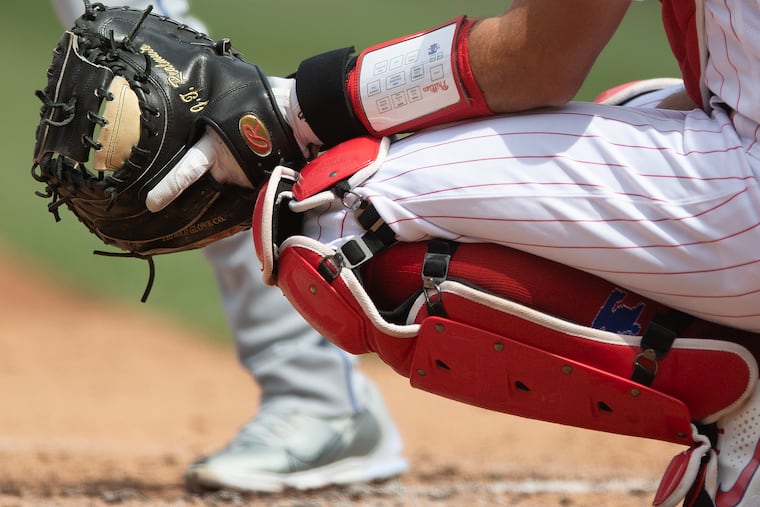
Each pitcher has a particular pitch or pitches they’re good at, whether it’s a fastball, curveball, or slider. As a catcher, you need to be intimately familiar with these pitches. Talk to your pitcher to get a feel for how comfortable they are with each pitch and how they prefer to use them in various scenarios.
The Significance of Leading the Count
Leading the count is key for keeping command of the batter. When a pitcher delivers strikes early on, it forces the batter to swing at pitches that are not optimal. This tactic can result in more strikeouts and feeble contact, giving your team a defensive edge.
Identifying the Hitter’s Vulnerabilities
Every hitter has strong and weak areas, and recognizing these can provide a substantial advantage. Observe their stance, swing, and past performances to figure out where they are weak. Use this knowledge to call pitches that take advantage of these vulnerabilities and keep them guessing. For more insights, check out our guide on youth pitching mechanics tips.
Harmonizing with Your Pitcher for Accuracy
Harmonizing with your pitcher is essential for carrying out your pitch calls successfully. This necessitates open dialogue and confidence between the catcher and pitcher. Create a signal system that both of you comprehend, and always be in agreement about the game strategy.
In the next section, we’re going to explore some methods to improve your pitch calling abilities and how to tackle some of the frequent obstacles catchers encounter during matches.
How to Create a Pitch Calling Strategy
Formulating a pitch calling strategy is akin to crafting a roadmap to victory. It requires a thorough understanding of your team’s assets and the adversary’s vulnerabilities. You must be acutely aware of your pitcher’s capabilities and the potential responses of the batter. Start by reviewing previous games and identifying which pitches were most effective in certain scenarios. This historical analysis can provide a foundation for subsequent games.

Once you’ve got the basics down, you can customize your strategy to the specific game you’re playing. This might mean calling more fastballs against a team known for its slow swings or mixing in more curveballs against hitters who struggle with off-speed pitches. The key is to stay flexible and adapt your strategy as the game unfolds.
It’s vital to have a chat with your pitcher to establish this strategy. Talk about your plan before the game starts and ensure you’re both on board. Use unmistakable signals and keep eye contact to confirm they understand your intentions. Don’t forget, a team that works well together is a team that wins.
Adjusting to the Game’s Circumstances
In the sport of baseball, no two game situations are identical, and the ability to think on your feet is a trait of a standout catcher. You may begin the game with a particular game plan, but as the innings go by, you’ll need to make modifications based on the current state of play. This could mean switching up pitch sequences, repositioning your defense, or even signaling for a timeout to gather your thoughts.
Always monitor the batter’s adjustments and the pitcher’s performance. If you see the batter getting comfortable with a certain pitch, it’s time to mix things up. Likewise, if your pitcher is having trouble with a certain pitch, don’t be afraid to change the game plan. The ability to adapt on the fly is what distinguishes good catchers from great ones.
Addressing the Usual Catcher Hurdles
The role of a catcher is fraught with difficulties. The position demands mental fortitude and resilience, from managing high-stress scenarios to maintaining concentration in loud settings. Let’s delve into some of the typical hurdles catchers encounter and how to surmount them.
One of the most difficult aspects is handling the stress of making the correct decision at the appropriate time. This stress can be overpowering, particularly in high-stakes matches. The solution is to have faith in your gut feelings and depend on your preparation. Keep in mind that you’ve trained for this moment, and you possess the abilities to triumph.
Dealing with High-Stress Moments
In baseball, high-stress moments are unavoidable and your reaction to them can significantly impact your performance. The most effective way to deal with stress is to remain cool and collected. Take slow, deep breaths, concentrate on what you need to do, and ignore any distractions. Techniques such as visualization can also be beneficial; imagine yourself successfully completing the play before it even occurs.
Staying Concentrated Amidst the Noise
The din and chaos of a baseball game can make it tough to keep your focus. But keeping your concentration is vital to calling pitches effectively. Create a routine that helps you tune out the noise, like focusing on your breath or using certain visual cues to keep you anchored. This mental toughness will help you stay alert and attentive for the duration of the game.
Keep Learning and Practicing
Pitch calling, just like any other skill, demands that you keep learning and practicing. To stay up-to-date with the latest strategies and techniques, watch professional games, attend workshops, and get feedback from your coaches and teammates. Regularly practicing with your pitcher will also help you hone your skills and build a stronger bond.
Keep in mind, progress isn’t immediate. Be gentle with yourself and rejoice in minor wins as you go. Each match is a chance to learn and develop, so seize the journey and aim for greatness.
Building Strong Bonds Between Pitchers and Catchers
For a baseball team to be successful, the pitcher and catcher need to have a strong line of communication. To build this connection, they need to trust each other, understand each other, and interact regularly. Let’s take a look at how you can build this essential communication.

Begin by taking time out to bond with your pitcher outside of the game. Understand their character, what they like and how they communicate. This familiarity will lead to better cooperation on the field, as you will be more in tune with each other’s needs and signals.
Establishing Confidence and Comprehension
Confidence is the cornerstone of any triumphant collaboration. Prove to your pitcher that you are there for them by regularly backing them up, even when errors occur. Be receptive to criticism and prepared to modify your strategy to accommodate their requirements. This reciprocal esteem will fortify your connection and result in more efficient cooperation. For additional insights, explore these youth baseball practice drills that can enhance your teamwork.
The Need for Ongoing Dialogue
Keeping a strong bond between the pitcher and catcher requires ongoing dialogue. Before each game, talk about your game plan and any changes you may need to make. During the game, use clear signals and keep eye contact to make sure you both understand the plan. After the game, go over how you both did and find places to get better. For additional strategies, consider exploring this guide for parents and coaches.
Good communication isn’t just for the game. You should also keep communication open off the field. Share your thoughts and insights, and be open to what your pitcher has to say. This ongoing dialogue will help you build a deeper understanding of each other’s strengths and weaknesses, which will lead to better collaboration.
Improving Through Feedback
Feedback is a great way to improve. Make sure to get feedback from your pitcher, coaches, and teammates. You can use this feedback to see what you need to improve and change your approach. Constructive criticism is a chance to learn and get better at what you do.
Wrapping Up
Becoming a successful pitch caller and a proficient catcher demands commitment, consistent practice, and an open mind to learn. As you get to know your pitcher’s strong points, adjust to the dynamics of the game, and develop robust communication, you’re already on the path to victory. Keep in mind that the process is as valuable as the end goal, so welcome every obstacle and aim for constant growth. For more on improving your skills, check out these youth baseball practice drills.
Building Confidence Through Understanding and Repetition
In baseball, confidence comes from understanding and repetition. The more you know about the game, the better you can perform. As a catcher, your role is crucial. You are the tactician, the conduit, and the field general. By mastering pitch calling, you’re not only improving your abilities but also enhancing your team’s performance. Remember, practice doesn’t just make perfect; it makes permanent. Keep honing your skills, learning from each game, and you’ll see yourself growing more assured and efficient in your role.
Each game is a chance to put your lessons into practice and to improve. Welcome both compliments and criticism, and let them inspire you to do better. The road to being an outstanding catcher is never-ending, but if you’re committed and open to learning, you’ll keep moving forward and achieving your goals.
Questions You May Have
Here are some of the most common questions about pitch calling and catching in baseball. Hopefully, these answers will clear up any confusion you might have and give you some tips on how to get better.
What does it mean to call pitches in baseball?
Calling pitches in baseball is when the catcher signals to the pitcher about the type of pitch to throw and its location. This decision is influenced by a variety of factors, such as the pitcher’s abilities, the batter’s shortcomings, and the current game scenario. To call pitches effectively, one must have a comprehensive knowledge of the game and the capacity to make rapid, strategic choices.
What is the best way for a catcher to learn how to call pitches?
To learn how to call pitches, a catcher needs to study the game, know the pitcher’s strengths and weaknesses, and understand the hitter’s habits. Here are some steps to get you started: consider exploring resources on how to call pitches in softball to enhance your skills.
- Review game videos to get a feel for different pitching methods.
- Keep in touch with your pitcher to know what they’re comfortable with and what they prefer.
- Watch the batter’s stance and swing closely to spot any weak points.
- Work on calling pitches in a variety of game situations to boost your confidence.
As you gain experience and practice, you’ll get better at figuring out what works best in different situations, which will make you a better catcher.
Why should a catcher be aware of the pitcher’s strengths?
Being aware of your pitcher’s strengths is essential because it enables you to make educated pitch calls. Knowing what your pitcher is good at allows you to exploit their strengths and maximize their chances of success. This understanding also fosters trust and confidence between you and your pitcher, promoting improved team dynamics and communication.
What methods can enhance my pitch calling?
There are a number of methods you can use to improve your pitch calling abilities:
- Signal Clarity: Use clear and concise signals that both you and your pitcher understand.
- Game Analysis: Regularly review game footage to identify patterns and improve your strategy.
- Adaptability: Be willing to adjust your approach based on the game situation and the batter’s behavior.
- Feedback: Seek feedback from coaches and teammates to refine your technique.
By implementing these techniques, you’ll become more adept at calling pitches and leading your team to victory.
How can you identify a batter’s weak points?
Identifying a batter’s weak points requires careful observation of their stance, swing, and past at-bats. Look for recurring behaviors, like trouble hitting particular pitches or difficulty with off-speed pitches. Keep an eye on their body language and any changes they make throughout the game. This data will assist you in calling pitches that take advantage of their weak points and keep them guessing.
What should a catcher do if they disagree with the pitch call?
If you, as a catcher, are not in agreement with the pitch call, it’s crucial to express your reservations to the pitcher. Make use of a timeout if required to deliberate your logic and reach a mutual agreement. Keep in mind, collaboration is essential, and identifying a resolution that you and the pitcher are both content with will result in superior outcomes on the field.
What are some ways a catcher can deal with stress during a game?
Dealing with stress is a critical ability for any catcher. Maintain your composure by concentrating on your breath and imagining positive outcomes. Believe in your training and abilities, and understand that errors are a natural part of growth. Maintain an optimistic attitude and view each pitch as a chance to shine.
What signals are typically used in pitch calling?
Typical signals in pitch calling involve hand signs to show the pitch type (e.g., fastball, curveball, slider) and finger placement to show the pitch location (e.g., inside, outside, high, low). Create a set of signals with your pitcher that are simple to understand and perform, allowing for efficient communication throughout the game.
Once you have these pitch calling techniques down, you’ll be a better catcher and a better teammate. Keep working hard, stay in the game, and enjoy the process of becoming a great player.

Leave a Reply