Summary
- Consistent practice with a variety of drills is the best way to improve baseball skills.
- Pitchers should focus on fielding practice and target drills to improve their accuracy.
- Catching drills are crucial for developing quick reflexes and powerful throws.
- Outfield drills help improve reaction times and communication on the field.
- Infield drills concentrate on fundamentals such as ground balls and double plays.
Fun Drills for Every Young Baseball Player
In youth baseball, making practice fun is just as important as the drills themselves. Young players thrive on fun and challenge, so incorporating a variety of drills can make practice both enjoyable and instructive.
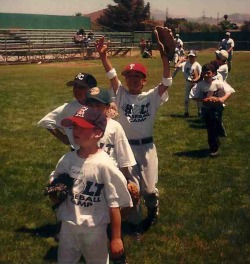
Let’s take a look at some drills that will not only keep players engaged but also greatly enhance their abilities.
Getting the Most Out of Practice Time for Skill Improvement
Practice time is a valuable resource, so it’s important to make the most of it. Begin by setting up drills that target various skills. This not only guarantees thorough training, but it also keeps players engaged.
Dividing the team into smaller groups allows for more individualized attention and helps players to progress more quickly. For example, pitchers can focus on their throwing techniques while infielders practice ground balls. This method makes the most of practice time and addresses individual needs.
The Role of Diverse Training in Confidence Building
It’s crucial for young players to gain confidence in their skills. Diverse training aids in shaping them into all-around athletes. They learn to adjust to varying field situations through practicing a range of drills. This adaptability enhances their confidence, which in turn makes them more productive players in actual games.
Furthermore, varied training can help avoid burnout. When practice involves a variety of activities, players remain engaged and eager to learn new skills. For instance, incorporating different infield drills for youth baseball can keep the training sessions dynamic and interesting.
Perfecting the Art of Pitching
Being able to pitch well is a fundamental part of baseball, and it’s important for young players to hone this skill from an early age. Concentrating on particular pitching drills can improve precision and reliability, two key factors in becoming a successful pitcher.
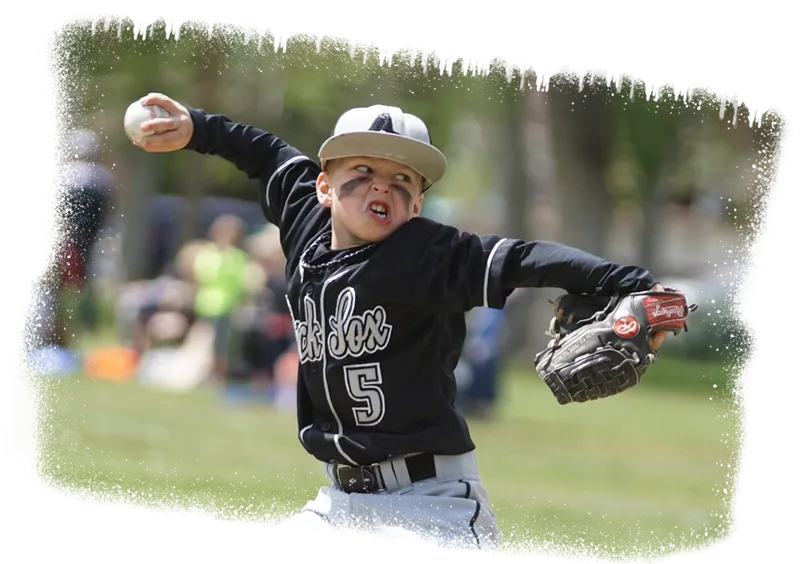
Pitcher’s Fielding Practice (PFP)
A pitcher’s ability to field is critical, and fielding practice is one of the most important drills for them. PFP drills are designed to make pitchers more nimble and prepared to field at any moment, enhancing their fielding abilities and reaction times.
While performing these drills, pitchers get to hone their skills in fielding bunts, ground balls, and covering first base. Being agile and being able to predict the trajectory of the ball are critical skills for pitchers.
Perfecting Your Aim: Target Practice
Target practice is a critical component of improving pitching accuracy. These exercises are designed to help pitchers consistently hit specific targets. By placing targets in different parts of the strike zone, pitchers can practice throwing to different locations.
Staying consistent is important. When pitchers practice aim drills on a regular basis, they’re able to develop muscle memory. This is essential for having control over their pitches.
Building Arm Strength: The Long Toss Program
Long toss programs are great for building arm strength and stamina. These drills involve gradually increasing the distance between the pitcher and the catcher, giving the pitcher the chance to work on their power and precision.
- Begin at a distance that is comfortable and then slowly extend it.
- Ensure to keep correct form and follow-through.
- Incorporate this exercise into your regular training regimen to improve your throwing power.
For pitchers aiming to boost their overall performance on the field, long toss programs are a must.
Key Catching Skills
Catching is a key skill in baseball. A good catcher can make a big impact on a team’s defense. So, it is important for young players who want to be good at this position to practice catching skills.
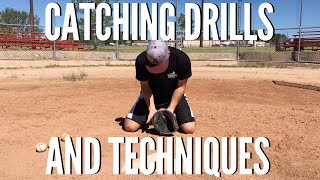
Let’s explore some key exercises that concentrate on enhancing catching abilities.
Blocking Drills: How to Keep the Ball in Front
Blocking drills are vital for catchers to learn to keep the ball in front of them. These drills instruct catchers to expect pitches in the dirt and respond swiftly to stop passed balls.
When catchers practice blocking techniques, they enhance their agility and reflexes, becoming more dependable behind the plate. For more comprehensive training, explore these softball training tips to improve overall fielding skills.
Practicing baseball drills is essential for young athletes to develop their skills in pitching, catching, and fielding. By focusing on these areas, players can improve their overall game performance. Incorporating infield drills for youth baseball can help players enhance their agility and coordination, making them more effective on the field. Regular practice not only boosts physical abilities but also builds confidence and teamwork among players.
Catchers need to practice throwing to all bases, with an emphasis on speed and accuracy. This drill will make them more effective at catching base stealers and making key plays.
When catchers include these drills in their usual practice, they can greatly enhance how they play the game.
How to Excel as an Outfielder: Successful Drills
Outfielders are a vital part of every baseball team. They need to be fast, flexible, and have great hand-eye coordination. To help young players become outstanding outfielders, it’s important to concentrate on drills that improve these skills.
Outfielders can get better at tracking fly balls, responding to hits, and communicating with their teammates with regular practice. Here are some drills that focus on these important abilities.

Don’t forget, the outfield is all about being on your toes and ready to make plays that can change the game. These drills will make sure players are ready for anything that comes their way.
Boosting Quick Responses: Leap and Plunge Drills
Quick responses are key for outfielders. Leap and plunge drills assist players in responding promptly to balls hit towards them. These drills instruct players to predict the path of the ball and make rapid decisions on whether to leap or plunge.
For practice, arrange cones or markers to mimic different ball paths. Urge players to concentrate on their initial step and burst towards the ball. The faster they can respond, the higher their odds of making the play. For more detailed techniques, check out the best baseball drills to enhance your team’s performance.
Catching Fly Balls: Run and Track Drills
Outfielders need to be good at catching fly balls. Run and track drills are meant to enhance a player’s skill in accurately judging and catching fly balls.
Begin with the players in a line in the outfield. The coach should hit or throw fly balls at different distances and angles. The players should practice running to the location of the ball, keeping their eyes on the ball, and catching it.
These drills assist outfielders in improving their timing and positioning, which are critical skills for successful catches.
Efficient Communication: The importance of Relay Drills
Communication is key in the outfield. Relay drills are designed to ensure that outfielders can efficiently communicate with one another and infielders.
Establish situations where team members have to shout for the ball or pass on details about the play. Running these drills aids players in comprehending the significance of precise and succinct communication during matches.
Mastering Infield: The Essential Drills
Infielders must be fast, accurate, and prepared for any scenario. The key to becoming a master infielder is to nail down the basics. The drills listed below aim to enhance fundamental infield skills like fielding ground balls and performing double plays.

Ground Ball Basics: Funnel and Reverse Funnel
For infielders, fielding ground balls is a critical skill. The funnel and reverse funnel drills aid players in developing soft hands and quick transitions.
In the funnel drill, players practice fielding ground balls by bringing the ball into their body, simulating a funnel motion. This technique helps infielders maintain control and prepare for a quick throw.
Mastering Double Plays: Quick Hands Drill
Double plays can turn the tide of a game. Quick hands drills are aimed at helping infielders perform double plays effectively. For more detailed techniques, explore these infield drills for youth baseball.
In these exercises, the young athletes practice swiftly moving the ball from their glove to their hand and making sure their throws to their team members are on target. Quickness and accuracy are key, so they should concentrate on fluid movements and talking to each other.
These drills for youth baseball can turn infielders into a dependable part of their team’s defense, making double plays look easy.
High-Stress Moments: Infield In Circumstances
When a team must stop a run from scoring, they are in an infield in circumstance. Training for these moments assists infielders in honing their ability to make rapid decisions under stress. For more techniques on improving your team’s performance, explore pro tips and drills that can enhance your game.
Create scenarios that mimic real games where infielders need to make a split-second decision on whether to throw the ball home or to first base. These exercises train players to evaluate the circumstances swiftly and make the best move for their team.
Infielders can perform well in high-pressure situations if they practice these drills to build confidence and composure.
Make Practice Fun and Challenging
It’s important to keep practice fun and challenging to keep the players interested and motivated. Coaches can keep practice engaging by introducing competition and changing up the drills.
Moreover, adding games and challenges can be a fun way to reinforce skills and break up the monotony of regular drills.
Developing Fun and Competitive Drills
A great way to keep practice interesting is to introduce some competitive drills. You could set up a friendly competition where players get points for making successful plays or accurate throws. For more ideas, check out these infield drills for youth baseball.
Not only do these games make practice more fun, they also inspire players to challenge themselves and enhance their abilities. For more ideas, check out these infield drills for youth baseball.
Combining Consistency with Variety in Training
Although consistency is crucial for skill improvement, it’s just as crucial to bring variety into training. This maintains player interest and lets them acquire new methods.
Keep the drills varied and add new challenges to avoid boredom. This method keeps players interested and inspired to get better. For more ideas, check out these infield drills for youth baseball.
Conclusion
Drills for youth baseball practice are essential for helping young players build the skills they need to perform well in the game. Using a range of drills that focus on different parts of the game allows players to enhance their abilities in pitching, catching, and playing in the outfield and infield. Keeping practices interesting and demanding is key to keeping players engaged and motivated.
Keep in mind, the aim is not just to hone technical abilities but also to boost self-assurance and foster team spirit among players. By nurturing a positive and encouraging atmosphere, coaches can aid young sportspeople in developing both as players and as people.
Boosting the Confidence and Abilities of Young Players
Boosting the confidence and abilities of young players takes commitment and patience. By emphasizing regular practice and urging players to test their boundaries, coaches can assist them in reaching their maximum potential. The trick is to offer helpful feedback and acknowledge their improvements, regardless of how minor they may be.
In the end, the objective is to cultivate a passion for the sport and a commitment to ongoing improvement. With the right mentoring and encouragement, young athletes can grow into self-assured and proficient players who relish every second on the diamond.
Common Questions
When it comes to youth baseball, coaches and parents often have questions about how to best improve the skills of their young athletes. Answering these questions can provide clarity on the best practices for youth development.
Below are some frequently asked questions and responses to assist you in your coaching journey:
What is the importance of warming up before drills?
Warming up before drills is crucial to prevent injuries and prepare the body for physical activity. It helps increase heart rate, blood flow to the muscles, and body temperature, which can improve performance and flexibility.
How do catching drills enhance a player’s game performance?
Catching drills can significantly enhance a player’s game performance by improving their hand-eye coordination, reaction time, and focus. It also helps build confidence in their catching ability, which can positively impact their overall game.
What age is suitable to start learning advanced pitching drills?
Advanced pitching drills can be introduced around the age of 13 or 14, when players have developed a solid foundation of basic skills and have the physical maturity to handle more complex techniques. However, it’s important to ensure that players are ready and capable of performing advanced drills to avoid injury.
How can players improve their outfield tracking skills?
Players can improve their outfield tracking skills by practicing drills that focus on tracking the ball off the bat, running to the spot, and catching the ball over the shoulder. Regular practice of these drills can help improve speed, agility, and focus, making them more effective in the outfield.
What role does teamwork play in infield drills?
Teamwork plays a significant role in infield drills. These drills often involve multiple players and require communication, coordination, and cooperation to be effective. Teamwork not only improves the efficiency of the drill but also helps build a sense of camaraderie among the players.
Can these drills be adapted for different skill levels?
Yes, these drills can be adapted for different skill levels. Coaches can modify the complexity, speed, or intensity of the drill to suit the skill level of the players. This ensures that all players, regardless of their skill level, can benefit from the drill and continue to improve their skills.
What safety measures should be taken during practice drills?
Safety measures during practice drills should include proper warm-up and cool-down routines, using appropriate safety equipment, ensuring the practice area is clear and safe, and monitoring players for signs of fatigue or injury. Coaches should also ensure that players are performing drills correctly to avoid injury.
Why is warming up before drills so important?
It’s vital to warm up before drills to prevent injuries and get the body ready for physical activity. A good warm-up will increase blood flow to the muscles, increase flexibility, and improve overall performance during practice.
Ask your players to begin with a light jog, stretches, and dynamic exercises to prepare their bodies for the more intense drills that follow.
Why are catching drills important for a player’s performance in a game?
Catching drills improve a player’s performance in a game by boosting their reflexes, hand-eye coordination, and throwing accuracy. These skills are critical for making fast plays and stopping runs during games.
What is the appropriate age for players to start learning advanced pitching drills?
Players can start learning advanced pitching drills around the age of 12 to 14, depending on their skill level and physical development. It’s crucial to make sure that young pitchers have a strong foundation in basic pitching techniques before progressing to more advanced drills.
What can players do to better their outfield tracking abilities?
Players can better their outfield tracking abilities by working on drills that concentrate on reaction time, sprinting, and catching fly balls. Constant practice in these areas allows players to develop a stronger sense of timing and positioning.
Advise the players to focus on the ball and predict its path to catch it successfully.
How does teamwork influence infield drills?
In infield drills, teamwork is crucial because players have to communicate well and collaborate to make plays. Teamwork practice enables infielders to build trust and coordination, which results in better defensive plays in games.
Urge players to shout for the ball and express their plans to their team members, as effective communication during infield drills is crucial for team success.
Can these drills be modified for various ability levels?
Indeed, these drills can be modified for various ability levels by altering the intensity, complexity, and speed of the drills. Coaches should evaluate each player’s skills and adjust the drills to suit their particular requirements.
This way, players at all levels of skill can gain from the practice and keep getting better with the best baseball drills.
What precautions should be taken during practice drills?
Precautions during practice drills include making sure players are wearing the right protective gear, such as helmets and padding, and keeping a safe practice environment. Coaches should also watch players for signs of tiredness or injury and modify drills accordingly. For more tips on maintaining a safe and effective practice, check out these softball training tips.
Moreover, it’s crucial to highlight the correct method and form to avoid injuries during training.

Leave a Reply