Summary of the Article
Softball fielding drills are crucial for young athletes to hone their abilities and build confidence on the field. By concentrating on the appropriate drills, athletes can enhance their throwing precision, catching skills, and overall agility.
- Fielding drills help players improve their skills, such as catching and throwing.
- Consistent practice is key to developing strong fielding abilities.
- Coaches should tailor drills to match different skill levels, from beginners to advanced players.
- Safety and proper equipment are crucial for effective practice sessions.
- Engaging and fun drills help maintain player interest and motivation.
Fundamentals of Softball Fielding Drills for Girls Aged 8u to 12u
Fielding is a crucial part of softball, and for girls aged 8u to 12u, mastering these skills early on can set the foundation for future success. This age range is perfect for learning because young players are eager to improve and absorb new techniques quickly. Most importantly, the right fielding drills can make practice enjoyable and rewarding.
The Importance of Fielding Drills
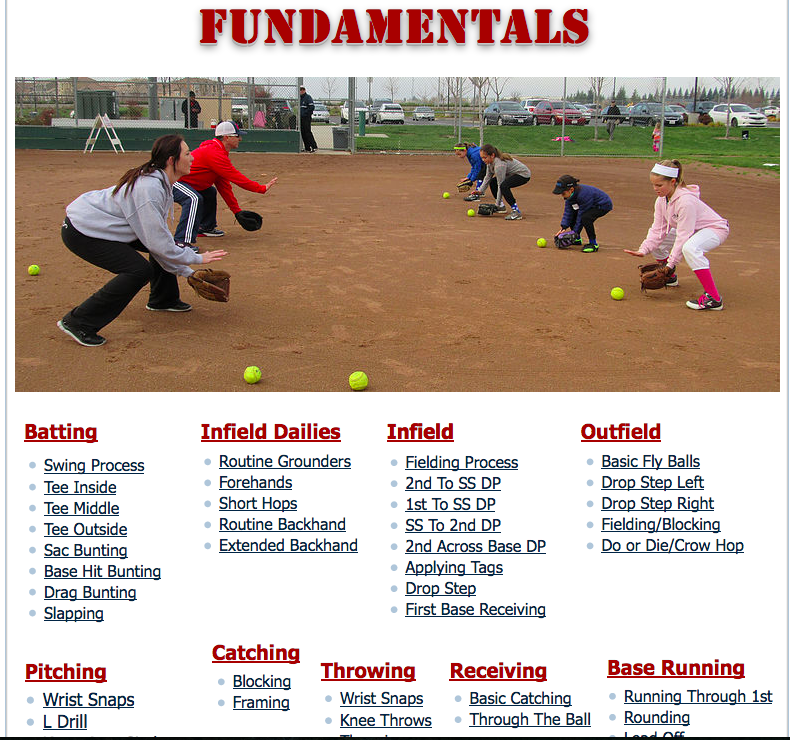
Fielding drills are more than just learning how to catch a ball. They train players to react swiftly, position themselves accurately, and carry out plays effectively. These drills help develop muscle memory, which is crucial during intense game scenarios. Additionally, drills improve players’ comprehension of the game, allowing them to predict where the ball will land and what their subsequent action should be.
Take, for instance, a straightforward exercise such as the “Triangle Drill.” This drill encourages players to improve their footwork, balance, and throwing accuracy. Players create a triangle in this drill and practice tossing the ball to one another, emphasizing rapid foot movements and accurate throws.
Key Skills to Develop
For young softball players, it’s vital to focus on basic skills such as catching, throwing, and footwork. These are the cornerstones of a strong fielding player. Teaching the correct glove position, body posture, and eye coordination will enable players to field ground balls and catch pop flies more successfully.
Another crucial skill is throwing accuracy. Players need to throw with both speed and accuracy. Coaches can set up targets or cones to help players aim their throws. With consistent practice, players will naturally become more accurate and confident in their throws.
The Importance of Regular Practice
Regular practice is the secret to success in any sport, including softball. By consistently practicing fielding drills, players can improve their skills more rapidly and efficiently. This regularity helps to develop muscle memory, which is vital for good performance in games.
Furthermore, consistent practice sessions foster discipline and commitment in young players. They understand the importance of hard work and see directly how their efforts lead to progress. Coaches should motivate players to practice not only during team sessions but also at home, solidifying the skills they learn.
Must-Have Fielding Drills for Every Coach
Coaches are instrumental in molding the skills of young players. They can help players enhance their abilities and keep them interested and driven by incorporating must-have fielding drills into their practice sessions. Let’s take a look at some fundamental drills that every coach should incorporate into their training regimen.
Getting to Know Basic Throwing Drills
Throwing drills are crucial for building a player’s arm strength and precision. A good example of a drill is the “Partner Throwing Drill.” In this exercise, players team up and stand a short distance from each other. They toss the ball to each other, concentrating on the correct grip, posture, and follow-through.
When the players are ready, the coaches can widen the gap between the partners to test their throwing strength and accuracy. This slow and steady progress allows the players to gain trust in their throwing skills.
Perfecting Ground Ball Skills
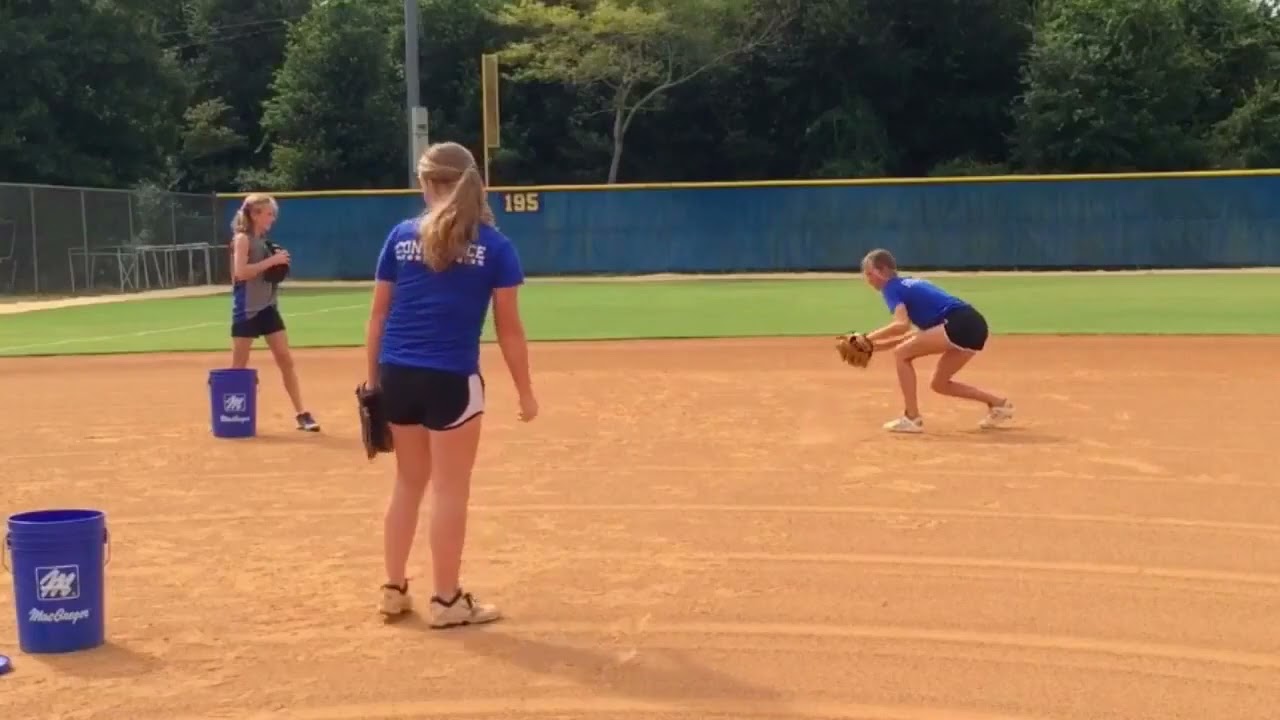
It is vital for any softball player to perfect their ground ball skills. The “Ground Ball Relay” drill is a great way to work on this skill. In this drill, players line up and take turns fielding ground balls rolled to them by a coach or teammate. After they field the ball, they quickly throw it to the next player in line. For more tips, check out these 12u baseball drills for top hitting and fielding coaching techniques.
This exercise assists athletes in improving their glove skills, foot placement, and speedy shifts from catching to throwing. Coaches should stress the necessity of staying low and keeping their eyes on the ball to guarantee successful catching.
Catching Pop Flies with Ease
Pop flies can be tough for young players. However, the right drills can help them learn to catch pop flies with confidence. In the “Pop Fly Drill,” a coach or teammate hits or throws pop flies to players. The players must then track the ball and catch it.
It’s important for players to concentrate on using both hands to catch the ball securely and to position themselves correctly beneath it. Regular practice of this drill will increase players’ self-assurance and ability to deal with high-stress situations in games.
Speedy Footwork and Flexibility Training
For good fielding, flexibility and speedy footwork are essential. The “Ladder Drill” is a widely used workout for enhancing these abilities. Players sprint through a flexibility ladder set on the field, concentrating on swift and accurate foot movements. For more infield techniques, check out these infield drills for youth baseball and softball.
Coaches can switch it up a bit by incorporating side steps or hopping to keep the drill interesting and challenging. By developing agility, players can respond quicker to balls hit in their direction, thus enhancing their overall fielding performance.

Modifying Drills for Novices
With novices, the key is to start with drills that are straightforward but efficient. These drills should emphasize foundational abilities like catching, throwing, and footwork. The “Catch and Toss” drill is an excellent place to begin. Players form pairs and practice throwing the ball to each other, focusing on catching with both hands and throwing accurately.
For beginners, the “Cone Drill” is a beneficial exercise. Arrange cones in a straight line and instruct players to practice running to each cone, fielding a ball, and throwing it back to a specific target. This drill enhances agility, hand-eye coordination, and throwing precision. Maintaining drills simple ensures that beginners can understand the basics without feeling overwhelmed. For more ideas, check out these fun baseball beginner drills.
Progressive Drills for Skilled Players
As players gain more experience, they need drills that are more challenging to continue their growth. The “Double Play Drill” is perfect for refining fast decision-making and teamwork. In this drill, players practice turning double plays by fielding ground balls, making fast throws to second base, and then to first base.
A more challenging drill is called the “Reaction Drill.” In this activity, players stand in the ready position while a coach hits balls to different parts of the field without any warning. Players have to think fast to field the ball and make a precise throw to a target. This drill is beneficial for enhancing reaction speed and strengthening the correct fielding methods when under stress. For more fielding techniques, check out these infield drills for youth baseball.
Keeping Drills Engaging and Challenging
It’s important to keep drills fun and engaging to hold the players’ interest and motivation. This can be done by adding games into practice sessions. For example, the “Fielding Relay Race” is a fun drill that also helps develop skills through competition.
For this exercise, split the players into groups and create a relay race with different fielding tasks, like catching pop flies, scooping up ground balls, and throwing accurately. The first group to finish the race is the winner. This exercise promotes teamwork, communication, and friendly competition.
- Stir up friendly rivalries to keep the players interested.
- Keep the players on their toes by adding a twist to conventional drills.
- Recognize and reward hard work and improvement.
When drills are fun, players are more likely to stay focused and excited about practice.
Keys to Effective Coaching
Effective coaching is about more than just teaching skills; it’s about creating a positive environment where players feel supported and encouraged. By implementing effective coaching strategies, coaches can help players reach their full potential and enjoy the game.
One-on-One Coaching Advice
It’s important for coaches to provide individual attention to each player to help them grow. By understanding each player’s unique strengths and areas for improvement, coaches can provide tailored advice and feedback. Regular individual coaching sessions can help players develop specific skills and boost their self-esteem.
Urge the players to establish individual objectives and monitor their advancement. This not only inspires them but also gives them a feeling of control over their growth. Applaud accomplishments, regardless of how insignificant, to increase spirits and emphasize the importance of effort. For more insights, check out these fun baseball beginner drills to keep the practice engaging and effective.
- Give helpful criticism and applaud their efforts.
- Create reachable objectives and cheer when they’re met.
- Support and motivate players to boost their self-esteem.
Concentrating on personal development can help coaches foster a passion for the game in players and inspire them to get better.
Team Building Exercise Techniques
Team building exercises are a great way to foster team spirit and enhance communication skills. Coaches should create exercises that require the players to work as a team, like relay races or team challenges. This promotes communication, cooperation, and encouragement amongst the players.
Keeping Track of Improvement and Offering Constructive Criticism
It’s crucial for coaches to keep an eye on their players’ development. By keeping tabs on each player’s performance and regularly offering feedback, coaches can help players understand what they’re doing well and what they need to work on. This way, players can concentrate on honing particular skills during training sessions.
Advice should be detailed, practical, and given in a constructive way. Rather than just highlighting errors, provide resolutions and motivation. This method promotes a development mentality and inspires players to welcome difficulties and learn from what they’ve gone through.
Equipment and Safety Considerations
It’s important for players to have the right equipment and to practice in a safe environment for effective fielding drills. The right gear can not only improve performance, but also reduce the risk of injury. Coaches should make safety a priority and make sure all players have the gear they need.
Moreover, to establish a secure practice setting, coaches should inspect the field for potential dangers, supervise the players sufficiently, and instruct them on the correct techniques to avoid getting hurt. Safety should be a top priority for coaches, as it allows them to create a positive and safe space for players to develop their skills.
- Make sure each player has gloves and cleats that fit them well.
- Choose softballs that are suitable for the age and ability of the players.
- Check the equipment regularly to see if it’s worn out or damaged.
When players have the right equipment and are safe, they can concentrate on getting better and don’t have to worry about getting hurt.
Must-Have Equipment for Fielding Drills
Proper equipment is a must for successful fielding drills. Every player needs a glove that fits them well and is appropriate for their position and ability. Cleats are also important because they give the necessary grip for fast moves on the field. Coaches should make sure their players have good softballs for practice.
Maintaining a Safe Practice Field
Keeping a safe practice field is key to preventing injuries and allowing players to concentrate on their skills. Coaches need to check the field regularly for hazards like holes or trash and deal with any safety issues immediately. Providing enough oversight and instructing players the right techniques also adds to a safe practice environment.
Conclusion: Promoting a Positive Learning Environment
Establishing a positive learning environment is crucial for motivating young softball players. By emphasizing skill development, creating engaging drills, and cultivating a nurturing environment, coaches can assist players in developing a passion for the game and a drive to get better.
By promoting team spirit, open communication, and a willingness to learn, you can not only improve your players’ abilities but also teach them important life skills. With the right attitude, you can motivate the softball stars of tomorrow to reach their highest level of performance and have fun doing it.
Encouraging Team Unity
- Advocate for open dialogue between players.
- Build a sense of unity through team-building exercises.
- Support inclusivity and respect within the team.
Encouraging team unity is crucial for establishing a positive and supportive environment where players can excel. Advocating for open dialogue between team members aids in the development of trust and understanding. Coaches should support inclusivity by making sure that each player feels appreciated and respected, regardless of their abilities.
By participating in team-building activities, like group trips or exciting games, players can form stronger relationships and create lifelong friendships. These activities allow players to interact outside of their normal practice times, which can help them feel more connected and like they are part of a team.
Coaches can foster a team culture that encourages players to support one another and work collectively towards shared objectives by emphasizing the importance of team spirit.
Encouraging a Growth Mindset
It is important to encourage a growth mindset in players. This will help them to see challenges as opportunities and mistakes as chances to learn. Coaches should encourage players to set their own personal goals and celebrate any progress, no matter how small. This will help them to develop resilience and perseverance, which are important skills for overcoming obstacles both on and off the field.
Commonly Asked Questions
While coaching and parenting young softball players, there are often several recurring questions. Answering these questions can provide both players and their parents or coaches with helpful guidance and reassurance.
How frequently should fielding drills be practiced?
Fielding drills should be practiced on a regular basis, at least 2-3 times a week is ideal. Regular practice helps to strengthen skills and develop muscle memory. Coaches can include drills in regular practice sessions and encourage players to practice at home as much as possible.
When should kids start training for softball?
Children can start training for softball when they’re around 5 or 6 years old, with a focus on basic skills and enjoyable activities. At this age, the goal is to make the experience positive and fun to cultivate a love for the game. As players get older and their skills improve, training can become more structured and focused.
What strategies can you use to maintain the interest of young players during practice?
It can be challenging to hold the attention of young players, but introducing diversity and imagination into practice sessions can help. Practice can be made more enjoyable by including games, friendly contests, and hands-on drills. To keep them motivated, coaches should give positive feedback and acknowledge successes.
Keeping practice sessions short and focused is especially important for younger players who may have shorter attention spans. By incorporating breaks and varying activities, you can keep interest and energy levels high. For more ideas, check out these softball training tips for girls.
Coaches can keep players motivated and excited about learning and improving their skills by making practice sessions engaging and dynamic. For additional tips, check out these fun baseball beginner drills to enhance your sessions.
What are the best drills for young players just starting out?
If you’re just starting out, the best drills to focus on are ones that concentrate on basic skills like catching, throwing, and footwork. A good place to start is with the “Catch and Toss” drill and the “Cone Drill”. These drills are designed to help players build basic skills in a way that’s fun and easy to understand.
What are some common errors that coaches should watch for?
Coaches need to look out for common errors like incorrect glove placement, bad throwing techniques, and not paying enough attention to footwork. Catching these errors early can stop bad habits from developing and make sure players learn the right techniques.
How can you transfer fielding skills to actual game situations?
By incorporating situational drills that mirror real-life game situations, fielding skills can be transferred to actual game situations. Coaches can organize drills that demand quick decision-making, such as turning double plays or responding to pop flies. This enables players to use their skills in a game setting and enhances their ability to perform in high-pressure situations. For more detailed guidance, explore these 12u baseball drills and coaching tips.
How important is physical conditioning in fielding?
- Boosts agility and speed.
- Increases stamina and endurance for extended games.
- Lessens the chance of injury through correct strength training.
Physical conditioning is a key aspect of fielding as it boosts players’ agility, speed, and endurance. Implementing exercises like agility drills, strength training, and cardio workouts can boost players’ overall athleticism and performance on the field.
By emphasizing physical fitness, players can enhance their fielding skills and lower their chances of getting hurt, which will allow them to play at their peak during games.
Coaches should motivate players to keep a balanced fitness routine that includes stretching and recovery to support their physical development and overall health.
What can parents do to help their children improve their softball skills at home?
Parents can help their children improve their softball skills by giving them chances to practice at home. Creating a safe area for throwing and catching drills, or playing catch in the backyard, can help strengthen the skills they learn during practice.
Keeping the girls motivated is easier when they’re excited about practice and understand that effort and improvement are the most important aspects of the game. Parents can help by attending games and practices, cheering the girls on, and celebrating their achievements and progress.
Parents can foster a love for softball and a dedication to constant improvement in their children by providing a supportive and nurturing atmosphere.

Leave a Reply