Main Points
- Children as young as eight can begin learning how to pitch a baseball to develop basic skills.
- Correct pitching mechanics can help prevent injuries and improve performance.
- Drills such as the Towel Snap and Long Toss can help improve accuracy and power.
- Parents and coaches play a vital role in providing feedback and support.
- It is crucial to balance practice with rest to avoid overuse injuries.
Why Baseball Pitching is Important for Kids
Pitching a baseball is more than just throwing a ball; it’s about developing a skill set that can enhance a child’s journey in sports. From learning the basics to building lifelong skills, pitching provides young athletes with a platform to grow. Besides that, it teaches them discipline, focus, and perseverance—qualities that are valuable both on and off the field.

Building Fundamental Abilities and Self-Assurance
Mastering the art of pitching can greatly enhance a child’s self-assurance. When they witness the fruits of their labor in the form of more precise and forceful pitches, it strengthens their faith in their own capabilities. Furthermore, becoming adept at pitching demands focus and commitment, which are fundamental abilities that serve them well in other aspects of life, such as academics and personal obstacles.
Creating a Solid Base for Future Success
For young athletes, building a solid base in pitching mechanics is key. Good technique not only boosts performance but also reduces the risk of injury. It’s vital to concentrate on aspects such as grip, stance, and follow-through from the outset. This base prepares them for more complex skills as they mature and compete against more challenging opponents. For practical guidance, explore these pitching drills for youth pitchers to enhance their skills.
Fostering Team Spirit and Fair Play
Even though pitching might appear to be a solitary activity, it is actually a group endeavor. Young pitchers are taught to interact with their catchers and modify their tactics depending on the game’s flow. Fostering team spirit and fair play from a young age aids in their understanding of the importance of cooperation and respect for others, both of which are crucial elements of any sport. For more on developing these skills, explore our top hitting and fielding coaching tips.
Professional Advice for Successful Kid’s Pitching
There are many important things to consider when it comes to kid’s pitching. It’s important to focus on these areas to make sure that young players both improve their abilities and have fun with the game. Here are some professional pieces of advice that can make a big difference in a kid’s journey with pitching.
Concentrating on Grip and Control
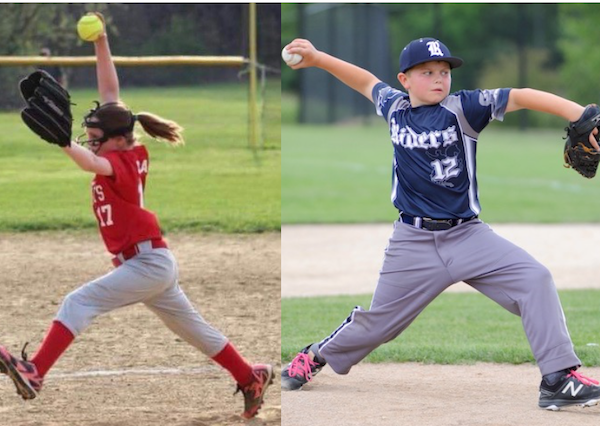
The grip is the basis of every pitch. Instructing kids the correct way to grasp the ball can significantly enhance their control and precision. Begin with the fundamental four-seam grip, which is perfect for novices. Urge them to grasp the ball with their fingertips rather than their palm. This method allows for improved control and spin.
Mastering a Steady Delivery
When it comes to pitching, consistency is everything. Young pitchers need to master a steady delivery to keep their throws under control and accurate. This means doing the same movements every time they pitch. They should concentrate on their stride, the angle of their arm, and their follow-through. As they practice, this consistency will become a habit and they’ll perform better and more reliably.
Keeping Your Stance Balanced
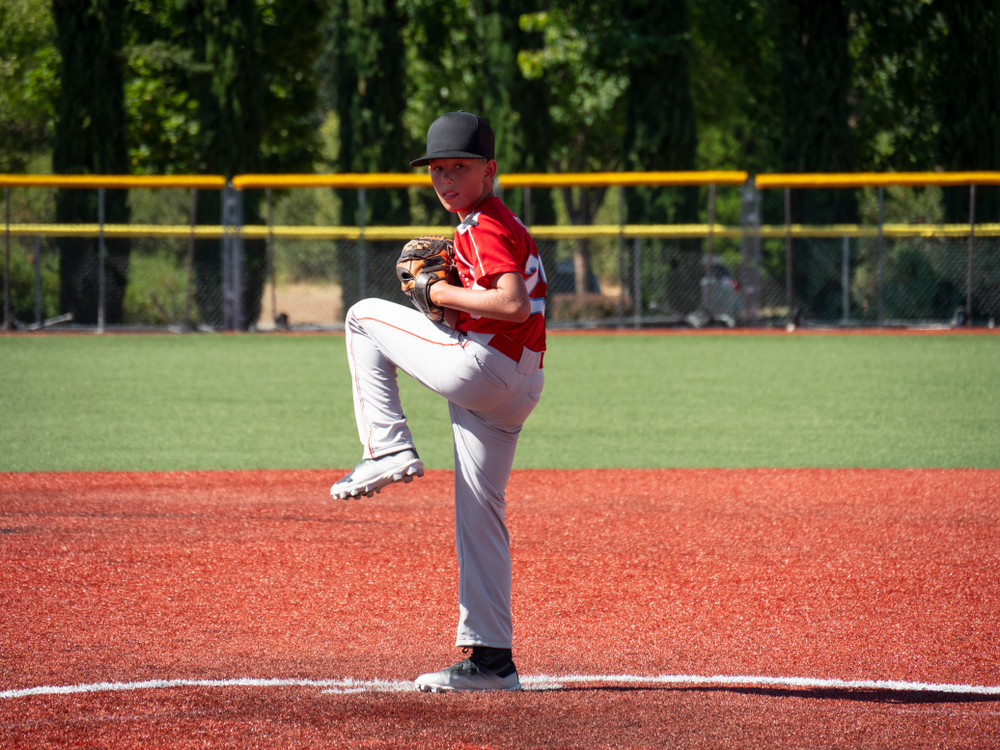
Having a balanced stance is key to good pitching. It gives you the stability you need to create power and control where the ball goes. Make sure young pitchers keep their feet as wide as their shoulders and keep their weight even. This kind of stance lets them push off the mound well and keep their balance all through their delivery.
Keeping your balance can also help prevent injuries by reducing the amount of stress on your arm and shoulder. Young players should practice balance drills, such as standing on one foot, to help them stay steady on the mound.
Accuracy Drill: The Towel Snap
The Towel Snap drill is a great way for young pitchers to work on their accuracy. It involves using a towel in place of a baseball to mimic the pitching motion. Here’s how to do it:
- Get the pitcher to stand in their usual pitching stance, holding a towel.
- Set up a target at their normal release point, such as a glove held by a teammate.
- The pitcher should go through their full motion, snapping the towel at the target.
This drill gives pitchers the chance to concentrate on their mechanics without the stress of throwing a ball. It helps them fine-tune their release point and follow-through, which results in improved accuracy when they go back to using a baseball.
Power Drill: The Long Toss
The Long Toss drill is a great way to build up arm strength and improve pitching power. It involves throwing the baseball over progressively longer distances, slowly increasing the distance as the pitcher’s strength increases.
This drill begins with two players standing approximately 60 feet apart. They will throw the ball to each other, slowly increasing the distance between them. The objective is to maintain good form while throwing the ball as far as they can. This drill will help young pitchers build the arm strength necessary for stronger pitches over time.
Mechanics Drill: The Wall Drill
The Wall Drill is designed to help pitchers perfect their mechanics by practicing their delivery without the added complication of a ball. For more drills to enhance your pitching technique, check out these top hitting and fielding coaching tips.
- Position yourself roughly a foot from a wall, standing in a pitching stance.
- Perform the pitching motion, paying attention to keeping the correct form and balance.
- Make sure the leading arm just touches the wall, showing a straight line delivery.
This drill is beneficial for pitchers to focus on their body mechanics, making sure their arm and body move together. It’s a great way to find and fix mechanical errors that could impact performance on the mound.
Prioritizing Safety and Health in Pitching
It’s crucial to prioritize the health and safety of young pitchers. Good form and sufficient rest are vital to preventing injuries that could keep them off the field or hinder their growth. Let’s take a look at some important aspects to consider.
How to Prevent Injuries
For young pitchers, injuries can be a major worry. But with the right techniques, many of them can be avoided. Here are a few tips, including some pitching drills for youth pitchers that can help build strength and prevent injuries.
- Always warm up correctly before each practice and game to get your muscles and joints ready.
- Work on building up the muscles in your shoulder and arm using targeted exercises.
- Make sure your pitching mechanics are correct to avoid putting extra strain on your arm.
But the most important thing is to listen to your body. If something doesn’t feel right, it’s better to take a break and ask a coach or doctor for advice instead of pushing yourself and risking getting hurt.
Identifying Overuse Symptoms
Overuse injuries are a frequent occurrence in young athletes, particularly pitchers who consistently throw without taking enough breaks. Here are some symptoms to look out for:
- Constant arm or shoulder pain or soreness.
- Struggling to keep up with regular pitching speed or a decrease in performance.
- Elbow or shoulder swelling or bruising.
If your child is experiencing any of these symptoms, it’s important to have them stop pitching and see a healthcare provider. Catching these issues early can prevent more severe injuries later on. For more tips on keeping young athletes safe, check out these baseball beginner drills and training tips.
Best Practices for Rest and Recovery
Rest and recovery are as important as practice. They allow the body to heal and strengthen, reducing the risk of injury. Here are some best practices:
- Make sure to have days off during the week to let the muscles heal.
- Use ice on the arm after throwing to help with swelling.
- Make sure to drink plenty of water and eat healthy to help with overall health and recovery.
With recovery as a priority, young throwers can keep their performance up and enjoy the game without any breaks.
Improving Practice and Consistency for Young Pitchers
Consistency is crucial in developing any skill, and pitching is no different. Frequent practice, along with feedback and adjustments, can result in noticeable progress over time.
Establishing Achievable Goals and Milestones
Establishing achievable goals can help keep young pitchers inspired and on track. These goals should be specific, measurable, and achievable. For example, striving to improve strike accuracy by a certain percentage or increase pitching speed by a few miles per hour.
Splitting these goals into bite-sized milestones can make them seem less daunting and more rewarding. Celebrate each accomplishment to maintain high motivation and encourage continued effort.
The Role of Constructive Criticism and Adaptability
Constructive criticism is a crucial part of development. Coaches and parents can help young pitchers polish their skills by providing helpful feedback. It’s also important to encourage them to be receptive to feedback and ready to make the changes that are needed.
Furthermore, video analysis can be a useful tool. Recording pitching sessions and reviewing them can help identify areas that need improvement and track progress over time.
How Parents and Coaches Impact Development
The development of a young pitcher is heavily influenced by their parents and coaches. The support and guidance provided by these individuals can greatly impact the athlete’s progress and enjoyment of the sport. By creating a positive and encouraging environment, parents and coaches can instill a love for the game and a desire to improve in the young pitcher.
Coaches play a vital role in teaching the correct techniques and offering helpful feedback. They need to concentrate on developing a strong set of skills while highlighting the significance of fair play and working as a team. Parents can help their child’s progress by promoting practice, going to games, and applauding achievements.
- Give helpful criticism to improve abilities.
- Make a nurturing and optimistic atmosphere.
- Promote practice and commitment to the game.
With teamwork, parents and coaches can assist young pitchers in maximizing their capabilities and appreciating the numerous advantages of youth sports.
Common Questions and Answers
When children start learning to pitch, many questions often come up. In this section, we’ll answer some of the most frequently asked questions and provide useful information for parents and coaches.
Grasping the subtleties of youth pitching can make the experience more enjoyable and beneficial for all parties involved. Let’s take a look at some common questions.
|
Question |
Answer |
|---|---|
|
At what age should my child begin pitching lessons? |
Children can start learning the basics of pitching around the age of 8. They can start to grasp the fundamentals and begin to develop coordination at this age. However, every child is unique, so it’s important to take into account their interest and readiness. |
|
How often should my child practice pitching? |
Consistency is important, but it’s also important not to overdo it. A good balance is practicing 2-3 times a week, with adequate rest in between sessions. This allows for skill development while also reducing the risk of overuse injuries. |
|
What equipment is necessary for youth pitching? |
The necessary equipment includes a glove that is the right size, a baseball, and a pair of cleats for better traction. A pitching mound or flat surface for practice is also helpful. As they advance, consider adding training aids like weighted balls or resistance bands. |
|
How can my child increase their pitching velocity? |
Increasing velocity involves building arm strength, refining mechanics, and maintaining a healthy training routine. Encourage exercises that target the shoulders, core, and legs, as these areas contribute to power generation. |
|
What are some signs that my child might be overpitching? |
Signs of overpitching include persistent arm pain, decreased performance, and fatigue. If any of these symptoms are present, it’s important to take a break and consult a healthcare professional to prevent further injury. |
|
How important is warm-up before a pitching session? |
Warming up is critical for preventing injuries and ensuring peak performance. A proper warm-up routine should include dynamic stretches, light jogging, and throwing drills to prepare the muscles and joints for activity. |
|
Can pitching drills improve my child’s overall coordination? |
Yes, pitching drills can improve coordination by requiring precise movements and timing. These drills help develop hand-eye coordination, balance, and agility, which are beneficial for overall athletic performance. |
|
What steps can we take to encourage sportsmanship in young pitchers? |
Encouraging sportsmanship involves teaching respect for teammates, opponents, and officials. Emphasize the importance of fair play, positive communication, and celebrating both individual and team achievements. |
By addressing these questions and concerns, parents and coaches can better support their young athletes as they embark on their pitching journey. Remember, the ultimate goal is to foster a love for the game and create a positive experience that encourages growth and development.

Leave a Reply