Essential Points
Young pitchers are encouraged to master the changeup to improve their pitching repertoire.
The grip of a changeup can significantly affect the pitch’s effectiveness.
It’s crucial to keep a consistent arm speed to conceal the changeup from the fastball.
Drills and practice are key to mastering the mechanics of a changeup.
A well-delivered changeup adds variety and keeps batters guessing, enhancing game performance.
Why a Changeup is Important for Young Pitchers
For a young pitcher, learning to throw a changeup is like adding a secret weapon to your pitching arsenal. It’s not just about speed; it’s about finesse, control, and keeping batters guessing. A changeup can make the difference between a good pitcher and a great one. Most importantly, it teaches you to play smart, not just hard.
The changeup is a slower pitch that throws off the batter’s timing.
It’s a great complement to the fastball, making it more difficult for batters to anticipate your next pitch.
Learning the changeup early on can give you a competitive edge over your peers.
Many young pitchers are obsessed with throwing as fast as possible, believing that speed is the key to success. While a strong fastball is important, relying only on speed can limit your effectiveness as a pitcher. That’s why it’s crucial to include a changeup in your pitching repertoire.
The Importance of Perfecting the Changeup
We’re going to take a closer look at why the changeup is such a crucial pitch for young players. Firstly, it gives pitchers the ability to keep batters guessing. When a batter is expecting a fastball and instead receives a slower changeup, it throws off their timing. This can result in less powerful hits or even completely missed swings.
In addition to this, the changeup allows pitchers to concentrate on control and technique. It’s not all about strength; it’s about accuracy. Fostering these skills early can result in more fruitful pitching careers.
Why You Shouldn’t Only Use Fastballs
Only using fastballs can make a pitcher easy to read. Batters can get used to the speed and path, making the pitcher less effective. By adding a changeup, you bring in a surprise factor. For more on improving your pitching techniques, check out these youth pitching tips.
Moreover, a changeup can help prevent arm strain in young pitchers. Throwing fastballs nonstop can lead to exhaustion or even harm. Using a slower pitch can help keep their arm in good shape throughout the long season.
Let’s take a look at this example:
“I remember a young pitcher in our league who had a killer fastball but had a hard time winning games. After he learned how to throw a changeup, his game really took off. Batters didn’t know what was coming, which led to more strikeouts and fewer hits.”
Boosting Your Pitch Variety and Effectiveness
Adding a changeup to your pitching arsenal boosts your variety. It shows that you can change and adapt based on the batter’s actions. This ability to adapt is vital as you move forward in your baseball career.
Additionally, a properly thrown changeup can make your fastball seem even quicker. By keeping the batter on their toes, you increase your chances of success on the mound. For more tips, check out these pitching techniques for youth pitchers.
Essential Mechanics of a Great Changeup
Now that we know how important a changeup is, let’s dive into the mechanics that make it a great pitch. Correct form is essential to make sure that the changeup is as tricky as possible.
First, let’s start with grip techniques, which are the key to a successful changeup.
“The grip is the most important part of throwing a good changeup. Without the right grip, it’s just another slow pitch.”
Correct Ways to Hold the Ball
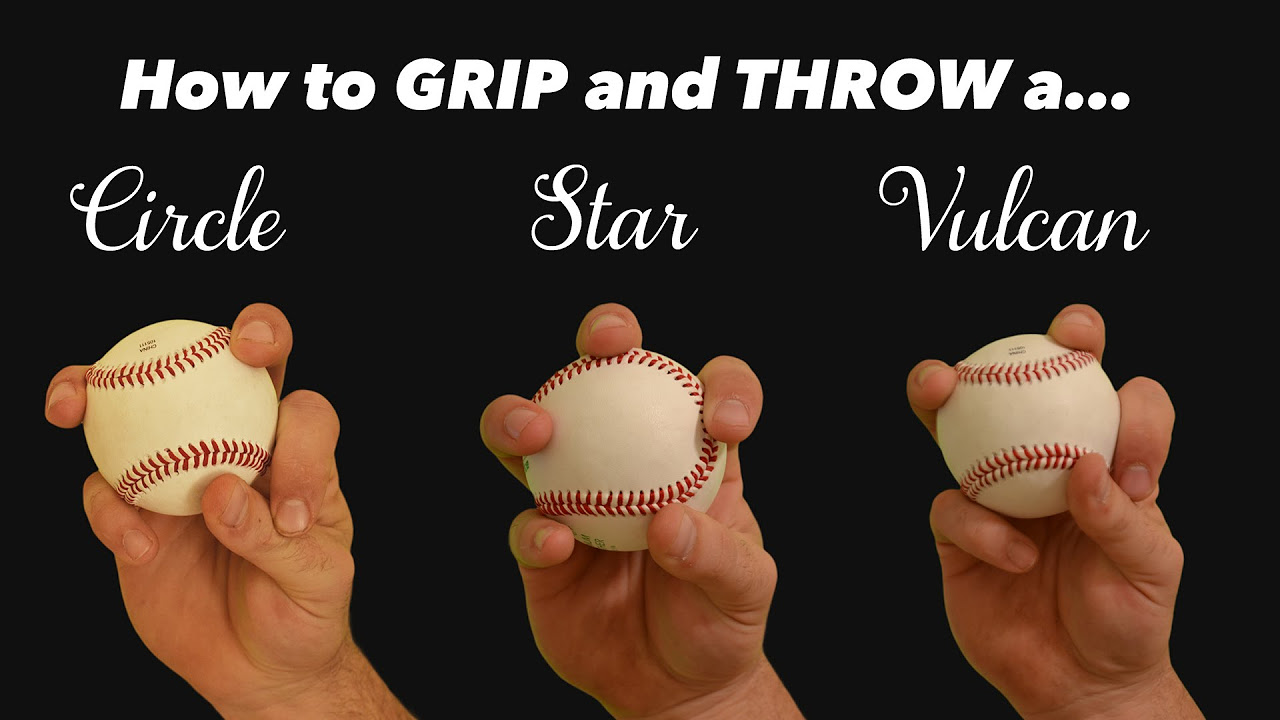
Circle Changeup: Make a circle with your thumb and pointer finger on the side of the ball. The rest of your fingers should lay across the seams.
Three-Finger Changeup: Grip the ball with your middle, ring, and pinky fingers, with your thumb underneath for support.
Palm Changeup: Hold the ball deep in your palm, using all of your fingers to grip it.
Each way to hold the ball has its own pros and cons. Trying out these different holds during practice can help young pitchers figure out what feels best and works best for them.
In the following section, we’ll go over how to keep your arm speed effective and how to make sure your release point is consistent. Both of these are key to a successful changeup.
Practicing Arm Movement and Speed
Keeping your arm speed consistent is crucial for throwing a good changeup. The goal is to make the changeup look like a fastball until the very last second. This will take practice and discipline. A good drill to try is to practice your arm motion without the ball. You want to mimic the fastball motion as much as you can.
Try the “mirror drill” as well. Stand in front of a mirror and practice your pitching motion. Make sure that your arm speed is the same for both fastballs and changeups. Seeing yourself can help you see what you need to adjust.
Finally, consider incorporating resistance bands into your workouts to build up your arm strength. A stronger arm can help maintain your pitching speed and reduce the risk of injury. Add these exercises to your regular practice routine and you’ll see improvements over time.
Real-Game Pitching Drills
By practicing in situations that mimic real games, your changeup can greatly improve. Create a pretend game with a catcher and a batter, and concentrate on using your changeup tactically. This aids in the development of confidence and familiarity with the pitch. For more insights on enhancing your pitching skills, explore these pitch recognition strategies.
Furthermore, take advantage of bullpen sessions to refine your changeup. Alternating between fastballs and changeups can help you get better at hiding your pitches. This will make you more confident in using the changeup in real games.
Typical Mistakes and How to Dodge Them
Despite training, young pitchers can make typical mistakes that slow their improvement. Being aware of these mistakes and knowing how to dodge them is key for progress. For more tailored guidance, explore coaching tailored training for different age groups.
Don’t Slow Your Arm
One of the most common mistakes is slowing down your arm when throwing a changeup. This can alert the batter that a slower pitch is on its way. To prevent this, work on keeping the same arm speed as your fastball. Do drills that focus on consistent arm movement to create muscle memory. For more tips on improving your pitching technique, check out these youth pitchers’ pitching techniques.
Changing Release Points
One of the common problems is changing release points. If your release point changes, the pitch can become unpredictable and ineffective. Try to find a comfortable grip and release point that you can consistently repeat. Video analysis can be a useful tool to find and correct inconsistencies. For more tips, check out this guide on how to throw a changeup.
Don’t Overcomplicate the Pitch
Overcomplicating things can lead to hesitation and poor execution. Trust your training and let the grip do the work. Remember, a changeup is meant to be thrown with the same conviction as a fastball. Keep your mind clear and focus on the mechanics you’ve practiced.
Useful Tips for Improving Your Changeup
Consistent practice is key to perfecting the changeup. Include these tips in your practice regimen for noticeable results.
Regular Training Schedules
Make it a habit to train your changeup daily. Begin with warm-up drills to prepare your arm and increase power. After this, perform grip exercises and arm movement drills to strengthen the techniques.
Long Toss Adjustments
Long toss is a great tool to improve arm strength and accuracy. Add changeups into your long toss routine to work on keeping speed and control over longer distances. This can help improve your pitching.
Moreover, consider using a radar gun to check the speed of your changeup. This could give you essential feedback and assist you in making any required changes to your technique.
|
Changeup Type |
Speed Range (mph) |
Accuracy Level |
|---|---|---|
|
Circle Changeup |
65-75 |
High |
|
Three-Finger Changeup |
60-70 |
Moderate |
|
Palm Changeup |
55-65 |
Variable |
This table can be a useful tool to monitor your improvement and to make a knowledgeable decision about which changeup type fits you best.
Using Coaches’ Feedback
Coaches’ feedback is crucial for improving your changeup. They can give you advice about your technique and how you can improve it. Accept constructive criticism and use it to make your skills better. For more insights, explore these best coaching strategies that can be applied to enhance your pitching skills.
Also, think about recording your pitching sessions and going over them with your coach. Seeing yourself in action can help you see what you need to work on and see how you’re getting better over time.
Perfecting Your Pitching Game Plan
Adding a changeup to your pitching repertoire takes thoughtful planning and execution. Think about the best times and ways to use the changeup to make it as effective as possible.
Use the changeup early in the count to keep batters on their toes. When you mix it with other pitches, your overall strategy becomes more dynamic and tough for the batter.
Knowing When to Throw the Changeup
Knowing when to throw a changeup can be just as important as knowing how to throw it. The changeup is most effective when it is thrown in a situation where the batter is expecting a fastball. This could be when you are ahead in the count or when you notice that the batter is gearing up for a fastball. The purpose of the changeup is to disrupt the batter’s rhythm and timing, so use it strategically. For more insights on enhancing your pitching techniques, check out these youth pitching tips.
Using a changeup during the first at-bat of a game is a great time to use it. It sets the tone and keeps the batter guessing for future at-bats. It’s also a great tool to use after a series of fastballs to keep the batter off balance.
“I remember training a young pitcher who cleverly used his changeup in the third inning, having only thrown fastballs in the first two. The other team was taken by surprise, resulting in multiple strikeouts and a solid performance.”
Don’t forget, the goal is to make the changeup appear like a fastball until the batter can’t adjust in time. This will take practice and confidence in your pitching plan.
Mixing it Up with Other Pitches
When you mix a changeup with other types of pitches, it is most effective. If you mix up your pitches, you create a strategy that is both dynamic and unpredictable. This keeps the batters guessing. Start by pairing your changeup with a fastball. The change in speed can really trick the batter.
Moreover, think about throwing a curveball or slider along with your changeup. This not only adds some spice but also makes it harder for batters to guess your next pitch. By keeping your pitch selection diverse, you keep the element of surprise on your side.
Adjusting to Various Batters
Each batter is unique, and your pitching plan should mirror this. Some batters may have a hard time with slower pitches, while others may be good at hitting them. It’s crucial to watch the batter’s habits and adjust your plan as needed.
Keep an eye out for batters who have a hard time with timing and take advantage of this by using a changeup.
If a batter keeps hitting your fastball, consider throwing in a changeup to throw them off their game.
For batters who tend to be aggressive early in the count, think about starting with a changeup to surprise them.
By knowing the batter’s strong points and weak spots, you can adjust your pitching strategy to be as effective as possible. For more tailored strategies, consider exploring coaching tailored training for different age groups.
In the end, a well-executed changeup can be a game changer. It takes practice, strategy, and confidence, but the payoff is worth it. With these tips, young pitchers can develop a killer changeup that improves their game and sets them apart from the competition. For more insights, check out these pitching techniques and tips to enhance your skills.
Questions You May Have
Here are some common questions about perfecting the changeup, along with useful answers to help young pitchers hone their skills. For more information, check out these pitching techniques and tips that can further enhance their abilities.
What’s the most effective grip for a changeup?
The most effective grip for a changeup varies from pitcher to pitcher, as it’s dependent on comfort and effectiveness. Some of the most popular grips include the circle changeup, three-finger changeup, and palm changeup. Try out different grips to see which one feels the most comfortable and produces the best results.
What’s the best way to keep my arm speed up when I’m throwing a changeup?
It’s really important to keep your arm speed up when you’re throwing a changeup, to keep the batter guessing. Try doing some drills that help you keep your arm motion consistent, like the mirror drill or resistance band exercises. These can help you develop muscle memory, and make sure your arm speed is the same for your changeup as it is for your fastball.
Moreover, make sure to throw the changeup with the same force and certainty as your fastball. This will keep your arm speed from noticeably decreasing.
What makes the changeup a crucial pitch for young pitchers?
The changeup is a crucial pitch because it gives a pitcher’s repertoire diversity and keeps the batters on their toes. It encourages young pitchers to prioritize control and technique over speed. A young pitcher who can master the changeup will stand out from the crowd and be more effective on the mound.
Moreover, a well-performed changeup can lessen the stress on a pitcher’s arm by offering an option to always throwing fastballs.
How much should I practice my changeup?
Consistent practice is key to getting good at the changeup. Make sure to include changeup drills in your daily practice routine, with a focus on grip, arm motion, and release point. With regular practice, you will build confidence and get better at it over time. For more tips on improving your pitching techniques, check out these pitching techniques tips.
What are some frequent errors that pitchers make with a changeup?
Some frequent errors are slowing down the arm, not having a consistent release point, and thinking too much about the pitch. To avoid these errors, concentrate on keeping a consistent arm speed, finding a grip and release point that is comfortable for you, and having confidence in your training. Regular practice and feedback from your coaches can also help you fix these issues.
Moreover, don’t fall into the trap of using the changeup too much. Use it in a calculated way to keep batters on their toes and boost your overall pitching game plan.
How can I tell if my changeup is working?
A working changeup will throw off the batter’s timing and result in weaker hits or swings and misses. Watch the batter’s response and adjust your game plan as needed. Also, ask for input from your coaches and teammates to determine how well your changeup is working. For more insights, consider these pitching techniques and tips that can enhance your overall performance.

Leave a Reply