Important Points
- Efficient practice planning can improve player skills and save time, allowing for more focused training.
- Traditional practice plans often fail because they lack structure and engagement, leading to wasted time.
- Prioritizing real game scenarios in practice helps players apply skills in actual games.
- Using station rotations keeps players active and allows coaches to focus on specific skills.
- Integrating conditioning into practice enhances player endurance and performance.
Plan Better Baseball and Softball Practices in Less Time
Planning baseball and softball practices can seem daunting, but it’s essential for player development. By structuring practices efficiently, you can maximize the time spent on the field, ensuring that each session is productive and enjoyable for everyone involved. Let’s dive into the benefits of efficient practice planning and explore why traditional methods might not always hit the mark.
Why You Should Plan Your Practices Efficiently
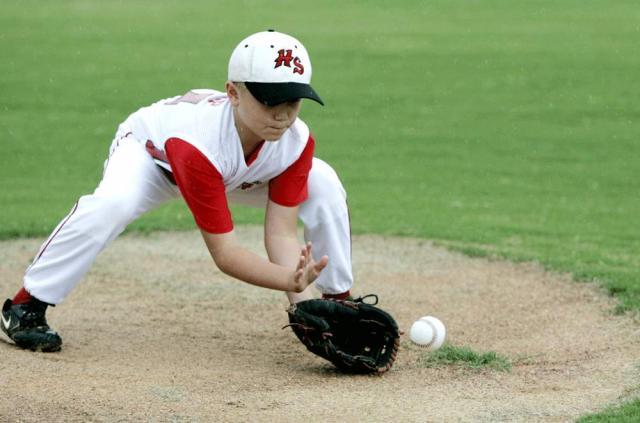
Planning your practices efficiently has many advantages. The most important one is that it lets players concentrate on developing their skills. When practices are well-planned, players can work on specific skills without feeling like they’re in a hurry or like they’re being asked to do too much. This focus results in visible progress over time.
Furthermore, good planning saves time. Coaches who have a clear plan can make sure that every minute on the field is used to its full potential. This not only improves the learning experience, but it also keeps players interested and motivated. For more on effective practice plans, check out these baseball practice plans.
Moreover, organized practices create a favorable team atmosphere. When team members are aware of what will happen, they are more inclined to work together and back each other up, resulting in enhanced team dynamics and better game performance.
What Makes Traditional Practice Plans Ineffective
Traditional practice plans are not always successful and there are several reasons for this. The most significant problem is the absence of structure. When there is no clear plan, practices can become disorganized, leaving players uncertain about what they should concentrate on. This confusion results in wasted time and missed chances to improve skills. For a more structured approach, consider exploring a home baseball practice routine that offers perfect training plan tips.
“When I first started coaching, I would often find myself scrambling to come up with drills on the spot. It wasn’t until I began to plan ahead that I saw a real improvement in my team’s performance.” – Coach John
In addition to this, traditional plans can become repetitive. Doing the same drills repeatedly can cause boredom and disinterest. Players need variety to maintain their interest and feel challenged. For a fresh approach, consider exploring baseball coaching guides and practice plans that offer diverse drills and activities.
Lastly, these plans often don’t mimic real game scenarios. While drills are crucial, players also need to practice in conditions that imitate actual games. This experience helps them apply their skills effectively when it matters.
Planning effective baseball and softball practices can be challenging, but with the right strategies, it can become a streamlined process. Coaches should focus on key skills such as batting, fielding, and pitching to ensure comprehensive player development. For those looking to improve batting skills, consider integrating a 15-minute batting boost into your practice routine to double your child’s average and improve hitting performance. This approach not only saves time but also ensures that players are consistently improving their game.
Creating a productive practice doesn’t have to be difficult. With a few simple tips, you can create practices that are both fun and efficient for your team. Here are some helpful tips to get you started.
Firstly, always begin with a warm-up. This is an essential step for avoiding injuries and getting players in the right frame of mind. Warm-ups should include stretching and light exercises to get the body ready for more intense activity. For more tips on planning effective drills, check out baseball practice plans.
Focus on Real Game Situations
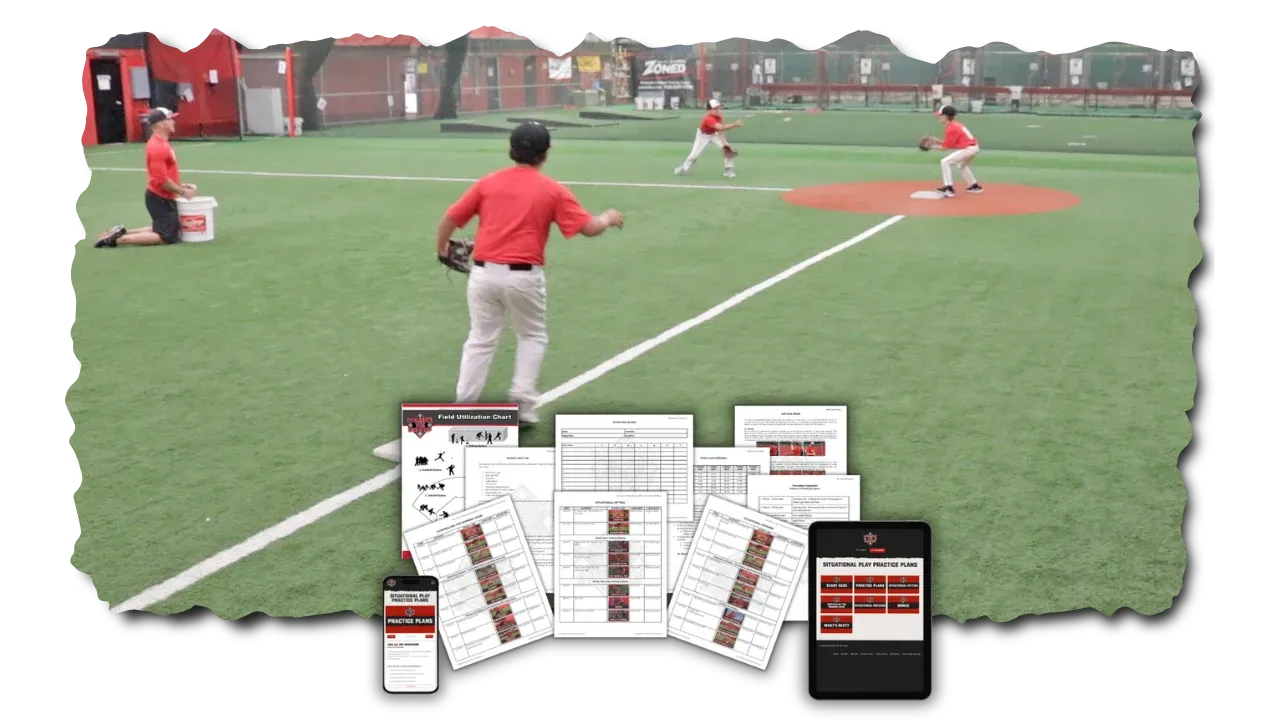
For more effective practices, focus on real game situations. This method helps players understand how to use their skills in real games, increasing their confidence and performance. For a comprehensive guide on practice plans and drills, check out this 8u-12u baseball coaching guide.
- Include situational exercises that simulate actual game situations.
- Use practice games to provide players with a sense of real game mechanics.
- Prompt players to strategize during exercises, taking into account aspects such as positioning and timing.
By concentrating on actual game scenarios, you not only improve skill development, but also mentally prepare players for the obstacles they will encounter during matches.
Using Station Rotations
Station rotations are a great way to keep practices lively and interesting. This technique involves setting up various stations, each one focusing on a different skill, and having players rotate through them.
For instance, one station could be for hitting, another for fielding, and another for pitching. By having players rotate through these stations, you can make sure that everyone gets concentrated attention on each skill area.
Station rotations are essential because they enable coaches to give individualized feedback, which helps players to progress more quickly. This method also makes practices more enjoyable because players are always on the move and being tested in new ways.
Incorporating Conditioning into Your Practices
Conditioning is a crucial part of any sports practice. By incorporating conditioning exercises into your practices, you can improve your players’ stamina and overall performance. For a detailed guide on creating effective practice plans, check out this baseball coaching guide.
- Add short sprints and agility drills to your practice routine to increase speed and reaction time.
- Implement interval training to enhance cardiovascular fitness.
- Include strength training exercises to develop muscle and avoid injuries.
By incorporating conditioning into your practices, you not only improve your players’ physical abilities but also their mental game, as they understand the role fitness plays in their performance on the field. For more insights on improving player performance, check out our explosive bat speed training program.
Enjoyable and Interactive Exercises for Little League
It’s essential to keep young players focused during practice. Little League players are known for their short attention spans, so making exercises enjoyable and interactive is key. By transforming exercises into games, you can hold their attention while still emphasizing skill development.
- Relay Races: Divide players into teams and have them race while dribbling a ball or running bases. This drill improves speed and coordination.
- Catch and Throw Challenges: Set up targets and award points for accuracy. This game-like setting enhances throwing skills and concentration.
- Home Run Derby: Allow players to take turns hitting balls as far as they can. This drill boosts batting power and confidence.
By incorporating these engaging drills, you ensure that players not only improve their skills but also have a great time on the field. Most importantly, fun drills create a positive atmosphere that encourages teamwork and sportsmanship. For more ideas, explore this baseball coaching guide to enhance your practice sessions.
Moreover, these exercises not only promote a sense of togetherness among team members, which is crucial for any team-based sport, but also make the players enjoy their time on the field, thereby encouraging them to work harder to get better.
Drills for Each Position to Improve Skills
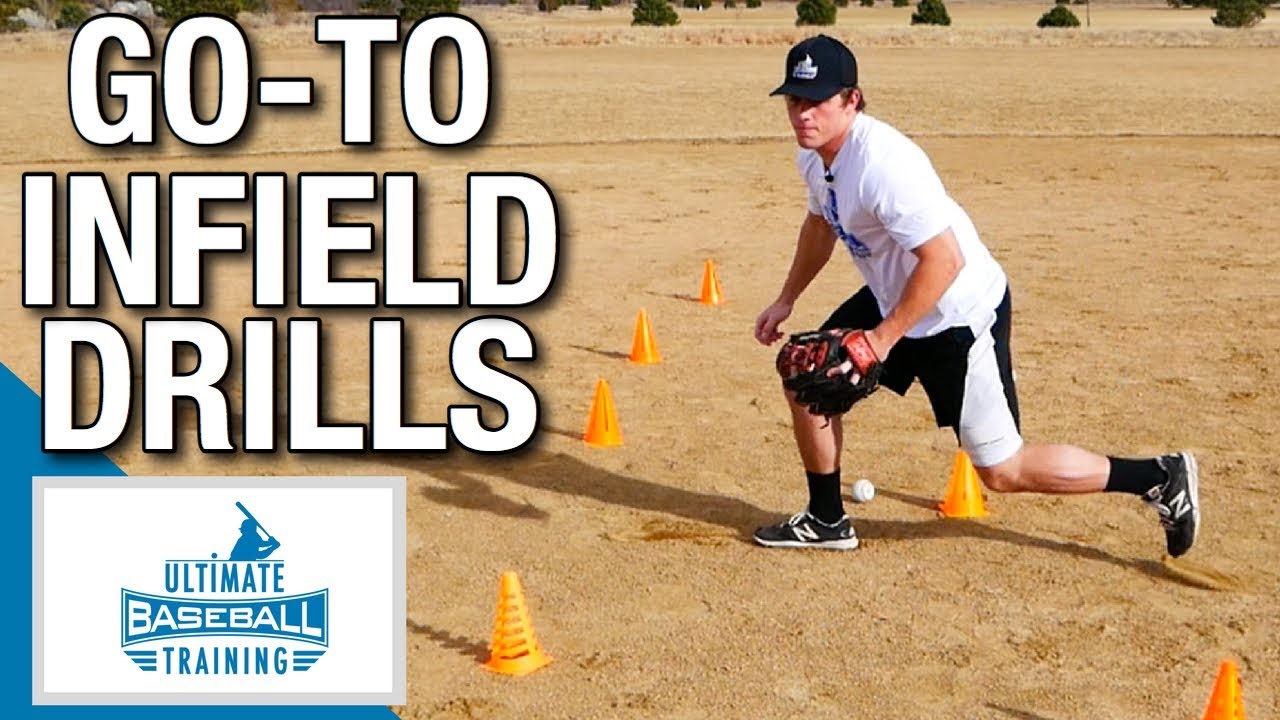
Each player on a baseball or softball team has a unique role, and drills should be customized to enhance the skills needed for each position. Drills for each position guarantee that players are prepared to do their best in their roles and help the team win.
Infielders should work on fielding ground balls and turning double plays. These drills can improve agility and hand-eye coordination. Outfielders should practice catching fly balls and throwing to bases. This can help them make crucial plays during games. For more structured practice ideas, check out this baseball coaching guide.
Drills for pitchers and catchers need to be specialized. Pitchers must practice a variety of pitches and aim for accuracy, while catchers should focus on blocking balls and throwing quickly to bases. By carving out time for drills that focus on specific positions, you can help players be ready to give their best performance when it counts.
Benefiting from Training Aids for Skill Improvement
Training aids are extremely useful for skill improvement. They equip players with the necessary tools for effective practice and progress in particular areas. Leveraging training aids can elevate your team’s practice sessions. For more insights, explore this home baseball practice routine to enhance your training strategies.
For instance, using batting tees and nets lets players perfect their swings without a pitcher. This concentrated practice can help improve their form and power. Also, resistance bands can be used for strength training, which can boost players’ throwing and batting skills.
Training aids are crucial because they provide instant feedback. This allows players to see the fruits of their labor, spurring them on to work even harder. By incorporating training aids into your practices, you’re giving your players the tools they need to become the best they can be.
Organizing and Recording Practice Sessions
Organizing and recording practice sessions is essential to making sure that every minute on the field is productive. A well-organized practice plan, like those found in this baseball coaching guide, helps coaches stay on track and allows players to focus on skill development.
Begin by defining the objectives for each practice. This transparency aids both coaches and players in comprehending their objectives. Then, divide the practice into sections, setting aside time for warm-ups, drills, and scrimmages. This format guarantees that all crucial aspects are addressed.
Establishing a Regular Routine
For the growth of players, consistency is vital. Establishing a regular routine allows players to know what is coming, which reduces stress and heightens concentration. A regular structure aids players in developing discipline and a strong work ethic. For more structured guidance, consider exploring this baseball coaching guide.
Start every practice with a warm-up, then move on to skill drills, and finish with a scrimmage. This routine not only gets players ready physically but also mentally, as they learn to move from practice mode to game mode without any bumps.
How to Keep Your Players Focused
Keeping your players focused throughout the practice is important to keep them interested and motivated. Here are some suggestions to make sure your practices are energetic and productive. For more ideas, check out these effective baseball practice plans.
- Mix Up Drills: Keep practices interesting by regularly introducing new drills.
- Promote Competition: Foster teamwork and motivate players by using friendly competitions.
- Give Feedback: Help players improve and acknowledge their progress by offering constructive feedback.
When you put these tips into practice, you create a learning environment that players are eager to be a part of. Players who are engaged are more likely to develop their skills and contribute to the team’s success in a positive way.
Assessing and Enhancing Your Practice
Assessment is a vital part of planning your practice. By consistently reviewing your practices, you can pinpoint where you need to make improvements and make the required changes. This ongoing assessment ensures your practices are always productive and advantageous for your players.
Begin by reviewing each practice. Think about what was successful and what needs improvement. This review allows you to see trends and areas that need focus. For more insights on effective drills, check out these baseball practice plans.
Furthermore, keep an eye on how your players are doing over time. By keeping track of their progress and any issues they’re having, you’ll be able to see how effective your practice plans are. This information will help you make better decisions about what to do in future sessions. For more guidance, consider exploring this baseball coaching guide.
- Set Clear Goals: Define specific objectives for each practice and track progress towards them.
- Analyze Performance: Review player performance during scrimmages and drills to identify strengths and weaknesses.
- Adjust Plans: Be flexible and willing to modify practice plans based on evaluation results.
Collecting Feedback from Players and Coaches
Feedback from players and coaches is invaluable for improving practice sessions. By gathering input from those involved, you gain different perspectives and ideas for enhancing your practice plans.
Ask players for their opinions on drills and activities. Their feedback can give you a good idea of what they find useful and fun. Also, work with assistant coaches to talk about what went well and what needs to be changed.
Modifying Practice Plans According to Feedback
After you’ve gathered feedback, it’s time to make changes to your practice plans. Use the knowledge you’ve gained to fine-tune drills, change routines, and add new activities. This flexibility ensures that your practices continue to be pertinent and efficient. For more detailed guidance, check out this baseball coaching guide.
Always keep in mind that the aim is to design practice sessions that optimize player growth and fun. By regularly assessing and enhancing your plans, you give players the most beneficial training experience possible.
Common Questions
Planning baseball and softball practices can sometimes be a bit confusing. Here are some common questions that can help you plan better practice sessions.
What are some ways to keep younger players interested during practice?
Keeping younger players interested can take some creativity and a lot of energy. Try incorporating games and challenges into your practices to keep them engaged. Use drills that are similar to fun activities they enjoy, like relay races or competitions to see who can throw and catch the most balls. Keep your explanations short and sweet, and let them spend more time playing and learning by doing.
What drills work best for high school teams?
High school teams should focus on drills that improve both individual skills and team dynamics. Use situational drills that mimic real game scenarios to improve decision-making under pressure. Include strength and conditioning exercises to build endurance and agility. Also, spend time discussing team strategy to improve communication and coordination.
What’s the best way to customize practice plans for different positions?
Every position on the field has its own set of skills. Modify drills to concentrate on the specific requirements of each position. For instance, infielders can practice their quick reflexes with ground balls, while outfielders can concentrate on tracking and catching fly balls. Pitchers can practice different types of pitches, and catchers can work on their blocking and quick throws.
What are the typical errors to steer clear of when planning practice?
- Not planning in advance, resulting in chaotic sessions.
- Doing the same drills over and over, leading to monotony and lack of interest.
- Not recreating real game situations, restricting practical use.
- Not taking into account player input, which could impede progress.
By steering clear of these errors, practice sessions can become more productive and fun.
How can I add strength training to our baseball practice routine?
Adding strength training to your practice routine is as simple as setting aside a segment of each practice for muscle-building and endurance-improving exercises. Utilize resistance bands to build arm strength, include bodyweight exercises such as push-ups and squats, and add short sprints for cardiovascular health. Remember to balance your training, so strength training should enhance skill drills, not replace them. For more effective drills, explore baseball practice plans suitable for all ages.
By incorporating these elements, players’ physical abilities will be improved and the overall team performance will be boosted.
What can I do if the weather forces our practice indoors?
Practicing indoors may require a little imagination, but it can still be effective. Concentrate on drills that don’t need a lot of space, like hitting off a tee, throwing against a wall, or using soft training balls. Use video analysis to go over games and practice strategies. Use this opportunity to focus on mental preparation and team-building exercises.
By being flexible, you can make sure that indoor practices are still productive and interesting for players.
How can training aids enhance player abilities?
Training aids offer essential feedback and permit concentrated practice on particular abilities. For example, batting tees aid in fine-tuning swing techniques, while pitching machines provide consistent practice for batters. These resources allow players to practice on their own and see instant outcomes, encouraging them to further their progress.
What makes collecting feedback crucial in assessing practice?
- Feedback gives a clear picture of what is effective and what needs to be improved.
- It fosters an open dialogue between players and coaches.
- Modifying practices based on feedback guarantees they stay efficient and interesting.
- Feedback aids in monitoring player advancement and pinpointing areas for growth.
By respecting and utilizing feedback, you establish a more adaptive and prosperous practice setting.
To sum up, to plan successful baseball and softball practices, you need to have structure, creativity, and flexibility. By centering your attention on real game situations, using station rotations, and incorporating conditioning, you can make your practices as efficient as possible. Customize drills to fit specific positions, use training aids, and get feedback to constantly make your practices better. By using these strategies, you will increase your coaching efficiency and help your players reach their highest potential.

Leave a Reply