Main Points
- In baseball, bat speed is critical for power hitting and accuracy.
- Enhanced bat speed increases the likelihood of solid ball contact.
- Children can do specific drills at home to improve their bat speed.
- Regular practice and the correct equipment are key to progress.
- Support and encouragement from parents enhance children’s motivation and performance.
Increasing Children’s Bat Speed for Intensive Hitting
In baseball, one of the most vital skills a young player can acquire is bat speed. In simple terms, bat speed is the speed at which a player can swing their bat. The quicker the swing, the more power in the hit, meaning the ball can go further and faster. This skill can greatly influence a player’s performance at bat.
Why is bat speed so crucial? The reason is straightforward: it lets players strike the ball with more force and distance, boosting their odds of reaching base or even smacking a home run. As a result, concentrating on enhancing bat speed can have a substantial impact on a young athlete’s performance.
Getting to grips with the fundamentals of bat speed is the initial stage. It’s more than just a quick bat swing. It’s about the whole body collaborating effectively to generate the utmost power and speed. This means kids need to learn how to utilize their legs, hips, and arms in harmony to create a powerful swing.
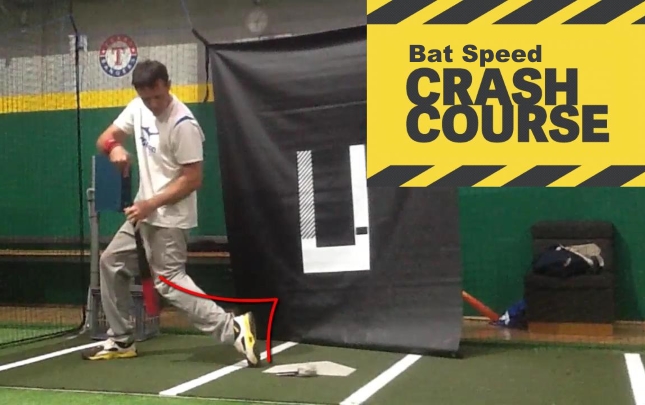
Why Bat Speed Matters
Bat speed isn’t just about hitting the ball with power. It’s also about timing and control. A player with a fast bat speed can wait longer before deciding to swing, giving them more time to decide if they should swing or not. This increased decision time can lead to better pitch selection and, ultimately, improved hitting performance.
Getting a head start on bat speed for young players can pave the way for future triumphs. As they grow older and develop, their enhanced bat speed will enable them to confront faster pitches and more proficient pitchers. It instills self-assurance and motivates them to keep on refining their all-around game.
The Impact of Bat Speed on Hitting Performance
The speed of the bat directly affects the distance and speed at which the ball travels after being hit. This is because the speed of the bat when it contacts the ball determines the amount of force that is transferred to the ball. The faster the bat speed, the more force and, therefore, the further the ball will travel.
Moreover, a faster bat speed enables players to hit the ball more regularly. This regularity is vital in cultivating a dependable and efficient batting method. Players who can regularly hit the ball solidly are more probable to score hits and positively impact their team’s performance.
Why Your Kid Should Improve Their Bat Speed
There are many reasons why your kid should work on improving their bat speed. For starters, it will allow them to hit the ball harder and further. This could result in more doubles, triples, and home runs. It can also give them more confidence when they step up to the plate. They’ll know that they can handle any pitch that comes their way and that they’ll be able to hit it solidly.
Furthermore, cultivating a strong bat speed at a young age sets players up for success in higher levels of competition. As they move up through the ranks and face more skilled players, they’ll be up against pitchers who throw harder and with more curve. A swift and powerful swing will give them an advantage over their competitors.
Finally, by concentrating on bat speed training, a player’s overall athleticism can be enhanced. The exercises and drills used to increase bat speed often involve strengthening the core, legs, and arms, leading to improved overall physical fitness.
Intensive Home Power Hitting
For young players looking to improve their power hitting, I’ve developed an intensive training program that can be done at home. This program features a variety of exercises and drills that target the main muscle groups used in power hitting.
This program is designed to teach children the mechanics of a strong swing and give them the tools to increase their bat speed. It’s important for parents and coaches to be supportive and encouraging as the kids progress through the program.
Fundamental Concepts of the Training Program
There are several fundamental concepts that the training program is based on, which are essential for increasing bat speed. The most important thing to concentrate on is the right technique. Kids need to know how to correctly swing the bat before they attempt to swing it quickly. This requires knowing the mechanics of the swing and how to use the whole body to produce power.
Another vital element is consistency. To get better, regular practice is a must. Kids should strive to practice their swing multiple times throughout the week, placing an emphasis on quality rather than quantity. This means focusing on their form and making necessary modifications.
Lastly, it’s crucial to include strength and conditioning workouts in the training regimen. Strengthening the core, legs, and arms will aid children in producing more power in their swing, resulting in faster bat speed.
Building Dependability Through Regular Training
Dependability is the foundation of every effective training program. It’s critical for young baseball players to have a regular practice schedule. This involves dedicating certain days and hours each week to bat speed exercises. Kids can develop muscle memory by maintaining a regular routine, which is key for developing a strong and effective swing.
Parents can assist by making sure their kids adhere to their practice routine. Also, it’s a good idea to vary the drills to keep it fun and avoid burnout. Remember, the goal is not to practice a lot, but to practice well. Good practice results in good performance.
Enhancing Hand-Eye Coordination and Reaction Speed
Hand-eye coordination and reaction speed are vital for successful hitting. These abilities enable players to follow the ball and perfectly time their swing. One efficient method to enhance these abilities is by performing drills that concentrate on tracking moving objects, like using a tennis ball machine or practicing with soft toss. For more tips on improving these skills, check out this guide on increasing bat speed.
Playing catch with a partner or using a reaction ball is another enjoyable and engaging method to improve hand-eye coordination. These activities not only enhance coordination, but also make practice fun. The more kids enjoy their training, the more likely they are to stick with it and get better.
Overcoming Obstacles in Bat Speed Training
Just like any other form of athletic training, developing bat speed has its own unique obstacles. Identifying these obstacles and discovering successful solutions is crucial for maintaining progress and motivation. For more insights, you can explore tips from the best online hitting coach.
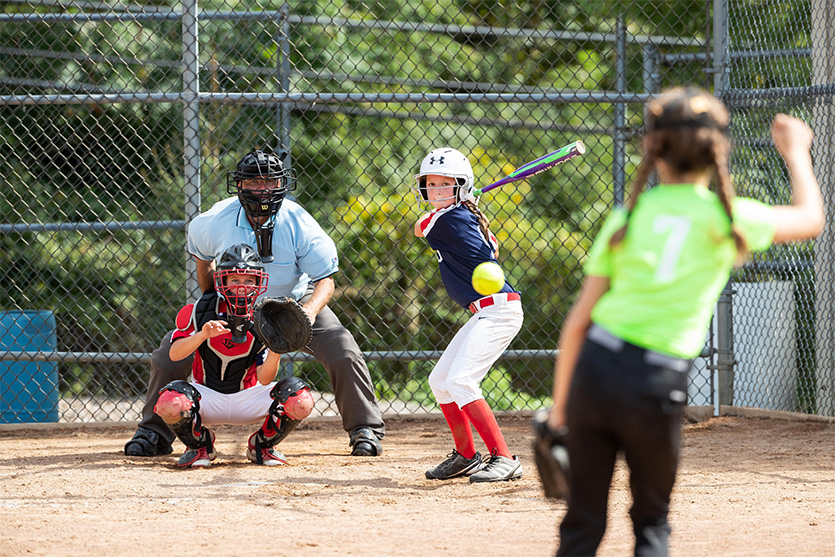
Typical Challenges Children Encounter
A typical challenge is frustration from slow progress. Children may become disheartened if they don’t see instant results. It’s crucial to remind them that enhancement takes time and that each practice session brings them one step closer to their objectives. Encouragement and positive reinforcement from parents and coaches can make a significant difference.
Breaking Through Skill Development Stagnation
Many young athletes encounter stagnation in their skill development. One way to break through this is to mix up their training regimen. Adding new exercises or making current ones more challenging can help overcome stagnation. Concentrating on different facets of the sport, like mental readiness and game plan, can offer a new outlook and reignite enthusiasm.
The Role of Parents and Coaches in Training
Parents and coaches are essential to a child’s training process. They can provide the necessary support and direction to help overcome obstacles. By promoting open dialogue and setting achievable goals together, they can help keep young athletes engaged and focused. For more insights, check out this complete guide for parents.
Additionally, parents and coaches need to celebrate the small wins along the way. Even the smallest progress should be recognized because it can help build a child’s confidence and love for the game. The journey is just as important as the end result.
True Tales of Triumph and Practical Use Cases
For those just beginning their bat speed training journey, the success stories of young athletes can be a potent source of motivation. When kids hear about others who have faced similar challenges and achieved their goals, it can inspire them to keep going.
Take Jake, for example, a young player who had a hard time increasing his bat speed for several months. But with regular practice and guidance from his coach, he was able to boost his swing speed and eventually became one of his team’s best hitters. Jake’s story is a testament to the fact that persistence and hard work really do pay off. For those looking to improve their skills, check out these online hitting coach tips to increase bat speed.
Moreover, the benefits of increased bat speed can be witnessed during actual games. Athletes who have concentrated on improving their bat speed frequently find they can manage quicker pitches effortlessly, resulting in more successful at-bats and greater self-assurance.
- Improved bat speed leads to more home runs and extra-base hits.
- Young athletes gain confidence in their abilities at the plate.
- Consistent practice and support from family and coaches are key to success.
Testimonials from Young Athletes and Parents
Parents and young athletes often share positive feedback about their experiences with bat speed training. One parent noted, “My son struggled with his swing for a long time, but after focusing on bat speed training, he’s become a much more confident hitter. It’s amazing to see his progress.”
Real-World Examples of Training Success
Real-world examples offer a glimpse into the power of bat speed training programs. Take, for instance, a study done with a team of little league baseball players. They saw substantial gains in bat speed and their hitting game as a whole after just two months of focused training.
These results underscore the significance of organized training programs and the effect they can have on young athletes. By concentrating on particular skills such as bat speed, players can make significant progress in a relatively short period of time.
Keeping Track of Improvements and Rewarding Achievements
It’s important to keep track of how far you’ve come in any training program. In bat speed training, you can use a radar gun to see how fast your swing is. This can show you that you’re getting better. Setting goals and then celebrating when you reach them can help kids want to keep trying.
Aside from using a radar gun, you can also track performance during games to measure progress. Watch for improvements in batting average, on-base percentage, and extra-base hits. These metrics can give you a well-rounded picture of a player’s development over time.
Concluding Thoughts for Young Baseball Hopefuls
Ultimately, building up bat speed is a key part of making it big in baseball. With regular practice, the right form, and strength and conditioning exercises, young players can drastically enhance their plate performance.
Parents and coaches play a crucial role in the training process. They can motivate kids by celebrating small wins and assisting them in setting achievable goals. For additional guidance, parents and coaches can explore youth pitching mechanics tips to further support their children’s development in the game. This will help kids to fall in love with the game and keep striving to get better.
Fostering Self-Discipline and Motivation
Self-discipline and motivation are fundamental to success in any sport, baseball included. It’s important for kids to realize that the only way to get better is to put in the work consistently. One method of encouraging self-discipline is through setting personal goals. Goals should be difficult but attainable, and meeting them should give a sense of achievement. For more tips on improving skills, check out these online hitting coach tips.
Sticking to a practice routine requires discipline. It’s easy to get distracted or lose interest, but consistency is key to improving. Parents and coaches can help by creating a structured practice schedule and encouraging kids to stick to it. Celebrating small victories along the way can also reinforce the importance of discipline and hard work.
Keeping Training Fun for Young Players
Training is crucial, but it’s also important to make baseball enjoyable for kids. If they have fun playing the sport, they’re more likely to stick with it. So, it’s important to find ways to make practice fun. This could mean including games and friendly competitions in practice, or letting kids pick the drills they like.
Moreover, alternating the training regimen can stave off monotony and maintain novelty. Diversity in training not only retains children’s interest but also aids them in acquiring a comprehensive range of abilities. Bear in mind, the ultimate objective is to nurture an enduring passion for the sport, so striking a balance between training and enjoyment is crucial.
Commonly Asked Questions
Supporting young athletes in their bat speed training journey can be confusing for parents and coaches. For more guidance, check out our baseball swing trainers and power training programs. Here are some frequently asked questions and their answers to help you out.
What is the right age to start bat speed training?
Children can start to focus on bat speed training when they are 7 or 8 years old, depending on their interest and maturity level. At this age, they can start to learn the basics of a proper swing and gradually add more advanced techniques as they get older. For additional guidance, you might explore why your child is missing the ball and how to fix it.
What is the recommended frequency for bat speed drills for kids?
As with any skill, regular practice is essential. Aim to have your child practice 2-3 times a week. Each practice session should be about 30-45 minutes, and the focus should be on quality rather than quantity. Make sure your child is practicing with the correct form to avoid developing bad habits. For more insights, check out these tips for increasing bat speed.
Where can parents find the most helpful resources for supporting their child’s training?
The internet is full of resources for parents, including instructional videos, articles, and training programs tailored to young baseball players. In addition, seeking the help of a knowledgeable coach or joining a local baseball league can offer much-needed guidance and support.
Is bat speed training dangerous?
Like all physical activities, bat speed training can cause injuries if not done correctly. It’s important to make sure kids are using the right size and weight bat for their age and skill level. Proper warm-up and cool-down routines can also help prevent injuries.
What are some strategies to keep kids interested and excited about drills?
To keep drills from becoming monotonous and boring, it’s important to mix things up. By adding in games, challenges, and a little healthy competition, practice can become something kids look forward to. Also, setting individual goals and recognizing accomplishments can inspire kids to keep pushing themselves. For more ideas, check out these youth baseball practice drills that can keep kids engaged and excited.
How can you tailor the program to suit kids of varying abilities?
It’s crucial to adapt the level of difficulty of the drills to match the child’s ability. This will keep them interested and challenged without overwhelming them. For newbies, the focus should be on getting the basic techniques right before progressing to the more complex drills. For those who are more advanced, adding strength and conditioning exercises can help to boost their bat speed even more.
What’s the ideal time to allocate to power hitting as compared to other skills?
Even though bat speed is a key skill, it’s crucial to also focus on other skills such as fielding, throwing, and base running. The goal should be to allocate about 30% of practice time to bat speed drills, while the rest of the time should be spent on other parts of the game. This approach ensures a balanced development.
What makes a bat speed program worth investing in for parents?
Parents should look for a bat speed program that not only focuses on the correct technique but also provides easy to follow, step-by-step instructions. It’s also important that the program offers a variety of drills to keep the child interested and continuously improving. Programs that include support and advice from experienced coaches are also a great option.
“My son struggled with his swing for a long time, but after focusing on bat speed training, he’s become a much more confident hitter. It’s amazing to see his progress.”
In conclusion, focusing on bat speed training can significantly enhance a young athlete’s performance on the baseball field. By following a structured training program, maintaining consistency, and balancing practice with fun, kids can develop the skills they need to succeed. With the support of parents and coaches, young players can achieve their goals and enjoy a lifelong love for the game. For more information on effective training methods, check out these baseball swing trainers and power training programs.

Leave a Reply