Teaching your child to catch a ball can be a fun and gratifying task. It’s not just about enhancing their physical abilities, but also about building their self-esteem and giving them a chance to have fun with sports. In this guide, we’ll delve into the reasons why your child may be missing the ball and provide actionable tips to help them do better.
Summary
- Children may miss the ball due to fear; creating a safe and supportive environment can help mitigate this fear.
- Improving hand-eye coordination is vital for catching; simple exercises can make a significant impact.
- Regular practice routines that are enjoyable and engaging can result in noticeable improvements in ball skills.
- Quality equipment, like soft training balls, can improve practice sessions and build confidence.
- Parental support and realistic expectations are vital for a child’s success in sports.
Understanding Why Children Miss the Ball
Understanding why children miss the ball is the first step in helping them improve. It’s not uncommon for children to have difficulty with catching, and there are several reasons why this might happen.
Why Your Child Might Be Missing and How to Help Them Overcome It
- They’re scared of getting hit by the ball
- They don’t believe in their own abilities
- They’re not used to playing sports
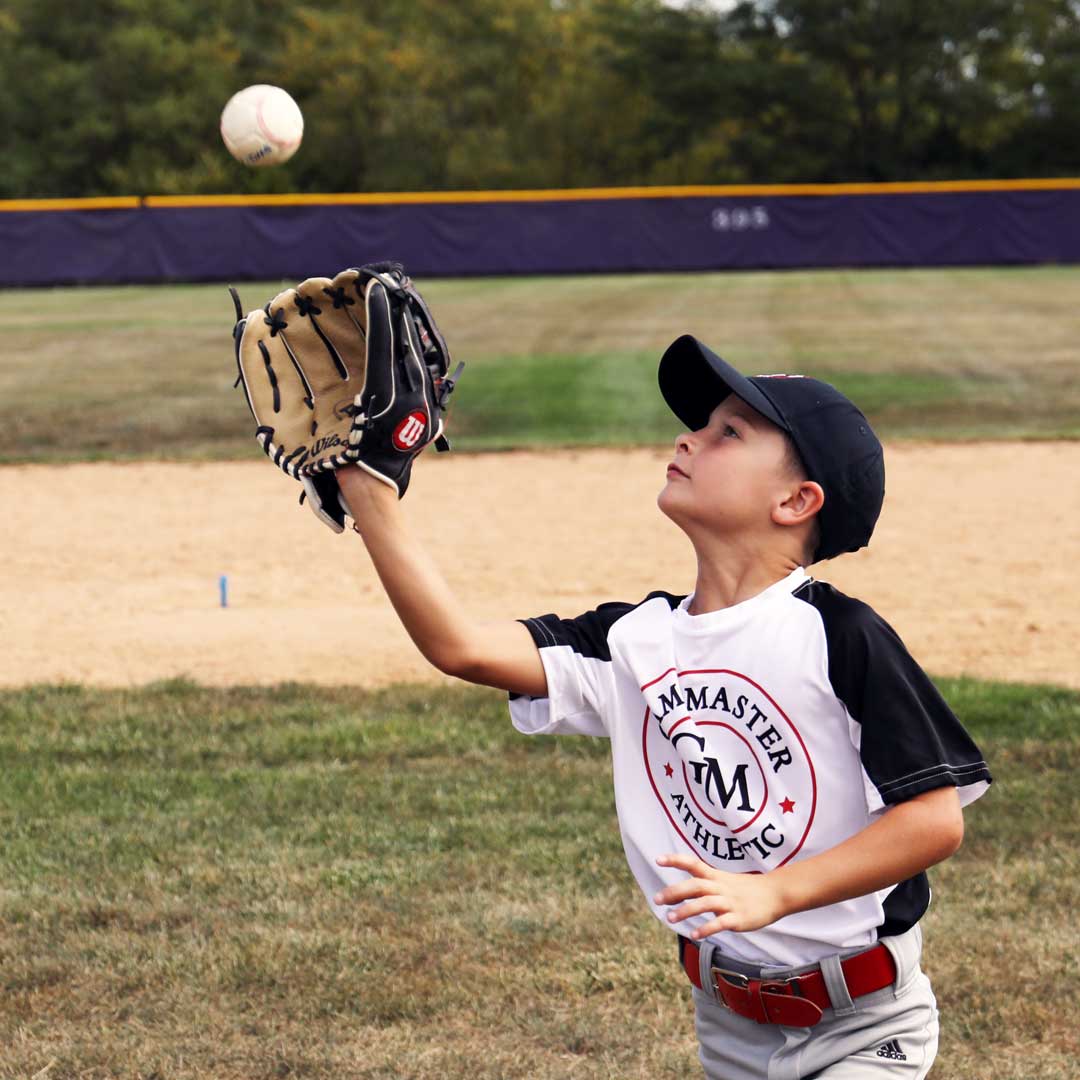
More than anything, fear is a big factor in why children miss the ball. If a child is scared, they might pull away or shut their eyes, making it almost impossible to catch the ball. To help them get past this, set up a safe place for them to practice where they can slowly become more comfortable with the ball.
Begin with soft, lightweight balls that won’t cause harm if they hit. Encourage your child to keep their eye on the ball as it comes towards them and reassure them that it’s okay to miss sometimes. Celebrate small victories to boost their confidence.
Understanding the Problem of Inadequate Eye Contact and Concentration
Another prevalent problem is inadequate eye contact. Kids might look away or shut their eyes just before the ball gets to them. This is usually because they’re scared of the ball hitting them, but it could also be because they’re not concentrating enough.
Help your child improve eye contact by using balls that are brightly colored or have patterns that are easy to follow. Encourage them to keep their eyes on the ball until it reaches their hands. Practice with a stationary target can also improve focus.
Comprehending Issues with Response Speed and Coordination
Apart from anxiety and concentration, the speed of response and coordination are critical aspects in catching a ball. Some children may have a delayed response or find it challenging to coordinate their movements to catch the ball efficiently.
Activities that improve hand-eye coordination, like juggling scarves or playing catch with a partner, can help a lot. These activities help kids develop the skills they need to react quickly and accurately to catch a ball.
How to Enhance Your Child’s Ball Skills
When you know why your child is struggling, you can apply specific techniques to help them get better. The goal is to boost their confidence and help them learn the skills they need.
Growing Self-Belief and Diminishing Anxiety
Self-belief is key when it comes to catching a ball. Kids who trust in their own skills are more likely to do well. To grow self-belief, begin with easy, attainable objectives and slowly raise the challenge as your kid gets better. For more insights, check out A Parent’s Guide to Helping Their Kids Succeed.
Be sure to cheer them on and offer a lot of positive feedback. Let your child know that it’s okay to mess up and that getting better comes with practice. This kind of support will help them feel less scared and more inspired to keep going.
Why Quality Equipment Matters
Quality equipment is a game-changer when it comes to your child’s practice sessions. Not only does it make practice more effective, but it also makes it safer and more fun for your child. Soft training balls are a great example of this. They’re less scary for beginners and they’re less likely to cause injuries, making them a great choice for beginners.
- Soft practice balls to keep your child safe and help them build confidence
- Lightweight gloves that are comfortable to wear
- Practice targets and nets to help your child concentrate
It’s very important to choose the right equipment. A glove that fits well can improve your child’s catching ability by making it easier for them to close their hand around the ball. Also, using balls that are brightly colored can help keep your child’s attention and make it easier for them to follow the ball.
Keep in mind, the aim is to establish a supportive and uplifting practice atmosphere. If your child feels secure and encouraged, they will be more inclined to participate in practice willingly and with enthusiasm.
Recommended Drills and Exercises
Drills are crucial for improving catching skills. They give practice sessions a sense of direction and enable children to concentrate on particular aspects of catching. Below are some drills that might be beneficial:
Begin with basic throw-and-catch drills in which you lightly toss the ball to your child. Encourage them to keep their eyes on the ball and use both hands to catch it. As they get better, you can throw the ball from farther away and at a faster speed to continue challenging them. For more advanced techniques, explore youth baseball practice drills that can further enhance their skills.
Keeping Practice Exciting and Interesting
Ensuring that practice sessions are enjoyable is crucial for keeping your child engaged and motivated. Kids are more likely to participate in activities they find fun, so make sure to include games and challenges in their practice schedule.
Here are some ways to make practice more fun and engaging:
- Create obstacle courses that involve catching
- Arrange friendly games with siblings or friends
- Add music or stories to make drills more fun
By making practice fun and engaging, you’ll help your child develop a love for the activity. This will motivate them to practice more and get better faster.

Trying out different activities can help keep practice interesting and prevent it from becoming monotonous. Always be willing to experiment with new things and tailor activities to suit your child’s interests and needs.
How Parents and Coaches Contribute
Parents and coaches are key to a child’s growth in sports. They can make a big impact on a child’s enjoyment and perception of their activities through their support, guidance, and motivation. For more insights on how to support your child, check out A Parent’s Guide to Helping Their Kids Succeed.
How to Be a Supportive and Understanding Parent
It is your role as a parent to be there for your child. Celebrate their wins, no matter how small, and be there for them when they face challenges. Don’t put too much pressure on them to perform perfectly. This can lead to anxiety and decreased enjoyment.
Talking to Coaches in a Way That Works
It’s so important for parents and coaches to talk to each other. This makes sure everyone knows what’s going on with the child’s progress and growth. Make sure you talk to your child’s coach about what they’re good at and what they need to work on.
By joining forces, you can establish a steady and encouraging atmosphere that enables your child to excel in their sports pursuits.
Establishing Achievable Goals and Recognizing Improvement
It’s crucial to establish achievable goals to keep the experience positive for your child. Recognize that getting better takes time and work, and that stumbling blocks are a normal part of the journey.
Encourage progress, not perfection. Pay attention to the effort your child is making and the improvements they’re making over time.
- Keep a simple chart or journal to monitor progress
- Regularly give positive feedback
- Promote a growth mindset by stressing the importance of learning and effort
Help your child develop resilience and a positive attitude towards challenges by focusing on progress and effort.
The Lifelong Advantages of Ball Skills Mastery
Mastering ball skills provides a wealth of lifelong advantages for kids. It improves their physical prowess, raises their self-esteem, and offers chances for social engagement and collaboration. For practical tips on enhancing these skills, explore baseball hitting programs for kids.
Boosting Physical Health and Movement Abilities
Working on ball skills boosts physical health by encouraging coordination, balance, and agility. These abilities are not only useful for sports, but also for daily tasks. For more information on improving these skills, check out these infield drills for youth baseball and softball.
As kids hone their motor skills, they can control their bodies better, which may boost their self-assurance in their physical capabilities. For more tips on helping your child succeed, check out A Parent’s Guide to Helping Their Kids Succeed.
Boosting Social Skills and Teamwork
Playing sports and attending practice sessions can help kids enhance their social skills and grasp the concept of teamwork. They can learn to communicate more effectively, work well with others, and comprehend the significance of collaborating to achieve a shared goal.
These abilities are priceless and can help kids in many areas of their lives, not just in sports.
Encouraging a Passion for Sports and Physical Activity
Teaching your child to catch a ball goes beyond the skill itself; it’s about instilling a lifelong passion for physical activity and sports. When kids have fun with what they are doing, they are more likely to keep doing it and improving. This not only enhances their physical health but also their mental and emotional health.
Help your child develop a love for the game by making practice fun and stress-free. Let them try out a variety of sports and activities to discover what they really like. Encourage them to set their own goals and celebrate their accomplishments, no matter how small they may seem. For more guidance, check out these softball training tips for youth to help them improve their skills while enjoying the process.
By fostering a supportive and encouraging atmosphere, you can help your child cultivate a love for sports that will serve them well throughout their life.
Common Questions
As a parent, you might have a lot of questions about how to help your child get better at catching a ball. Here are some typical questions and answers that can help guide you. For more tips, explore these youth baseball practice drills that cover pitching, catching, and more.
When should my kid start working on their ball skills?
Kids can start working on their ball skills as early as three years old. At this age, you should focus on simple activities that help develop hand-eye coordination and basic motor skills. Use soft, lightweight balls and keep the sessions short and fun to keep them interested.
What can I do to help my child get over their fear of the ball?
If your child is scared of the ball, try to create a safe and controlled environment for them to practice in. Start with soft balls that won’t cause any pain if they hit. As your child becomes more confident, slowly introduce more difficult exercises. Encourage them to always keep their eyes on the ball and let them know that it’s perfectly fine to miss sometimes.
What kind of gear is best for those just starting out?
- Soft practice balls to lessen the fear of getting hurt
- Light gloves that fit well
- Vibrant colored balls for easier visibility
- Targets and nets for concentrated practice
These pieces of equipment help to foster a supportive and efficient training atmosphere for those just starting out.
How much should my child practice to get better?
When it comes to getting better at ball skills, consistency is what matters. Try to aim for short, regular practice sessions a few times a week. This way, your child can improve their skills little by little without feeling too much pressure. Make sure the sessions are enjoyable and interesting to keep them interested. For more structured practice, consider incorporating youth baseball practice drills to enhance their learning experience.
Can certain exercises improve hand-eye coordination?
Indeed, there are a number of exercises that can enhance hand-eye coordination. Activities such as juggling scarves, playing catch with a friend, and practicing catching with a rebounder can all be beneficial. These exercises assist kids in concentrating on the ball and improving their timing and coordination.
How do I know if my child is getting better?
You can tell your child is getting better when they start to show more confidence, they’re paying more attention to the ball, and they’re catching the ball more often. You can keep track of how often they’re catching the ball during practice and celebrate when they do well. Keep in mind that getting better takes time, so be patient and supportive.
Is it worth it to hire a professional coach?
Hiring a professional coach can be a great idea if your child is serious about getting better or if you think they could use some extra help. Coaches can give expert advice and create personalized training plans to help your child achieve their best. For example, they might incorporate youth baseball practice drills to enhance skills.
How can I make practice sessions enjoyable?
Practice sessions can be made enjoyable by including games, challenges, and variety in your routine. Music or storytelling can be used to make drills more interesting. Encourage healthy competition with siblings or friends. Above all, make sure your child feels supported and encouraged throughout their practice journey. For more ideas, check out these infield drills for youth that can add fun to practice.
When you make practice fun, you’re setting your child up for a lifetime of positive experiences with sports and physical activity.

Leave a Reply