Key Takeaways
The position of the front shoulder is key to a balanced and powerful baseball swing.
A solid hitting stance begins with good foot placement and balance.
Effective drills can help improve the role of the front shoulder in hitting.
Common mistakes such as incorrect shoulder position and poor balance can impede performance.
As children advance, advanced techniques and personal adjustments become important.
Kids Baseball Hitting Guide: Front Shoulder Role Coaching Tips
Baseball is a game of accuracy, and hitting is one of the most difficult parts. Young players often have trouble mastering their swing, but understanding the role of the front shoulder can make a big difference. Let’s take a closer look at how the front shoulder affects a player’s performance and how to coach it effectively.
Why the Front Shoulder Matters in Baseball Hitting
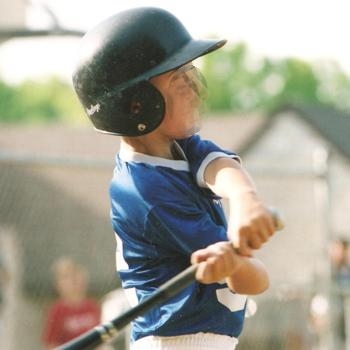
The front shoulder is a key player in a baseball swing. It’s not just about power; it’s about placement and motion. When the front shoulder is in the right spot, it sets the stage for a balanced and strong swing. This placement helps keep a steady head and eyes on the ball, which is vital for hitting precision.
Crucially, the front shoulder and the back shoulder work together to create a swinging motion, like “rocking a baby to sleep.” This motion is key to creating force and making sure the bat moves correctly through the hitting zone.
The Effect on Stability and Strength
Stability is crucial in baseball hitting. Even the most powerful players can have difficulty making consistent contact with the ball without it. The position of the front shoulder directly influences a player’s stability. When the front shoulder is lower than the back shoulder, it helps maintain a 50-50 stability between the feet. This stability is essential for generating strength and controlling the swing.
In addition to this, the way the front shoulder is placed can also affect how the body’s weight is distributed. When the body’s weight is centered, with a bit of a lean towards the back, it can help to make the swing more controlled and powerful. This kind of placement can help to move energy from the lower part of the body to the upper part, which can make the hit more forceful. For more strategies, check out these youth power hitting strategies.
Creating a Solid Hitting Stance
A solid hitting stance is the bedrock of a great baseball swing. It begins with the feet and goes all the way up to the shoulders and hands. Let’s dissect the important components of a solid hitting stance.
Positioning Your Feet and Maintaining Balance
Players should stand with their feet positioned roughly 50-60% of their height apart. This stance offers stability and makes it easier to transfer weight during a swing. Regardless of whether the player begins with an open stance, the weight should be distributed evenly between both feet.
Make sure you’re rooted in your back foot and leaning a bit into your back hip. This will keep you balanced and ready for the forward motion of the swing. Your front knee should have a slight bend in it, and your front heel should be planted into the ground.
How to Position the Front Shoulder
The player’s front shoulder should be positioned lower than their back shoulder. This stance helps them maintain balance and generate power when hitting the ball. The player’s eyes, nose, and chin should be in line with their front shoulder. This helps keep the player’s head steady and focused on the ball.
When holding the bat, ensure the knob is facing the catcher. This allows the bat to be in the correct position for an effective swing. The front shoulder should move downwards while the back shoulder moves upwards. This creates a rocking motion which is essential for generating power. For more detailed tips, check out this guide on how to swing a baseball bat.
Where to Place Hands and Bat
Keep your hands near your body and your elbows slightly bent for fast, controlled movements. Hold the bat at a 45-degree angle for a smooth, effective swing.
Having a good grip on the bat is just as important. A firm grip can help you drive the bat through the ball, which can result in a stronger hit. It’s important to keep your hands relaxed but firm, and avoid any tension that could slow your swing down.
Exercises to Enhance Front Shoulder Role
Performing the appropriate exercises can drastically enhance the front shoulder’s role in hitting. Here are some efficient exercises to assist young players in honing their abilities.
Stationary Drills
Stationary drills are exercises that concentrate on keeping the right form without moving. These exercises are beneficial for building muscle memory and making sure that the front shoulder remains in the right place throughout the swing.
Mirror Drill: Let the player practice their stance and swing in front of a mirror. This drill allows them to visualize and correct any mistakes in real-time.
Shoulder Alignment Drill: Put a bat or a rod across the player’s shoulders and let them practice their stance. This drill ensures that the shoulders are aligned correctly.
Dynamic Drills
Dynamic drills include movement and help in developing coordination and timing. These drills are crucial for turning proper positioning into actual swings.
Rock the Baby Drill: Instruct the player to practice the rocking motion of the shoulders without swinging the bat. This drill is useful for developing the correct movement pattern.
Step and Swing Drill: Instruct the player to take a step forward and then swing the bat. This drill is useful for coordinating the lower and upper body movements.
Partner Drills
Partner drills are a great method to improve the front shoulder’s role in hitting. These drills require working with a partner to provide feedback and create a more dynamic practice environment. For more tips, check out our power-boosting drills for kids.
A great drill to do with a partner is the Front Shoulder Toss Drill. In this drill, the partner stands in front of the hitter and softly tosses the ball underhand. The hitter must concentrate on keeping their front shoulder down and their eyes on the ball as they take their swing.
A superb partner drill to try out is the Resistance Band Drill. You should attach one side of a resistance band to a fixed object and the other side to the batter’s front shoulder. The partner applies a bit of resistance as the batter practices their swing, which assists in strengthening the front shoulder muscles and reinforcing the right movement patterns.
Typical Errors and Solutions
Despite the highest level of coaching, young players can still mess up. Spotting and rectifying these blunders is key to their growth. Here are some typical errors and their solutions.

Common Mistakes in Shoulder Position
One of the biggest mistakes kids make is having their front shoulder too high or not in line. This mistake can mess up their whole swing and cause them to not hit the ball well. For more tips on improving their swing, check out these youth power hitting strategies.
One way to correct this is by keeping the front shoulder lower than the back shoulder. It should feel like the player is “cradling a baby” with their shoulders. Practice in front of a mirror or use the Shoulder Alignment Drill to help fix this problem.
Before every swing, make sure your shoulder alignment is correct.
Visualize and correct your position with the help of a mirror.
Regularly practice the Rock the Baby Drill.
Lack of Balance
Lack of balance is another typical problem that can impact a player’s swing. If the weight is not distributed evenly, the player might have difficulty generating power and keeping control.
For better balance, pay attention to how the feet are positioned. They should be roughly 50-60% of the child’s height apart, with the weight spread out evenly. Practice drills such as the Step and Swing Drill to enhance coordination and balance.
Incorrect Hand Position
If your hands aren’t positioned correctly, your swing could be weak or inefficient. You need to hold the bat firmly but without tension.
Make sure the hands are kept near the body.
Keep a small bend in the elbows.
Hold the bat with a relaxed but strong grip.
Drilling with a partner or doing static drills can help to solidify the correct hand placement and enhance the whole swing mechanics. For more tips, check out these power-boosting drills.
More Advanced Techniques as Kids Improve
As kids improve their skills, they can start to use more advanced techniques. These techniques give them more flexibility and adaptability in their hitting style.
Finding Your Own Batting Stance
Each player is different, and finding a batting stance that works for them is a crucial part of their development. Let players try out different stances to find what feels right for them.
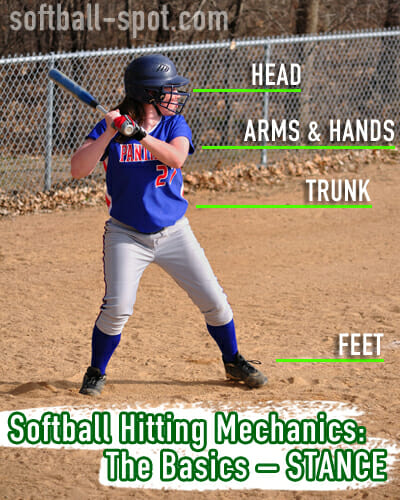
Watch their body’s movement and reactions to various positions. You can adjust based on their strengths and weaknesses to help them find a stance that allows them to reach their full potential.
Adding More Movement
As players build up their confidence, adding more movement to their swing can improve their performance. This can include adding a leg kick or a more noticeable stride.
While these movements can help generate extra power and improve timing, it’s crucial to ensure that they don’t compromise balance or proper shoulder positioning.
Modifications for Different Types of Pitches
More experienced players should also be taught how to modify their swing depending on the type of pitch. This includes identifying the pitch as soon as possible and making the necessary modifications to their stance and swing. For additional tips, check out these youth power hitting strategies.
By practicing against a range of pitches and improving their reaction times, players can become more versatile and successful hitters. For more tips on improving your swing, visit The Hitting Vault.
Wrapping it Up
Understanding the importance of the front shoulder when hitting is key for kids playing baseball. Concentrating on the correct stance, balance, and motion can make a huge difference in their swing and their overall game. For more tips on improving their swing, check out these power-boosting drills.
Supporting regular training and offering positive reinforcement will aid athletes in honing their abilities and building their self-assurance. Keep in mind, the path to becoming an excellent hitter is a long-distance race, not a short dash.
Encouraging Consistency and Growth
Consistency is the name of the game in baseball. Encourage your young players to practice often and stay dedicated to their growth. Applaud their progress and remind them that growth takes time and hard work.
With proper coaching and encouragement, young players can reach their highest potential and truly enjoy playing baseball.
Working with a partner on drills is a great way to enhance the role of the front shoulder in hitting. These exercises offer a chance to work together, provide feedback, and create a more engaging practice atmosphere. For more tips on improving your hitting technique, check out these hitting technique improvement tips.
A great partner drill to try out is the Front Shoulder Toss Drill. For this drill, the partner will stand in front of the hitter and toss the ball underhand. The hitter’s job is to concentrate on keeping their front shoulder down and their eyes on the ball while they swing. For more tips, check out this guide on power-boosting drills.
A fantastic drill to do with a partner is the Resistance Band Drill. Secure one end of a resistance band to something that won’t move and the other end to the batter’s lead shoulder. The partner applies a bit of resistance as the batter goes through their swing, which helps to build up the muscles in the lead shoulder and encourages the correct movement.
Commonly Asked Questions
What is the role of the front shoulder in baseball hitting?
The front shoulder plays a vital role in baseball hitting as it helps in maintaining balance and generating power during the swing. Good positioning of the front shoulder allows the hitter to keep their eyes on the ball and make a powerful, controlled swing.
What can I do to help my kid better their stance?
Begin by making sure their feet are placed roughly 50-60% of their height apart. The weight should be balanced evenly, with a bit of a bend in the knees. Make sure to keep the front shoulder lower than the back shoulder and line up the eyes, nose, and chin with the front shoulder.
Doing exercises in front of a mirror or doing drills like the Shoulder Alignment Drill can help kids understand these positions.
What are some easy drills to do at home?
Here are a few easy drills:
Mirror Drill: Use a mirror to see your stance and swing. This can help you spot and correct any mistakes.
Rock the Baby Drill: Concentrate on the rocking motion of your shoulders without swinging the bat.
Step and Swing Drill: Step forward and swing the bat. This can help improve your coordination and balance.
What common mistakes should we avoid?
Common mistakes include not positioning your shoulder correctly, not balancing properly, and not placing your hands correctly. Make sure your front shoulder is lower than your back shoulder, keep your weight evenly distributed, and keep your hands close to your body with a grip that is relaxed but firm.
How can my kid create their own batting style?
Allow them to try out various positions and movements. Observe what seems to be comfortable and efficient for them. Make changes that play to their strengths and address their weaknesses, and let them cultivate a unique position that brings out their best.
When is the right time for kids to start using more advanced techniques?
Once kids have become more self-assured and steady with their basic skills, they can begin to use more advanced techniques. This involves adding more movement to their swing and making changes based on the type of pitch. Make sure they have a strong foundation before you introduce these techniques.
What can I do to encourage my child to practice regularly?
Create attainable goals and acknowledge their improvements. Make practice sessions enjoyable and interesting by including a variety of drills and activities. Give positive reinforcement and support, and remind them that getting better takes time and dedication.
For more tips and drills to help your little slugger succeed, click here.

Leave a Reply