For kids playing baseball and softball, having quick reflexes is key to becoming a great fielder. This guide will provide some helpful tips and drills for young players to improve their fielding skills and build confidence in their game.
Summary
Fast reaction times are critical for good fielding in baseball and softball.
Correct positioning and glove placement can significantly increase reaction speed.
Consistent training with specific drills boosts defensive abilities.
Communication and field awareness are vital elements of a solid defense.
Using appropriate equipment can also help develop skills.
Developing Fast Reaction Times in Youth Baseball and Softball
Speed and agility are your greatest allies in fielding. Fast reaction times can be the deciding factor between making an incredible play and completely missing the ball. Fortunately, like any other skill, reaction times can be trained and improved with the right methods and practice.
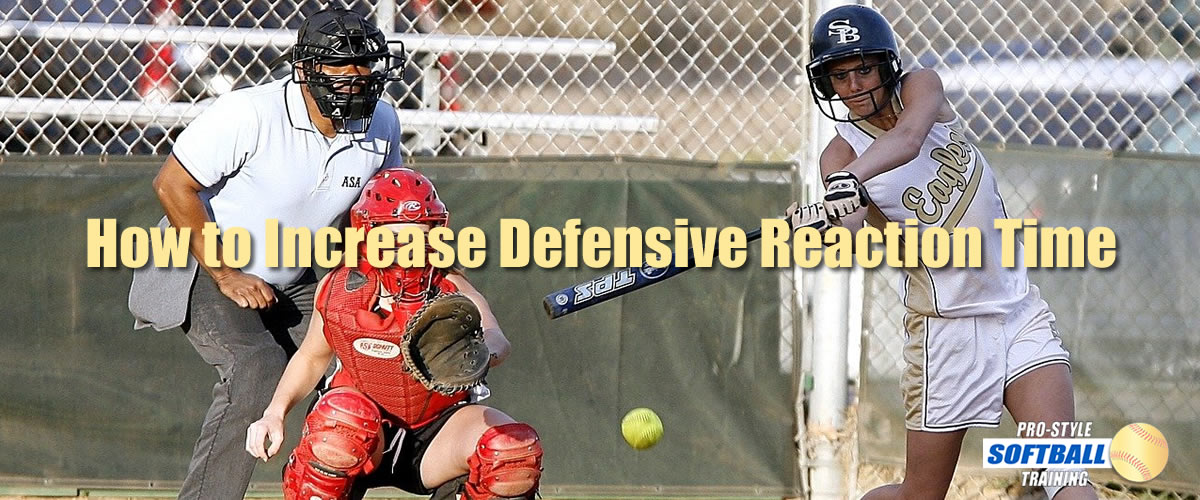
Let’s explore why quick reflexes are so crucial and how you can assist young athletes in developing them.
The Need for Speed: Quick Reflexes and Fielding
When you’re out on the baseball or softball field, the ball can come at you in the blink of an eye. No matter if you’re playing in the infield or the outfield, being quick on your feet can help you catch ground balls, line drives, and fly balls. It’s not just about getting outs – it’s also about stopping runs and winning games. For tailored training tips, check out coaching tailored for different age groups.
Having quick reflexes allows players to keep up with the speed of the game and react to the ball’s unpredictable movements. This skill becomes even more important as players move up to higher levels, where the game gets faster and more complex. For tailored training suited to different age groups, check out this article on coaching strategies.
Getting Started with Fielding
Before we get into the drills, let’s start with the basic fielding techniques that are the backbone of quick reflexes. Get these down, and you’ll be ready to learn more advanced skills.
Begin with the ready stance. This position keeps players steady and poised to move in any direction. Feet should be the width of the shoulders apart, knees a bit bent, and weight on the balls of the feet. Hands should be out in front, with the glove open and prepared to catch the ball. For more tips on enhancing balance and stability, explore these leg workouts for youth baseball.
Next, pay attention to your glove work. Having your glove in the right place at the right time can make a huge difference in your ability to catch the ball. Practice keeping your glove low and open, ready to scoop up ground balls or catch a fly ball. Remember, your glove should move like it’s part of your hand, smoothly and naturally to meet the ball.
Improving Your Defensive Position
After you’ve mastered the basics, the next step is to improve your defensive position. A solid position is essential for fast movements and efficient fielding. Explore these fielding drills to enhance your skills.
Correct Stance for Rapid Reactions
The way a player stands is crucial for their ability to react rapidly and smoothly. Their feet should be as wide apart as their shoulders, their knees should be slightly bent, and their weight should be on the front part of their feet. This stance enables players to leap into action, whether they’re lunging for a ball or racing to a base.
Players should be encouraged to practice moving from this stance, focusing on quick, controlled steps. This practice helps build muscle memory, making these movements second nature during games.
Best Glove Placement for Quick Response
Just like footwork, glove placement is crucial. For ground balls, it’s important to keep the glove low and open. When it comes to fly balls, the glove should be up and ready to catch the ball when it falls.
Tell your players to work on moving their gloves from low to high, and high to low. This versatility means they’ll be ready for any ball that comes at them. For more tailored training, explore coaching strategies for different age groups.
Exercises to Improve Quick Reactions and Fielding Abilities
Now that you’ve mastered the fundamentals and the proper stance, it’s time to add exercises that will improve your quick reactions and overall fielding abilities. These exercises are designed to mimic game situations, enabling players to respond quickly and accurately.
Ground Ball Exercises for Quick Reflexes
Ground ball exercises are a common part of fielding practice. They help players build the quick reflexes they need to field balls hit at different speeds and angles. Start with easy exercises, and slowly make them harder as players get better. For additional training, consider incorporating leg workouts for stability and balance to enhance overall performance on the field.
A great practice to try is the “barehand drill.” In this drill, players catch ground balls without a mitt, concentrating on soft hands and quick transfers. This practice improves hand-eye coordination and encourages players to trust their gut.
Tag-Out Drills for Fast and Accurate Tags
Tag-out drills are essential for teaching players how to make fast and exact tags on base runners. These drills concentrate on footwork, hand-eye coordination, and timing. One effective drill is the “bucket drill,” where players practice tagging a moving target by placing a ball on a bucket as a runner slides by. This drill helps players learn to position themselves correctly and apply tags quickly.
One of the drills that players can do is to practice tagging with a partner who is acting as a base runner. The runner should approach the base at various speeds and angles, forcing the fielder to adjust their position and tagging technique. This drill allows players to develop the instinctive movements that are necessary for successful tagging in games. For more tailored training, check out our coaching strategies for different age groups.
Boosting Field Consciousness and Coordination
Field consciousness and coordination are crucial to a tight defense. Players must be aware of the ball’s location, their teammates’ positions, and how to position themselves for the best outcome. Enhancing these abilities can result in more successful plays and fewer mistakes.
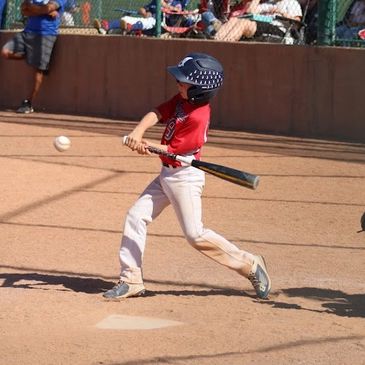
Building a sense of the field means grasping the ebb and flow of the game and predicting where the ball will go. It also means talking with your team so that everyone knows what the plan is.
Predicting the Ball’s Trajectory
Predicting the ball’s trajectory is a skill that can be improved through practice and experience. Encourage players to carefully observe the batter’s swing, as it can offer hints about where the ball might go. Furthermore, knowing the pitcher’s habits and the batter’s strong points can assist players in positioning themselves more efficiently. For more insights, explore pitch recognition strategies that can enhance player positioning.
By running situational drills that mimic different batting scenarios, players can get better at predicting where the ball will go. This type of practice prepares them for real games, making their reactions faster and more precise.
Talking to Your Team
When playing defense, it’s important to talk to your team. Everyone needs to know what they’re supposed to do, and that’s easier when everyone talks to each other. It helps to avoid confusion and makes the team work together. For more on effective communication and tailored coaching, check out tailored training for different age groups.
Players should be urged to use precise and easy-to-understand verbal signals, like calling for the ball or signaling a play. By practicing these communication skills during drills and scrimmages, they will become second nature during games.
How to Position Yourself for Optimal Field Coverage
Knowing where to stand on the field is key for making plays and covering as much ground as possible. Players need to understand where they should be based on the current situation, who’s at bat, and the context of the game. This understanding allows them to cover more of the field and make more plays.
Players should be instructed to alter their positioning to suit the batter’s strengths and weaknesses. For instance, if a batter is known for hitting to the opposite field, players should position themselves accordingly. Furthermore, players should be aware of their teammates’ positions to avoid any gaps in coverage.
Leveraging Equipment for Better Performance
Equipment is an important factor in boosting fielding performance. The right equipment can assist in training, protect players, and enhance their skills. Knowing how to select and use equipment properly can provide players with a competitive advantage.
Every piece of equipment, from gloves and cleats to training aids and protective gear, plays a role in a player’s development. Choosing the right tools can help players practice more effectively and play with more confidence. For more insights on selecting the best gear, check out these fastpitch softball skills training tips.
How to Select the Best Training Aids
Training aids are a great investment for enhancing fielding skills. They allow players to hone specific techniques, quicken their reflexes, and establish muscle memory. Some of the most commonly used training aids are reaction balls, agility ladders, and fielding trainers.
When choosing training aids, take into account the player’s abilities and the areas they need to work on. For instance, reaction balls are excellent for improving hand-eye coordination, while agility ladders can be beneficial for improving footwork and speed.
How Protective Gear Aids in Effective Fielding
Keeping players safe on the field is a top priority and protective gear is a key factor in achieving that. Helmets, chest protectors, and shin guards are all vital in preventing injuries during the game. But beyond safety, wearing the appropriate protective gear can also boost a player’s confidence, freeing them to concentrate on their performance without the fear of potential injuries. For more insights, explore our coaching tailored training for different age groups.
Make sure all safety equipment is in good shape and fits correctly. Gear that’s in poor condition or doesn’t fit right can get in the way of playing well and can also make injuries more likely. Check and take care of your equipment regularly to make sure it’s giving you the best protection it can.
Integrating Drills into Routine Practices
Consistent practice is essential for cultivating and preserving fielding abilities. Adding an array of drills into practice routines keeps players attentive and aids them in enhancing various aspects. A well-organized practice strategy makes certain that players maximize their training period.
When planning practice sessions, it’s crucial to maintain a sense of balance. Incorporate drills that hone in on various fielding aspects, such as reflexes, positioning, and communication. This diversity not only keeps practices engaging but also aids players in developing a comprehensive skill set.
Designing Practice Sessions for Skill Improvement
Designing practice sessions requires a focus on the particular skills that need to be improved. Start with a warm-up to prepare the players’ muscles and prevent injuries. Then, proceed with targeted drills that focus on reflexes, fielding techniques, and communication. Each drill should have a clear purpose, and players should receive feedback to help them improve.
Think about implementing an array of drills that address multiple facets of fielding. This might mean including exercises for ground balls, fly balls, and tagging. Offering this variety guarantees that players cultivate a well-rounded skill set and are ready for whatever comes their way on the field. For additional insights, consider exploring leg workouts for stability and balance to enhance fielding performance.
Keeping Drills Interesting to Keep Players Engaged
In order to keep practice sessions interesting and engaging, it’s important to vary the drills that are used. If the same drills are used over and over again, it can lead to boredom and a lack of engagement. Instead, try to mix up the drills that are used to keep players interested and challenged. Use a mixture of individual drills and team drills to encourage both personal improvement and teamwork.
Make sure to add some fun into your practice by including competitive games or challenges. This will not only make practice more fun, but it will also help the players to apply what they have learned in a game-like situation. Creating a positive and fun atmosphere will increase the players’ motivation and willingness to learn.
Conclusion: How to Boost Your Game with Practice
Quick reflexes and effective fielding skills are key to winning at baseball and softball.
Regular practice with a mix of drills improves players’ abilities and confidence.
Communication and field awareness are essential to a solid defense.
Using the correct equipment can also help with skill development and safety.
Structured and fun practice sessions result in constant improvement.
In conclusion, honing quick reflexes and effective fielding skills takes commitment and practice. By focusing on the basics, using a range of drills, and maintaining a positive practice atmosphere, young athletes can boost their game and become top defensive players.
Keep in mind, becoming a top-notch fielder is a long-term commitment, not a short-term goal. Regular practice and an eagerness to learn and get better are crucial for success. Inspire young players to love the process and take pleasure in the journey of becoming the best players they’re capable of being. For more guidance, explore softball drills to dominate the field.
Any player can improve their fielding abilities and make a big difference on the field with the correct attitude and training. For tailored guidance, check out this article on coaching tailored training for different age groups. Keep practicing, stay motivated, and see your skills skyrocket.
Commonly Asked Questions
As players and coaches strive to better their fielding skills, a few typical questions frequently come up. In this section, we tackle some of these questions to give clear advice and direction.
What drills are most effective for enhancing reflexes in baseball?
Exercises such as the rapid fire grounder drill, reaction ball exercises, and barehand drills are fantastic for boosting reflexes. These drills emphasize swift movements, hand-eye coordination, and the development of muscle memory.
What are some ways for young players to better their fielding stance?
Young players can better their stance by working on the ready position, paying attention to how their feet are positioned, and making sure their weight is evenly distributed. Regular drills that stress the importance of fast movements and correct glove positioning can also help them improve their stance.
What makes communication a key aspect of defensive fielding?
Communication makes sure that every player knows what they should be doing on the field. It stops people from getting mixed up, makes sure that everyone is covered, and lets the team work together as a single unit. If you communicate well, you will have more successful plays and make fewer mistakes. For more insights on effective team strategies, explore coaching tailored training for different age groups.
Good communication involves using clear and concise verbal cues, like calling for the ball or signaling a play. Practice these skills during drills and scrimmages so they become second nature during games.
What kind of gear should I use for fielding practice?
Must-have gear for fielding practice includes gloves, cleats, and training aids like reaction balls and agility ladders. Protective gear, like helmets and chest protectors, is also important for safety. Pick gear that fits the player’s skill level and specific needs.
How frequently should young players do fielding drills?
Young players should strive to do fielding drills multiple times a week. Regular practice is critical for skill development and retention. However, it’s crucial to strike a balance between practice and rest and recovery to avoid burnout and injuries.
Players should be encouraged to prioritize quality over quantity. Short, consistent practice sessions can be more beneficial than long, unfocused ones. Consistency and dedication will lead to continuous improvement over time.
By tackling these frequent inquiries and offering straightforward advice, both players and coaches can boost their knowledge of fielding methods and better their overall performance on the field. For additional insights, consider exploring fastpitch softball skills training that can further enhance your game.

Leave a Reply