Summary
- Teaching kids how to hit in baseball involves mastering the basics like grip, stance, and swing mechanics.
- Parents and coaches are instrumental in nurturing the skills and confidence of young players.
- Good hitting programs include drills that enhance timing, rhythm, and hand-eye coordination.
- Consistent practice and positive reinforcement are essential for a player’s development and enjoyment of the game.
- Modifying drills to suit individual skill levels allows all players to advance at their own speed.
What are Youth Baseball Hitting Programs?
Youth baseball hitting programs aim to teach kids the basic skills they need to hit well. These programs are more than just swinging a bat; they aim to build a solid foundation in the fundamental mechanics of hitting. Whether your child is a beginner or wants to improve their skills, these programs provide useful advice and structured practice sessions.
Why Hitting Skills Matter in Youth Baseball
There’s nothing quite like the thrill of hitting in baseball. A great hit can change the course of a game and give a player a real confidence boost. That’s why it’s so important for young players to get their hitting skills right. Building these skills early on can pave the way for future success and make the game even more enjoyable. Plus, using the right techniques can help to prevent injuries and support long-term athletic development.
How Parents and Coaches Can Help Develop Young Players
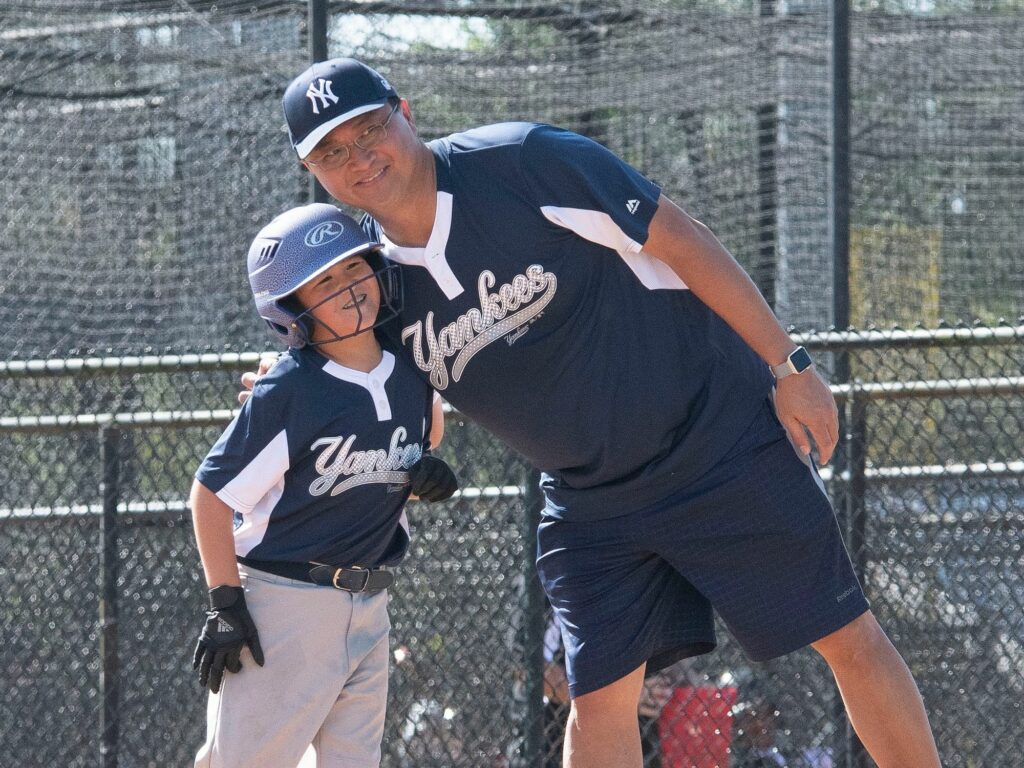
Parents and coaches play a crucial role in fostering a child’s love for baseball and helping them improve their skills. They should be there to cheer them on, give them helpful advice, and give them chances to practice. Here’s how they can help young players:
- Help your child set achievable goals and celebrate every win to boost their self-esteem.
- Make sure they practice often, but also ensure they’re having a great time doing it.
- Offer them additional learning materials like books, instructional videos, or even sign them up for a camp.
As a parent or a coach, your active participation can create a nurturing space that promotes both personal growth and a love for the game.
What Skills Do Youth Baseball Hitting Programs Teach?
Good hitting programs will teach a variety of skills that are critical for young players. These skills are the foundation of good hitting technique and are usually what drills and practice sessions focus on.
Getting Started: The Basics of Grip and Stance
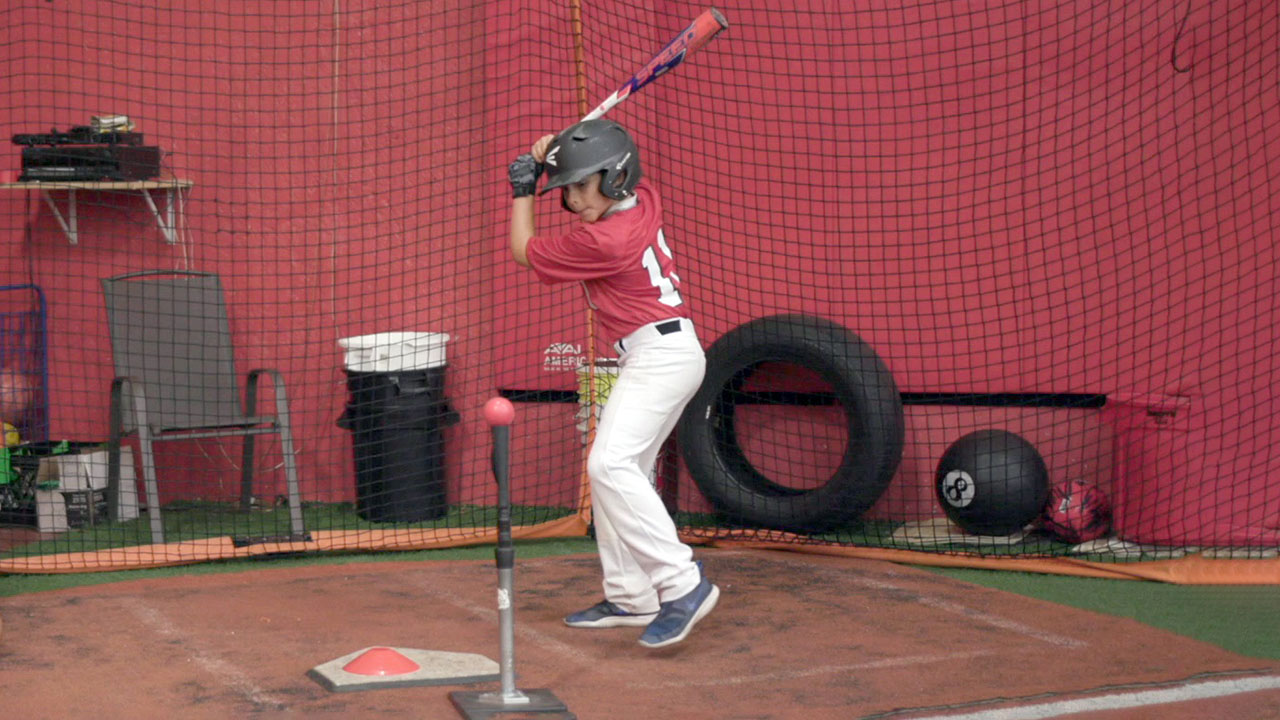
A good swing starts with a good grip and stance. The grip is important for controlling the bat, and the stance helps with balance. These are often the first things coaches teach to help players develop a consistent swing. Here’s how to get started:
- Grasp the bat lightly, lining up the knuckles you’d use to knock on a door.
- Stand with your feet as far apart as your shoulders, and bend your knees a little.
- Hold the bat over your shoulder, poised to swing.
Regular practice of these basics helps kids develop muscle memory and self-assuredness when they’re up to bat.
Perfecting the Swing: Rhythm and Timing
Good timing and rhythm are essential for a successful hit. A swing that is well-timed can turn a strikeout into a home run. There are drills that players can do to improve their timing and rhythm. Here are some tips:
- Keep a steady swing rhythm by using a metronome.
- Take the pressure off by practicing hitting off a tee, which allows you to focus on timing.
- Try soft toss drills to simulate live pitching.
Young players can become more consistent and effective at the plate by mastering timing and rhythm.
Promoting a Positive Attitude
It’s essential for young baseball players to maintain a positive attitude as they develop their skills. Parents and coaches can greatly influence a player’s outlook on the game through their encouragement and support. Instead of focusing solely on results, emphasize the importance of effort and growth. Recognize and celebrate small wins and improvements, and teach players to view mistakes as learning opportunities that will help them improve. This mindset will foster resilience and a passion for the game.
Developing a Training Routine
When it comes to honing hitting skills, consistency is crucial. A regular training routine can help young players gradually improve their skills. Here’s how to create an effective routine:
- Designate certain days and times each week for practice.
- Incorporate a variety of drills that target different components of hitting.
- Ensure time for rest and recuperation to avoid overexertion and injuries.
By maintaining a regular practice schedule, players can steadily enhance their skills and build self-assurance at the plate.
Keeping Track and Giving Feedback
It’s important to keep track of progress to help young players see how far they’ve come and keep them excited about the game. Coaches and parents should make a habit of checking in on a player’s performance and giving helpful feedback. Here are some ways to do that effectively:
- Video recordings are a great tool to break down a player’s swing and pinpoint what they need to work on.
- Setting small, achievable goals and celebrating them when they are reached can help keep players motivated.
- Feedback should be specific and focus on both what the player is doing right and what they need to work on.
Consistent feedback is important for players to understand what they are good at and what they need to work on, which leads to continuous improvement.
Advice for Coaches on Implementing Hitting Programs
Coaches are instrumental in molding the skills and attitudes of young players toward baseball. The implementation of a well-structured and effective hitting program can greatly impact the overall performance of a team.
Creating Productive Training Sessions
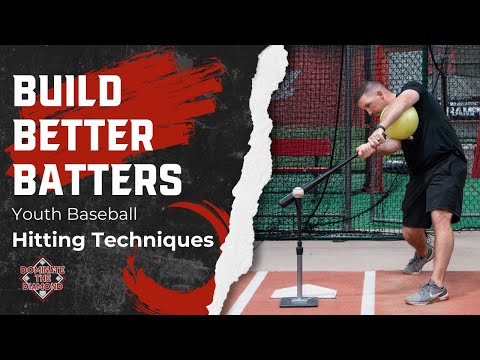
Productive training sessions are well-structured and focus on specific skills. Here’s how to create sessions that optimize learning: explore kids baseball practice drills for effective coaching techniques.
Begin with a warm-up to prepare players both physically and mentally. This could include light jogging, stretching, and dynamic exercises that simulate baseball movements.
After that, concentrate on exercises that address various components of hitting, including grip, stance, and swing techniques. Rotate between stations to keep players involved and guarantee they practice a range of skills.
For instance, you can establish three different stations—one for tee work, one for soft toss, and one for live pitching practice. Make sure to rotate the players every 10 minutes to keep the session lively and all-encompassing.
Wrap up with a cool-down and a quick chat about what they learned. This helps to solidify the day’s lessons and prompts the players to think about how they did. For more ideas, check out these kids baseball practice drills.
Modifying Drills to Match Skill Levels
Each player is different, and drills should be modified to match individual skill levels. Here’s how to effectively adjust practices:
Start with the basics for beginners, like hitting off a tee and learning the correct stance and grip. As they get more comfortable and skilled, you can start to add more complicated drills.
For the more seasoned players, incorporate drills that test their timing and hand-eye coordination, like live batting practice against different pitching speeds.
Coaches can make sure all players are appropriately challenged and can move forward at their own speed by modifying drills.
Using Tech Tools to Boost Performance
Technology has a lot to offer when it comes to improving hitting programs. Here are some ways coaches can take advantage of these tools:
Employ video analysis to dissect swings and pinpoint areas that need work. Slow-motion replays can assist players in visualizing their mechanics and making the necessary tweaks. For more in-depth training, consider exploring youth baseball training packages that offer advanced hitting techniques.
Think about using apps that monitor swing speed, angle, and the quality of contact. These statistics offer hard data on a player’s performance and where they can improve.
Developing Team Spirit and Fair Play
Although batting is a solo skill, baseball is a team game. It’s crucial for coaches to stress the significance of team spirit and fair play in their programs. Players should be urged to back each other up, rejoice in victories, and take failures as a team as learning opportunities. This promotes a healthy team atmosphere and creates a bond between players.
Wrapping Up: Cultivating a Passion for Baseball
More than just honing skills, the endgame of youth baseball hitting programs is to cultivate a lasting passion for the sport. By emphasizing positive experiences, skill progression, and camaraderie, we can motivate young players to keep delighting in baseball for many more years.
The Lifelong Advantages of Solid Batting Abilities
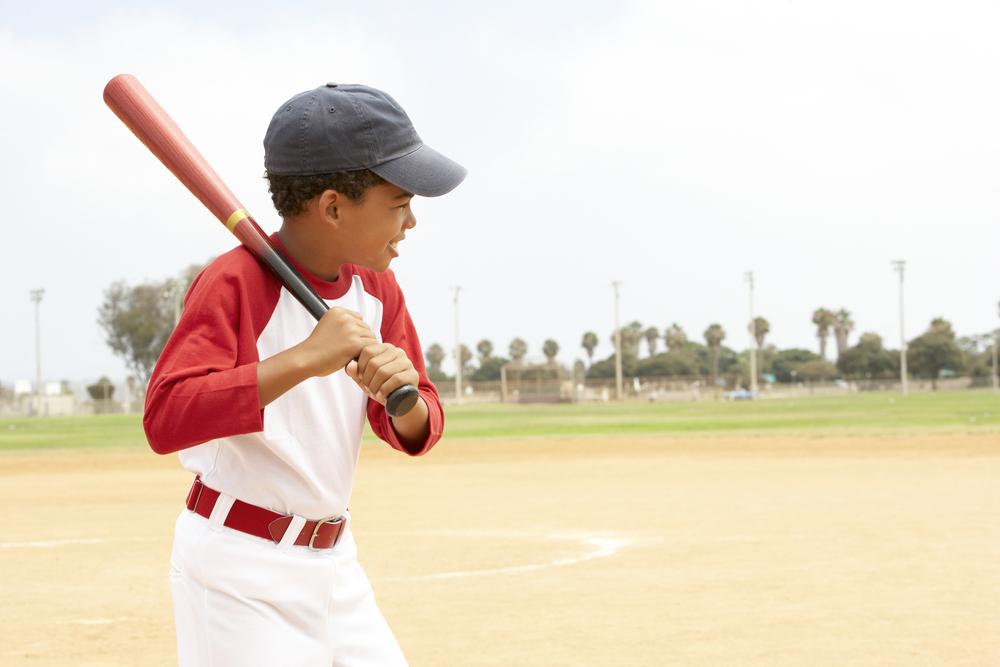
Building solid batting abilities from a young age can have lifelong advantages for young sportspeople. These abilities not only enhance performance on the field, but they also foster self-assurance and self-control that can be used in other life aspects. Additionally, the friendships and recollections formed through baseball can endure forever, fostering a sense of community and affiliation. For those looking to further improve their skills, exploring coaching tips and drills can be incredibly beneficial.
Creating a Sustainable Baseball Community
Creating a sustainable baseball community involves more than just playing the game. It involves creating a space where young players feel supported, valued, and inspired to grow. By promoting teamwork, good sportsmanship, and a love for the game, we can cultivate a community that goes beyond the field. This community can provide lifelong friendships, opportunities for mentorship, and a shared love for baseball that spans generations.
Common Questions
Parents and coaches alike often have a lot of questions when it comes to youth baseball hitting programs. Answering these questions can help make sure young players have the best experience possible and get the support they need to succeed.
When should my child start baseball hitting programs?
Parents often ask when they should enroll their child in a baseball hitting program. Typically, kids can start learning the fundamentals of hitting, like grip and stance, when they’re around five or six years old. But, it’s crucial to adapt the program to the child’s development and interest.
When dealing with younger kids, prioritize making the game fun and teaching them the basic skills to keep them interested. As they get older and show more enthusiasm for the game, slowly start to introduce more organized training and sophisticated techniques.
- 5-6 years old: Simple skills and enjoyable drills
- 7-9 years old: Beginning of more organized practice
- 10+ years old: More complex techniques and competitive play
In the end, the best age to start is based on the specific child’s readiness and passion for the game.
What is the ideal frequency of hitting practice for young players?
Repetition is the mother of skill, and this is especially true when it comes to mastering the art of hitting. Young players should strive to practice hitting a minimum of two to three times a week, depending on their age and the level of their dedication. This frequency allows them to develop muscle memory and progressively enhance their skills without overloading them. For more tips, explore these youth baseball batting drills that can help improve consistency and contact.
What gear do kids need for hitting practice?
It’s important to have the right gear for hitting practice. Here’s what every kid needs: a quality bat, a glove, and protective gear. To ensure your child is well-equipped, check out this guide on the best youth baseball training equipment.
- Baseball bat: Choose a bat that is the appropriate size and weight for the player’s age and skill level.
- Batting helmet: Safety is a priority, so ensure the helmet fits properly and offers adequate protection.
- Batting gloves: These provide a better grip on the bat and reduce the risk of blisters.
- Baseballs: Use regulation-size balls for practice.
- Tee: A batting tee is great for practicing swing mechanics and improving accuracy.
With these items, young players can practice effectively and safely, whether at home or on the field. For more tips, check out our baseball practice drills guide.
What can coaches do to keep practices enjoyable and stimulating?
Ensuring practices are enjoyable and stimulating is key to sustaining the interest and enthusiasm of players. Coaches can do this by incorporating a mix of drills, games, and challenges into their sessions. Fostering a sense of friendly competition and acknowledging achievements, no matter how small, can also enhance team spirit and drive.
What should you avoid doing during batting practice?
Coaches and parents should be aware of a few common mistakes that can happen during batting practice. These mistakes include putting too much emphasis on the results rather than the effort, not teaching the correct mechanics, and not giving useful feedback. By avoiding these mistakes, you can help your players develop good, strong batting skills.
What can parents do to help their child’s mental game?
The mental game is just as important as the physical game, and parents can support their child by encouraging a growth mindset, focusing on effort and improvement rather than perfection, and teaching them how to cope with pressure and setbacks. A positive and supportive home environment can have a big impact on a player’s mental toughness and love of the game.
How does nutrition affect a player’s performance?
Proper nutrition is critical for a young athlete’s performance and overall health. Eating a balanced diet with a variety of nutrients helps players keep their energy levels up, recover from practice, and build strength. Parents should make sure to provide meals that include lean proteins, whole grains, fruits, vegetables, and healthy fats to support their child’s athletic activities. For more tips on supporting young athletes, check out these youth baseball training equipment suggestions.
How can you tell if a player’s hitting skills are improving?
There are several ways to gauge whether a player’s hitting skills are getting better. These include improvements in swing mechanics, consistency in making contact with the ball, and hitting power. Video analysis can be a useful tool for parents and coaches to track changes over time and set goals for future improvement. Regular progress reviews can help keep players engaged and motivated to keep getting better.
To sum up, youth baseball hitting programs provide a golden chance for young players to acquire necessary skills, gain self-assurance, and cultivate a lifelong passion for the game. By concentrating on positive experiences, organized practice, and encouraging coaching, we can enable the next generation of baseball lovers to achieve their maximum potential.

Leave a Reply