For young athletes playing baseball and softball, learning how to bunt effectively can be a real game-changer. With the correct methods and plenty of practice, bunting can become a strategic tool for players. Let’s take a look at the basics of bunting and how you can assist young players in enhancing their abilities.
Main Points
- For effective bunting, a proper stance and grip are needed.
- Improving accuracy and control is possible by focusing on ball contact.
- Consistent practice with particular drills can enhance bunting skills.
- Confidence and strategic value in games can be built through bunting.
- Successful bunting requires avoiding common mistakes.
Now that we’ve covered these main points, let’s delve into some quick tips to improve bunting skills.
Simple Ways to Improve Your Bunting Technique
Getting better at bunting means knowing the basics and practicing them often. Here are some simple ways to begin:
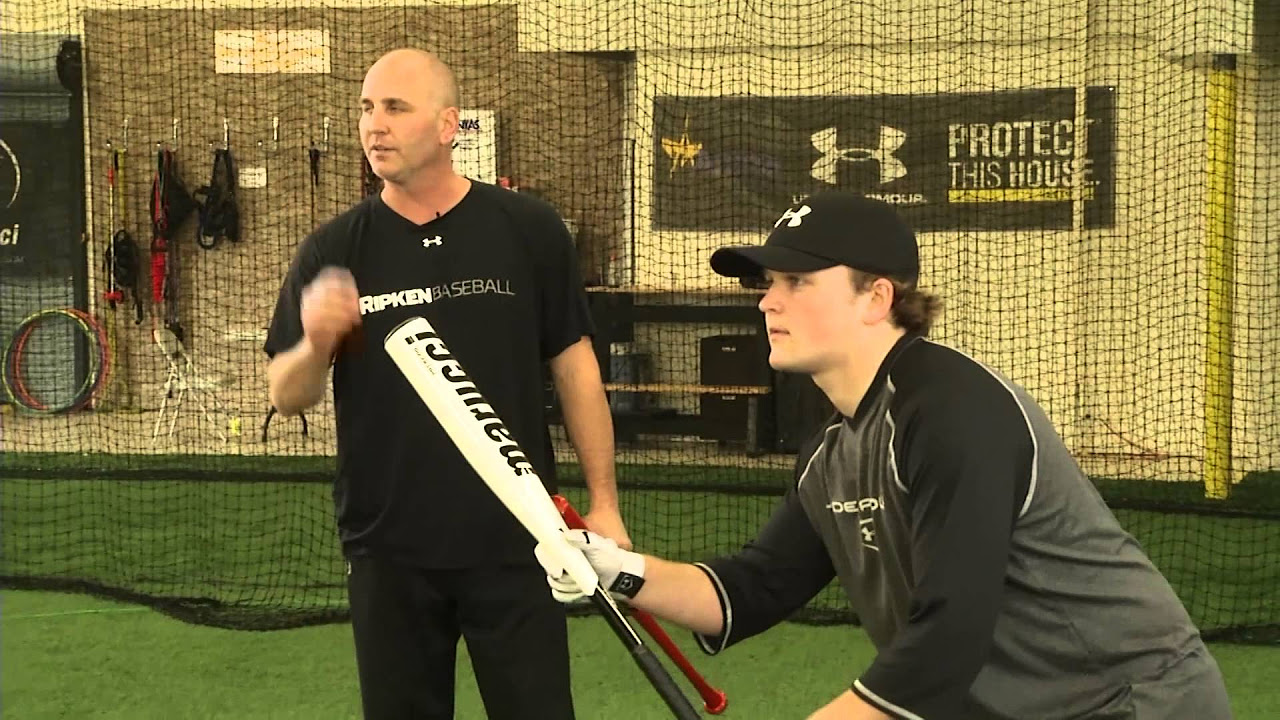
Basic Stance
Having a good stance is important for bunting. A good stance allows players to react quickly and make solid contact with the ball. Players should stand with their feet shoulder-width apart, knees slightly bent, and weight balanced on the balls of their feet.
Here’s an example to show you the correct positioning:
“Think of yourself as a surfer, ready to ride a wave. You’ve bent your knees, and you’re balanced. This is what your stance for bunting should look like.”
This position allows players to swiftly adjust their body to meet the ball efficiently. For more tips on improving your technique, check out our guide on training methods to increase bat speed.
Concentrate on Ball Connection
Connection is key when it comes to bunting. Players should strive to softly touch the ball instead of hitting it. The objective is to slow down the ball’s speed and guide its path.
- Keep your eyes on the ball as it comes in.
- Use a gentle touch to catch the ball.
- Try to hit the upper part of the ball.
Following these steps will help keep the ball close to the field, making it more difficult for the defense to respond.
Steady Training Exercises
It’s true that practice makes perfect, and this is especially true for bunting. Include exercises that concentrate on placement, contact, and control. For more tips on enhancing your skills, explore these youth baseball coaching tips. Here are a few exercises to test out:
A practical drill to try is the “Soft Toss Bunting Drill.” This drill involves a coach or teammate gently throwing the ball to the player, who then practices bunting it accurately. This drill is excellent for helping players improve their hand-eye coordination and control over the ball.
The Role of Bunting in Youth Sports
Bunting isn’t just about hitting the ball. It’s a crucial part of the game’s overall strategy. Knowing its significance can inspire young athletes to improve their bunting abilities.

The Importance of Bunting
In baseball and softball, bunting can be a powerful strategy. It gives teams the chance to move runners forward, confuse the defense, and make opportunities to score. Players who are skilled in bunting can make a big difference in how well their team does.
Boosting Self-Esteem in the Batter’s Box
For youthful athletes, self-assurance in the batter’s box can be a game-changer. Pulling off a bunt successfully can enhance a player’s self-confidence and make them feel more empowered during games. Thus, it’s crucial to motivate players to practice bunting on a regular basis, honing both their abilities and their self-assurance.
Essential Bunting Techniques
Now that we have covered the basics, it is time to take a closer look at the essential techniques that make bunting effective. By mastering these techniques, players will be able to improve their bunting skills greatly.
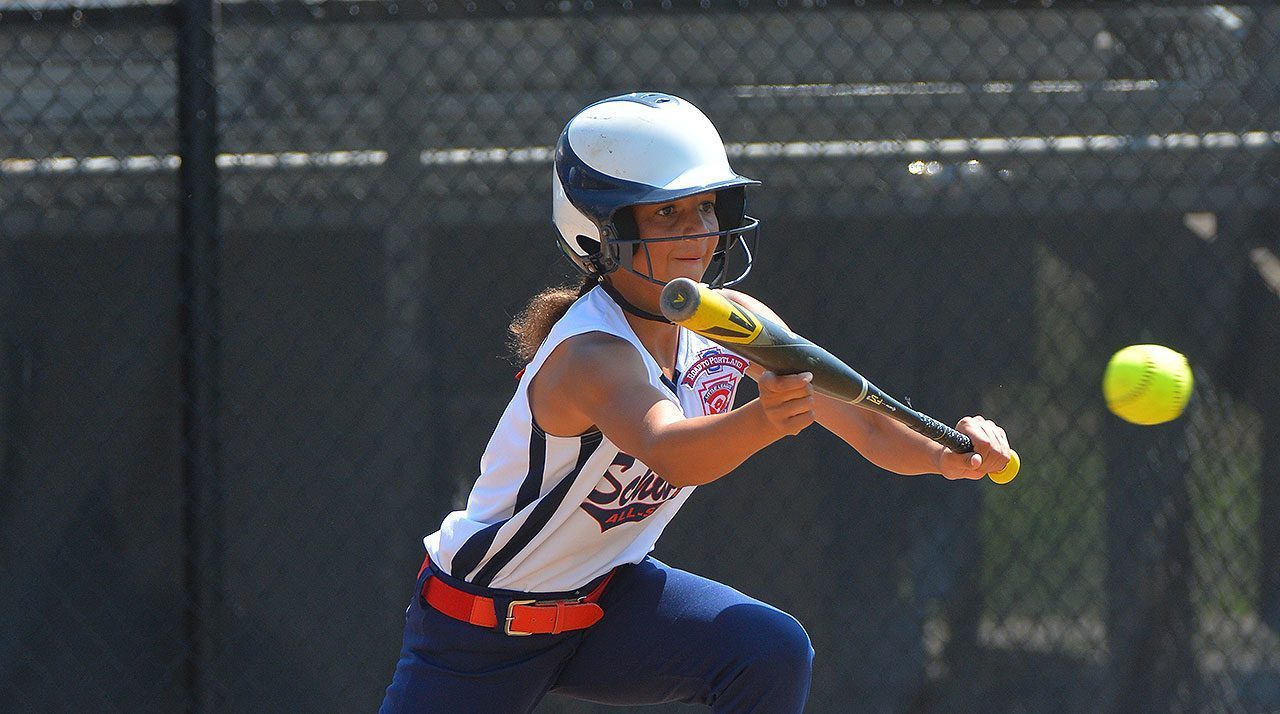
Correct Position and Hold
It is necessary to have the right position and hold for successful bunting. For more tips on improving your technique, check out these youth baseball coaching tips. Here is how it can be done:
- Position yourself with your feet as wide as your shoulders.
- Hold the bat so that your top hand is near the barrel and your bottom hand is on the handle.
- Flex your elbows a little bit.
Doing these things will help players be in the best position to hit the ball in a controlled way.
Mastering Bat Movement
Mastering bat movement is a key factor in successful bunting. The goal is for players to “catch” the ball on the bat, using a gentle touch to slow the ball’s momentum. This method takes practice but is necessary for good bunting. For more tips on improving your skills, check out these youth baseball coaching tips.
Where to Place Your Hands and Fingers
Where you place your hands and fingers can make a big difference when bunting. You should use your top hand to guide the bat and your bottom hand to keep it steady. Your fingers should hold the bat lightly so you can move it easily and control it.
Let’s take this example:
“Your top hand is like the director of a movie, guiding the bat’s action. Your bottom hand is like the film crew, providing the necessary stability and support.”
This metaphor helps players grasp the significance of hand placement when bunting.
Particular Exercises for Training
Exercises are the foundation of enhancing abilities in any game, and bunting is not an exception. Doing particular exercises aids participants in building muscle memory, enhancing precision, and gaining faith in their capabilities. Here are some exercises that can boost bunting abilities:
Soft Toss Bunting Exercise
The Soft Toss Bunting Exercise is a great way to enhance hand-eye coordination and control. In this exercise, a coach or teammate gently throws balls to the player, who concentrates on bunting them accurately. This exercise gives players the opportunity to practice controlling the speed and direction of the ball. For additional tips, check out these training methods to improve your game.
This is how you get started:
- Position yourself in the batter’s box while a partner or coach stands a few feet away.
- The partner should lightly toss balls in the direction of the player.
- The player should aim to bunt the ball back to the tosser, using a gentle touch and controlled movements.
Static Bunting Technique Practice
Practicing bunting with a stationary ball is what Static Bunting Technique Practice entails. This allows players to concentrate on their stance, grip, and control of the bat. It’s a great way to strengthen the basics.
Here’s what you need to do to enhance your coaching skills: explore our youth baseball coaching tips for improving eye-hand coordination.
- Stand in the batter’s box without a ball.
- Concentrate on keeping a good stance and grip.
- Pretend to bunt by lightly tapping the bat against an imaginary ball.
This drill is especially good for beginners who need to build confidence before they face live pitches.
Track and Pivot Exercise
The Track and Pivot Exercise is intended to increase a player’s skill in following the ball and adjusting their body as necessary. This exercise boosts precision and reaction speed. For more insights, explore our training methods to increase bat speed.
This is how you do it:
- Get in the batter’s box with a partner or coach who can throw pitches to you.
- When the ball is on its way, turn your body to face the pitch.
- Watch the ball closely and bunt it with precision, trying to keep it in play.
Doing this drill can help players get better at adjusting to different pitch speeds and paths.
Fixing Frequent Bunting Errors
Despite diligent practice, players may still make frequent bunting errors. Identifying and rectifying these mistakes is crucial for progress. Below are some frequent errors and how to fix them:

A common error is gripping the bat too tightly. This can result in a loss of control and accuracy, making it challenging to bunt effectively. To prevent this, athletes should concentrate on keeping a loose grip with their fingers barely touching the bat.
Another common problem is not keeping the bat level. If the bat is tilted, it can cause pop-ups or weak contact. Players should strive to keep the bat parallel to the ground to ensure solid contact with the ball.
Preventing Over-Gripping
One of the most common mistakes that can prevent a player from bunting effectively is over-gripping the bat. Holding the bat too tightly restricts the bat’s movement and makes it more difficult to control the direction of the ball. To prevent this, players should concentrate on gripping the bat with their fingers, not their palms, for increased flexibility and control.
Overcoming Nervousness and Apprehension
It’s normal for young players to feel nervous and apprehensive when bunting. Unfortunately, these feelings can lead to errors. To conquer these emotions, players should try deep breathing and visualization exercises. If they visualize successful bunts and take deep breaths before getting into the batter’s box, they can lessen their nervousness and increase their concentration.
Understanding the Game and Timing
Knowing the right time and way to bunt in a game is as important as the bunting technique itself. Bunting at the right moment can lead to scoring chances and put the defense under pressure.
Getting the timing right is key when bunting. Players have to know when to bunt for a sacrifice and when to bunt for a hit. This needs an understanding of what’s happening in the game and how the defense is set up.
Knowing When to Sacrifice Bunt
A sacrifice bunt is a strategic play designed to move runners into scoring positions. This is often used when the team needs to advance a runner from first to second or from second to third. Players should always be mindful of their team’s current situation and be prepared to lay down a bunt when needed.
Here’s how to properly perform a sacrifice bunt:
- Square up to the pitcher early to signal your intent to bunt.
- Focus on making contact with the ball and directing it towards the infield.
- Aim to place the bunt in an area that forces the defense to make a play, allowing the runner to advance.
Recognizing Defensive Positioning
Recognizing the defensive positioning can help players decide when to bunt for a hit. If the infielders are playing deep, a well-placed bunt can catch them off guard and lead to a base hit. Players should be observant and ready to take advantage of defensive gaps.
Maximizing Offseason Training
Offseason is the perfect time for players to fine-tune their bunting skills. The absence of game pressure allows players to concentrate on enhancing their technique and developing muscle memory.
Training during the offseason should consist of a variety of drills and enjoyable activities to keep players involved and motivated. Practice can be more enjoyable and efficient if games and challenges are included, as suggested in these youth baseball coaching tips.
Practicing Inside
Practicing inside is a great option for the offseason, especially in places where it gets cold. Players can practice bunting with softer balls and plastic bats, focusing on the technique instead of the power. For more tips on bunting, check out how to bunt in baseball or softball. Setting up a small space inside to practice can help players stay sharp and ready for the upcoming season.
Here’s an example:
“In the off-season, you can create a small practice field in your garage or basement. Use foam balls to practice bunting against a wall. This will help you stay in shape and be ready for the start of the season.”
With these training techniques, players can keep their skills sharp and have an advantage when the season begins.
Adding Enjoyment to Practice
It’s important to keep practice fun to keep young athletes interested. Adding fun aspects to bunting practice can help players improve their skills while having fun. Think about adding games and contests to your practice.
For example, you could arrange a bunting contest where players gain points for precise bunts. Not only does this make practice more enjoyable, but it also promotes healthy competition and skill development.
Another suggestion is to set up relay races where players have to bunt the ball into designated zones to progress. These exercises make practice fun and help players develop a passion for the game. For more ideas on improving skills, check out this youth baseball hitting program.
Wrapping Up: Bunting as a Multi-Purpose Tool
Bunting is an essential skill in baseball and softball, providing both tactical benefits and self-assurance for young players. By becoming proficient in the techniques and training regularly, players can transform bunting into a formidable weapon in their toolkit. Bear in mind, the secret to success is practice, patience, and a can-do spirit.
Wrapping Up on Skill Building
Building bunting skills takes commitment and regular work. Urge players to practice often and concentrate on the basics. Over time, they will notice major enhancements in their skills.
As mentors and guardians, we must provide the necessary encouragement and direction during the learning process. We should celebrate minor wins and inspire our players to continue to strive for excellence. After all, the process of developing a skill is just as important as the end goal.
Common Questions
Here are some common questions and answers to give you a better understanding of the art of bunting.
What makes bunting a crucial skill in baseball and softball?
- Bunting allows runners to move forward into positions where they can score.
- It can throw off the defense and open up chances to score.
- Successful bunting boosts a player’s confidence and helps the team win.
Bunting is a key strategy in games, so it’s a must-learn skill for players.
Realizing how important it is can encourage athletes to train and enhance their bunting skills.
How should you hold the bat when bunting?
When bunting, you should use your top hand to steer the bat and your bottom hand to keep it steady. Your fingers should hold the bat lightly to allow for maneuverability and control. This grip allows players to have more accuracy and control over where the ball goes.
How can players avoid common bunting mistakes?
To avoid common bunting mistakes, players should focus on maintaining a relaxed grip and keeping the bat level. Practicing regularly and seeking feedback from coaches can help identify and correct errors.
Keeping a cool head and staying focused during games is also important, as getting tense can lead to errors. For more tips on maintaining focus, explore these game skills for kids.
What are some good drills for better bunting?
Good drills for better bunting include the Soft Toss Bunting Drill, Static Bunting Technique Practice, and the Pivot and Track Drill. These drills help players build muscle memory, hand-eye coordination, and control over the ball.
When should I practice bunting?
You should practice bunting during the offseason when there’s no pressure from games. This gives you the chance to work on your technique and build muscle memory. Practicing regularly throughout the year also helps keep your skills sharp and improve your performance.
Why is bunting beneficial in youth sports?
There are several reasons why bunting is beneficial in youth sports. It can help improve hand-eye coordination, strategic thinking, and confidence. Plus, it encourages teamwork and good sportsmanship.
Learning how to bunt effectively can make a big difference in a youth baseball or softball player’s game, not only helping their team but also building skills that will benefit them as they continue to play.
What can a player do to boost their bunting confidence?
Players can boost their bunting confidence by practicing often, setting realistic goals, and celebrating small wins. It’s also important to maintain a positive attitude and learn from errors. For more tips on improving skills, check out this guide for parents and coaches.
- Take time to do some deep breaths and visualize success to help calm nerves.
- Ask for input from coaches and teammates to help figure out what needs to be worked on.
Remind players that the more they play and push themselves, the more confident they will become. For additional guidance, check out these youth baseball hitting programs that teach essential skills.
What do you need for bunting practice?
You will need a bat, balls, and a safe practice area for bunting practice. You can also use softer balls and plastic bats for indoor training during the offseason. For more information on choosing the right equipment, check out our guide on the best fastpitch softball bats for kids.
Having a specific area for training can assist athletes in concentrating on their form and enhancing their abilities.
Improving bunting techniques in youth baseball and softball is essential for developing well-rounded players. Coaches can focus on drills that enhance hand-eye coordination and timing. It’s also beneficial to integrate training methods to increase bat speed, as this can contribute to better bunting performance. Consistent practice and proper guidance can make a significant difference in a player’s ability to execute bunts effectively during games.

Leave a Reply