Baseball isn’t just a sport for young athletes; it’s a means of teaching teamwork, discipline, and perseverance. As a coach, you play a critical role in shaping these experiences. This guide is designed to inspire and provide you with the tools you need to conduct effective and enjoyable baseball practices for players aged 8 to 12. Let’s explore the basics of coaching youth baseball.
Key Points
- Having a structured practice plan is crucial for skill development and maintaining the attention of young players.
- Keeping a balance between fun and skill development is important for keeping young athletes interested and excited.
- Good communication with young players creates a positive learning environment.
- Modifying drills for different skill levels ensures that all players get something out of practice sessions.
- Dealing with common issues such as distractions and behavior problems is part of successful coaching.
Getting Started with Youth Baseball Coaching
Coaching youth baseball is an extremely fulfilling experience. You get to see the growth and development of young athletes up close. But it also comes with its own set of challenges. The key to overcoming these challenges is being prepared and understanding the unique needs of your players.
The Value of Having Organized Practice Plans
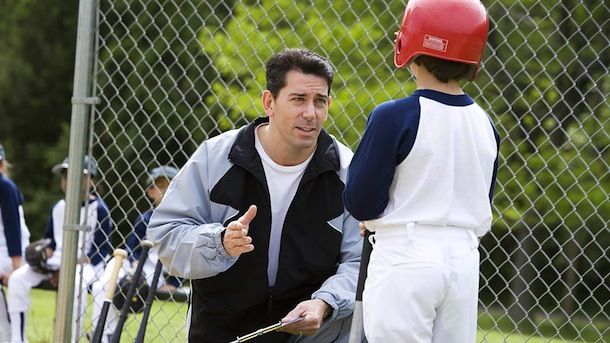
Think of an organized practice plan as your team’s roadmap. It guarantees that every moment of practice is used to its fullest, concentrating on particular abilities and goals. Practices can become disorganized and chaotic without a plan, and young players may lose interest. As a result, developing a comprehensive practice plan can help maintain discipline and keep players focused.
Think about dividing your practice into sections that concentrate on various abilities such as batting, fielding, and running bases. This not only makes the practice more interesting but also helps players to develop a comprehensive set of skills.
Obstacles Coaches Encounter with the 8u-12u Age Group
Training the 8u-12u age group is a unique challenge. At this stage, players are still in the process of developing their basic motor skills and comprehension of the game. As a coach, you need to find ways to keep them motivated while teaching them the fundamentals.
One of the biggest hurdles is managing different skill levels on the same team. Some players may have prior experience, while others are just starting out in the sport. It’s critical to establish an environment where all players feel valued and have chances to get better. For guidance on developing your team’s abilities, consider these youth baseball practice drills that cater to varying skill levels.
How to Create Successful Practice Plans
Designing a successful practice plan requires establishing clear goals, organizing the practice to include a variety of skills, and making sure each session is both instructive and enjoyable. For more guidance, explore these ready-to-use practice plans for baseball coaches.
Establishing Specific Aims and Targets
Prior to every training session, determine what you would like your athletes to accomplish. Regardless of whether it’s enhancing their batting average or becoming proficient at a new fielding strategy, possessing specific targets provides your practice with a sense of purpose.
For instance, when the objective is to enhance batting, concentrate on exercises that boost bat speed and hand-eye coordination. Share these objectives with your team so they understand what to concentrate on during training.
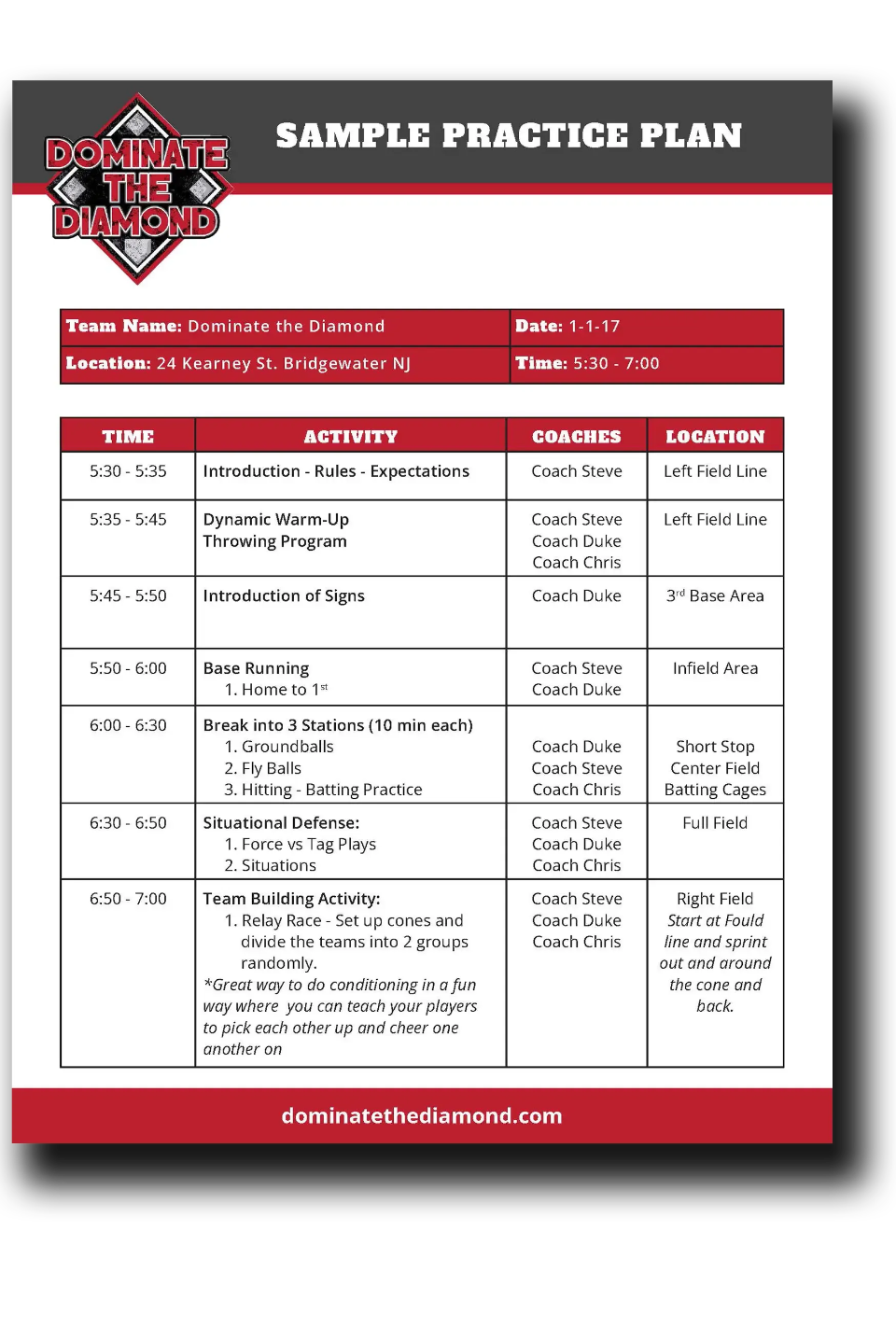
Example of a Structured Practice Plan
A good practice plan should include warm-ups, skill drills, game-like scenarios, and cool-down activities. Here’s a simple template:
- Warm-up (10 minutes): Light jogging and dynamic stretches.
- Skill Drills (30 minutes): Focus on hitting, fielding, or base running.
- Game Scenarios (20 minutes): Simulate real-game situations to apply skills.
- Cool-down (10 minutes): Static stretching and team talk.
Balancing Skill Development and Fun
While skill development is important, keeping the practice fun is crucial for maintaining players’ interest. Incorporate games and challenges that allow players to apply their skills in a fun and competitive environment.
For example, you could set up a relay race where the kids have to field ground balls or hit targets. Not only will this help improve their skills, but it will also encourage team spirit and friendship among the players. For more ideas on enhancing their skills, check out these youth baseball practice drills.
Base Running Drills: Quickness and Nimbleness
Base running is a critical aspect of baseball that demands quickness, nimbleness, and intelligent decision-making. To help young players hone these skills, include drills that concentrate on rapid starts, acute turns, and effective base stealing.

A great drill to utilize is the “Home to First” dash. Players start at home plate and sprint as quickly as possible to first base. This drill not only works on speed but also helps players learn how to get a quick start out of the batter’s box. For more ideas on drills, check out these basic drills for baseball coaches. Encourage them to pay attention to their form and use their arms to propel themselves forward.
A different drill to boost agility is the “Base Stealing Drill.” Arrange cones to mimic bases and have the players practice leading off and stealing bases. Highlight the significance of timing and understanding the pitcher’s movements. By consistently practicing these drills, the players will become more self-assured and effective on the bases.
Building Arm Strength and Accuracy: Pitching and Throwing Drills
Both pitchers and fielders need to have strong and accurate arms. You can start with the “Long Toss Drill,” where players slowly increase the distance between themselves and their partner while keeping their throws accurate. This drill will help build arm strength and endurance.
When it comes to pitchers, the “Pitching Accuracy Drill” is a great one to focus on. Set up targets in various places around the strike zone and have your pitchers aim for these targets. This will help them improve their control and accuracy. Make sure to emphasize the importance of using the right mechanics to prevent injuries and to ensure that their throws are effective.
Coaching Techniques for 8u-12u Teams
Coaching young athletes necessitates a mixture of patience, passion, and tactical preparation. It’s crucial to grasp the developmental phases of your players and adapt your coaching tactics to suit.
A great tactic is to use visual aids and demonstrations. Young players usually learn better when they can see it. Use diagrams, videos, or live demonstrations to show them techniques and strategies. This tactic can make hard concepts easier to understand and relate to.
Keeping Kids Interested
To help young athletes grow and enjoy the game, it’s crucial to keep them interested during practice. You can do this by making practices interactive and adding games and challenges that promote participation and teamwork.
For instance, you could create a game called “Fielding Frenzy” where players compete to field as many ground balls as possible within a certain time frame. This game not only helps improve fielding skills, but it also adds an element of fun and competition. By making practices enjoyable, you’re fostering a love for the game that will motivate players to keep improving. For more ideas on how to make your practices engaging, check out these baseball drills for first-time coaches.
How to Talk to Young Players
Good communication is how you build trust and understanding with young players. Make sure you’re using simple and clear language when you’re explaining drills or giving instructions. Don’t use any jargon or complicated terms that might confuse them. For more tips, consider exploring basic drills for baseball coaches to enhance your coaching skills.
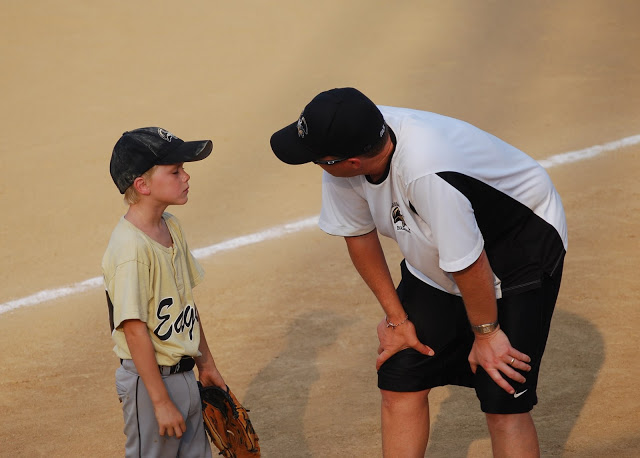
Not only should you focus on what you say, but also how you say it. A simple thumbs-up or a smile can help a player feel more confident. Make sure to encourage players to ask questions and share their thoughts. This helps to create a supportive environment where players feel like they matter and are being listened to. For more tips on creating an encouraging atmosphere, check out these baseball drills for first-time coaches.
Building an Encouraging Learning Atmosphere
It’s vital to build an encouraging learning atmosphere for the growth of young athletes. Create a culture of positivity where mistakes are viewed as chances to learn, not failures. Celebrate small wins and progress, even if they seem insignificant. For more tips on fostering a positive environment, explore our online personal baseball coach training programs.
Stress the importance of teamwork and respect among players. Emphasize the importance of having each other’s backs and working together to achieve shared objectives. By fostering a positive environment, you will aid in the development of players not only as athletes but also as individuals who appreciate teamwork and persistence.
Overcoming Common Problems
All coaches face problems during practice, whether it’s managing distractions or handling behavioral issues. Being ready to deal with these situations effectively is crucial to keeping a productive practice environment. For more insights, check out these youth baseball practice drills that can help maintain focus and discipline.
Young players are often easily distracted. To combat this, lay out clear rules and expectations at the start of each practice. Reward good behavior to encourage focus and attention. For additional tips on maintaining focus during practice, check out these fielding coaching tips.
Dealing with Distractions and Keeping Players Focused
- Begin every practice with a quick meeting to discuss the goals and expectations for the day.
- Implement short, varied drills to keep players interested and avoid monotony.
- Add fun components like games or competitions to keep players engaged.
If distractions continue to be a problem, think about changing the structure of the practice. Split up longer drills into smaller sections to hold the players’ attention. Also, let the players help set the goals for practice to give them a sense of ownership and accountability.
Keeping their attention is a continuous effort, but with regular work, players will learn to stay involved and get the most out of their practice time.
Modifying Drills to Suit Different Skill Levels
When coaching a team with players of varying skill levels, it’s crucial to modify drills so that all players can benefit. Consider using tiered drills that allow players to progress at their own speed. For example, in a batting drill, you can adjust the difficulty level by altering the speed or distance of pitches.
Urge your seasoned players to take the less experienced ones under their wings. This will not only help the rookies to get better, but it will also reinforce the skills of the mentors. By catering to different skill levels, you’ll foster a more inclusive and supportive team atmosphere.
Handling Behavioral Issues
Behavioral issues can interrupt practice and impact team morale. Address these problems as soon as they arise and do so consistently. Set clear rules and consequences for behavior at the start of the season and make sure both players and parents are aware of them.
When dealing with behavioral problems, concentrate on the behavior, not the person. Encourage good behavior with positive reinforcement and redirect bad behavior with constructive criticism. Keep in mind, your objective is to guide and assist players in their growth as both athletes and people. For more insights on guiding young athletes, explore this online personal baseball coach training program.
Wrapping Up On Youth Baseball Coaching
Coaching youth baseball is an adventure that’s both challenging and rewarding. By crafting structured practice plans, communicating effectively, and nurturing a positive learning environment, you can motivate young athletes to achieve their best.
Take the time to regularly think back on your coaching experiences and always be ready to learn and adapt. Keep in mind, the influence you have on young players extends beyond the field; you’re helping to shape their character and future. Cherish the journey and appreciate the honor of being a mentor and coach. For more insights on how to enhance your coaching skills, explore these online personal baseball coach training programs.
Fostering a Lifelong Love for the Game
Fostering a lifelong love for baseball in young players means not only focusing on short-term achievements, but also instilling a deep love for the game. This requires building an atmosphere where players are inspired to get better and enjoy the journey of learning. Highlight the significance of hard work over results, and celebrate small wins and progress along the way. For coaches looking to enhance their training techniques, exploring youth pitching mechanics tips can be a valuable resource.
It’s important to teach players that setbacks are part of the process. Use these moments as teaching opportunities, encouraging resilience and perseverance. Share stories of professional athletes who faced challenges early in their careers but continued to work hard and eventually succeeded.
By nurturing a passion for the sport and a mindset for personal growth, you’ll help your players grow not only as athletes but as individuals who will carry these values into other aspects of their lives. Remember, your impact as a coach goes well beyond the playing field.
Looking Back on Coaching
Looking back on your experiences is a great way to learn and grow. After every practice or game, take a moment to think about what worked and what didn’t. You might find it helpful to keep a coaching journal where you can write down what you notice, what you find challenging, and what strategies are working. This can help you improve your coaching and understand your players better.
Talk to other coaches to share experiences and learn new things. This teamwork can give you new ideas and help you think of new ways to coach. Remember, the goal is to keep learning and growing, just like you want your players to do.
Common Questions and Answers
Coaching young baseball players is a rewarding, but often challenging, experience. Here are some frequently asked questions and practical tips to help you be a successful coach.
What are the top drills for novices?
For novices, concentrate on drills that develop basic skills while keeping things enjoyable and interesting. Basic drills such as “Tee Hitting” aid in improving batting techniques, while “Ground Ball Practice” boosts fielding skills. Keep drills brief and varied to keep interest and avoid annoyance.
Include games that let novices use their abilities in a relaxed environment. “Catch Relay”, for example, promotes team collaboration and throwing precision in a fun, competitive manner. Always give positive reinforcement and encouragement to increase self-assurance.
How do I maintain the interest of young players during practice?
To maintain the interest of young players, rotate through a variety of drills and activities during practice. Use brief, concentrated drills to keep attention and avoid monotony. Include games and challenges that promote teamwork and competition.
How can you communicate effectively with young athletes?
To communicate effectively with young athletes, you should provide instructions that are clear and easy to understand. You can also use visual aids and demonstrations to explain more complex concepts. Encourage your players to ask questions and share their thoughts, creating a supportive and open environment.
In addition to talking with your players, keep an eye out for non-verbal signals. A simple thumbs-up or a smile can make a big difference in a player’s self-assurance. Foster an environment where feedback is encouraged and players feel at ease discussing their thoughts and ideas. For more tips, consider exploring baseball drills for first-time coaches to enhance your coaching strategies.
- Be clear and concise in your instructions.
- Use positive reinforcement to encourage desired behaviors.
- Listen actively to players’ concerns and feedback.
How often should practice plans be updated?
Practice plans should be updated regularly to reflect the progress and changing needs of your team. At the start of the season, create a comprehensive plan that outlines key objectives and skills to focus on. As the season progresses, assess your team’s development and adjust the plan accordingly. For effective practice sessions, consider incorporating youth baseball practice drills to enhance pitching, catching, and fielding skills.
Think about changing your practice plans every couple of weeks or after big events like games or tournaments. This makes sure that practices stay relevant and challenging for your players. Involve players in the planning process by asking them for their thoughts and feedback.
How can parents contribute to their child’s youth baseball practice?
Parents can help their child’s youth baseball practice by motivating their child and strengthening the values learned during practice. Make sure to maintain open communication with parents by keeping them updated about practice timings, goals, and expectations. For additional insights, explore this guide on youth baseball practice drills.
Parents are encouraged to support their child’s development by showing up at games and practices, giving positive feedback, and assisting with practice drills at home. However, boundaries must be established to ensure that parents’ participation remains constructive and does not interfere with coaching.
What should I do when players aren’t paying attention?
It’s not uncommon for young players to lose focus. To combat this, make sure you’re setting clear expectations and maintaining a structured environment during practice. Keep things interesting and hold their attention by using a variety of drills and fun activities.
For a player who has a hard time focusing consistently, try having a private chat to figure out what’s going on. Come up with strategies together to help them stay involved, like setting personal goals or giving them more support during practice.
Are there drills for each position?
Yes, there are drills for each position to enhance the skills required for each role. For infielders, focus on drills that improve quick reflexes and footwork, such as “Ground Ball Fielding” and “Double Play Practice.”
Outfielders can improve their catching and tracking abilities with exercises such as “Fly Ball Drills” and “Throwing Accuracy Practice.” Pitchers can enhance their control and mechanics by doing exercises like “Pitching Accuracy” and “Bullpen Sessions.”
What are some ways to make practice enjoyable and effective?
By adding games and challenges that promote skill growth, you can make practice enjoyable and effective. Activities such as “Relay Races” and “Hitting Competitions” can add a fun element while also emphasizing crucial skills.
Promote camaraderie and collaboration with games and activities designed for the whole team. Recognize and celebrate both individual and team successes to keep spirits high and motivation strong. By maintaining a balance between fun and skill development, you can foster a practice environment that is both positive and engaging.

Leave a Reply